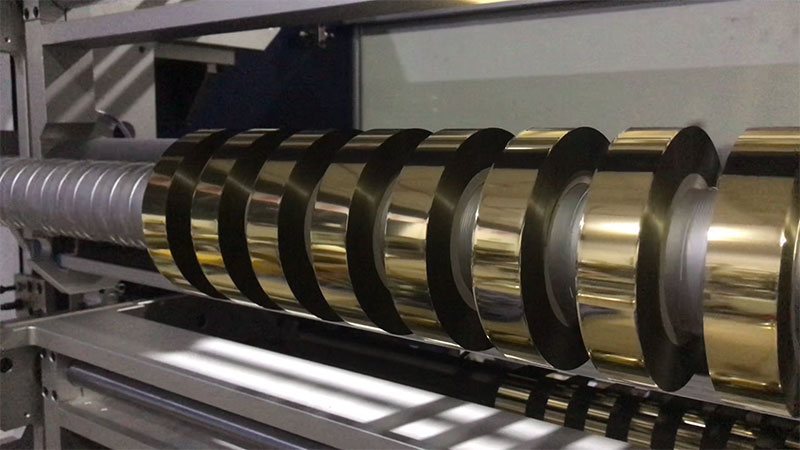
In packaging and printing, anti-counterfeiting labels, stationery decoration and other industries, hot stamping foil (electrochemical aluminum) is a common surface decoration material, and its slitting quality directly affects the subsequent hot stamping effect and production efficiency. However, many companies have encountered the same headache in actual production - material edge burrs. Burrs will not only cause broken patterns, flying gold, and pasted plates during foil stamping, but may also scratch the printing plate, accelerate mechanical wear, and even cause the entire roll of material to be scrapped. How to completely overcome this stubborn disease in the industry? The one-stop hot stamping foil slitting machine provides a precise and efficient solution to this problem.
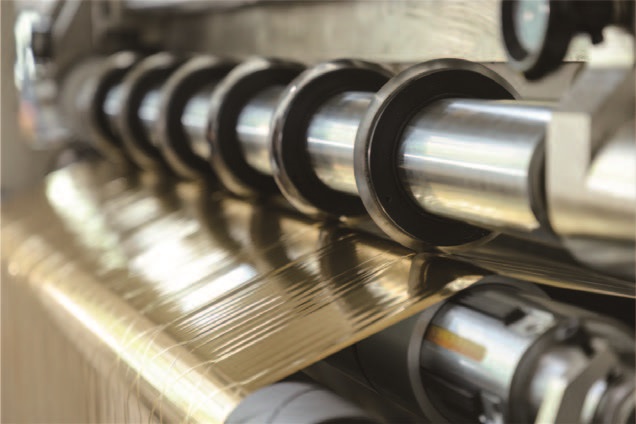
1. Where do burrs come from? Directly hit the pain points of traditional slitting
Traditional slitting methods mostly use simple mechanical blades or old slitting equipment, which are prone to the following problems when cutting hot stamping foil:
1. Improper Blade Passivation or Clearance: The blade is not sharp enough or the gap between the upper and lower knives does not match, resulting in the material being squeezed rather than cut neatly, resulting in curly or filamentous burrs at the edges.
2. Uneven tension control: The thickness of hot stamping foil is usually only 12~30μm, which is extremely sensitive to tension. Tension fluctuations can cause the material to shake at the cutting point, creating a jagged burr.
3. Cutting heat buildup: High-speed friction generates high temperature, causing the plastic-based film (mostly PET) to melt or draw locally, forming hardened burrs after cooling.
4. Dust adhesion: The small particles that fall off during the slitting process are electrostatically adsorbed on the knife edge and repeatedly pressed into the edge of the new cut, forming a secondary burr.
If these burrs are not effectively treated, they will increase the cost of manual trimming at best, and at worst, they will lead to poor bronzing of the whole batch, resulting in serious waste.
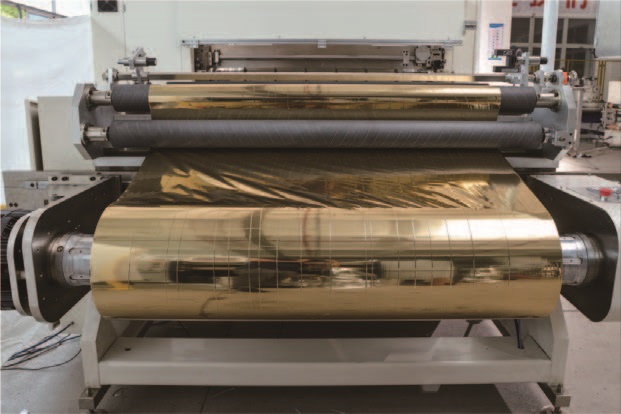
2. How does the one-stop slitting machine achieve burr-free cutting?
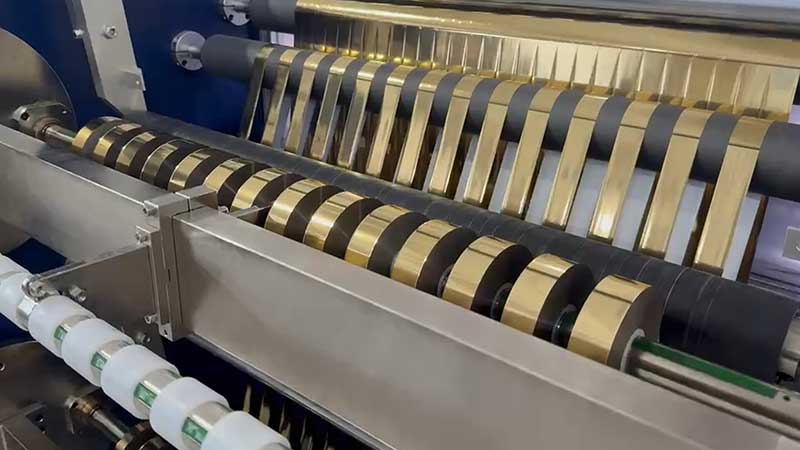
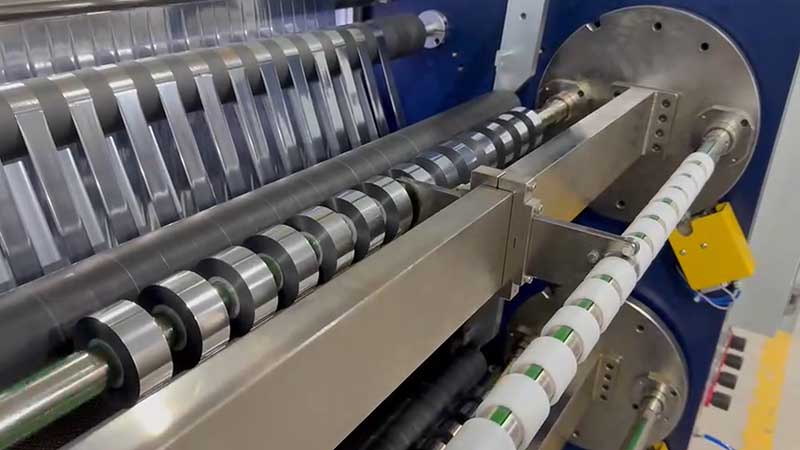
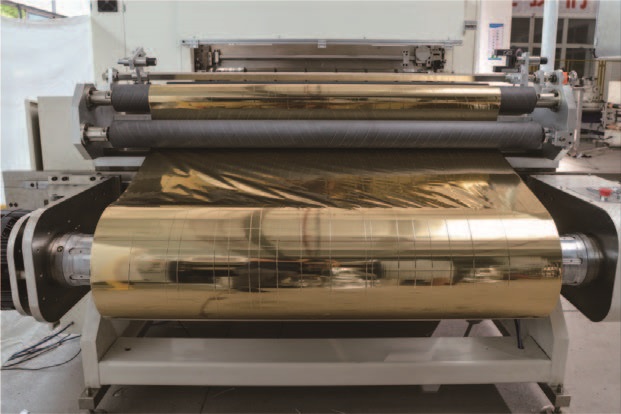
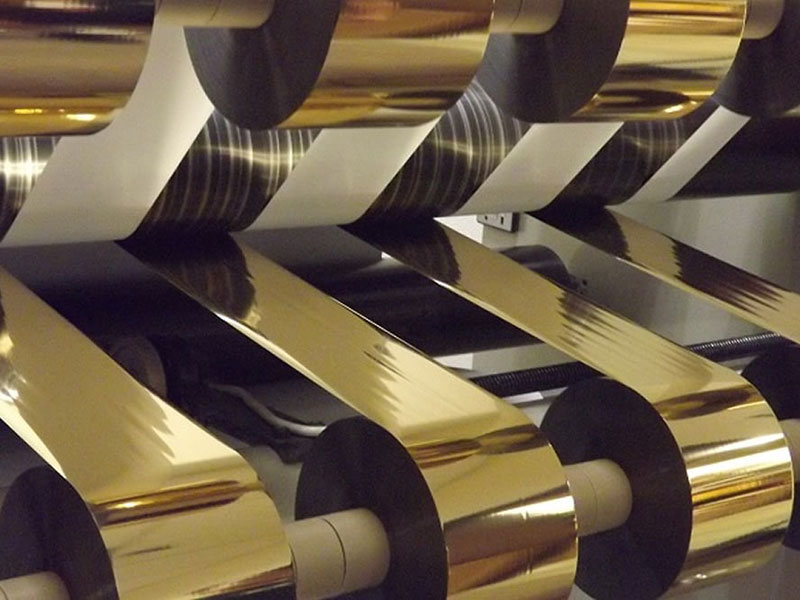
The modern one-stop hot stamping foil slitting machine integrates multiple processes such as unwinding, slitting, winding, trimming, and dust removal, and systematically eliminates burrs from the following key technical points:
1. Precision circular knife and clearance automatic adjustment
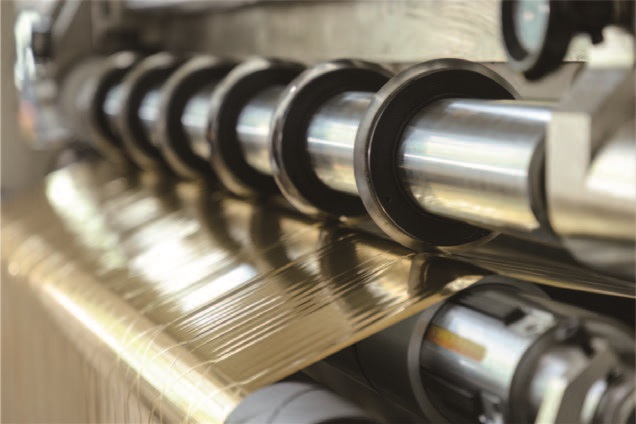
High-quality carbide or ceramic circular knives are used with micron-level clearance adjustment systems. The equipment can automatically match the optimal shear clearance and overlap according to the material of the hot stamping foil (ordinary electrochemical aluminum, laser foil, pigment foil, etc.), ensuring that the cutting edge cuts the material in a "shear" rather than "tearing" way, and the incision is flat and smooth.
2. Closed-loop tension and active correction
Equipped with a digital closed-loop tension controller, it detects material tension in real time and dynamically adjusts the unwinding and traction speed to avoid tensile deformation or slack and slippage. At the same time, an active ultrasonic or photoelectric correction system is integrated to ensure that each knife mark falls on the preset trajectory and eliminates uneven edges caused by deviation.
3. Low-temperature cutting and fast heat dissipation
The special surface-coated insert and optional air-cooled or liquid-cooled tool holder significantly reduce the temperature of the cutting zone and prevent hot melt drawing of the PET base film. Some high-end models also use ultrasonic vibration cutting technology to reduce frictional heat through high-frequency micro-vibration, especially suitable for ultra-thin and highly sensitive foil materials.
4. Online dust removal and static elimination
The rear side of the slitting assembly is integrated with a negative pressure vacuum port and an electrostatic elimination rod to suck away the fine dust and lint generated by the cutting at the first time, and neutralize static electricity, preventing fine particles from being re-adsorbed to the new cutting edge. Ensure that the discharge edge is clean, and there is no need for secondary manual cleaning.
5. Intelligent tool life management and compensation
The built-in sensing system monitors the blade sharpness in real time, and automatically alarms or fine-tunes tool position compensation when the amount of wear exceeds the threshold to ensure stable cutting quality over time. Some high-end models even support automatic tool change, completely eliminating the problem of burr batch caused by manual tool change delay.
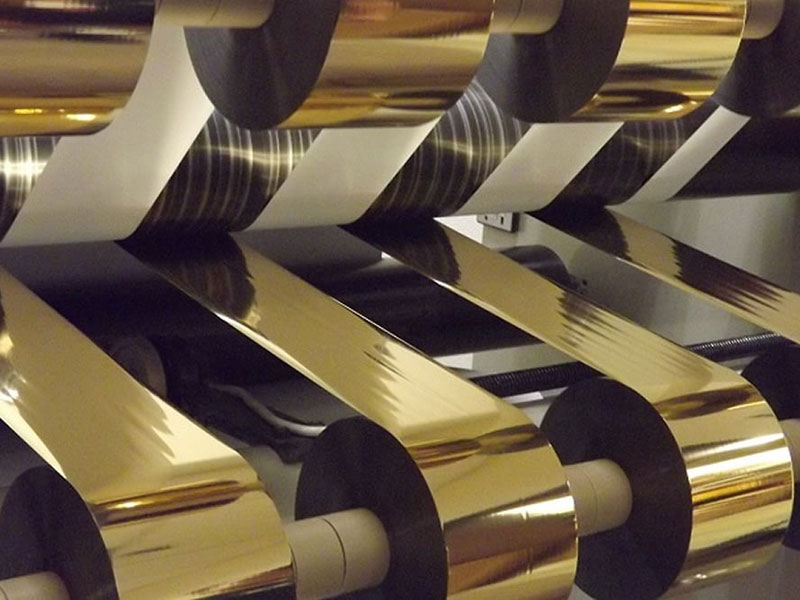
3. The practical benefits brought by the one-stop solution
After adopting the one-stop hot stamping foil slitting machine, enterprises can achieve significant improvements in multiple dimensions:
• Product yield improvement: the incidence of edge burrs is generally reduced to less than 0.5%, the foil running process is smooth, the pattern is complete and full, and the downtime and reprinting caused by material problems are greatly reduced.
• Save labor costs: No need to arrange special personnel to trim or inspect burrs one by one, one person can operate multiple machines, and slit, rewind, and count at the same time can be completed at one time.
• Improved material utilization: The trimming allowance can be reduced from 5~8mm to 1~2mm, and the effective length of each roll can be increased by several meters when slitting narrow widths.
• Expanded processing range: One equipment can easily handle multiple types of hot stamping foil and different widths (such as 6mm~800mm) slitting needs, flexibly adapting to small-batch customization and large-scale production.
4. Purchase and maintenance suggestions
To maintain burr-free slitting results for a long time, in addition to choosing a reliable one-stop slitting machine, you should also pay attention to:
• Optional blade models according to common materials (e.g., standard round knives for cutting ordinary electrochemical aluminum, coating knives for heat-resistant pigment foils).
• Regularly calibrate tension sensors and anti-biasing photoelectric heads to prevent dust or vibration interference.
• Establish a record of blade replacement, combined with the number of meters processed or the time period to actively change the tool.
• Train operators to identify initial burrs (e.g., slight white edges, rolls) and adjust process parameters in a timely manner.
Epilogue
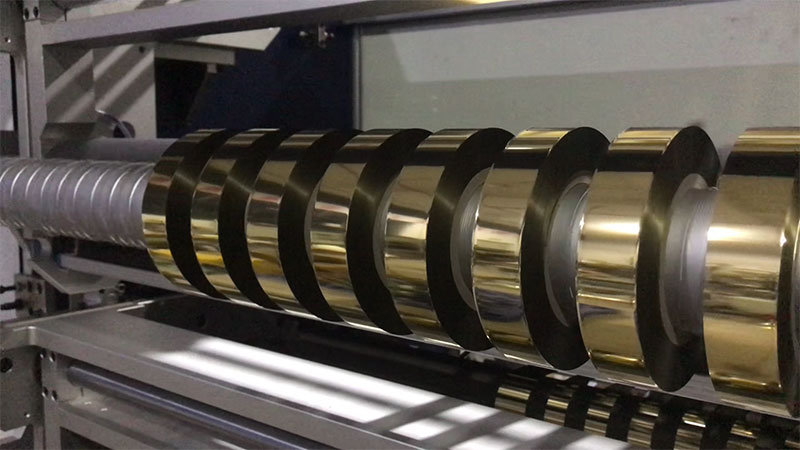
Although hot foil slitting is a small link, it often determines the success or failure of the finished product. The one-stop hot stamping foil slitting machine systematically overcomes the old problem of "edge burrs" through multiple technological innovations such as precision shearing, constant tension control, active cooling, and online dust removal, helping enterprises achieve a leap from "passive repair" to "active control". When each roll of foil foil has a smooth edge like a mirror cut, the foil stamping process can truly release its gorgeous and sophisticated value.
 English
 Deutsch
 Français
 Español
 Português
 日本語
日本語 русский
 한국어
한국어 عربي
عربي ภาษาไทย
 Tiếng Việt
 Italiano
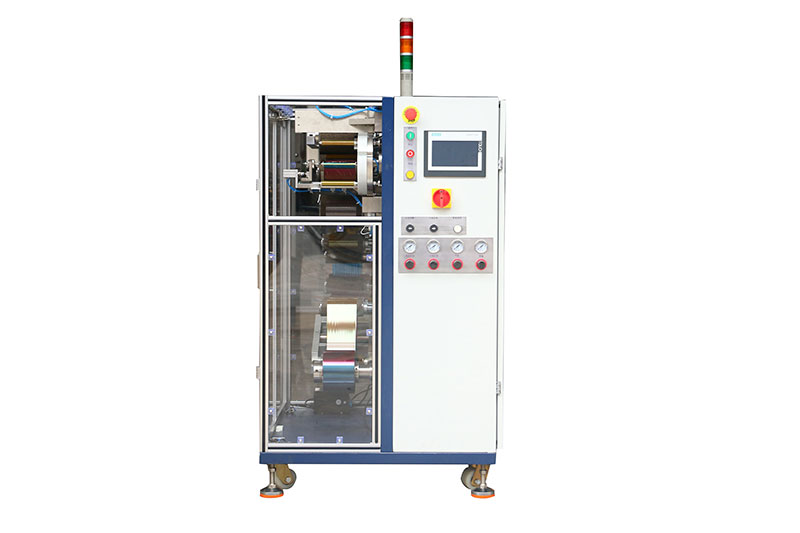
 Cold Foil Slitter
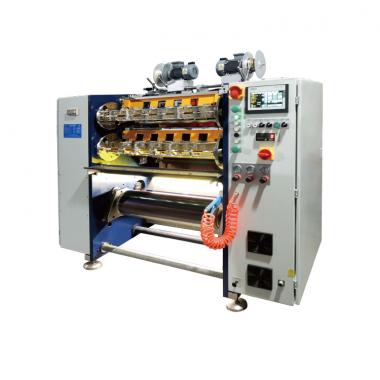
 Card Print Ribbon Rewinder
 Card Print Ribbon Slitter
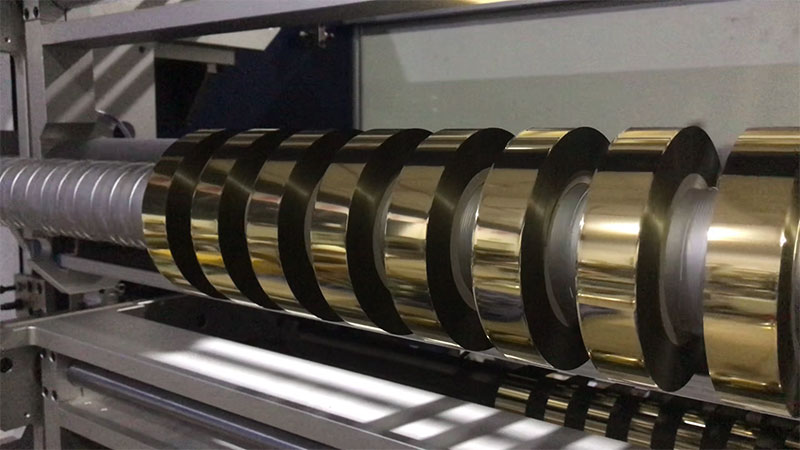
 Hot Stamping Foil Slitting Machine
 Holographic Foil Slitter
 Digital Enhancement Foil Slitter
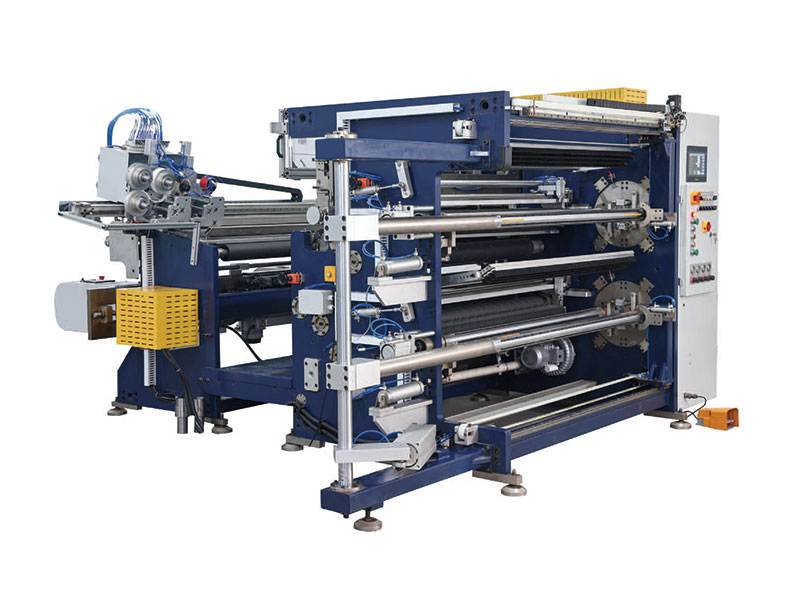 Hot Stamping Foil Slitter RSDS7H 1350 PLUS
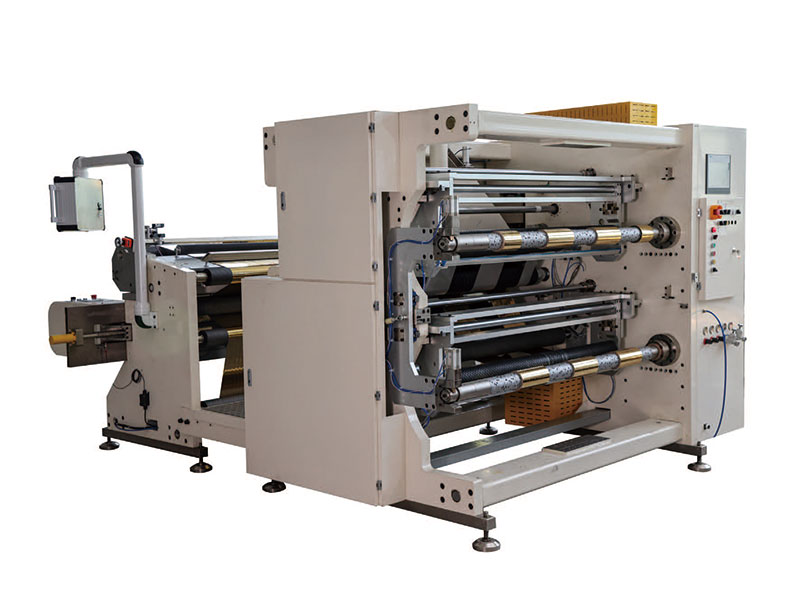 Hot Stamping Foil Slitter (RSDS7H) 1350