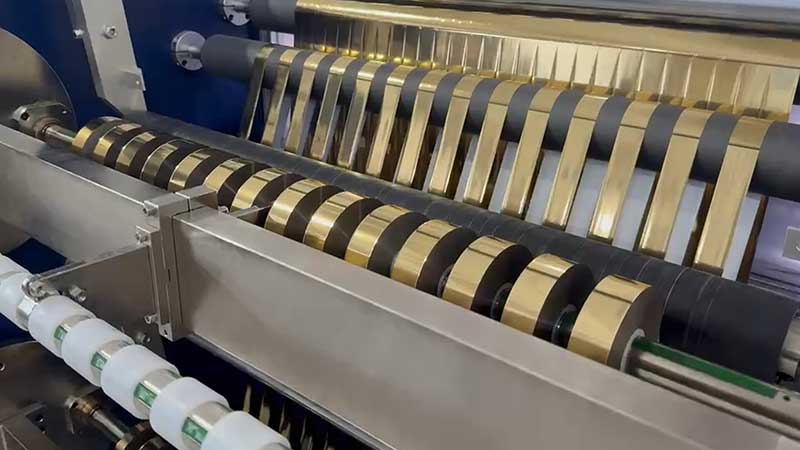
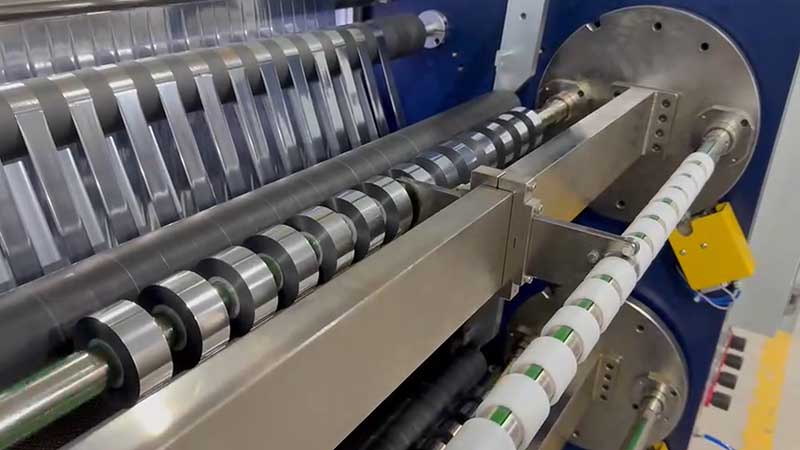
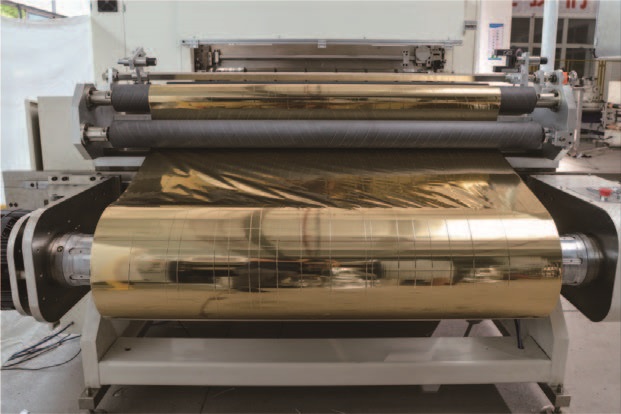
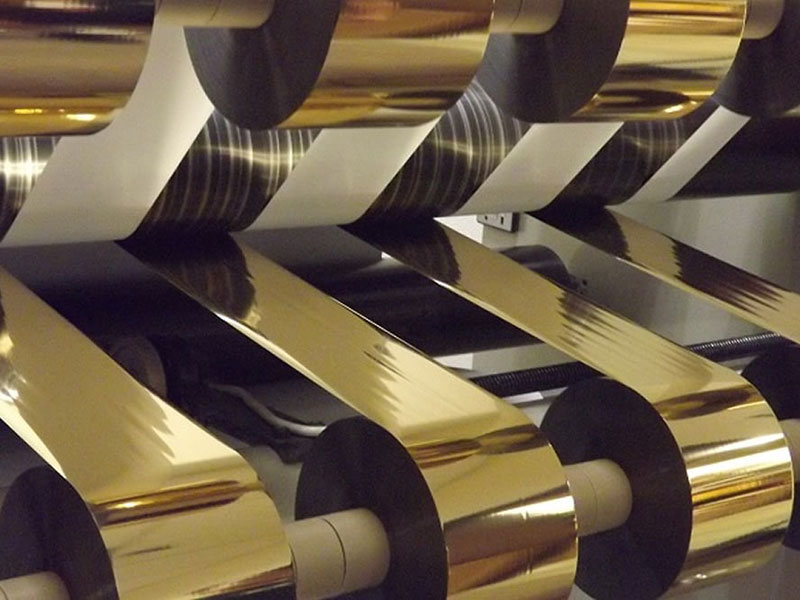
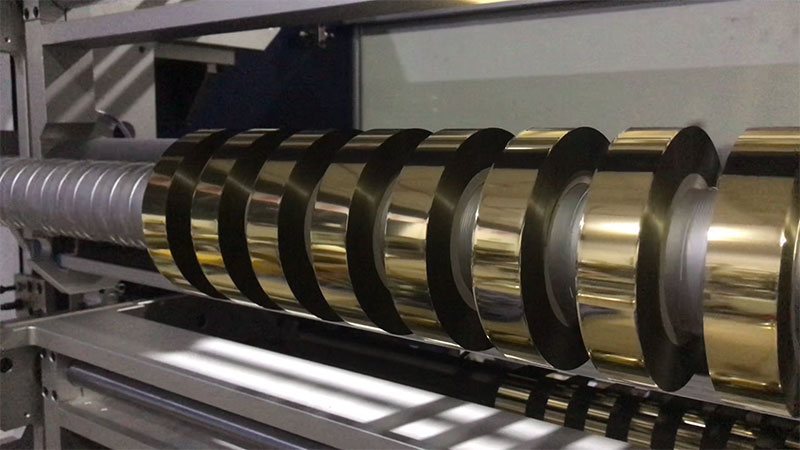
In the foil stamping and packaging industry, the surface quality of foil stamping directly affects the visual effect and yield rate of the final product. When traditional slitting equipment processes high-precision hot stamping foil, it often causes scratches, ink layer peeling or incomplete hot stamping due to static electricity, mechanical friction or impurity adsorption. The anti-static hot stamping foil slitting machine realizes the whole process of foil surface protection from slitting to winding through active static elimination, precision tension control and clean air circuit design.
1. Two major damage mechanisms caused by static electricity
Foil stamping is usually composed of PET base film, release layer, metal coating (such as aluminum layer) and hot melt adhesive layer, and the overall thickness is only 12–30 μm, which is extremely fragile. During the slitting process, the high-speed friction between the foil and the guide roller and the blade will generate a static voltage of more than 10,000 volts, which brings double hazards:
1. Electrostatic adsorption impurities: The charged foil surface is like a "vacuum cleaner", adsorbing fibers and dust of 10–100μm in the workshop to the surface. These particles can form pockmarks, pinholes, or localized gold deficiencies during subsequent scalding.
2. Static electricity causes scratches: high-voltage static electricity causes the foil film to adsorb on the side wall of the guide roller or blade, causing irregular scratches when sliding relatively, especially on the aluminum plating layer, leaving visible bright lines or misty stripes.
Traditional grounding copper wire or ion air gun is difficult to continuously and uniformly eliminate static electricity on the entire foil surface, and it is easy to introduce airflow disturbances, which will aggravate the jitter and offset of the foil film.
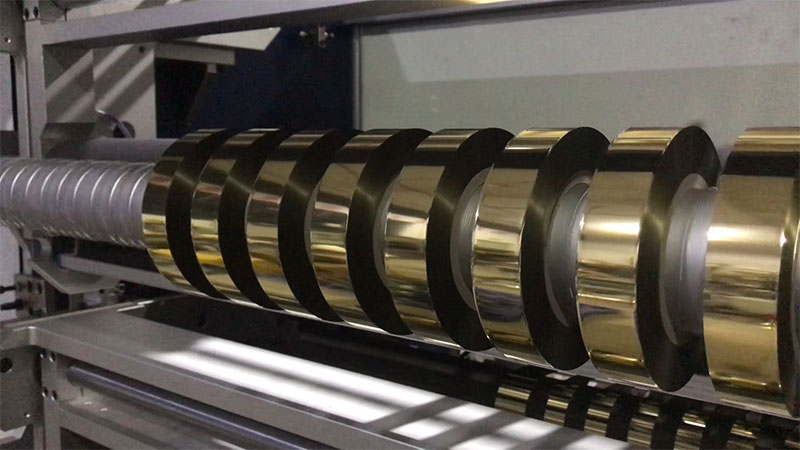
2. Analysis of the main sources of scratches in the slitting process
In addition to indirect scratches caused by static electricity, the mechanical design of the slitting machine itself can also directly damage the foil surface:
• Dust accumulation in the passing roller and knife groove: the surface of the guide roller produces fine grooves or adhesive stains due to wear, and periodic indentation is formed during slitting.
• Insufficient accuracy of cutter fit: Uneven clearance between the upper and lower knives or lateral squeezing force, resulting in rolling, burrs, or even tearing of the foil edges.
• Hard winding rollers: Hard rubber rollers squeeze the surface of the foil roll during unwinding, causing indentations or friction marks.
• Too sharp foil turning angle: When the foil film bypasses small diameter guide rollers or sharp edges, the bending stress is concentrated and cracks are generated in the coating (especially visible in the hot stamping diffuse reflection area).
3. Anti-static core design: active static elimination system
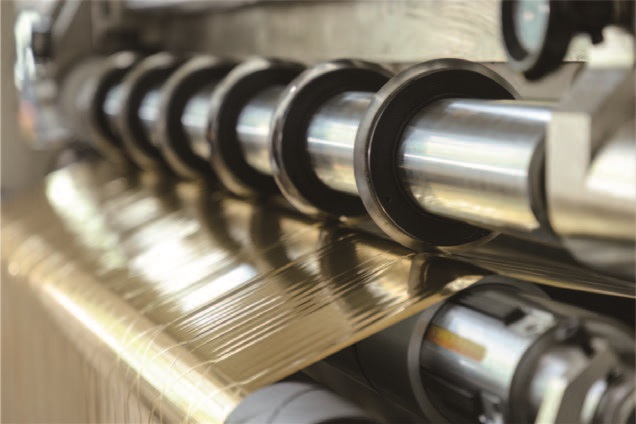
Different from passive grounding, the professional anti-static slitting machine integrates contact carbon fiber static elimination brushes and high-frequency AC ion rods at key stations:
• Carbon fiber brush contact method: Before the foil film enters the slitting unit, set up a flexible carbon fiber brush with a width of more than 10–20mm to make slight contact with the foil surface to guide the static charge in real time. Carbon fiber monofilament diameter 7–10μm, no damage to the coating; The bristle arrangement density ≥ 12 bars/mm² to ensure even contact.
• Non-contact ion rod compensation: In areas prone to strong static electricity, such as before winding and after slitting knives, pulsed or high-frequency AC ion rods are installed to release positive and negative ions to neutralize the residual charge. The ion balance is better than ±30V, which meets the requirements of precision foils.
• Reliable grounding of metal rollers: all guide rollers, cutter shafts, and rewinding mandrels are connected to the ground by conductive bearings or grounding carbon brushes to prevent charge build-up.
The above combination can reduce the static voltage of the foil surface from ±15kV to ±300V, greatly reducing the adsorption effect.
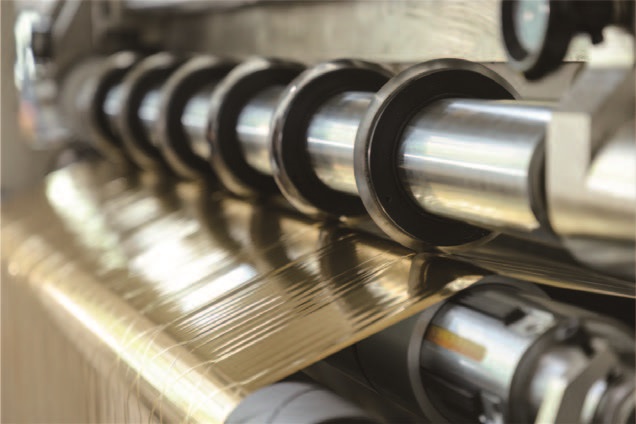
4. Mechanical structure optimization: avoid scratches from the source
On the basis of eliminating static electricity, the slitting machine further improves the mechanical details and eliminates physical contact damage:
1. Super mirror anti-stick guide roller: use hard chrome or ceramic coated guide roller with surface roughness Ra≤0.1μm to prevent adhesive adhesion; add air float rollers to the parts that are prone to friction, and form a 0.05–0.1mm air film through microporous air spray, so that the foil film is completely suspended.
2. Precision disc cutter slitting unit: using high-quality high-speed steel or carbide inserts, the radial runout of the cutter shaft ≤ 0.02mm, and the upper and lower cutter gap is controlled at 10%–20% of the foil thickness (for example, 12μm foil only needs a 1.5–2.5μm gap), and with a fine-tuning dial for meshing amount to avoid cutting burrs.
3. Flexible winding roller: using conductive PU rubber roller with Shore hardness of 40–50A, with spiral groove or diamond pattern on the surface, reducing the contact area and facilitating exhaust; The pressure of the roller is automatically reduced according to the winding diameter by the closed-loop control system to prevent the inner ring from crushing the foil surface.
4. Low tension servo control system: using swing roller or floating roller tension detection, with servo motor and low inertia guide roller, the slitting tension fluctuation is controlled within ±0.5N, so as to avoid scratching the guide roller after the foil film is stretched and deformed.
5. Clean environment: closed air ducts and active dust removal
In order to completely eliminate impurity adsorption, the equipment is integrated into a clean design:
• Zonal sealing cover: The slitting unit and the winding area are closed with transparent explosion-proof doors and windows, and the positive pressure filtered air in the workshop is fed into the machine through the HEPA filter to form a micro positive pressure (10–20Pa) to prevent external dust from entering.
• Negative pressure vacuum pipe: set up a slit vacuum port with adjustable width under the cutter and at both ends of the guide roller, connect the industrial dust collector, and suck away the foil powder and electrostatically adsorbed fibers generated by slitting in real time. The air speed of the vacuum cleaner is controlled at 8–12m/s to avoid disturbing the foil film.
• Anti-static brush active cleaning: Install a reversible anti-static brush roller at the foil inlet, rotate at low speed (linear speed ≤ 20% of the foil speed), gently peel off the surface adhesion, and remove it from the vacuum port.
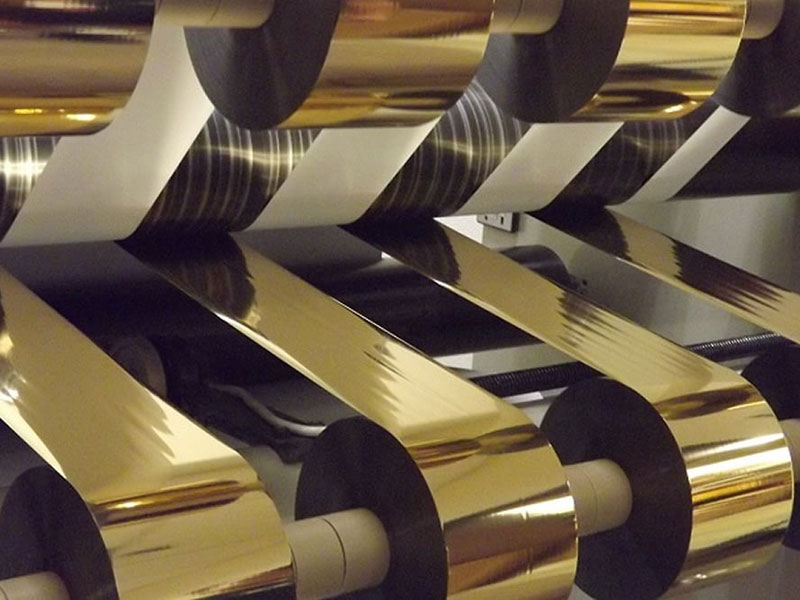
6. Practical application effect and maintenance points
A hot stamping foil manufacturer introduced the above anti-static slitting machine and measured it:
• The number of particles per unit area of the foil surface (≥20μm) was reduced from the original average of 147 pieces/m² to 21 pieces/m²;
• The non-performing rate of hot stamping is reduced from 3.8% to less than 0.6%;
• The slitting speed can be stabilized at 120–180 m/min (conventional models usually ≤ 80 m/min).
Daily maintenance should be paid attention to:
• Clean carbon fiber brushes with absolute alcohol every 2–4 weeks and replace when they are worn down by 1/3 of their length;
• Use a cotton swab dipped in isopropyl alcohol every 3 months to clean up the dust accumulated at the tip of the emitting needle;
• Clean the vacuum pipe regularly to prevent the filter element from clogging and causing the suction power to decrease.
Epilogue
The value of the anti-static hot stamping foil slitting machine goes beyond simple dimensional segmentation – it controls foil surface scratches and impurity adsorption below micron-level defects through electrostatic neutralization, clean isolation and precision-oriented three-dimensional protection systems. For packaging companies that pursue high-gloss and high-precision hot stamping effects, this is not only an upgrade of equipment, but also a key part of quality control from "post-inspection" to "process prevention". When every inch of hot stamping foil enters the hot stamping machine in a flawless state, the luxurious texture of the brand's packaging has a real technical guarantee.
 English
 Deutsch
 Français
 Español
 Português
 日本語
日本語 русский
 한국어
한국어 عربي
عربي ภาษาไทย
 Tiếng Việt
 Italiano
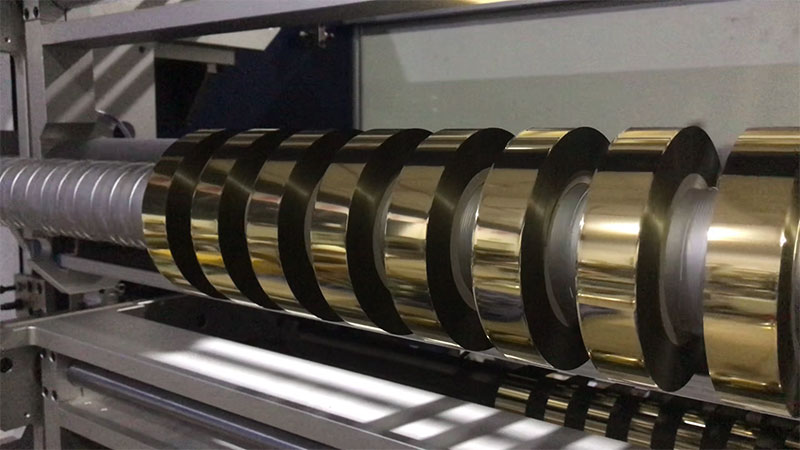
 Cold Foil Slitter
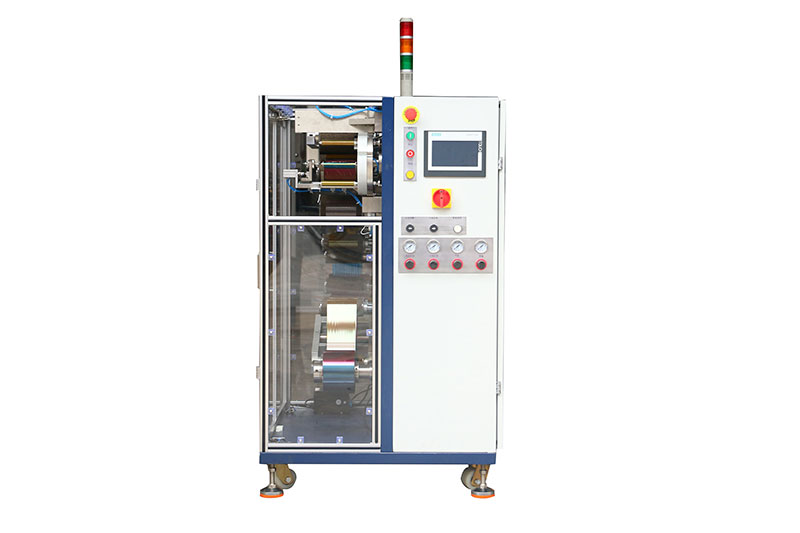 Card Print Ribbon Rewinder
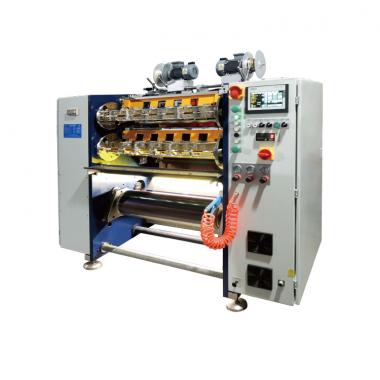 Card Print Ribbon Slitter
 Hot Stamping Foil Slitting Machine
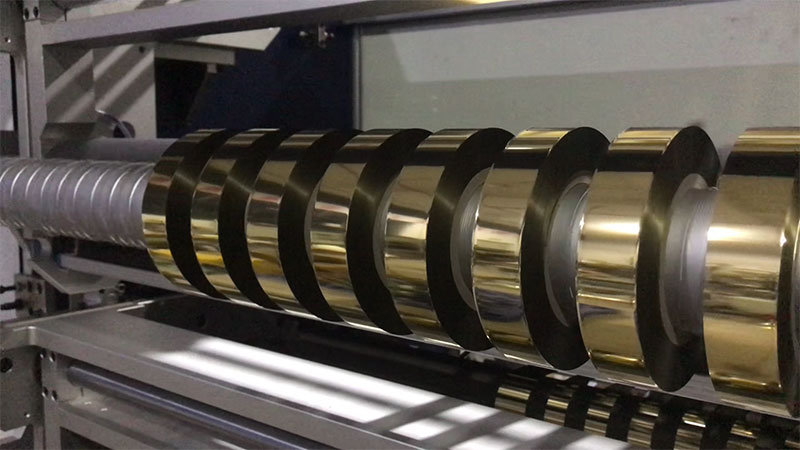 Holographic Foil Slitter
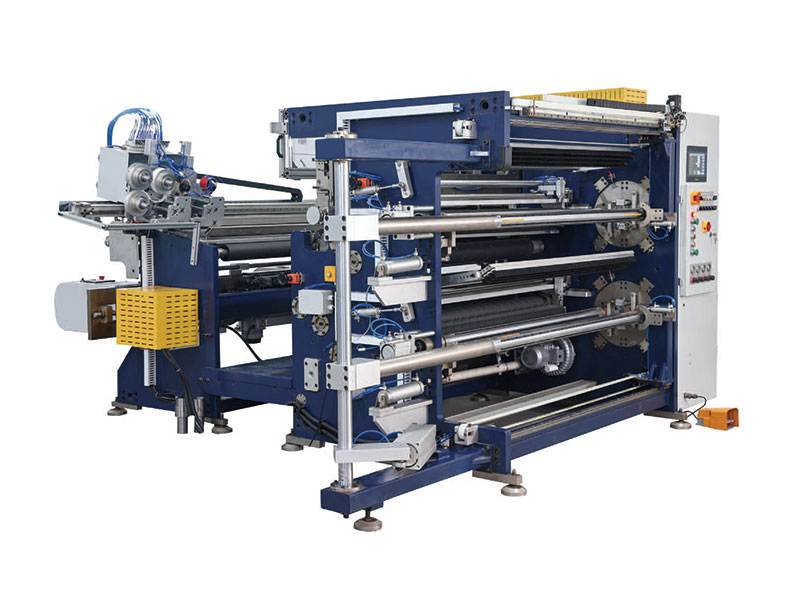
 Digital Enhancement Foil Slitter
 Hot Stamping Foil Slitter RSDS7H 1350 PLUS
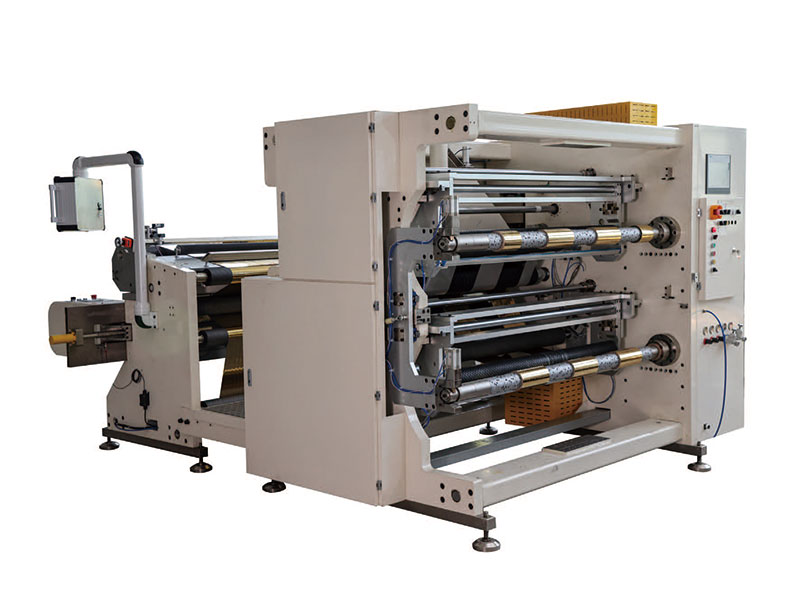 Hot Stamping Foil Slitter (RSDS7H) 1350