In the adhesive products industry, the slitting process of single-sided tape has long faced a headache - adhesive knife rollers. Operators frequently stop to clean up residual adhesive residues, thicker and thicker adhesive layers on the surface of knife rollers, burrs and drawing on slitting end faces...... These not only slow down the pace of production, but also directly push up the scrap rate, which has become a recognized "stubborn pain point" in the slitting link.
Adhesive knife roller: the number one killer of slitting efficiency
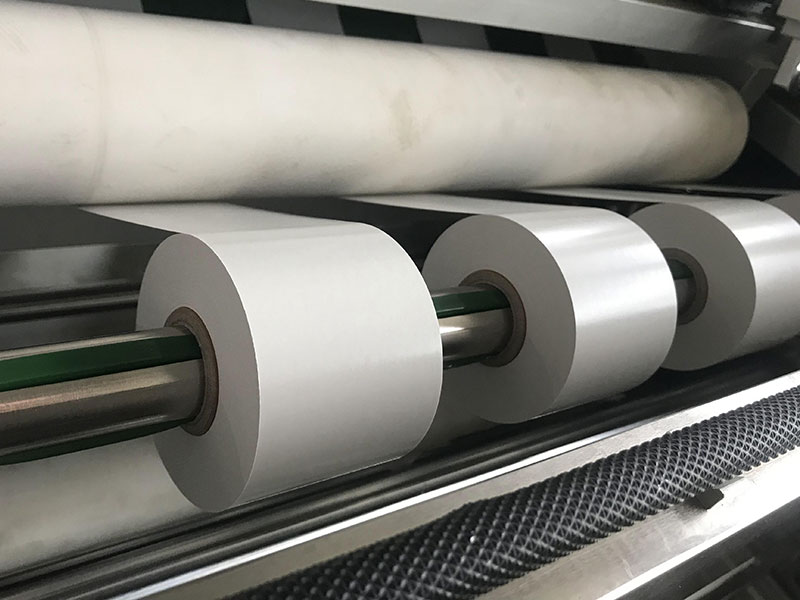
In the process of high-speed slitting of single-sided tape, the exposed adhesive layer is very prone to the phenomenon of "glue transfer" under the action of the pressure of the knife roller and frictional heat, - the adhesive migrates from the edge of the tape to the surface of the knife roller. As the knife roller rotates, the residual glue is repeatedly crushed and solidified, forming a hard "rubber scab".
This layer of scab will cause a chain reaction:
• Deterioration of slitting quality: The scab alters the surface profile of the knife roller, leading to uneven slitting pressure and burrs, jaggedness, or even tearing at the edges of the tape
• Frequent downtime for glue cleaning: usually every 2-4 hours to clean the knife roller, a single time takes 15-30 minutes, and the high-production line has a cumulative downtime of more than 2 hours a day
• Sharp reduction in tool life: residual adhesive intensifies tool edge wear, and the replacement cycle of high-end carbide inserts is shortened by 30%-50%
• Increased operational intensity: The cleaning process requires solvents and blades, exposing operators to chemical odors and the risk of scratches
The production records of a medium-sized tape factory show that a single slitting machine can cause economic losses of more than 80,000 yuan per year only due to the shutdown cleaning and waste loss caused by the knife roller viscose.
Why do traditional programs treat the symptoms but not the root cause?
The industry has tried a variety of anti-stick methods, but the effect has always been limited:
• Release agent spraying: Silicone oil or Teflon coating is applied on the surface of the knife roller, which has a certain anti-stick effect in the early stage, but the coating will wear off after 2-3 days under high-speed operation
• In-line scraping device: Install a fixed scraper to continuously scrape off residual glue, but the scraper itself will scratch the surface of the knife roller and cannot handle the compacted scab
• Solvent scrubbing system: automatic spraying solvent with brush scrubbing, the equipment is complex and there are potential safety hazards of solvent volatilization and fire
The common flaw of these solutions is passive treatment - they wait for the glue to be applied and then find a way to remove it, rather than preventing the adhesion from occurring at the root.
Technological breakthrough: three anti-stick paths hit the core
In recent years, several technologically leading equipment manufacturers in the industry have developed effective anti-sticking solutions based on mechanisms.
1. Micro-textured knife roller: Reduces contact area
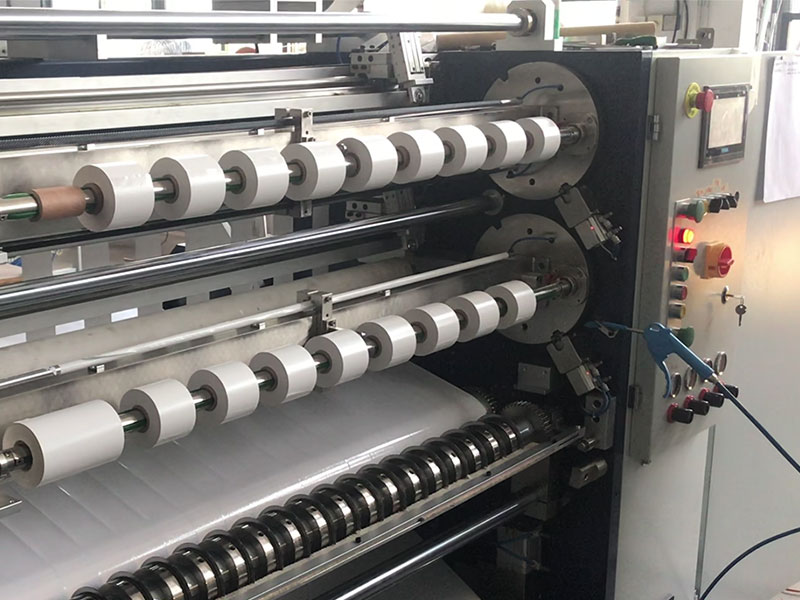
By processing micron-level regular textures (e.g., spiral grooves, honeycomb pits) on the surface of the knife roller, the actual contact area is reduced by 30%-50%. The reduction of the contact surface means that the "focus point" of adhesive adhesion is reduced, and it is difficult for the residual adhesive to form a continuous film layer. At the same time, the micro-texture forms an air microcirculation channel, which helps to reduce frictional heat. Micro-textured knife rollers with hard coating can have an anti-stick life of more than 6 months.
2. Ultrasound-assisted vibration: destroys the adhesion interface
An ultrasonic oscillator is integrated inside the knife roller to generate micron-level high-frequency vibration on the surface of the knife roller. The vibration energy forms an instantaneous shear force at the glue-roller interface, preventing the adhesive layer from adhering stably. This technology also has a "self-cleaning" effect on the formed slight residues, which can extend the continuous production time to 8-12 hours before routine cleaning is required. Many users reported that after the ultrasonic was turned on, only a thin layer of rubber powder was basically seen on the surface of the knife roller, rather than stubborn rubber scab.
3. Low-temperature anti-stick technology: reduce the fluidity of the glue
The adhesion of the adhesive is closely related to the temperature - for every 10°C increase in temperature, the fluidity of the adhesive increases by about 30%-50%. By designing a circulating cooling channel inside the knife roller and controlling the roller surface temperature below room temperature (15-20°C), the adhesive layer loses its fluidity at low temperature, changing from "viscoelastic state" to "glass state", and the probability of transfer adhesion is greatly reduced. This solution is especially suitable for hot melt adhesive products, and some users have achieved stable production of rolls with unclear shifts.
Actual combat effect: from daily cleaning to weekly maintenance
Take the actual data of an adhesive product enterprise in East China introducing micro-texture + ultrasonic composite anti-stick knife rollers as an example:
| Indicators | Before the renovation | After the renovation |
| Roll cleaning frequency | Every 2-3 hours | Every 1-2 days |
| A single cleaning time is time-consuming | 20 minutes | 5 minutes (air blow powder only) |
| Scrap rate by slitting | 3.2% | 1.1% |
| Knife roller service life | 6 months | 18 months |
Actual combat effect: from daily cleaning to weekly maintenance
The operator's feeling is more intuitive: "In the past, the glue had to be cleared before eating at noon, and the work was intermittent. Now when I start the machine in the morning and run from get off work, the knife roller is still clean. ”
Looking ahead: Anti-stick technology will become standard in slitting machines
With the upgrading of the tape industry to high speed and automation, the "handicraft workshop-style" link of manual glue cleaning will be eliminated. Anti-stick knife roller technology has changed from "selection highlights" to "procurement rigid needs" of leading enterprises. In the future slitting machine, the anti-stick ability of the knife roller itself will become the core indicator to measure the performance of the equipment, the same as the tension control and correction system.
For manufacturers who are still trapped by adhesive knife rolls, upgrading anti-stick technology not only brings yield improvement and cost reduction, but also a production management leap from "passive firefighting" to "active prevention". Say goodbye to adhesive knife rollers and single-sided adhesive slitting may never have been smoother.
 English
 Deutsch
 Français
 Español
 Português
 日本語
日本語 русский
 한국어
한국어 عربي
عربي ภาษาไทย
 Tiếng Việt
 Italiano
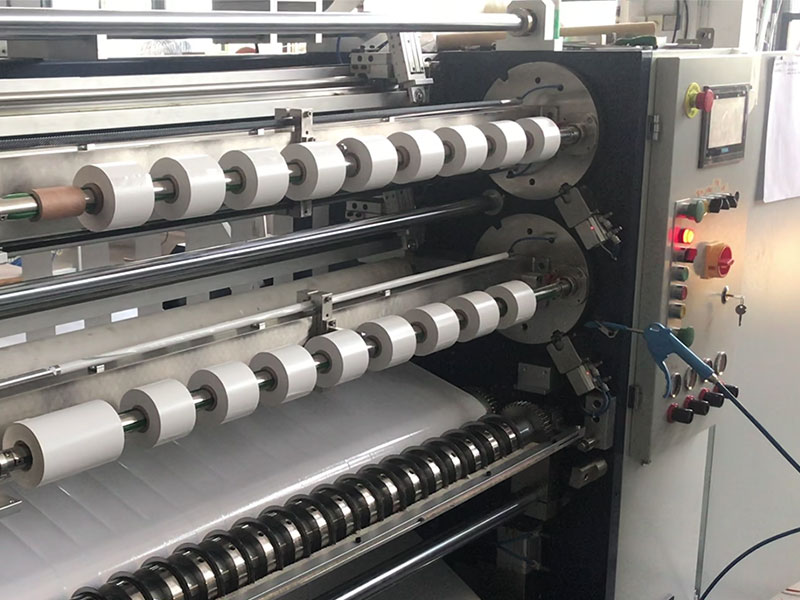
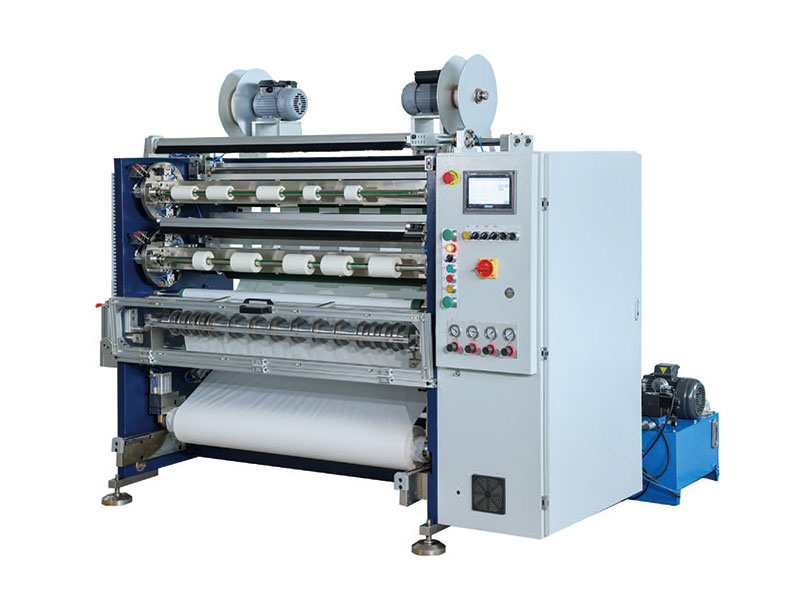 Single Side Adhesive Slitter