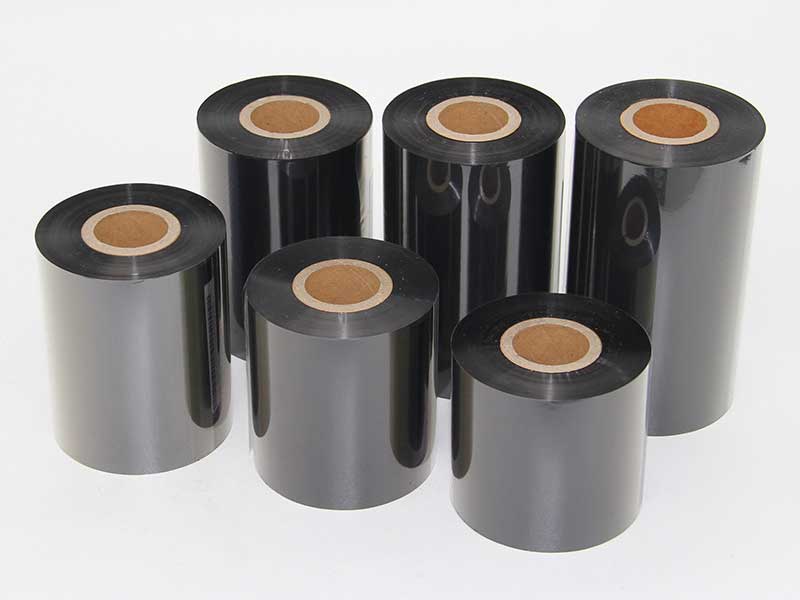
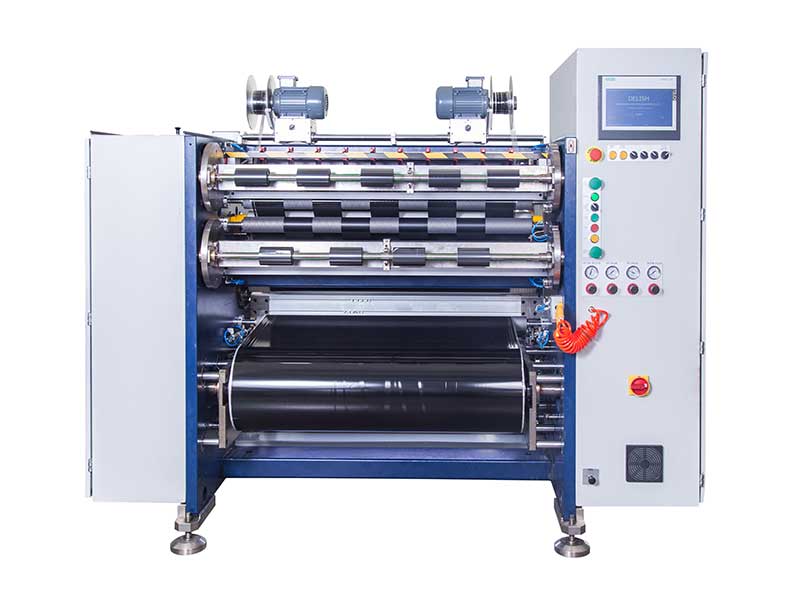
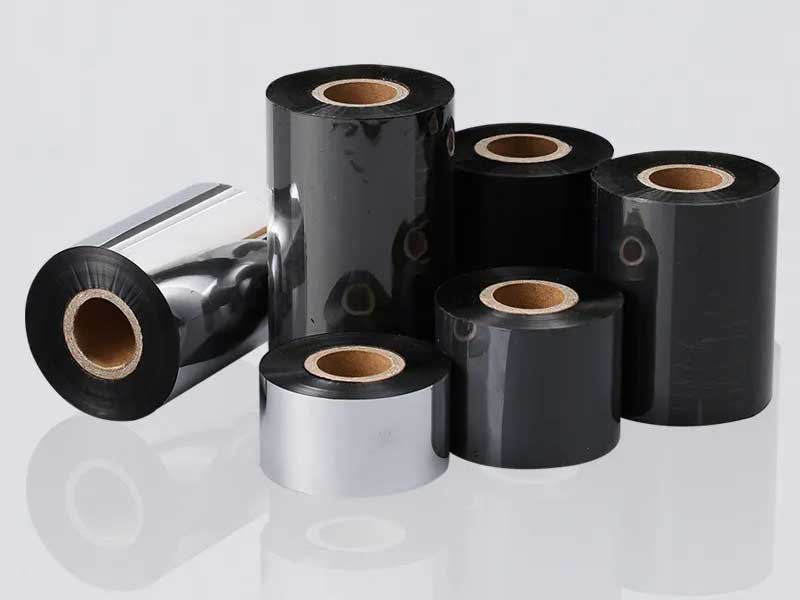
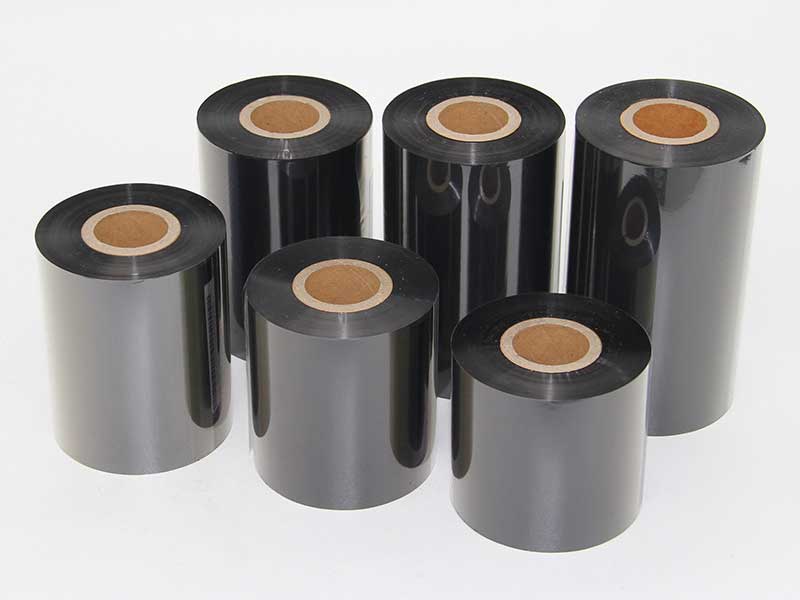
In the production and processing of ribbons (thermal transfer ribbons), the slitting machine is one of the core equipment. However, many operators encounter a tricky problem – excessive dust when ribbon slitting. These fine dusts not only affect the workshop environment and threaten the health of operators, but also may reduce the accuracy of equipment and affect the quality of the finished ribbon. So, how to deal with excessive dust in the ribbon slitting machine? This article provides you with a complete set of treatment ideas from cause analysis to system solutions.
1. The main cause of dust generation
To solve the problem, we must first find the root cause. Excessive dust in ribbon slitting machine is usually caused by the following factors:
1. Ribbon coating material properties: The ink layer of ribbon, especially wax-based and hybrid bases, is easily peeled off by shear forces during slitting, forming a fine powder.
2. Blade wear or passivation: A round or flat knife that is not sharp cannot cut through the coating cleanly, causing it to crack, peel off, and produce more dust.
3. Improper tool set clearance: Excessive or small gaps between the upper and lower knives will aggravate the abnormal wear of the coating.
4. Unstable tension control: The fluctuation of tension between the retraction and unwinding causes the ribbon to shake in the cutting area, causing the knife edge to rub against the coating repeatedly.
5. Too fast slitting speed: High-speed cutting beyond the material's tolerance will multiply the amount of dust.
6. Dry environment: In a low humidity environment, static electricity intensifies, making dust more likely to fly and absorb.
2. The negative impact of excessive dust
• For operators: Inhalation of fine dust may cause respiratory discomfort, and long-term exposure poses occupational health risks.
• On equipment: dust enters delicate components such as tool holders, bearings, and guide rails, accelerating wear and even causing jamming.
• For products: dust falls on the surface of the finished roll, causing print quality defects (white spots, broken lines).
• For the workshop environment: reduce the overall cleanliness and affect other precision processes (such as coating, rewinding).
3. Targeted treatment plan
1. Optimize the slitting process parameters
• Reduce slitting speed: Under the premise of ensuring production capacity, find a balance between speed and dust volume, usually 10-20% reduction speed can significantly reduce dust.
• Fine adjustment of knife pressure and clearance: According to the thickness of the ribbon and the hardness of the coating, recalibrate the bite amount of the upper and lower knives, which is generally controlled at 0.02-0.05mm.
• Stable Tension Control: Check the tension sensor and controller to ensure that the tension fluctuation in the rewinding and unwinding is less than ±5%.
2. Choose or sharpen high-quality blades
• Replace sharp blades: Use cemented carbide (e.g., tungsten steel) or coated tools (e.g., DLC-like diamond coating) to reduce frictional heat generation and coating peeling.
• Regular regrinding cycles: Establish a blade replacement/regrinding schedule based on the number of slitted meters (e.g. every 500,000 meters).
• Check the concentricity of the blade: The runout of the circular knife should be controlled within 0.01mm to avoid periodic impact.
3. Install a high-efficiency dust removal system (the most direct and effective means)
(1) Local vacuum cover
A compact vacuum hood is designed near the slitting knife group, and the shape of the hood fits the contour of the knife shaft, and the rotating parts are as tightly closed as possible, but the rotating parts cannot be touched. The hood is connected to the industrial dust collector via a hose.
(2) High-voltage blowback and static electricity elimination
• Compressed air purge nozzles (low pressure, high flow) are added on both sides of the blade to blow away dust adhering to the blade and the edge of the ribbon.
• With the electrostatic elimination rod (AC ionization type), neutralize the static electricity on the surface of the ribbon and prevent dust from being difficult to absorb due to electrostatic adsorption.
(3) Key points of high-precision dust collector selection
• Filtration accuracy: not lower than HEPA H13 level (filtration efficiency ≥99.95% for 0.3μm particles).
• Air volume and static pressure: Based on the number of hoods and the length of the pipes, the air speed of the hood is usually required to ≥ 1.5m/s.
• Explosion-proof design: If the dust is flammable pigment (some black ribbons), an explosion-proof dust collector should be selected and equipped with a fire retardant net.
4. Improve the workshop environment
• Increased humidity: Controlling relative humidity at 50%-60%RH can effectively reduce static electricity and dust flying.
• Regular cleaning: Use an anti-static vacuum cleaner to clean the surface and floor of the device to avoid secondary dust.
• Zone Isolation: Set up transparent soft curtains or semi-enclosed compartments around the slitting machine to prevent dust from spreading to other areas.
5. Strengthen daily maintenance management
• Clean up the dust accumulated on the knife seat every shift, using a soft-bristled brush or industrial vacuum cleaner.
• Regularly check the vacuum duct for blockages and clean the filter.
• Establish a dust volume monitoring mechanism (such as weighing the dust collector collection volume per shift), and investigate the cause in time when abnormal elevation occurs.
4. Case reference: The transformation effect of a ribbon enterprise
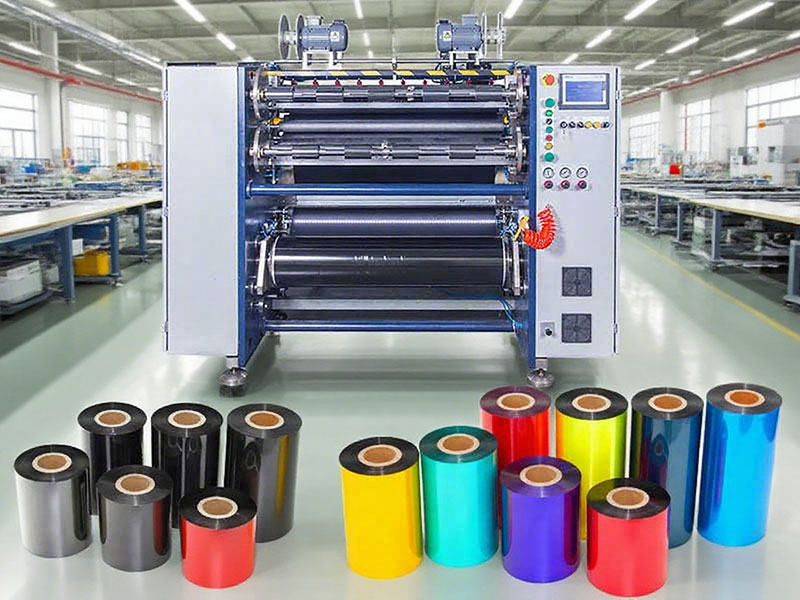
An enterprise producing mixed-based ribbons once had a dust concentration of 2.5mg/m³ in the slitting workshop (far exceeding the national standard of 0.8mg/m³). They have taken the following combined measures:
• Reduced the slitting speed from 180 m/min to 150 m/min;
• Replaced with imported tungsten steel circular knives, and the grinding cycle was shortened to once every 400,000 meters;
• Homemade semi-enclosed vacuum hood with 3kW HEPA dust collector;
• Installation of static elimination rods and humidity automatic humidifiers (target 55% RH).
After three months, the dust concentration in the workshop was reduced to 0.3mg/m³, the blade life was extended by 30%, and the printing white spot problem complained by customers was reduced by 70%.
5. Summary
To deal with the problem of excessive dust in the ribbon slitting machine, you cannot rely on a single means alone. The core solution path is: process optimization (speed reduction, tool adjustment, tension stabilization) + efficient dust removal system (vacuum hood + HEPA dust collector + static electricity elimination) + environmental control (humidification, isolation). At the same time, the establishment of regular maintenance and dust monitoring systems can fundamentally improve the production environment, ensure product quality and personnel health.
If your slitting machine dust problem cannot be solved for a long time, it is recommended to invite a slitting equipment manufacturer or dust removal system integrator to conduct on-site diagnosis and tailor a customized transformation plan. After all, a clean workshop not only means compliance, but also a reflection of the company's refined management and competitiveness.
 English
 Deutsch
 Français
 Español
 Português
 日本語
日本語 русский
 한국어
한국어 عربي
عربي ภาษาไทย
 Tiếng Việt
 Italiano

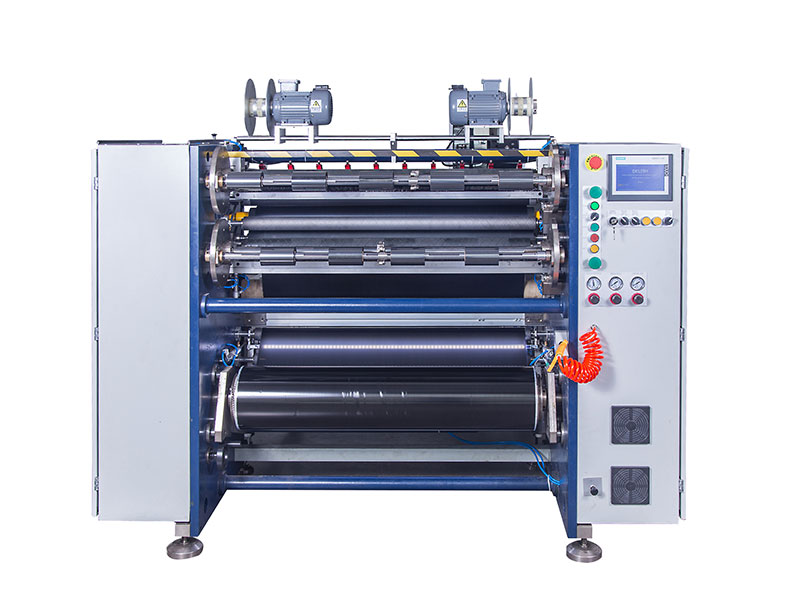
 Ribbon Slitting Machine
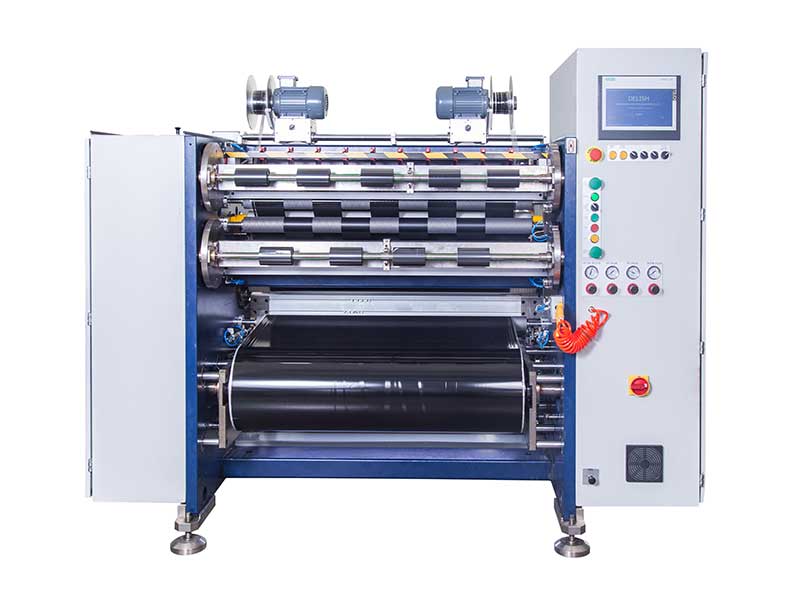 Barcode Ribbon Slitting Machine
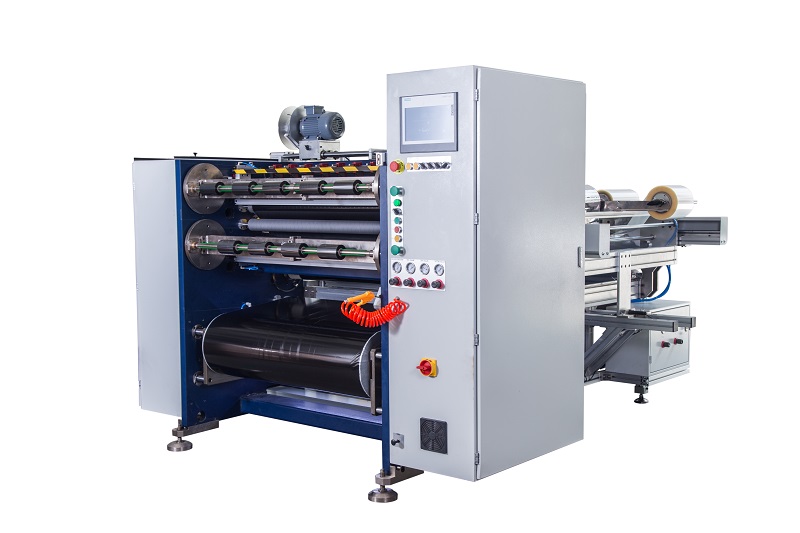 Semi Automatic Thermal Transfer Ribbon Slitter RSDS5 PLUS
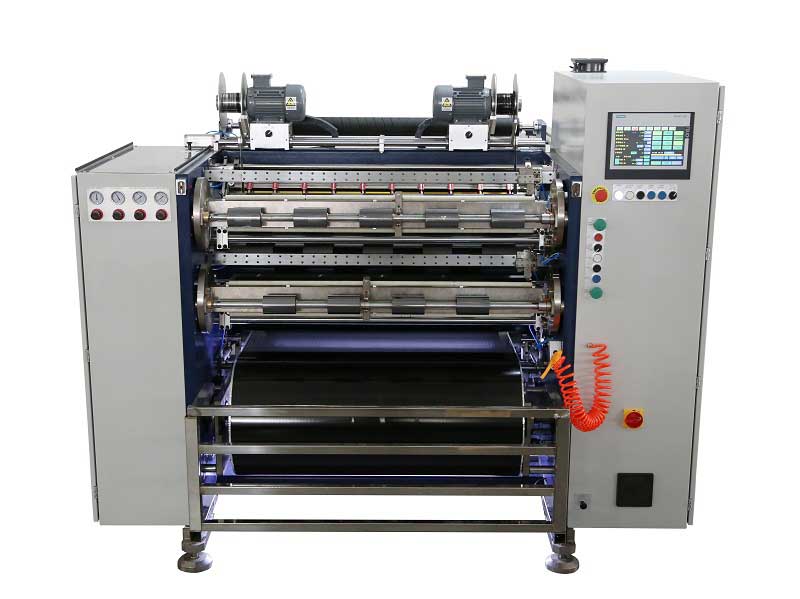 Automatic Thermal Transfer Ribbon Slitter RSDS8 H PLUS
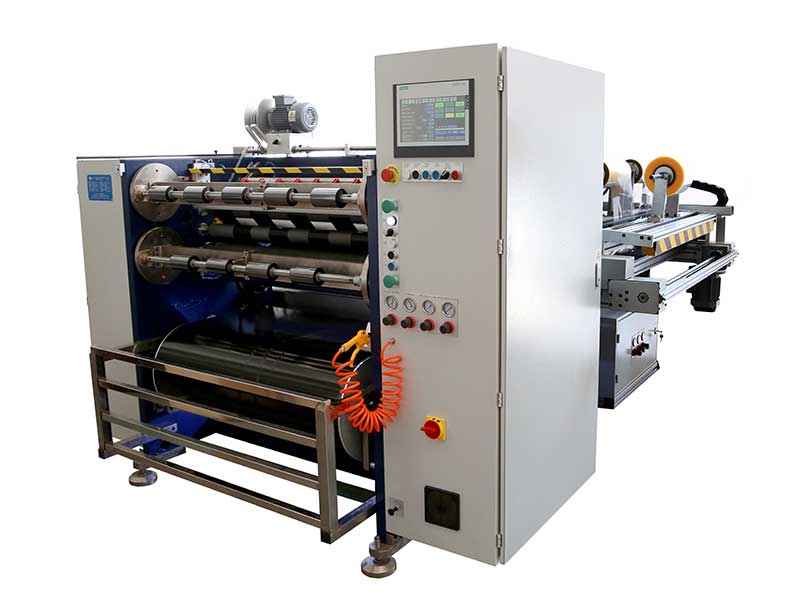 Automatic Thermal Transfer Ribbon Slitter RSDS6 PLUS
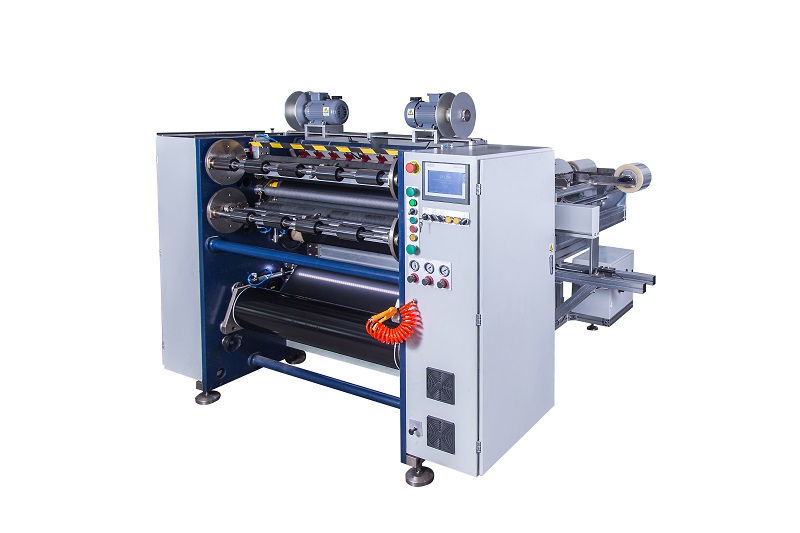 Semi Automatic Thermal Transfer Ribbon Slitter RSDS1 PLUS
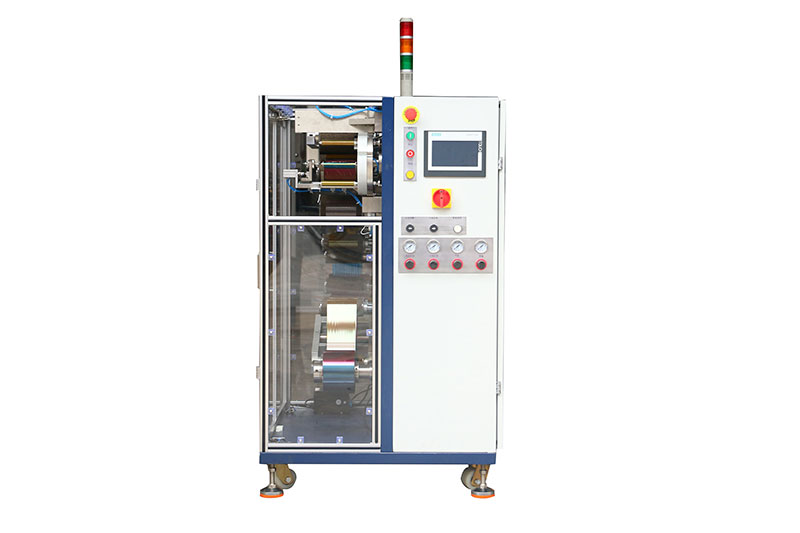 Card Print Ribbon Rewinder
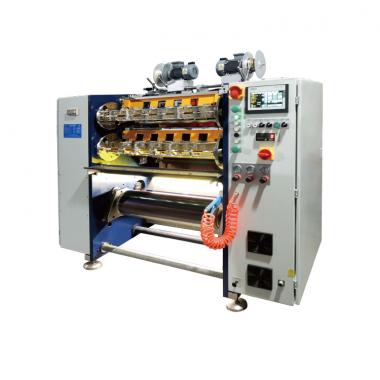 Card Print Ribbon Slitter