Abstract:
As a key consamus for barcode printing, the quality of the slitting process directly determines the printing effect and market value of the final product. In this paper, the influence mechanism of slitting speed on yield is discussed by the control variable method. It is found that the slitting speed and yield are not a simple linear relationship, but there is an "optimal economic interval". Too low a speed can lead to wrinkles caused by tension fluctuations, while too high a speed can lead to burrs, broken bands, and coating damage due to increased thermal effects and mechanical vibrations. This paper aims to provide theoretical basis and data support for ribbon manufacturing enterprises to optimize process parameters and improve yield rate.
1. Introduction
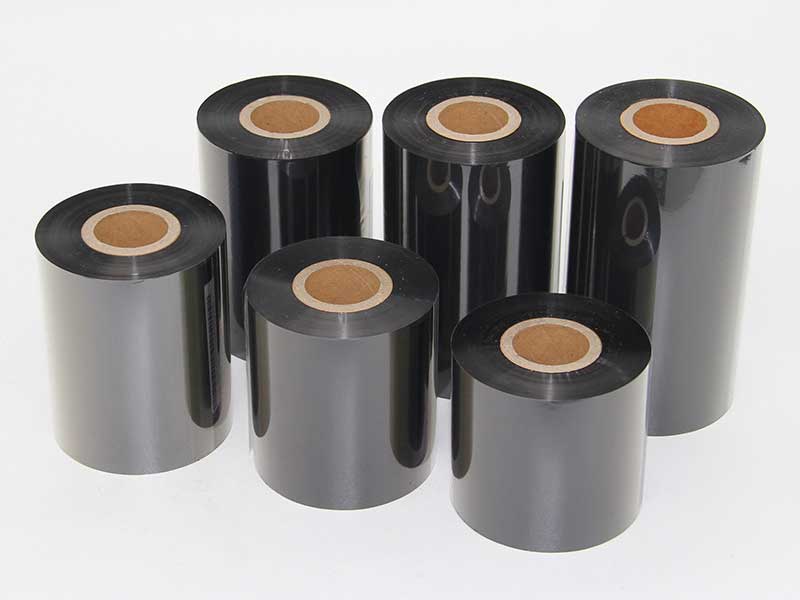
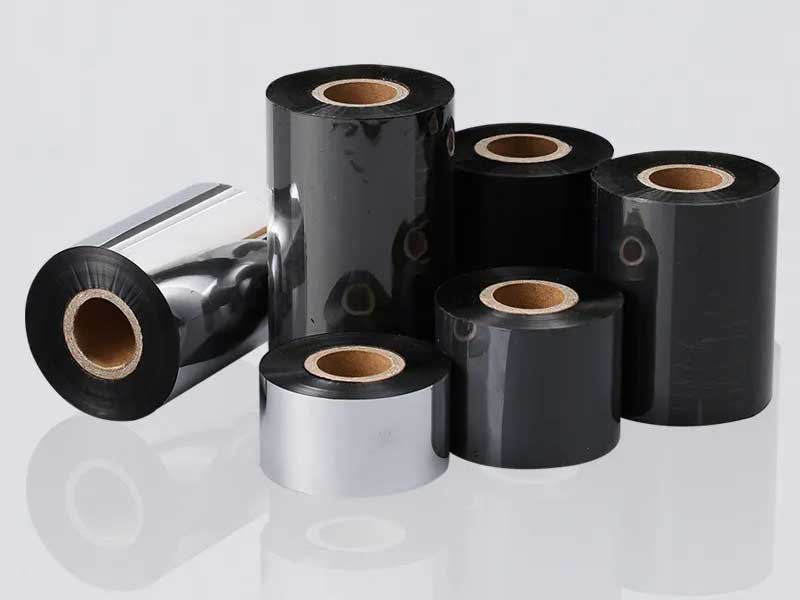
With the rapid development of logistics, medical care, e-retail and other industries, the demand for ribbons in thermal transfer printing technology is increasing year by year. Ribbons are usually composed of an extremely thin polyester film (PET, usually 4.5 μm-6.0 μm thickness) substrate, coated with a heat-resistant back coating, and a wax/resin-based ink layer.
Slitting is the last key step in the ribbon production process, and its task is to slice the wide and large coil master coils into narrow small coils according to the specifications required by the customer. The operating speed of the slitting machine (usually in the range of 100m/min-600m/min) directly determines the production efficiency, but if you blindly pursue high speed, it often leads to a sharp decline in the yield rate (yield rate), resulting in raw material waste.
Therefore, exploring the intrinsic relationship between slitting speed and yield is of great significance for balancing production efficiency and product quality.
2. Experimental equipment and methods
2.1 Experimental equipment
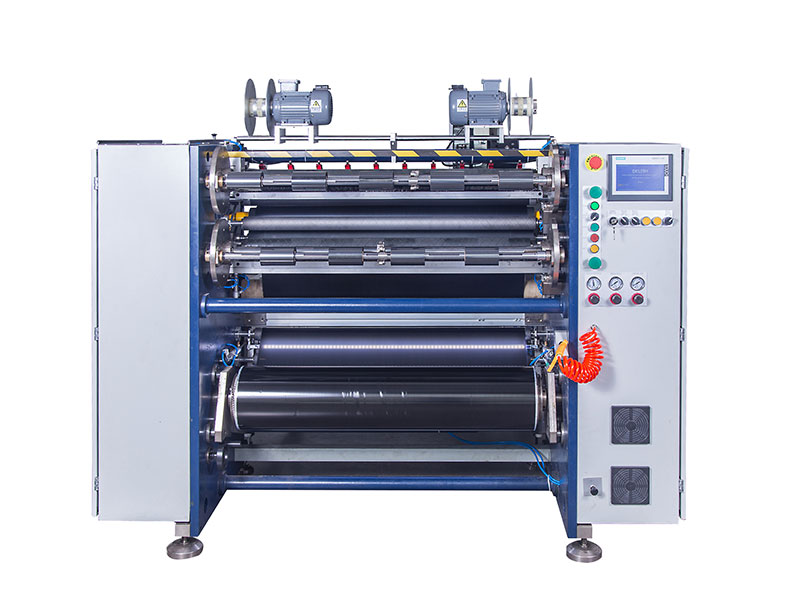
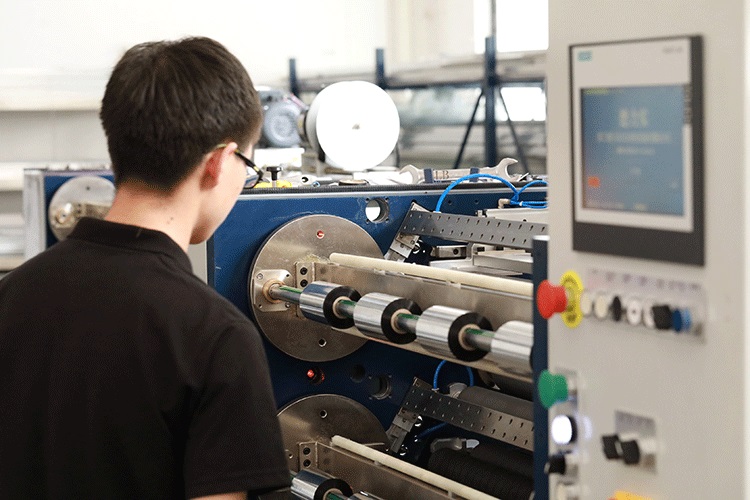
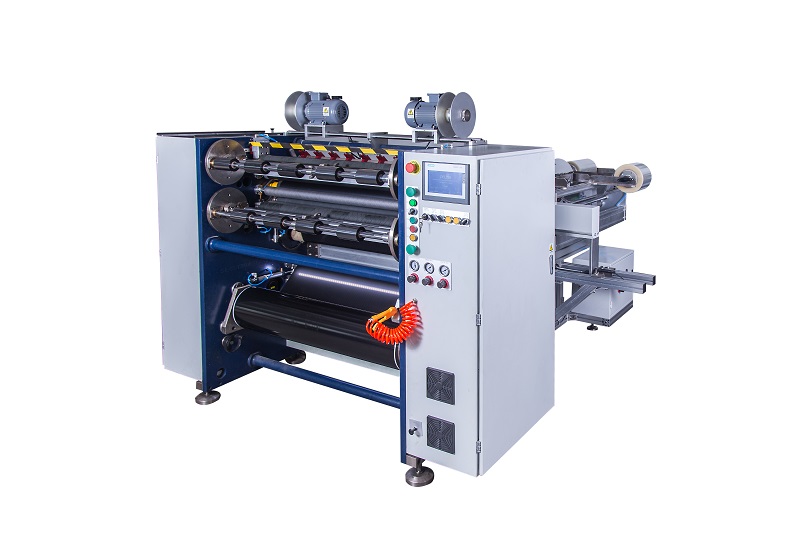
• Slitting equipment: a certain type of high-speed ribbon special slitting machine (equipped with closed-loop tension control system and ultrasonic deviation correction system).
• Material: 650mm width ribbon master coil, substrate thickness of 5.0μm (highly sensitive thin substrate), ink coating adhesion class A.
• Inspection tools: 10x magnifying glass, digital tensiometer, surface roughness tester.
2.2 Experimental methods
The slitting speed gradient is set as follows: 150 m/min, 250 m/min, 350 m/min, 450 m/min, 550 m/min.
The initial unwinding tension (25N), winding roller pressure and ambient temperature and humidity (23±2°C, 50% RH) were maintained in each group. Slitting 10 rolls continuously at each speed (specification: 110mm300m), and the yield is counted.
Yield Definition:
Among them, the unqualified products include: end face misalignment (>0.5mm), electrostatic breakdown, severe burrs, and printing broken ribbons caused by inconsistent tightness of winding.
3. Experimental results and data analysis
After the experimental data are sorted out, the relationship curve between slitting speed and yield is plotted as shown in the following table:
| Slitting speed (m/min) | Average yield (%) | Main types of defects |
| 150 | 97.2% | Slight unevenness of the end face due to slight tension fluctuations |
| 250 | 98.5% | The condition is stable and the defect rate is the lowest |
| 350 | 97.8% | Micro-burrs begin to appear, static electricity accumulates |
| 450 | 94.5% | The burrs increased, and ink scratches appeared on individual rolls |
| 550 | 88.0% | Frequent broken bands, chrysanthemum core-like hard strips on the end face, and the coating falls off |
Trend Analysis:
1. Low speed zone (< 200 m/min):</b10> Although the mechanical stability is good, the low speed leads to the prolongation of the slitting time, and the response sensitivity of the tension system decreases at extremely low speed, which is prone to "crawling", resulting in the end face neatness is slightly lower than that of the medium speed area.
2. Medium speed zone (200-350 m/min): This zone is the "golden zone". The mechanical resonance of the slitting machine was effectively suppressed, the tension control system was in the optimal response range, and the yield reached its peak (98.5%).
3. High-speed zone (>400 m/min): With the increase of speed, the yield rate shows a significant downward trend. When the speed exceeds 500 m/min, the yield drops below 90%, making it almost impossible to maintain continuous production.
4. Mechanism discussion
4.1 Mechanical vibration and cutting mechanism of cutting edge
The slitting of ribbons relies on the shearing of the film with a circular knife (or razor). When the slitting speed is increased:
• Reduced edge contact time: The interaction time between the tool and the film is shortened, requiring greater instantaneous shear forces. If the axis is poorly balanced, micro-vibrations generated at high speeds can cause high-frequency collisions between the blade and the edge of the substrate, forming "jagged edges" or "white powder" (coating particles shedding).
• Tool temperature rise: For low melting point wax-based ribbons, local high temperature will melt the ink and stick to the cutting edge, forming "accumulated edges", which will scratch the subsequent film surface and cause coating damage.
4.2 Tension coupling and deformation
The ribbon substrate is extremely thin and has a pronounced viscoelasticity.
• At low speeds: tension control is relatively simple, but too long to start the acceleration section may affect the stiffness gradient of the winding.
• At high speeds: the inertia difference between winding and unwinding increases sharply. Once the tension sensor response lags, the instantaneous tension spike stretches the substrate, resulting in the substrate "necking". When the tension exceeds the yield strength of the substrate, it can even cause banding breakage (which is the main reason for the sharp drop in yield at high speeds). In addition, during high-speed winding, air is caught between the film layers, resulting in "star-shaped" folds at the core, which seriously affects the smoothness of paper flow during printing.
4.3 Electrostatic accumulation effect
PET substrate is an insulator. The faster the slitting speed, the faster the peeling and friction speed between the film and the guide roller and the tool, and the electrostatic charge density generated increases exponentially.
• Consequences: Static electricity will not only absorb dust and cause white spot defects, but also cause mutual rejection or tight adsorption between film layers during winding, resulting in "deviation" or "adhesion". In severe cases, electrostatic breakdown will form tiny holes, which will directly lead to the scrapping of this segment of the ribbon.
5. Optimize your strategy
Based on the above research, in order to improve the yield under high-speed slitting, the following measures are recommended:
1. Set the Optimal Speed Threshold:
For ribbons with thin substrates below 5.0 μm, it is recommended to control the slitting speed between 250-350 m/min. For resin-based ribbons with a larger thickness (> 6.0 μm), an appropriate increase to 400 m/min can be appropriately increased.
2. Tension Taper Optimization:
The "variable taper tension control" strategy is adopted. As the roll diameter increases, the winding tension is automatically reduced to avoid the deformation of the core layer caused by excessive pressure on the inner and outer layers. When operating at high speeds, the "acceleration feedforward" function should be enabled to reduce tension fluctuations during acceleration and deceleration.
3. Tool System Upgrades:
Use high-precision carbide circular knives and are equipped with "whetstone automatic grinding" or "oil spray lubrication" device. By spraying a small amount of anti-stick agent (or alcohol), the coefficient of friction is reduced, the cutting heat is removed, effectively extending tool life and reducing burrs.
4. Static Elimination System:
High-frequency AC ion air rods are installed at the inlet and outlet of the slitting machine and before winding to control the electrostatic voltage within ±1kV. Experiments show that the yield can be increased from 94.5% to 96.8% at a speed of 450m/min after installing a high-efficiency electrostatic eliminator.
6. Conclusion
In this paper, the following conclusions are drawn by comparing the yield of ribbon slitting machine at different slitting speeds:
1. Slitting speed is a key sensitive parameter that affects the yield of ribbons. Too low speed (< 200 m/min) is easy to cause defective end faces due to the nonlinearity of the tension system; Excessive velocity (>450 m/min) can cause severe burrs, bandbreaks, and coating damage due to mechanical vibration, thermal effects, and electrostatic build-up.
2. There is an "optimal economic speed range" for ribbon slitting. For conventional ribbons, the recommended operating speed is 250-350 m/min, and the yield can be stably maintained above 98% in this range.
3. The key to improving high-speed slitting yield lies in multi-technology synergy: advanced closed-loop tension control, high-precision dynamic balance cutter shaft system, and efficient static elimination device.
In the context of increasingly fierce competition in the ribbon industry and rising raw material costs, in-depth study of the coupling relationship between slitting speed and yield, and finding the best balance between "efficiency" and "quality" through refined process control is the core way for production enterprises to reduce costs and increase efficiency.
 English
 Deutsch
 Français
 Español
 Português
 日本語
日本語 русский
 한국어
한국어 عربي
عربي ภาษาไทย
 Tiếng Việt
 Italiano

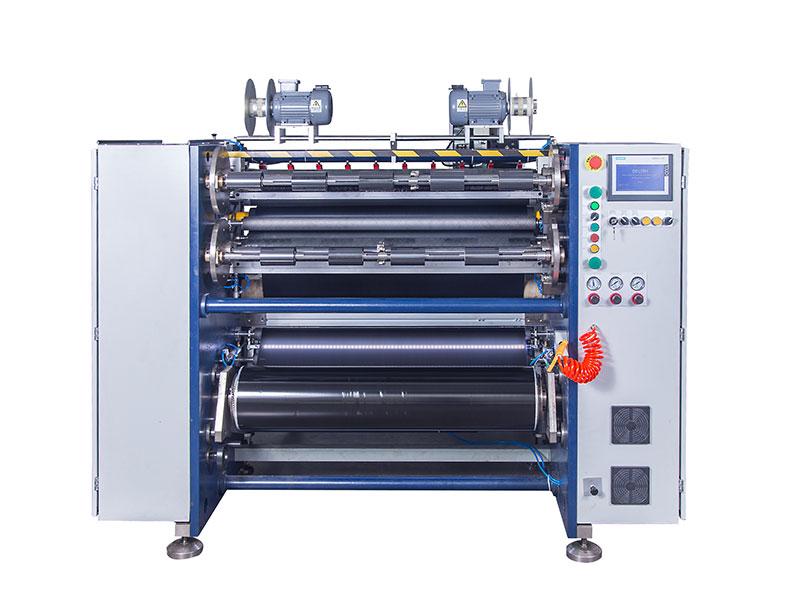 Ribbon Slitting Machine
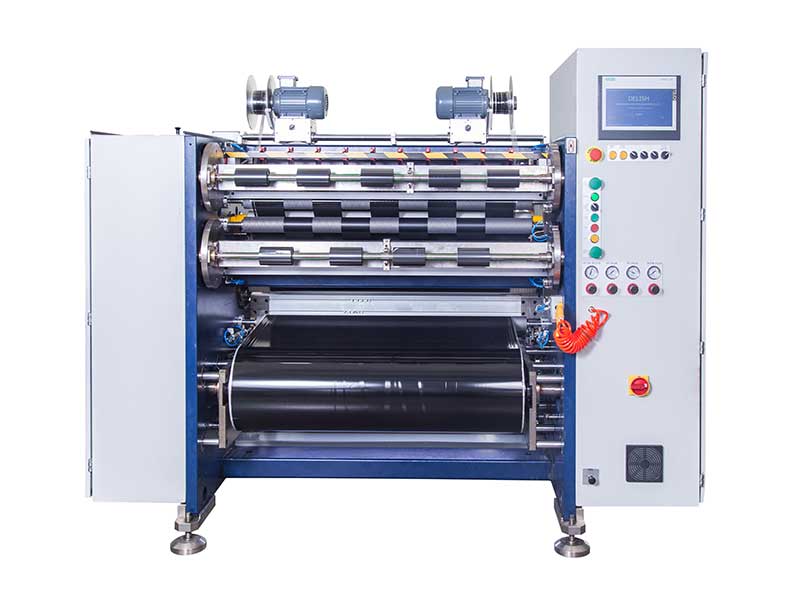 Barcode Ribbon Slitting Machine
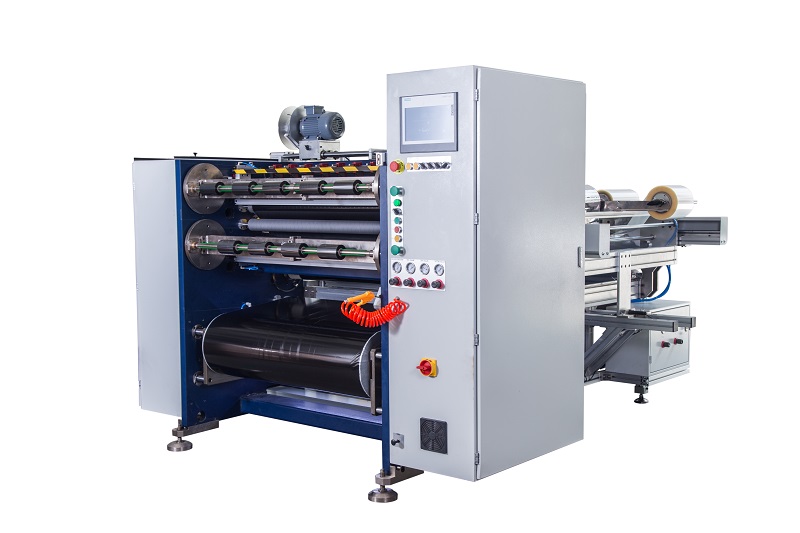 Semi Automatic Thermal Transfer Ribbon Slitter RSDS5 PLUS
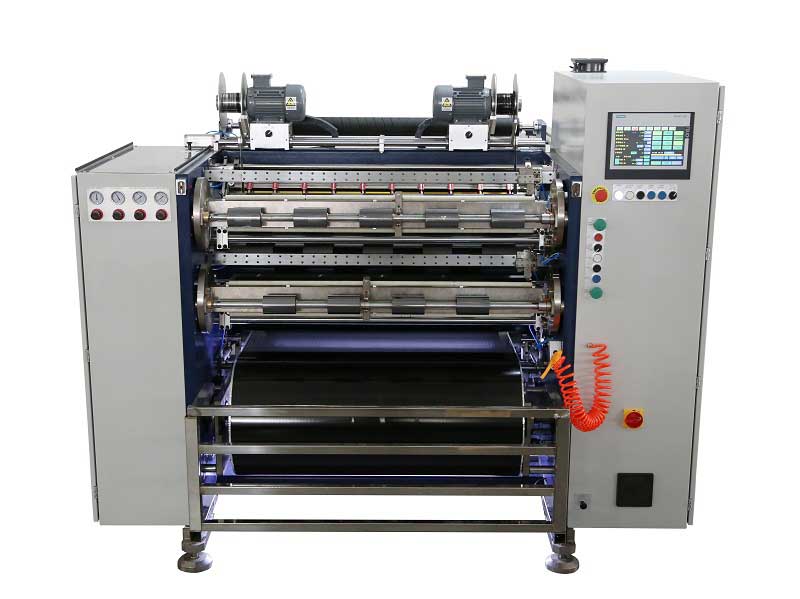 Automatic Thermal Transfer Ribbon Slitter RSDS8 H PLUS
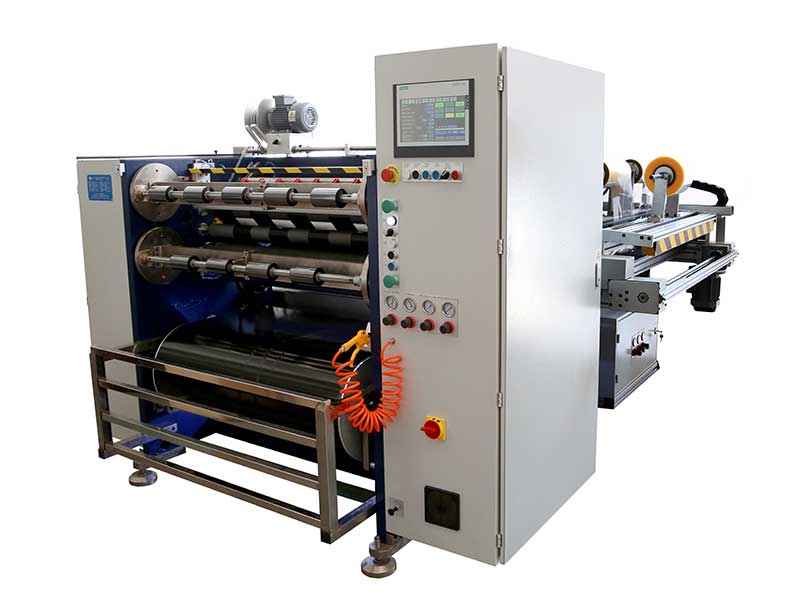 Automatic Thermal Transfer Ribbon Slitter RSDS6 PLUS
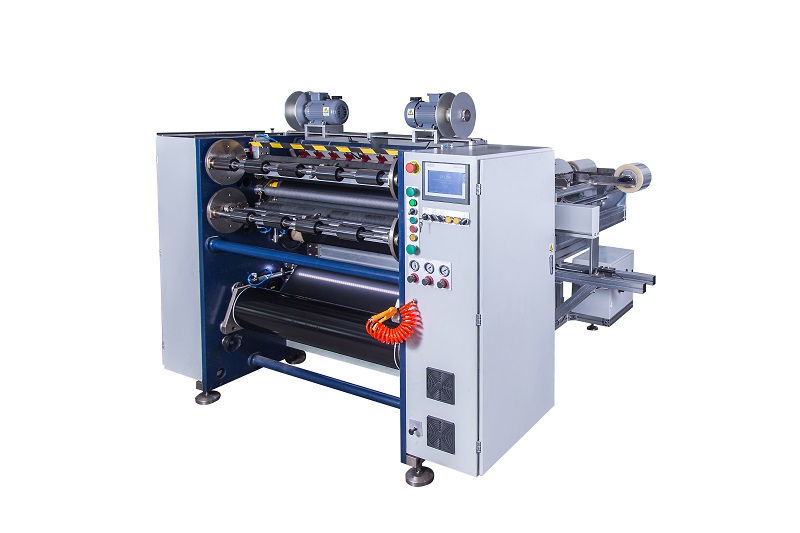 Semi Automatic Thermal Transfer Ribbon Slitter RSDS1 PLUS
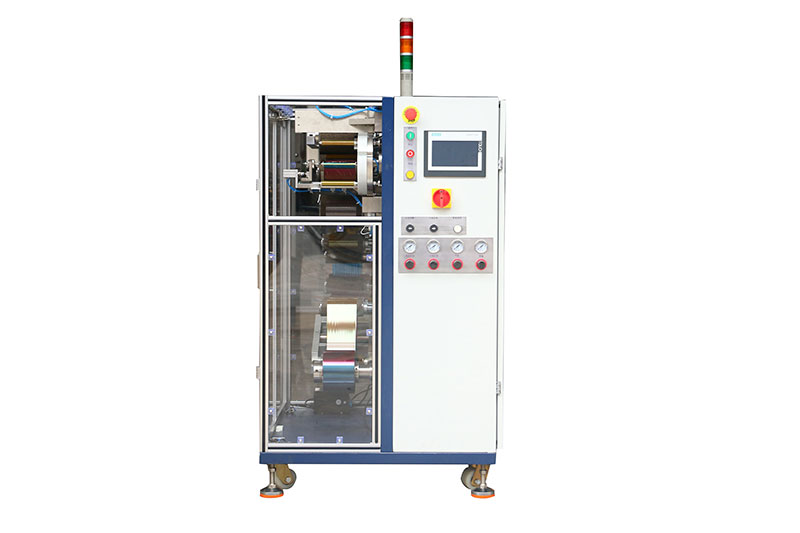 Card Print Ribbon Rewinder
 Semi Automatic Thermal Transfer Ribbon Slitter RSDS2 PLUS