In the hot stamping workshop of cigarette packs, wine boxes, and cosmetic packaging, there is an account that is rarely put on the countertop and calculated: how much of the valuable hot stamping foil is really used in products, and how much of it has silently become waste for slitting edges, or the last few meters on the core of the coil that cannot be used?
This is a neglected profit black hole. A roll of imported hot stamping foil often costs thousands of yuan. In the traditional slitting method, in order to ensure the tension stability and neat winding, it is often necessary to reserve a wide process margin, and at the same time, due to the accuracy of the equipment, the residual material of the winding is often forced to be scrapped due to uncontrolled tension. Together, these losses often account for 20% or more of the entire roll of material.
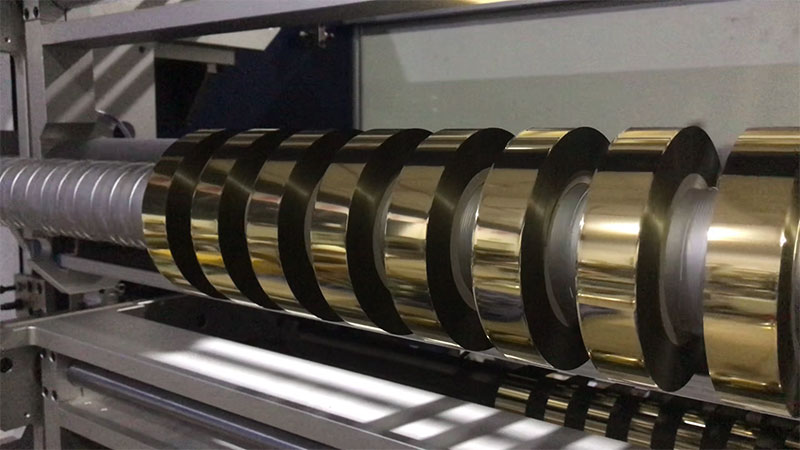
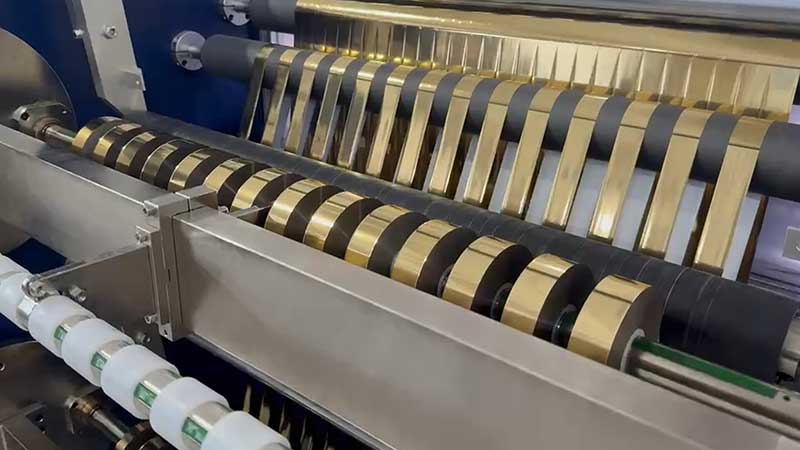
But now, that number is being rewritten. The secret of saving 30% of materials is hidden in those seemingly ordinary hot stamping foil slitting machines. It is not a black technology that fell from the sky, but a set of system engineering of precision calculation.
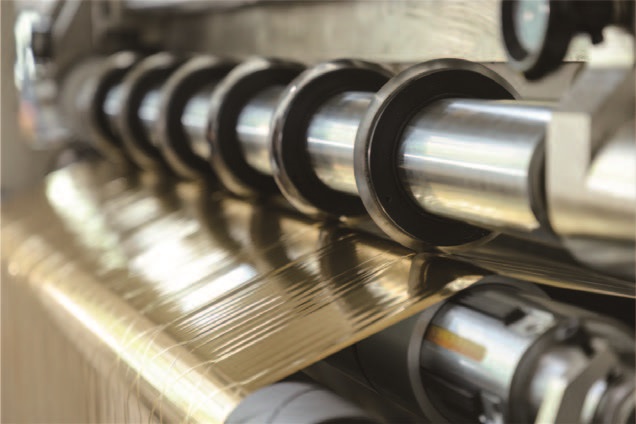
Secret 1: The "gram-level revolution" of tension control
Traditional slitting machines rely on mechanical brakes or simple magnetic powder clutches to control tension, resulting in lag in response, especially when the winding diameter is constantly changing, with sharp tension fluctuations. To cope with this fluctuation, operators had to reserve more margins.
The new generation of high-precision slitting machine introduces a closed-loop tension control system. The sensor monitors the foil tension in real time and dynamically adjusts it at millisecond speed via servo motor. This means that tension fluctuations are controlled within ±2N from full to empty rolls, from start to emergency stop. The tension is stable, the slitting edges are neat, and the winding end face is flat, allowing the previous "stable" process margins to be compressed to the extreme. Don't underestimate this millimeter-level compression, which accumulates to a considerable material saving.
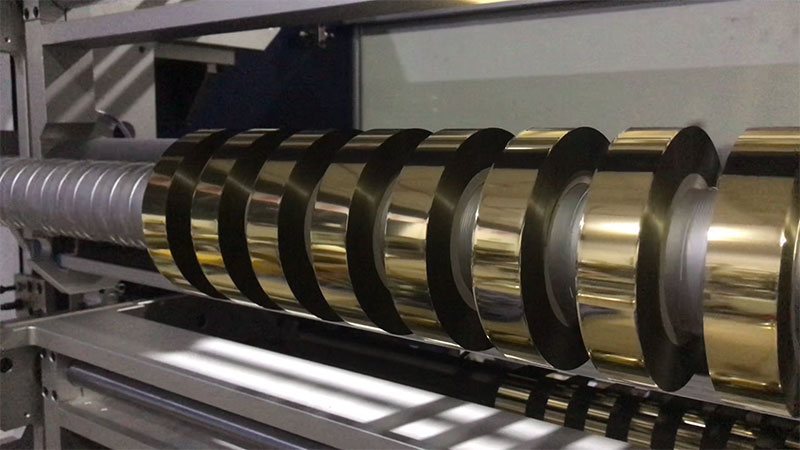
Secret 2: The "end war" of winding flatness
Hot stamping foil is an ultra-thin film that is most afraid of wrinkles and indentations caused by uneven reeling. Once there is a "loose inside and tight outside" or "plum cake" type winding, the inner foil may be deformed due to extrusion, and it cannot be used on the high-speed hot stamping machine at all, and can only be downgraded or scrapped.
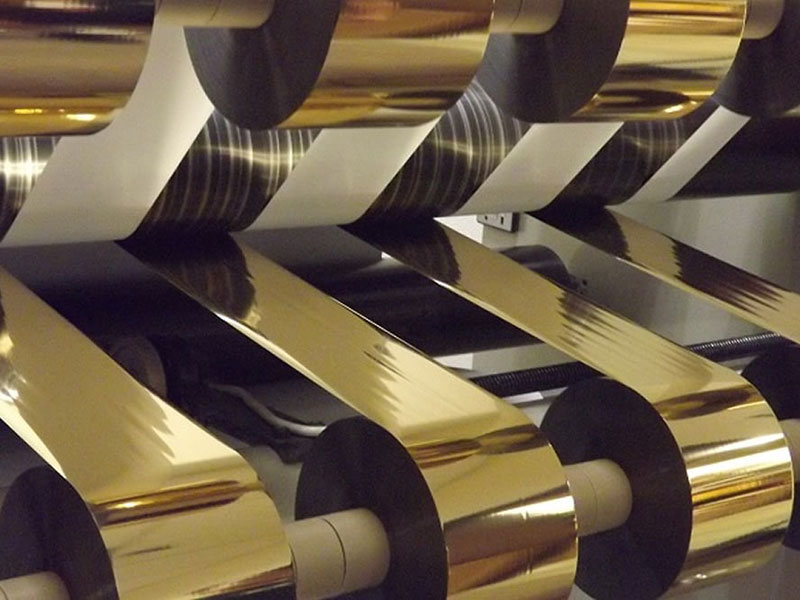
The precision pressure roller design and independent tension detention curve control in the slitting machine solve this problem. The perfect "taper tension" is simulated by algorithms, so that each layer of foil is attached to the core at the most appropriate pressure, neither loose nor too tight. A perfect winding end face is the physical basis for maximizing material utilization.
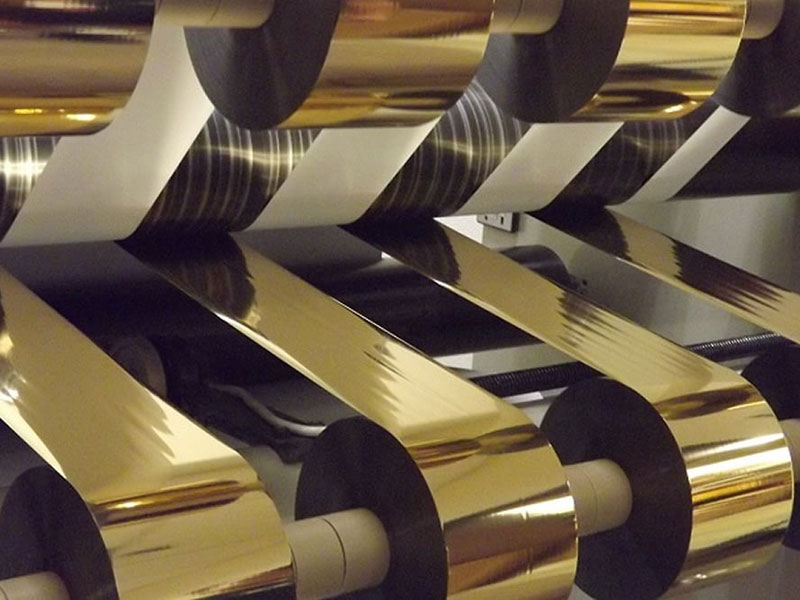
Secret 3: The "last meter" of leftover material management
This is probably the most intuitive point of material saving. When the diameter of the core is still 50 mm, traditional machines often have to stop the machine to change the coil because the tension system is difficult to control, and the remaining tens or even hundreds of meters of foil become "dead material".
The new slitting machine can push this limit down through low-tension control technology and accurate calculation of small coil diameters. It allows the foil to be used almost completely to the last metre until the core diameter is reduced to the limit. At the same time, with automatic film bonding or shutdown warning, the waste of "roll base" is greatly reduced. The extra tens of meters are pure profits.
From millimeter-level margins to millimeter-level tension, from flat end faces to clean cores, every improvement is contributing to the 30% material-saving goal. When a slitting machine is armed with a precise control system and a precise mechanical structure, it is no longer a simple slitting tool, but a profitable excavator.
For hot stamping enterprises, replacing a high-precision slitting machine is not only an update of equipment, but also a complete liquidation of invisible waste in the production process. Those that were once regarded as inevitable wear and tear are now being reclaimed by technology little by little.
 English
 Deutsch
 Français
 Español
 Português
 日本語
日本語 русский
 한국어
한국어 عربي
عربي ภาษาไทย
 Tiếng Việt
 Italiano
 Cold Foil Slitter
 Card Print Ribbon Rewinder
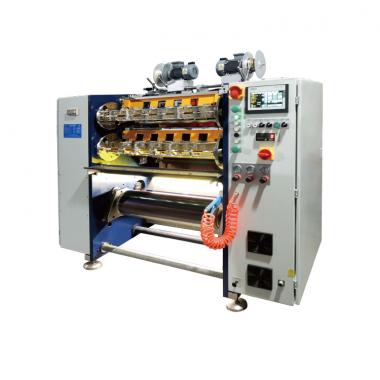 Card Print Ribbon Slitter
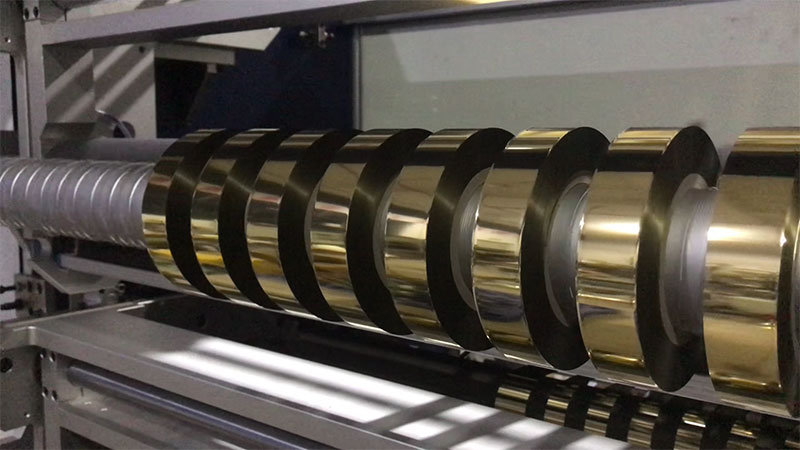 Holographic Foil Slitter
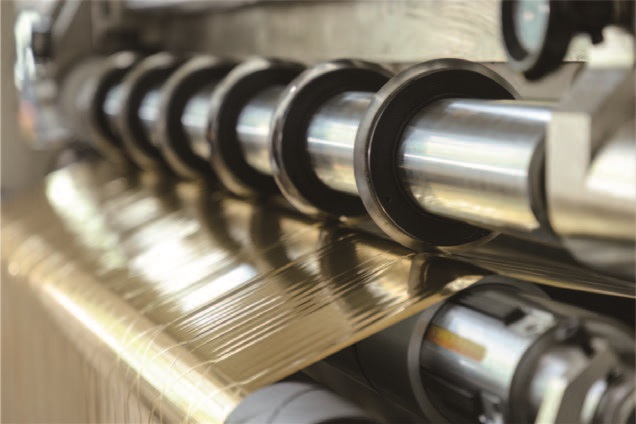 Hot Stamping Foil Slitting Machine
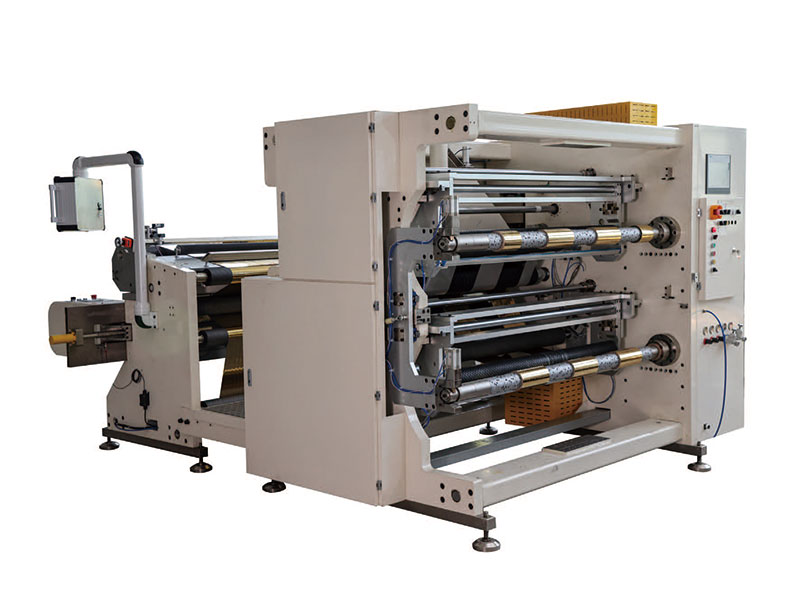 Hot Stamping Foil Slitter (RSDS7H) 1350
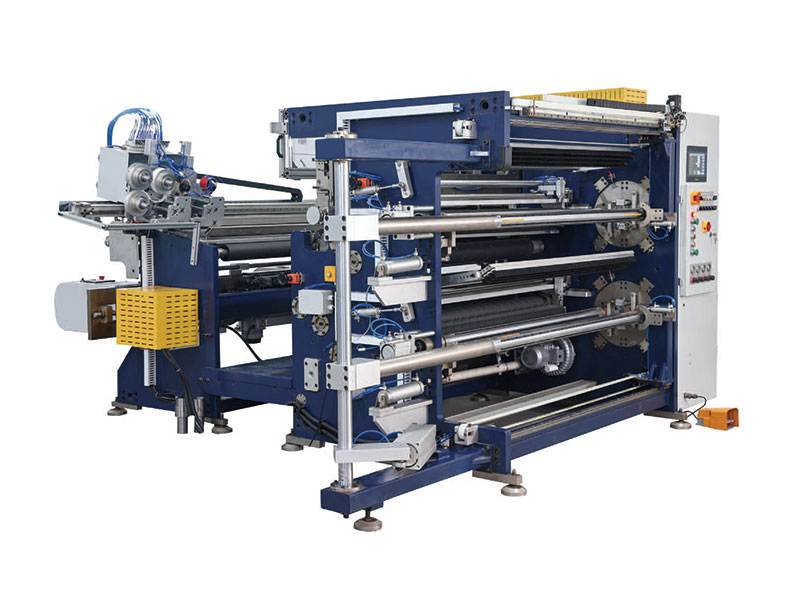 Hot Stamping Foil Slitter RSDS7H 1350 PLUS