1. Industry pain points in scrap edge trimming
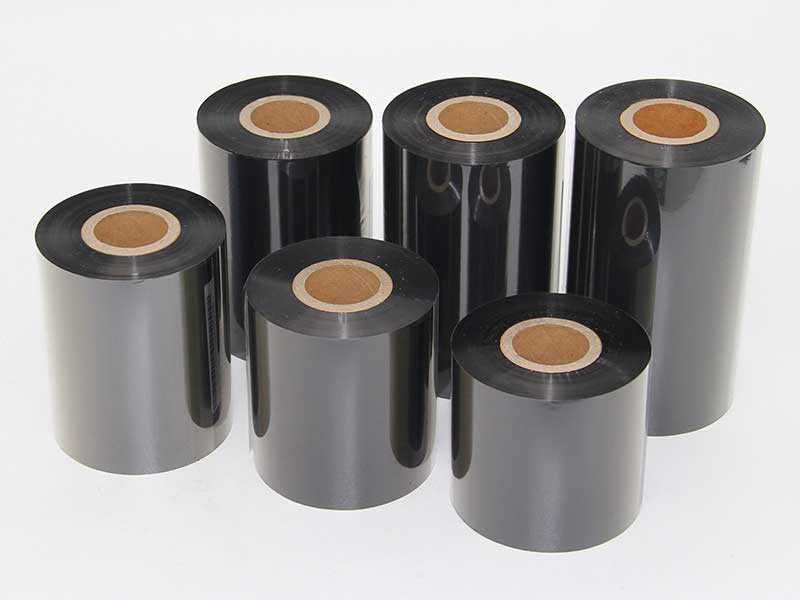
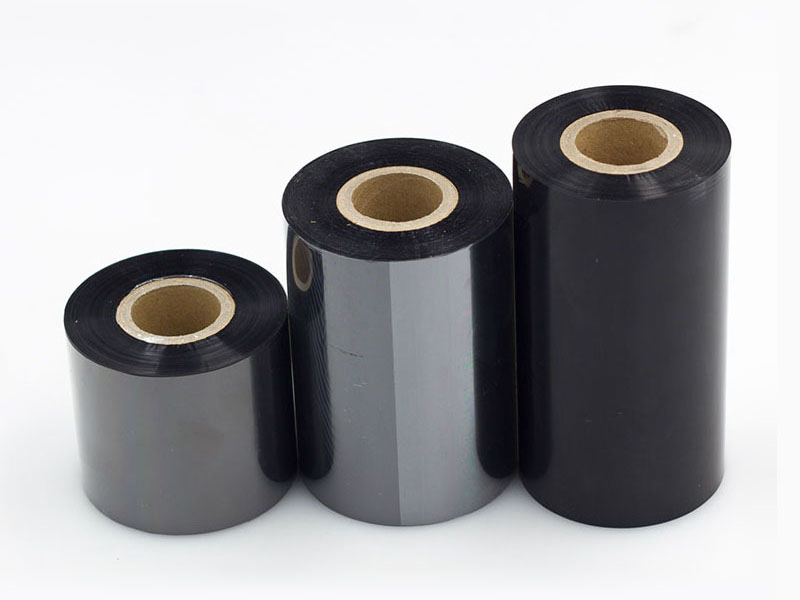
During the cutting process of the ribbon (heat transfer ribbon), the main roll of the large roll is cut into several narrow rolls, and both sides often produce scrap edges usually 2-5mm wide. If this waste is not collected promptly and orderly, it often gets entangled on the spindle or drive rollers, causing equipment downtime for cleaning—a single cleaning session may take more than half an hour, seriously affecting production efficiency. Traditionally, some companies rely on manual cleaning of waste piled up on one side of the workbench or fallen on the floor, which is not only inefficient but also consumes a lot of manpower.
This seemingly auxiliary step is actually the key link in whether the slitting machine can operate continuously and stably. For this reason, the structural design and system integration of waste edge binding devices have become important topics in the development of ribbon slitting equipment.
2. Core structure of the edge rearing device: quick-release material collection tray design
An authorized utility model patent discloses a waste edge trimming device specifically designed for ribbon slitting machines. This device consists of a base fixed to the frame, a collecting tray, and a drive motor, with its design highlights focusing on the structural innovation of the collecting tray.
The receiving tray uses a combination of fixed and movable trays: the fixed plate is fixed to the drive shaft, while the movable plate is sleeved on the fixed shaft through axial through holes and can slide along the axis. This structure allows operators to flexibly adjust the winding space of the pan according to the width of the waste roll, adapting to different slitting tasks.
Even more ingenious is the quick-lock and disassembly mechanism. Several radially slidable clamping blocks are distributed around the fixed shaft, and the inner wall of the movable plate through hole is provided with corresponding slots. By using an adjustment mechanism inside the fixed shaft to drive the clamping block to extend and retract, operators can install and remove the movable disc without additional tools. Specifically, the adjustment mechanism includes a turntable arranged rotatably inside the adjustment chamber, with protrusions corresponding to the clamping block distributed circumferentially on the turntable, and an inclined surface on the bumps; When the turntable is rotated, the inclined surface pushes the clamping block radially out, locking it into the slot of the movable disc. This design greatly simplifies the replacement of waste coils and reduces downtime assistance.
Additionally, the device is equipped with an axial guide groove on the side wall of the fixed shaft, and a guide block is installed on the inner wall of the movable disc through hole. The two work together to ensure accurate alignment between the slot and the clamping block during installation. The clamping block itself is also designed with a sliding slope, allowing the movable disc to smoothly slide over the clamp block to reach the preset position during installation.
3. Tension control: The key to stable winding of waste edges
Structural design alone cannot fully solve the problem of scrap edge trimming. During high-speed operation of ribbon slitting, tension control during waste edge winding directly affects winding quality and operational stability.
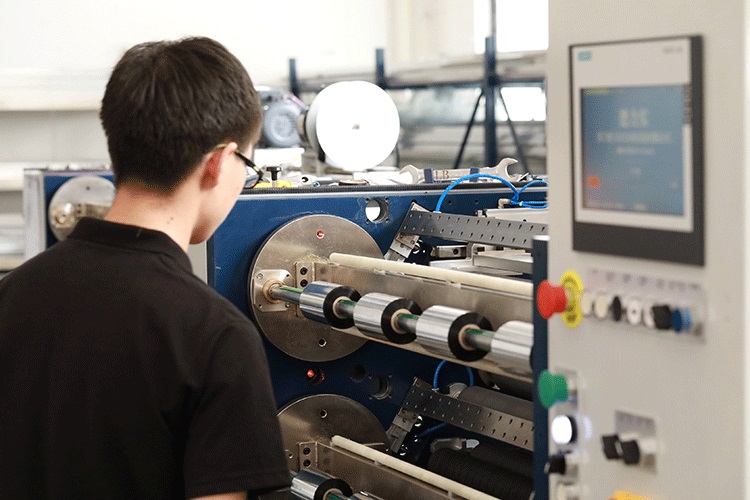
Traditional methods mostly use torque motors for speed control, but this method struggles to accurately match changes in slitting speed, often causing scrap edges to fold and twist due to loose tension, or to break due to overtightness. The optimization plan is to change waste edge winding from "speed control" to "tension control": using an independent servo motor to drive the waste edge winding shaft, equipped with a floating roller tension detection device, allowing the waste discharge system to respond in real time to changes in slitting speed and maintaining constant waste edge tension.
This approach was already reflected in earlier ribbon slitting machine designs. A patent document published in 2009 shows that its waste winding mechanism uses a magnetic powder clutch to control two waste winding shafts on the left and right, with the same goal of making the waste winding smooth and less likely to break. From magnetic particle clutches to servo motor drives, technology is iterating, but the core logic of "precise tension control" runs throughout.
4. Integrated upgrade of waste disposal systems
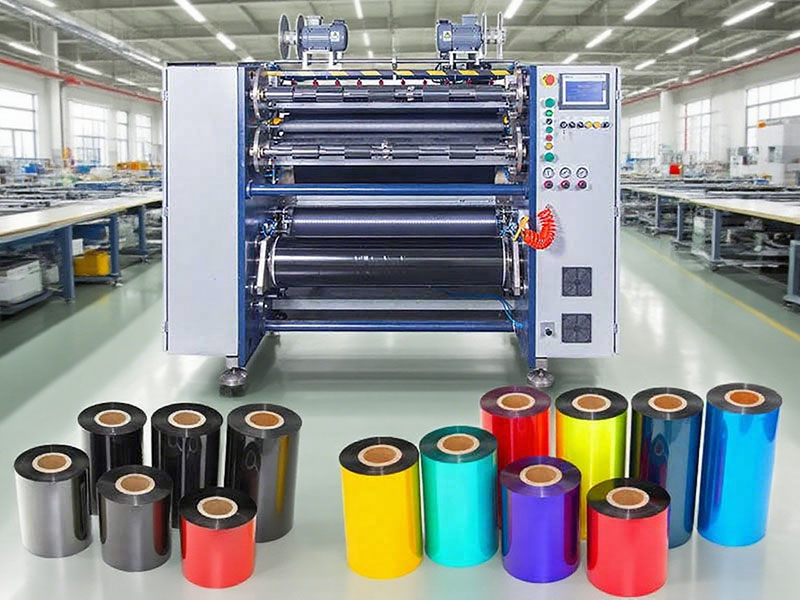
In recent years, the design concept of waste disposal systems has been shifting from "passive winding" to "active traction + negative pressure conveying." Fully enclosed negative pressure pipelines are introduced into the waste edge conveying process: trumpet-shaped waste edge suction ports are set on both sides of the knife groove rollers, and the negative pressure generated by high-pressure fans instantly "draws" the freshly cut waste edge into the pipeline. This design physically isolates waste edge wire from the transmission components, fundamentally eliminating the risk of entanglement. At the same time, the airflow speed of 20-30 m/s inside the pipeline quickly transports waste edge to the collection box, preventing accumulation around the machine.
Dust removal issues are also closely related to waste disposal systems. Micro-dust generated by ribbon slitting may adhere to the finished product surface due to electrostatic adsorption, causing printing defects. The current solution is to install an AC static neutralization system at the front end of the slitting station and the front section of the winding section, eliminating static electricity on the ribbon surface and reducing dust adsorption.
5. From Edge Finishing to Waste Reduction: Technical Extension and Outlook
The value of the scrap edge finishing device lies not only in "neatly collecting," but also in supporting the continuous operation of the entire slitting production line and improving material utilization. Relevant data shows that using carbon ribbon slitting equipment optimized for waste discharge systems can reduce the waste rate from the traditional 8% level to below 1.2%.
More cutting-edge "zero-waste slitting" technology is exploring ways to reduce scrap edges at the source—by using dynamic laser positioning and AI width optimization, slitting accuracy is improved from mechanical positioning ±0.5mm to ±0.05mm, eliminating the waste edges reserved for "safety margin." However, in terms of current mainstream processes, the generation of scrap edges remains an inevitable companion phenomenon, which means that waste edge finishing devices will continue to play an indispensable role.
From structural innovations on patent drawings to system solutions integrating negative pressure conveying and tension control, the evolution of the ribbon slitting machine's waste edge binding device reflects the process of slitting auxiliary processes moving from "overlooked corners" to refined, intelligent management.
 English
 Deutsch
 Français
 Español
 Português
 日本語
日本語 русский
 한국어
한국어 عربي
عربي ภาษาไทย
 Tiếng Việt
 Italiano

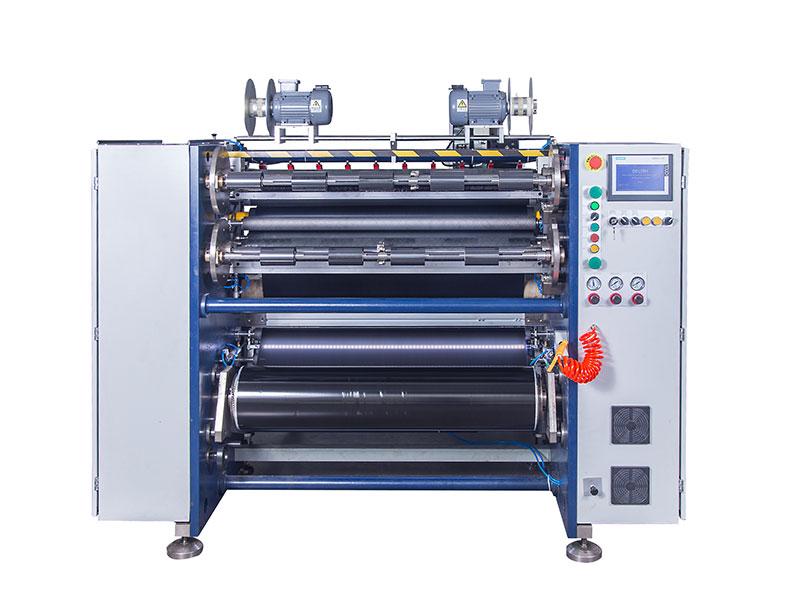 Ribbon Slitting Machine
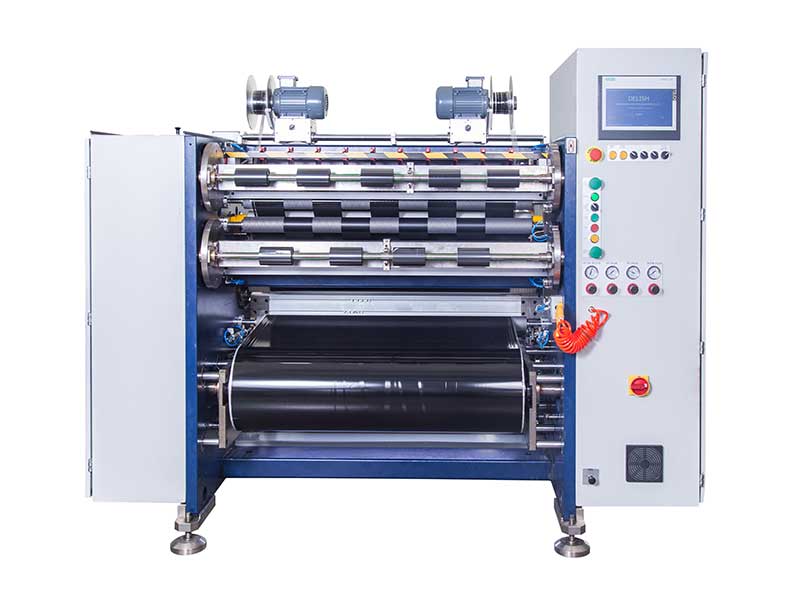 Barcode Ribbon Slitting Machine
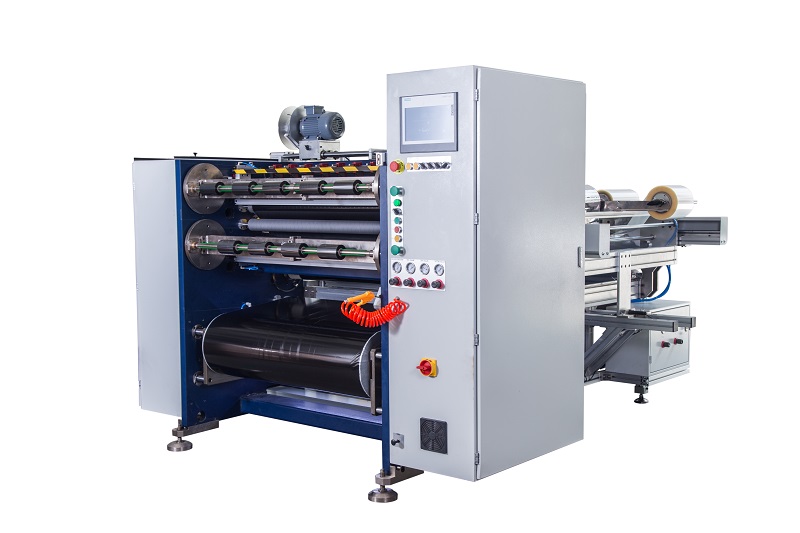 Semi Automatic Thermal Transfer Ribbon Slitter RSDS5 PLUS
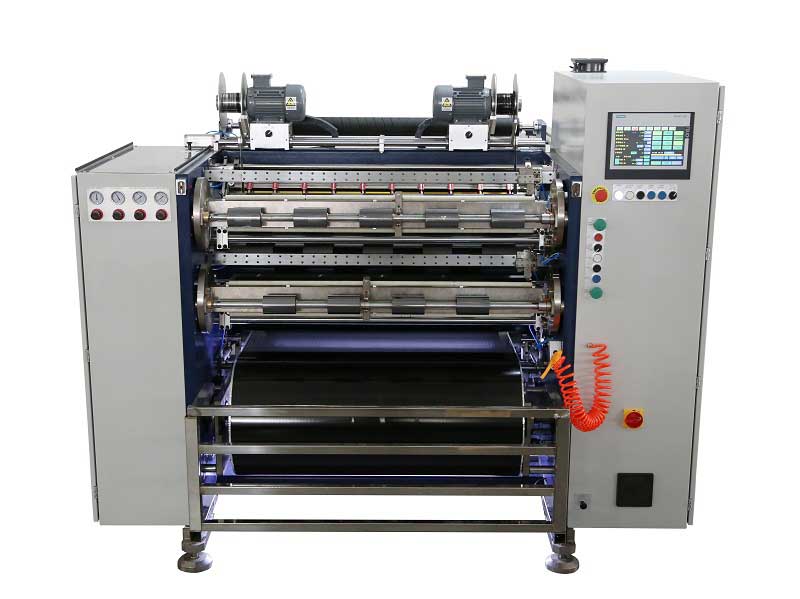 Automatic Thermal Transfer Ribbon Slitter RSDS8 H PLUS
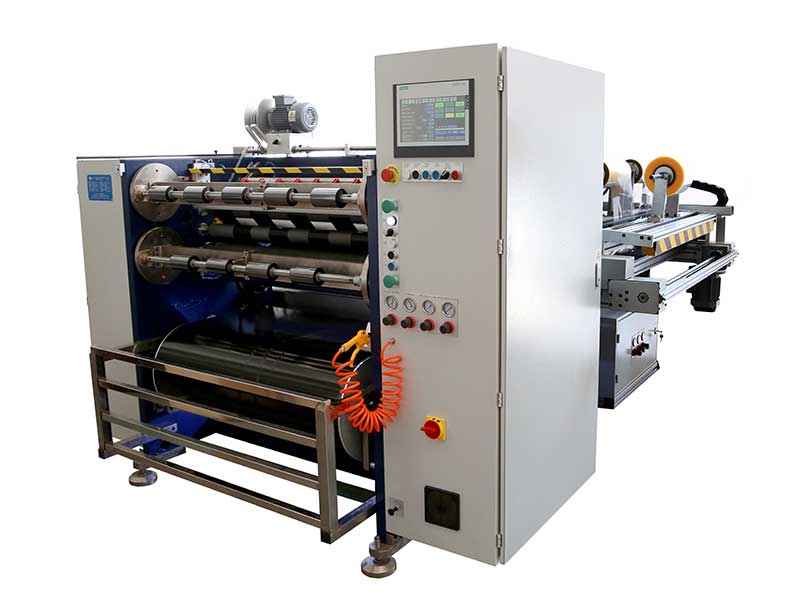 Automatic Thermal Transfer Ribbon Slitter RSDS6 PLUS
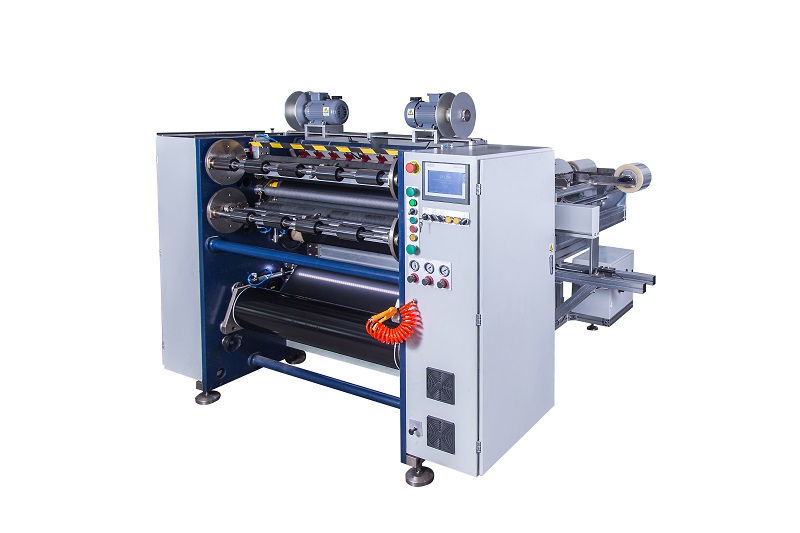 Semi Automatic Thermal Transfer Ribbon Slitter RSDS1 PLUS
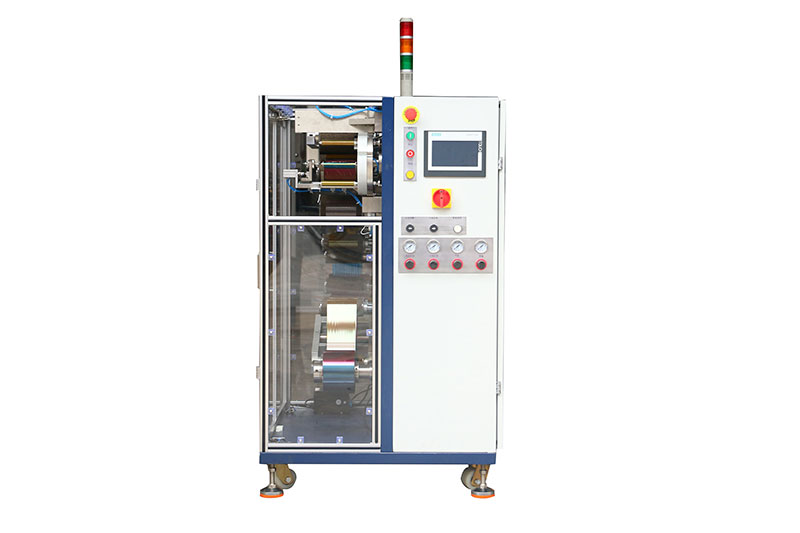 Card Print Ribbon Rewinder
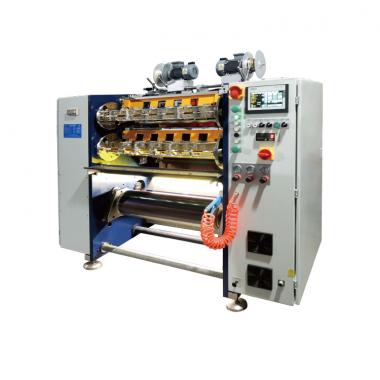 Card Print Ribbon Slitter