In the production costs of heat transfer ribbons, material loss, energy expenditure, and labor input during the slitting stage are often tacitly accepted under the pretense of "necessary cost." However, when ribbon thickness is only 4-20μm and slitting precision is required to reach the micron level, every tension fluctuation, every order change, and every piece of equipment idling erodes the company's profit margins. The cost reduction and efficiency improvement of ribbon slitting machines is essentially a transformation from experience-dependent to data-driven, and from single-machine optimization to system collaboration.
Material waste: a cost black hole hidden in operational details
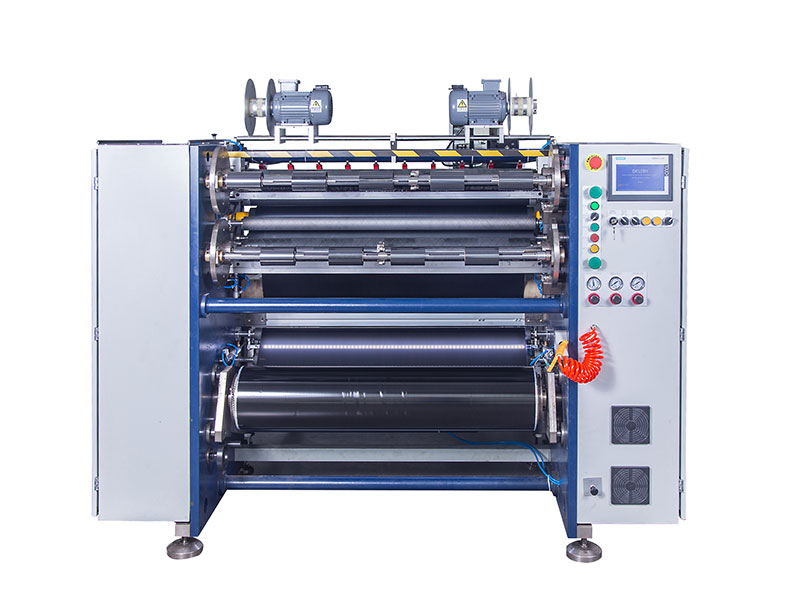
The material loss rate in the slitting stage is usually between 3% and 5%, and this invisible expense is often attributed to the "industry normal." But a deeper analysis reveals that waste is concentrated in three controllable areas.
Order exchange operations are the biggest material loss point. Each time the master roll is replaced, from shutdown and film penetration to restabilizing slitting, the transition section usually requires 5-15 meters of carbon ribbon as a sacrifice. If companies default to a 20-meter transition length, each order consumes 12 meters of additional material. Determining the minimum stable transition length for equipment through testing and setting it as a standard is a zero-cost improvement action.
The choice of splicing method also has a significant impact. By using butt joints instead of overlap joints and using specialized low-substrate tapes with widths not exceeding 5mm, the length that must be cut due to unusable splicing sections can be greatly reduced. A more economical approach is to use leftover defective material from the previous order or scrapped ribbon as the lead material for new orders, avoiding using genuine materials for initial film penetration for every order—especially suitable for small orders with frequent changeovers.
Belt breakage and stretching caused by improper tension are another type of hidden waste. Ribbon is highly sensitive to tension: excessive tension causes the PET base film to stretch, causing the width to shrink after slitting and resulting in inaccurate dimensions; If the tension is too low, the material becomes loose, wrinkles, and uneven in rolling. Traditional slitting machines use magnetic powder clutches to control tension, resulting in delayed response and fluctuations of up to ±10%, directly causing batch scrapping after belt breakage. Tension control has been upgraded from open-loop to closed-loop servo systems, compressing tension fluctuations from ± 1.8N to within ±0.25N, reducing start-stop tape waste from an average of 5.2 meters per roll to 1.1 meters per roll.
Energy Consumption Optimization: From overlooked fixed expenses to quantifiable savings
Energy consumption accounts for a small proportion of the ribbon slitting cost structure, but precisely because it is "inconspicuous," there is a lack of systematic optimization measures.
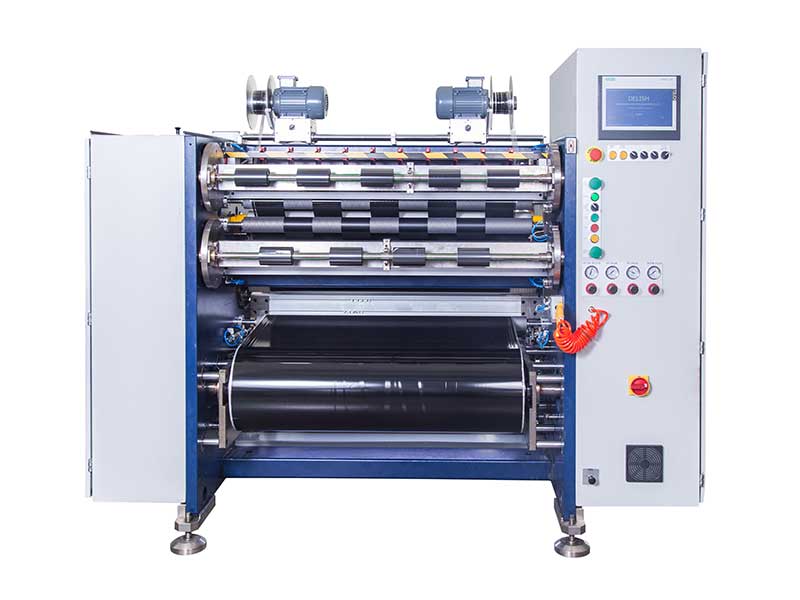
The main energy consumption of traditional slitting equipment is not driven by the main motor, but by ineffective losses from auxiliary systems. Magnetic powder brakes consume power at full load regardless of the ribbon coil diameter. By using direct drive of servo motors combined with closed-loop control of real-time tension sensors, the tension control unit can save 65% in electricity. Combined with supercapacitor energy storage modules for braking energy recovery, the overall energy saving effect can reach 30%-40%.
The low-resistance design of the mechanical structure also contributes significantly. The lightweight tool shaft material can reduce rotational inertia by 37%, and the oil-free self-lubricating guide rail lowers the friction coefficient from 0.12 to 0.04. These seemingly minor improvements combined save nearly 23,000 yuan in electricity costs per unit annually, while the lifespan of bearings and guide rails is extended to 40,000 hours, with maintenance costs decreasing simultaneously.
Manual efficiency: Automation does not replace people, but frees them up
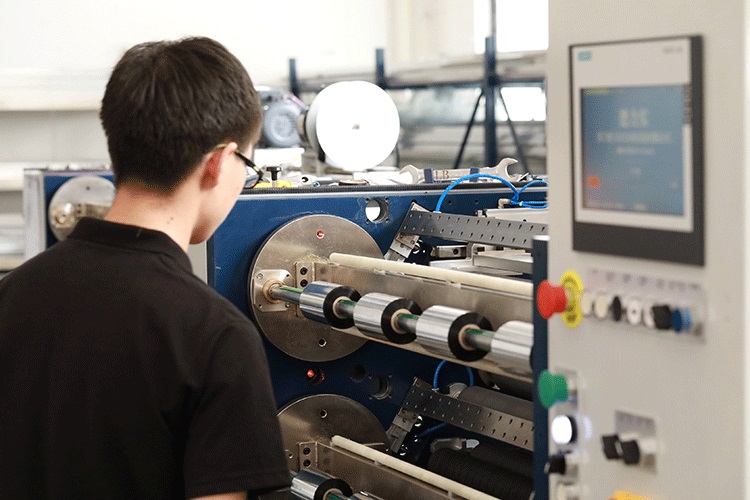
Traditional slitting workshops' reliance on skilled operators is becoming a bottleneck restricting efficiency and quality. Each specification change requires stopping the machine to reset parameters, with about 20 minutes of adjustment; Product quality heavily depends on the experience and condition of operators; Key data relies on manual recording, making it difficult to trace and analyze.
The core logic of intelligent upgrades is "transforming experience into data and embedding data into systems." By presetting recipe parameters, one-click call during order changeover, reducing setup time from 20 minutes to 5 minutes. The automatic correction device and visual inspection system identify edge defects in real time, raising the slitting yield rate to over 99.5%, shifting manual attention from "close watch" to "monitoring." After completing the intelligent transformation of the slitting machine, a medium-sized enterprise reduced the number of operators per shift from 4 to 2, saving about 320,000 yuan in annual labor costs, with a total payback period of only 14 months.
System integration: a multiplier for cost reduction and efficiency improvement
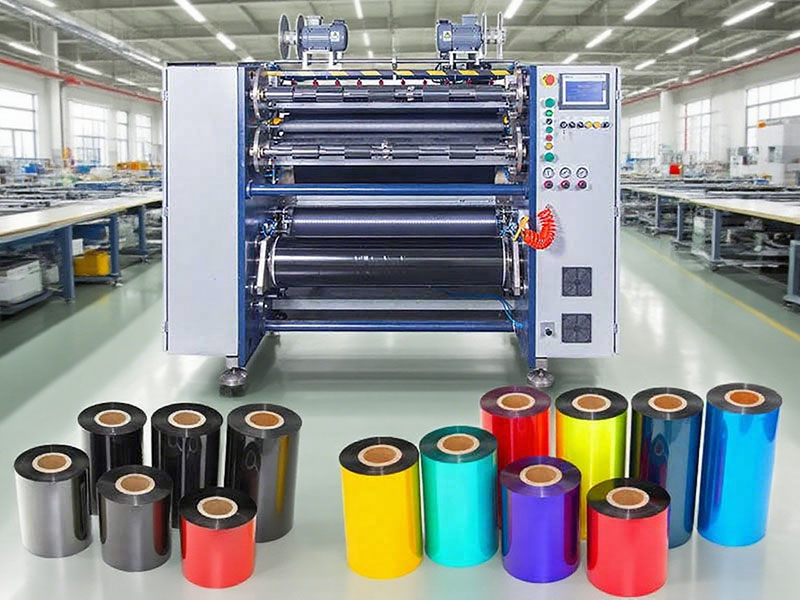
Single-machine optimization is fundamental; system collaboration is the key to maximizing benefits. Once the slitting machine is connected to the MES system, production data is uploaded in real time, and dynamic scheduling can automatically adjust plans based on equipment status, reducing changeover time by more than 30%. Automated AGV handling and intelligent warehousing integration further connect the entire process from cutting to packaging, doubling per capita production capacity.
The next five years will focus on "unmanned slitting workshops": automatic correction based on machine vision, AI-driven tool wear prediction and automatic replacement, and digital twin-supported virtual debugging will increase overall equipment efficiency from the current average of 65% to over 85%. These technologies are not out of reach; some have already been validated in leading companies.
Conclusion
There is no shortcut to cost reduction and efficiency improvement for ribbon slitting machines. It requires enterprises to review the entire chain from operational details (order change transition length), equipment performance (tension control accuracy), energy management (servo system upgrades), to system integration (MES integration). More importantly, most of these improvements have clear investment return cycles and are not purely capital expenditures. In an industry environment where profit margins continue to narrow, seeking efficiency through the segmentation stage may be the most controllable source of competitiveness for companies.
 English
 Deutsch
 Français
 Español
 Português
 日本語
日本語 русский
 한국어
한국어 عربي
عربي ภาษาไทย
 Tiếng Việt
 Italiano

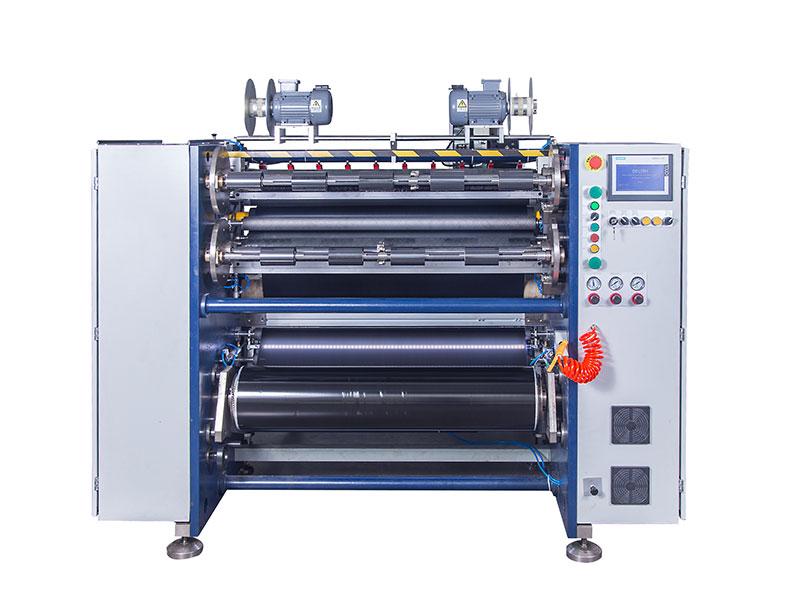 Ribbon Slitting Machine
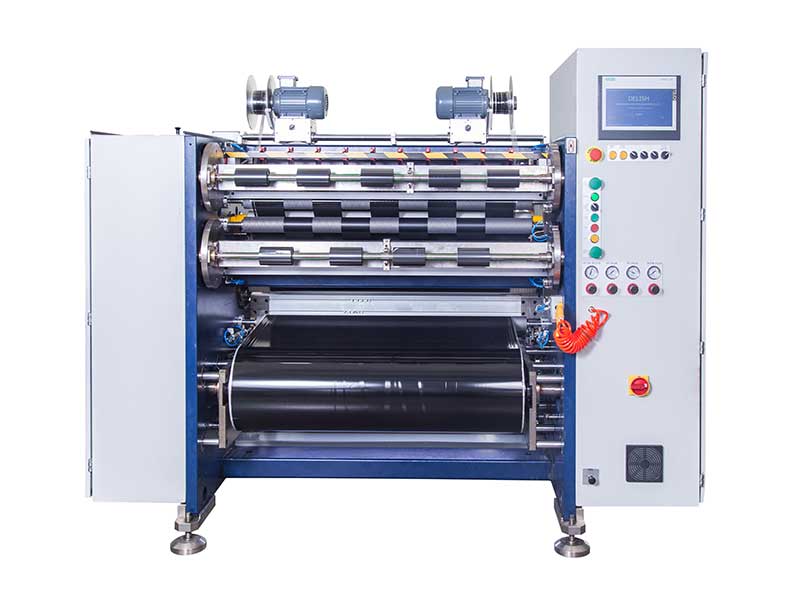 Barcode Ribbon Slitting Machine
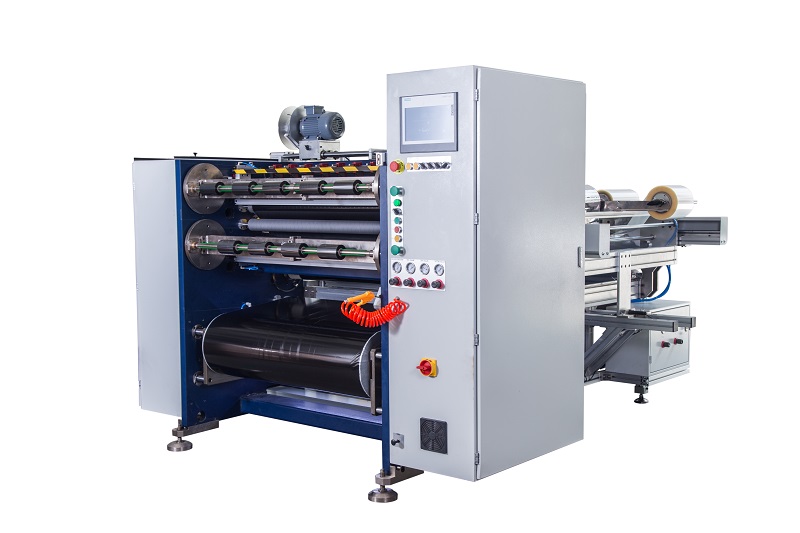 Semi Automatic Thermal Transfer Ribbon Slitter RSDS5 PLUS
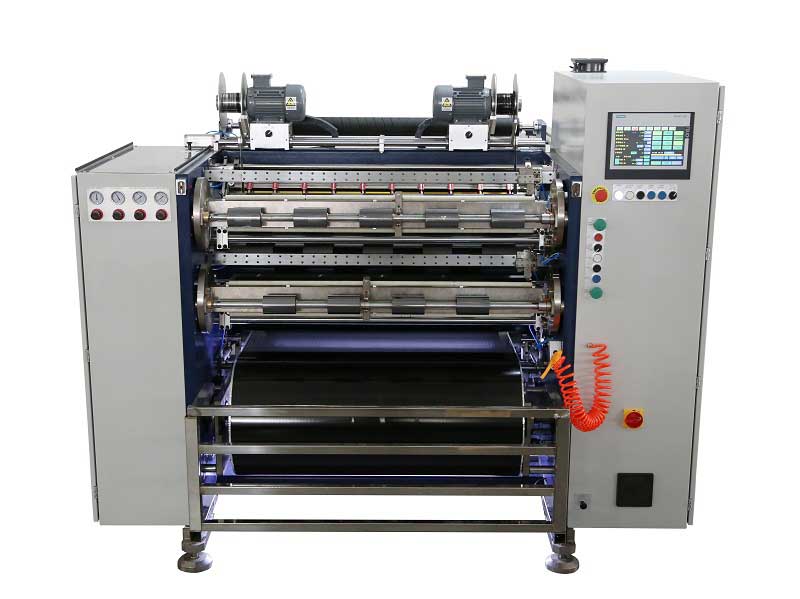 Automatic Thermal Transfer Ribbon Slitter RSDS8 H PLUS
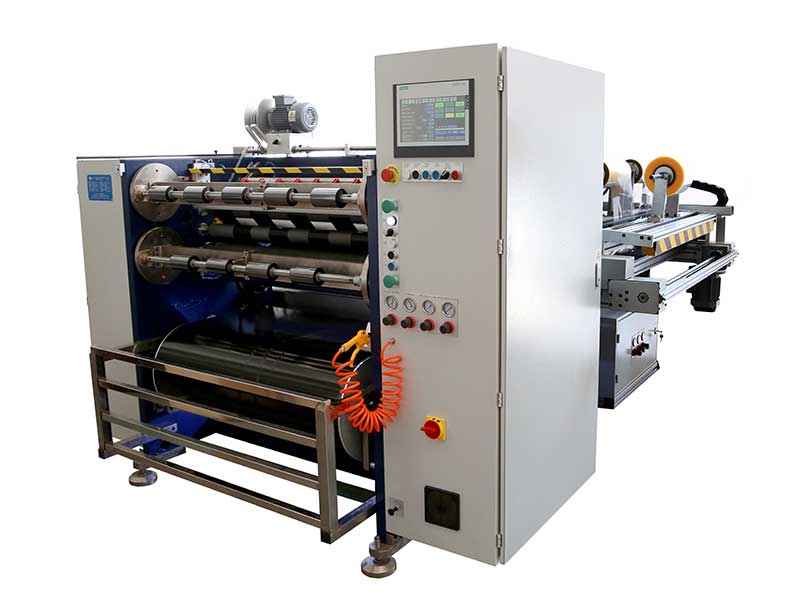 Automatic Thermal Transfer Ribbon Slitter RSDS6 PLUS
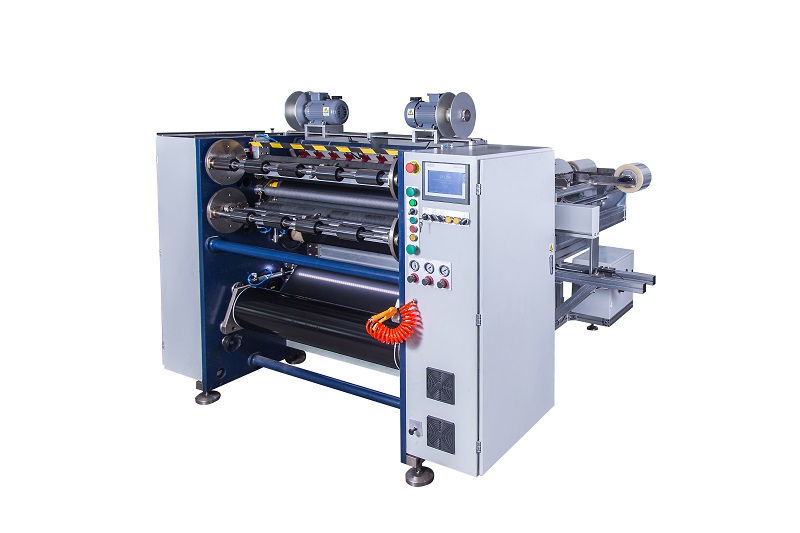 Semi Automatic Thermal Transfer Ribbon Slitter RSDS1 PLUS
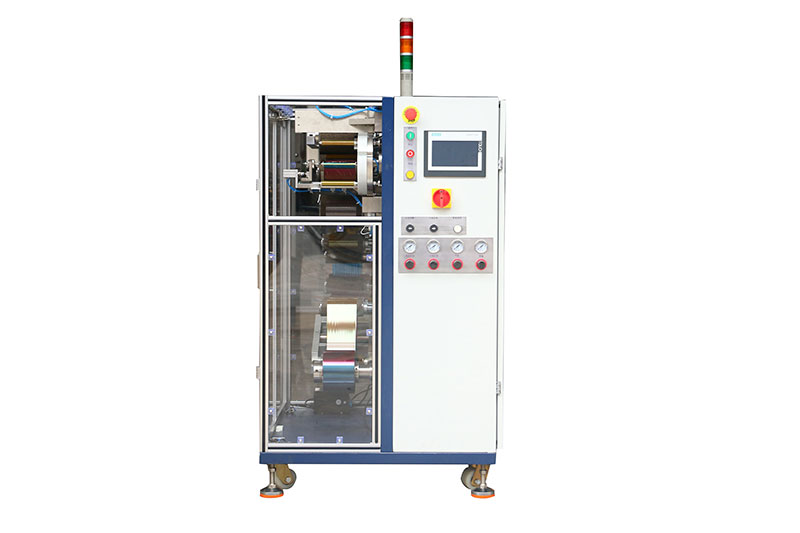 Card Print Ribbon Rewinder
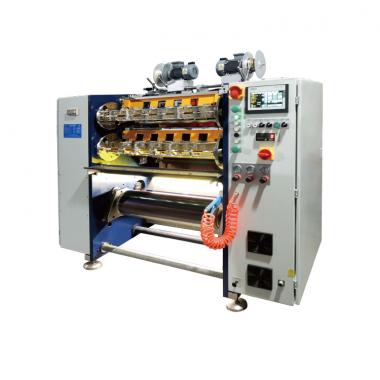 Card Print Ribbon Slitter