Hot stamping foil is a high value-added decorative material, and the quality of its slitting process directly determines the success or failure of subsequent hot stamping processes. Burrs and uneven tension caused by slitting can cause deformation and uneven winding, which at best increases the scrap rate and, at worst, leads to the entire roll being scrapped. Therefore, when selecting a suitable hot stamping foil slitting machine, it is necessary to comprehensively consider three dimensions: core parameters, process matching, and supplier evaluation.
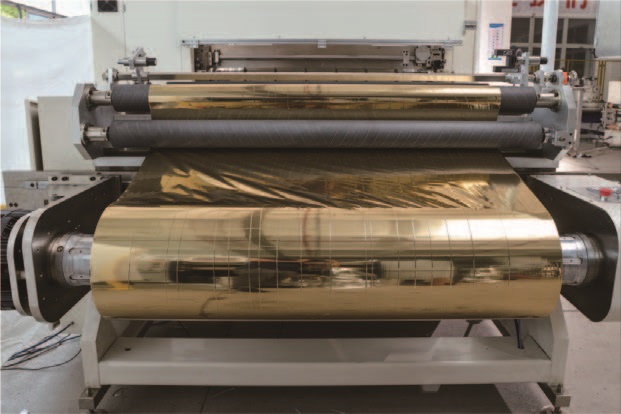
1. Clarify your own needs and determine the matching direction
Before comparing specific parameters, it is recommended to first clarify your own production needs, which can help you quickly target a large number of models. Key issues that need to be clarified include:
• Production scale and material characteristics: What is the average daily output? What type of hot stamping foil is mainly processed (ordinary gold foil, laser foil, pigment foil, etc.), and what special requirements exist for its width, thickness (commonly 4-30μm), and substrate (such as PET)?
• Precision and Subsequent Processes: Does your product come in regular packaging or with high-end tobacco or luxury label labels? Will it be used for manual hot stamping or high-speed automatic hot stamping equipment in the future? The precision requirements vary significantly across different scenarios.
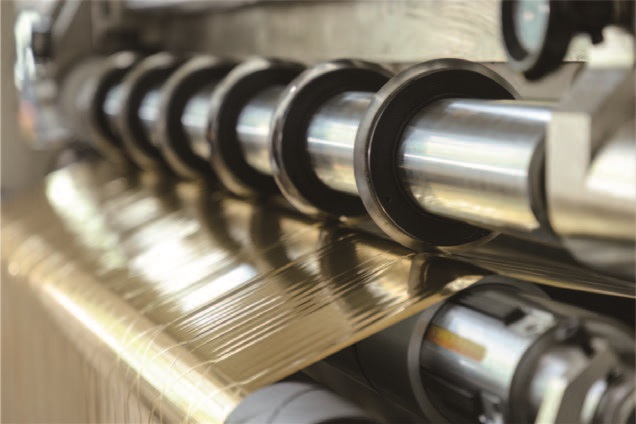
2. Interpreting the Five Core Technical Parameters
The performance of the equipment is ultimately reflected in a series of technical parameters. The following five dimensions are the most important when purchasing:
1. Slitting accuracy: the core competitiveness of the equipment
Slitting accuracy is the primary indicator for evaluating equipment performance, directly determining whether stamping can be accurately registered and avoid exposing white surfaces.
• Accuracy range: Standard hot stamping products allow ± error of 0.3mm, but high-end packaging, tobacco, and luxury label sectors require ± 0.1mm or even higher precision.
• How to judge: Do not trust static accuracy values. When the equipment is running at high speed, test with your own materials and observe dimensional consistency after continuous slitting of multiple rolls. Servo motor drive and a highly rigid integrated casting body form the foundation for ensuring accuracy.
2. Tension Control System: The "Lifeline" of Thin Materials
The base material for hot stamping foil is extremely thin and extremely sensitive to tension. Excessive tension can easily cause stretching, deformation, or even breakage; too low tension causes the roll to become loose and misaligned.
• Control method: A closed-loop tension control system must be chosen, which can provide real-time feedback and automatically adjust tension. Preferably a system equipped with a floating swing roller or high-precision sensor.
• Key indicator: Tension fluctuations should be controlled within ±3% of the set value. In addition, taper tension control is crucial, as it reduces tension as the winding diameter increases, preventing compression damage to the inner foil.
3. Slitting speed and capacity efficiency
Speed directly affects output, but speed must be pursued while ensuring accuracy.
• Speed range: The equipment speed ranges from 10-30 meters per minute at low speeds to 300-500 meters per minute at high speeds. Economical equipment typically operates at speeds of 50-200 m/min, while high-speed equipment can reach over 300 m/min.
• Principle of balance: Speed and accuracy are often inversely proportional. When choosing, you should weigh your business priorities: focus on large-scale standard products, with a focus on high-speed products; For small batches and multiple varieties, more attention should be paid to the acceleration/deceleration performance and low-speed stability of the equipment.
4. Tool System: The key to determining trimming quality
Hot stamping foil has a rubber layer, making ordinary knives prone to sticking and dulling, leading to edge burrs and stringing.
• Tool type: Shear-type circular knives are the preferred choice in the hot stamping foil industry, offering smooth cuts and long blade lifespan. For ultra-narrow slitting or special materials, straight blades may be required.
• Material and Maintenance: High-quality blades are coated with hard alloy or diamond, making them durable and resistant to sticking. During inspections, it is necessary to understand the blade replacement cycle, ease of replacement, and spare parts availability.
5. Winding and unwinding and automated configuration
• Winding and unwinding capability: Must match your main roll specifications. Focus on the maximum unwinding diameter (which determines the duration of each operation) and the winding method (center winding is suitable for thin materials, surface winding is suitable for thick materials).
• Level of automation: From basic automatic metering and fixed-length shutdown to advanced automatic tool layout systems, CCD online defect detection, and production data networking, the higher the level of automation, the shorter the order change time and the lower the reliance on manual labor. Compared to manual tool locking, the hydraulic tool lock system ensures uniform pressure across all tool groups and prevents axial movement.
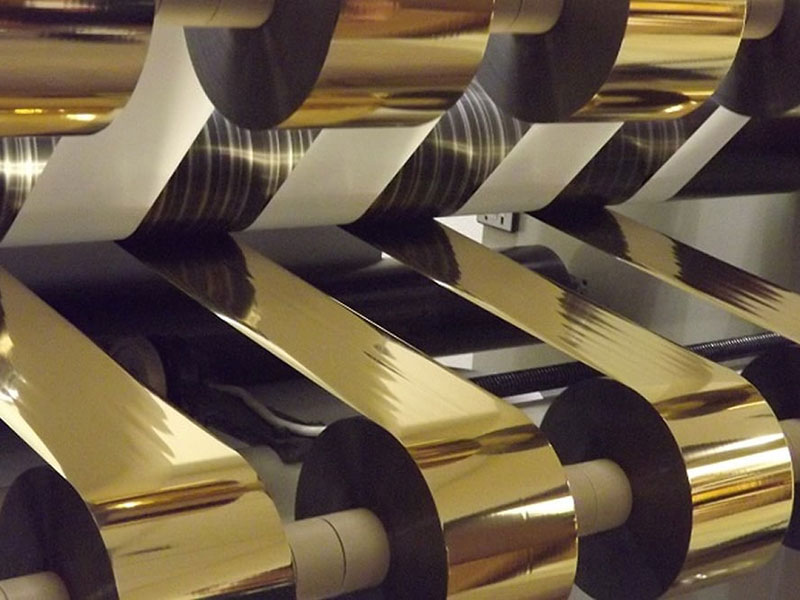
3. Practical Practice of Process Characteristic Matching and Pitfall Avoidance
After understanding the parameters, targeted investigations should be conducted based on the process pain points of hot stamping foil.
1. Dust removal and static elimination should not be overlooked
If aluminum powder and dust produced by slitting adhere to the foil surface, "pitting" will form during hot stamping, resulting in defective products. High-quality equipment must be equipped with multi-stage dust removal devices (dust sticky roller + ion air knife/air suction) and static eliminators.
2. Beware of promotional traps and verify through testing
• Beware of the "fully automatic" myth: most equipment still requires manual feeding or monitoring. It is necessary to clarify the specific steps in which automation is implemented.
• Beware of "applicable to all materials": Without a universal machine, choose a targeted design based on your main materials.
• On-site trial cutting is mandatory: Be sure to bring your most difficult materials to the manufacturer for machine testing. Observe the operating status, cross-section quality, and winding neatness throughout the entire process from low to high speed, rather than just looking at no-load data.
3. Evaluate total cost of ownership and after-sales service
• Calculate the total bill rather than the purchase price: Downtime losses, scrap damage, and repair costs for cheap equipment may far exceed the purchase price difference. Pay attention to energy consumption, spare parts prices, and the brand lifespan of core components (PLCs, servo motors).
• Write commitments into contracts: clearly define performance guarantee indicators (accuracy, speed), acceptance standards, and keep the balance payment until payment is made after passing inspection. High-quality suppliers should provide on-site prototyping, technical training, and timely spare parts supply.
Summary
Choosing a hot stamping foil slitting machine essentially means balancing precision, efficiency, and long-term cost. The key to success lies in conducting on-site tests with actual materials to verify hard metrics, focusing on process details such as tension, tools, and dust removal to avoid everyday failures, and calculating total cost of ownership and after-sales service to ensure long-term value. The most suitable equipment is one that can stably meet your specific production needs, offering good scalability and service support.
 English
 Deutsch
 Français
 Español
 Português
 日本語
日本語 русский
 한국어
한국어 عربي
عربي ภาษาไทย
 Tiếng Việt
 Italiano
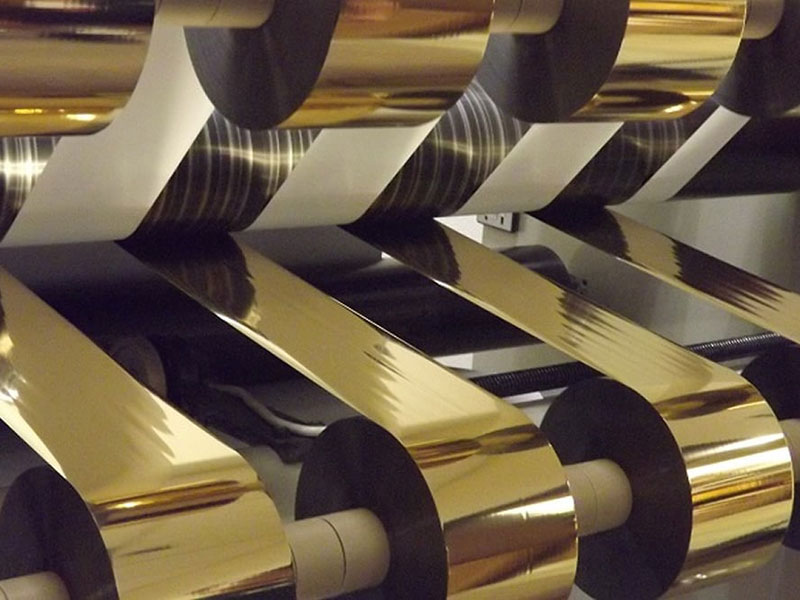
 Cold Foil Slitter
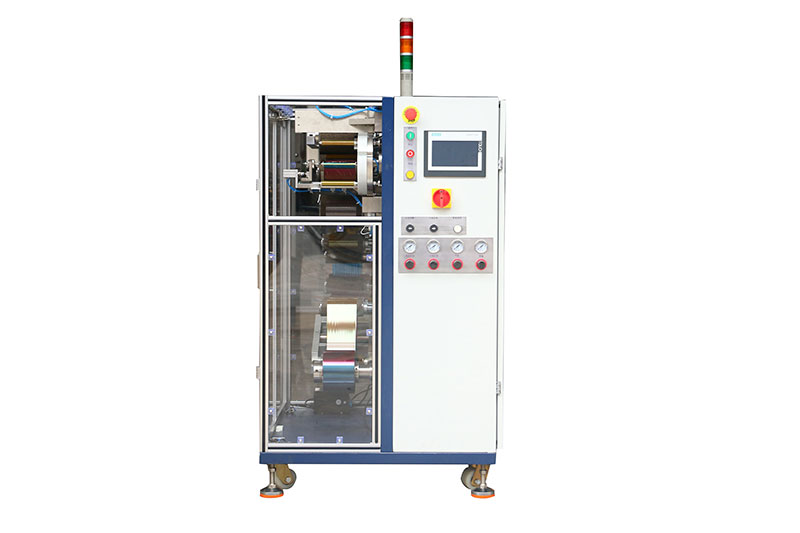 Card Print Ribbon Rewinder
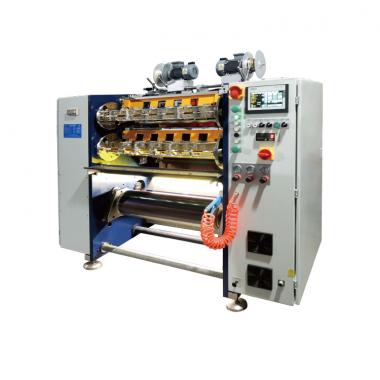 Card Print Ribbon Slitter
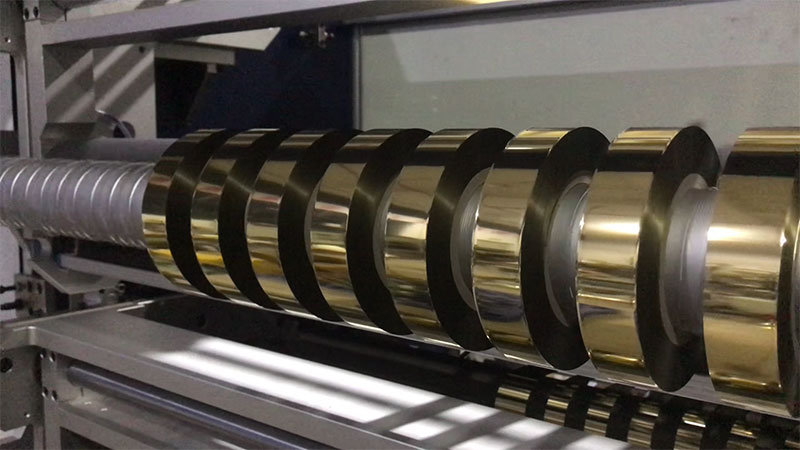 Holographic Foil Slitter
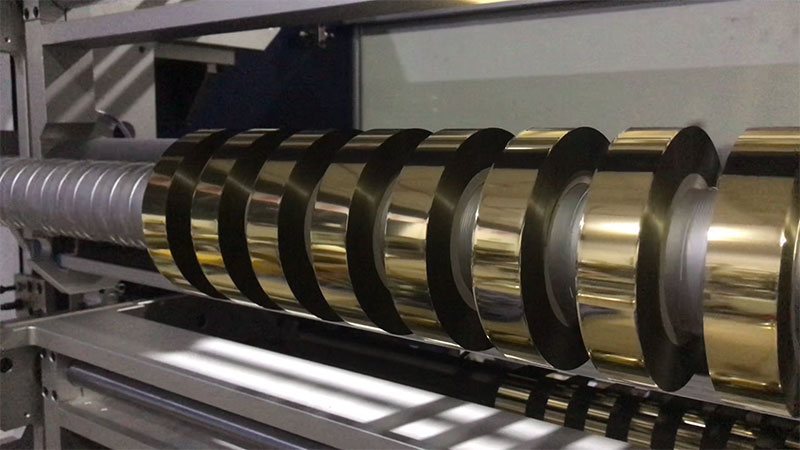 Digital Enhancement Foil Slitter
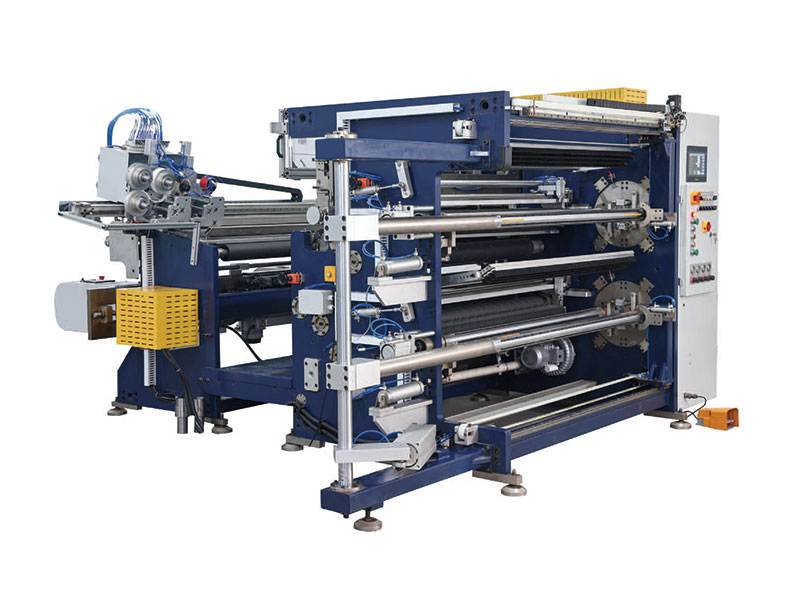 Hot Stamping Foil Slitter RSDS7H 1350 PLUS
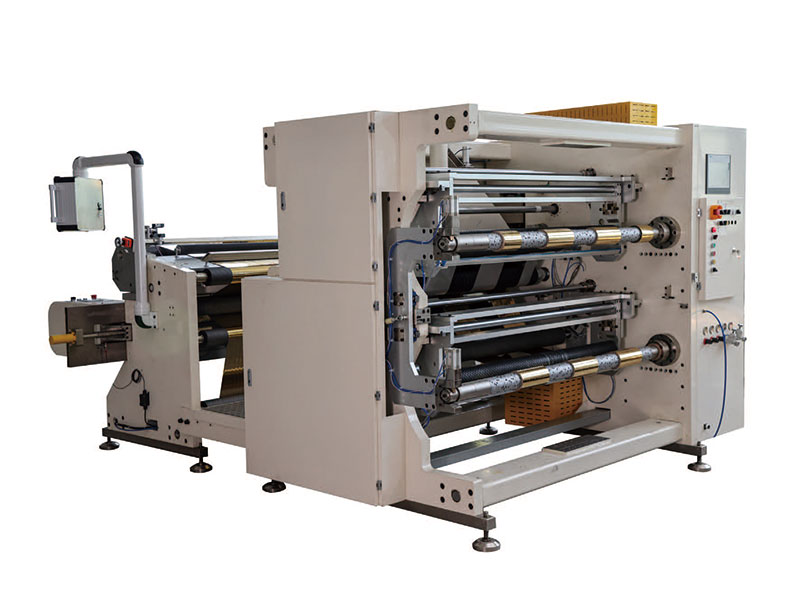 Hot Stamping Foil Slitter (RSDS7H) 1350