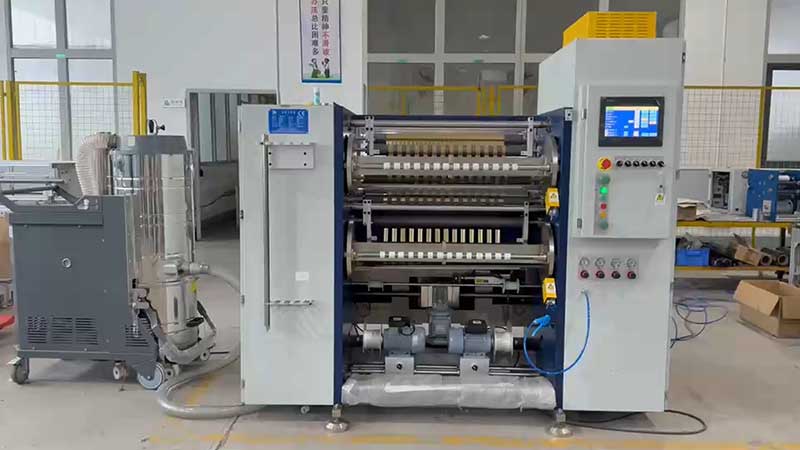
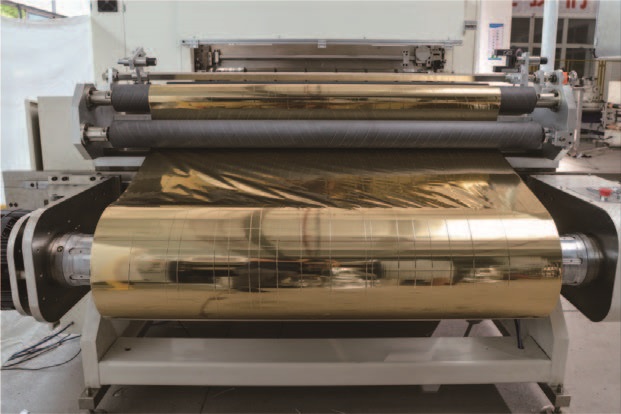
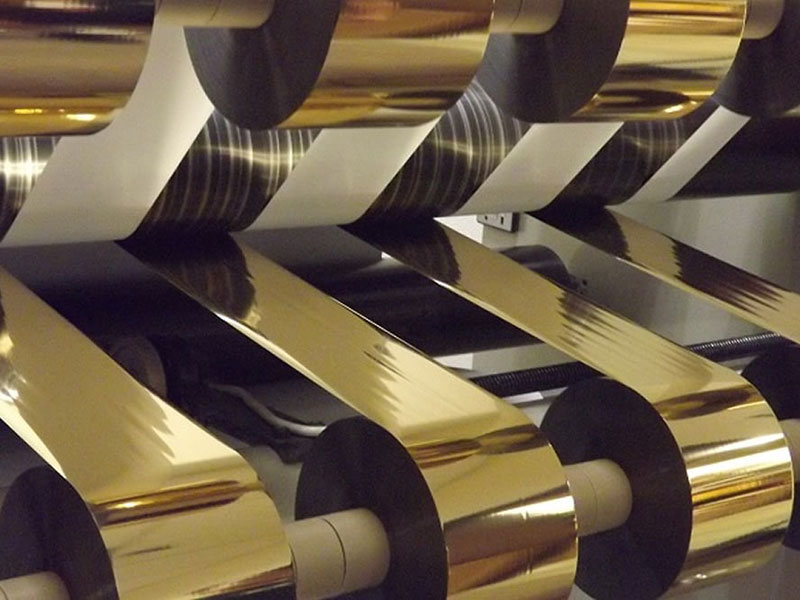
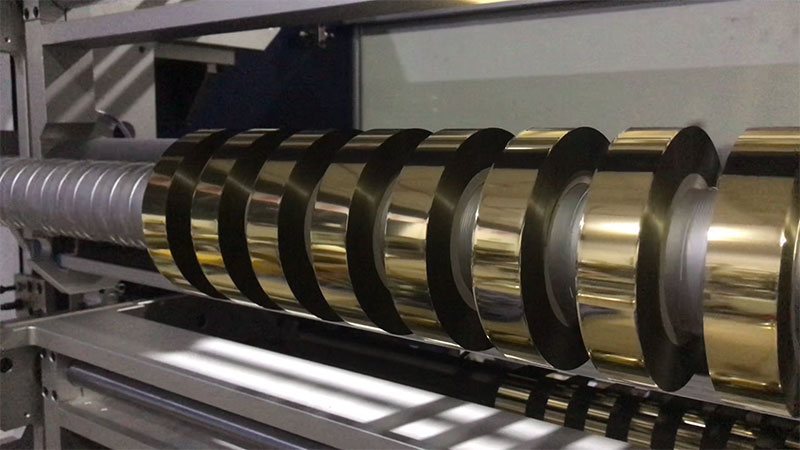
The hot stamping process gives products a premium feel, and the hot stamping foil slitting machine is the "gatekeeper" of this process—it precisely cuts large rolls of gold foil master rolls into the customer's required specifications. If the slitting quality is substandard, the foil will break, go off, or the stamping will be incomplete during stamping, and even the best hot stamping machine will be wasted. So, how should you choose this device? This article helps you clarify your thinking from five core dimensions: precision, tension, tool, efficiency, and reliability.
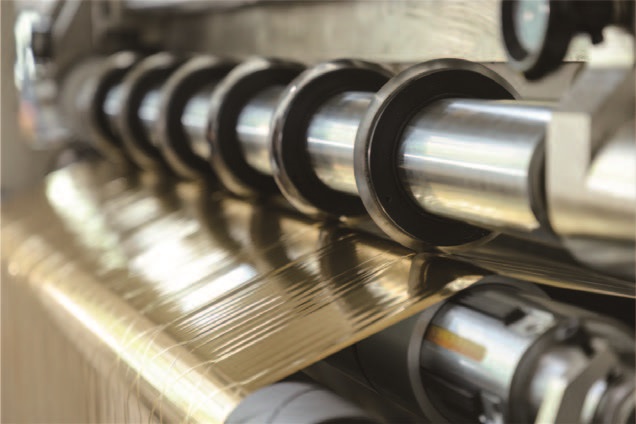
1. First, think clearly: What are your real needs?
Before comparing parameters, first review your own situation to avoid being led away by salespeople:
• Production scale and capacity: Is it a startup with small batches, stable mass production, or large-scale continuous operations? This directly determines whether you should look at semi-automatic, fully automatic, or high-speed, high-precision models.
• Material characteristics: What type of hot stamping foil are mainly cut? What is the width range? How thick is it (usually 4-30μm)? Is the material easily stretched or breaks? Special materials require special configurations.
• Precision requirements: The precision requirements for ordinary packaging materials differ greatly from those of high-end labels and anti-counterfeiting materials, with the latter requiring micron-level precision.
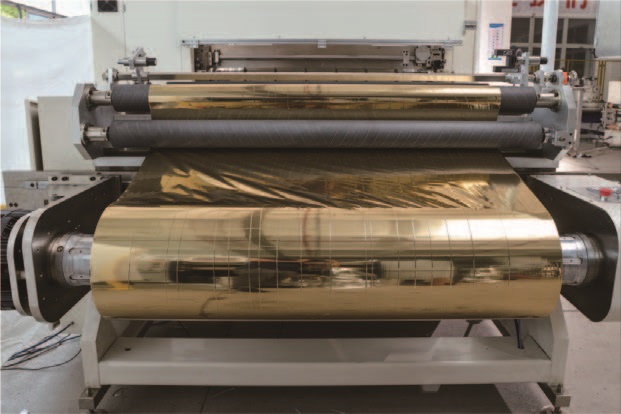
2. Breakdown of the Five Core Technical Parameters One by One
1. Slitting Precision: The "Anchor" of Hard Metrics
Precision is the primary indicator for evaluating the performance of a slitting machine. High-end equipment can achieve slitting accuracy of ± 0.05mm or even higher, while ordinary models typically have a ± of 0.1-0.2mm. Precision depends not only on the blade but is also closely related to frame rigidity, bearing quality, and transmission system stability. If you serve customers in tobacco packaging or luxury labels, be sure to prioritize high-precision models.
2. Tension Control System: The "Lifeline" of Thin Foil
The PET base film of foil foil is extremely thin (12-25μm). If the tension is too high, it easily stretches and deforms, causing inaccurate foil stamping; if the tension is too low, the roll will be uneven.
• Preferred closed-loop tension control: Fully automatic closed-loop control systems with floating swing rollers or high-precision sensors can provide real-time feedback and adjust tension, making them much more precise than open-loop control.
• Pay attention to taper tension control: As the coil diameter increases, the tension should decrease according to the set curve, which is especially important for winding large coil diameters (such as diameters over 400mm) to prevent inconsistency in tightness between the inner and outer layers.
3. Slitting method and tool system: Determine the quality of the cut surface
Hot foil must be "cut in half" with a single cut, with smooth edges and no burrs.
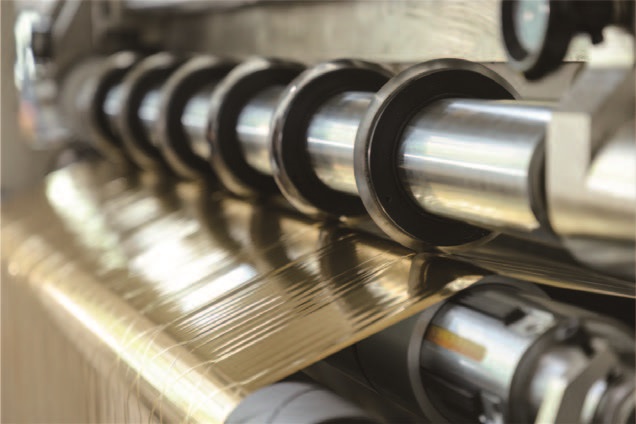
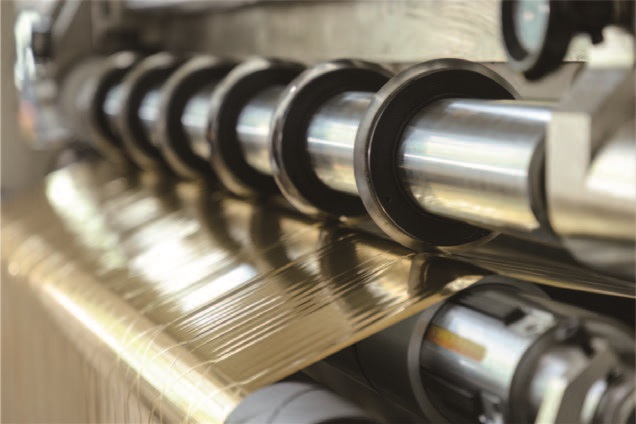
• Round Blade Priority: The upper and lower circular blades (shear-type slitting) are the preferred choice in the hot stamping foil industry, featuring smooth cutting surfaces and long blade lifespan, suitable for frequent specification changes. Razor blade-type flat blades are prone to wear, resulting in uncut or flanged edges.
• Blade holder rigidity: The tool shaft must not bend when slitting wide materials, otherwise the middle cut may not be cut properly or the sides may be overcut.
4. Efficiency and Capacity: Not just top speed
• Speed indicators: Modern high-speed machines can reach a maximum linear speed of 300-500 meters per minute, but actual selection requires balancing speed and precision. The faster the speed, the higher the requirements for equipment stability.
• Packaging specifications: The maximum winding and unwinding diameter (commonly 600mm, 800mm, 1000mm, etc.) determines the duration of each operation and directly affects continuous production capacity.
• Order change efficiency: Frequent specification changes are the norm. Whether it can be clamped quickly, whether there is a hydraulic tool lock or automatic tool placement system, these "hidden efficiency" factors affect actual output more than the maximum speed.
5. Automation and Intelligence: A Tool for Cost Reduction and Efficiency Improvement
• Fully automatic function: Automatic deviation correction system ensures slitting straightness, online inspection system monitors quality in real time, parameter memory function can store common material settings, and one-click recall for order changes.
• Dust removal and static elimination: If aluminum powder produced by slitting sticks to the foil surface, it will form "hot stamping spots" during hot stamping, resulting in scrap products. A dust removal system combining contact (dust roller) and non-contact (ion air knife/suction outlet) must be equipped, with static elimination rods installed at the winding and retracting points.
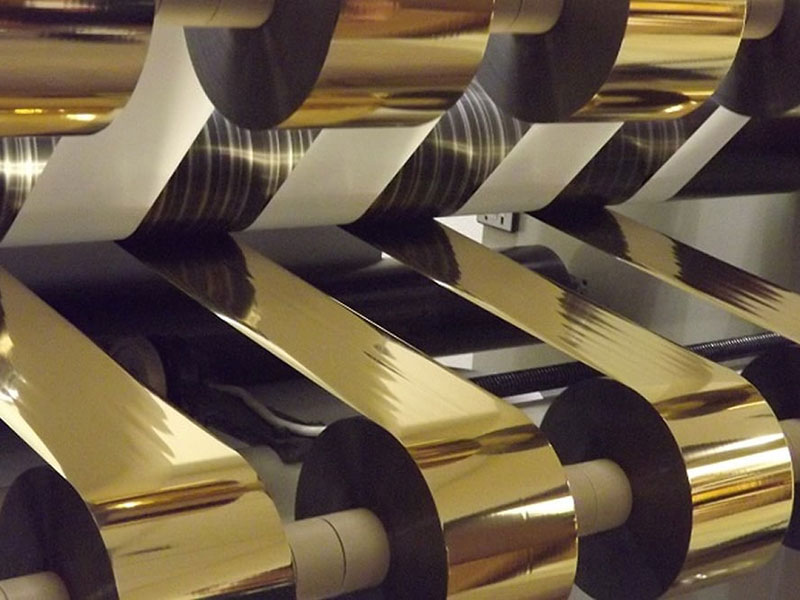
3. Equipment Reliability: The "Hidden Value" of Worry-Free and Durable
An unreliable piece of equipment can result in maintenance costs, scrap losses, and delayed orders, with hidden costs far exceeding the equipment price difference.
• Inspect the frame and chassis: Prioritize the fully welded frame made of high-quality thickened steel and annealed. This is the physical basis to ensure long-term high-speed operation without deformation or loss of accuracy.
• Focus on transmission and servo systems: Servo motor drives have become standard for highly reliable equipment, providing precise tension control and speed synchronization, with failure rates far lower than traditional mechanical drives.
• Check the core component brand: Are the main shaft bearings made from well-known brands like SKF or NSK? Are the tension control components from Mitsubishi or Siemens? These are direct references for judging reliability.
4. How to choose different types of equipment?
| Equipment type | Advantages | Disadvantages | Applicable scenarios |
| Manual/semi-automatic | Low price, simple operation, and easy maintenance | Low efficiency, average accuracy, and dependence on operator skill | Small batches, multiple varieties, startups |
| Standard fully automatic | High efficiency, good accuracy, and strong stability | Requires large investment and basic operational training | Medium-scale production, mostly processing enterprises |
| High speed and high precision | Extremely efficient, highly precise, and highly automated | They are expensive (can exceed 1 million yuan) and require complicated maintenance | Mass production and high-end material processing |
| Specialized models | Optimized for specific materials, with remarkable results | Poor versatility | Special material processing and specific industry needs |
5. Procurement Implementation: Five Steps to Avoid Pitfalls
1. Prototype testing (the most critical step): Bring your own master roll material to the manufacturer for on-site trial cutting. Observe the straightness of the cut surface and tension fluctuations at different speeds (from low to high).
2. Supplier background checks: Learn about vendor reputation and customer cases. Consult existing users for genuine feedback on long-term stability and after-sales response.
3. Calculate the total score, not just the price: Domestic equipment usually costs 100,000–500,000 yuan, while imported high-end equipment can exceed 1,000,000 yuan. However, factors such as energy consumption, replacement frequency of wear parts, and material savings must be comprehensively evaluated. The payback period for high-quality equipment is usually 1-3 years.
4. Key contract terms: Clearly define performance guarantee clauses (accuracy and speed indicators), acceptance standards, and specific after-sales service commitments (response time, spare parts supply).
5. Looking ahead 3-5 years: Can the equipment meet your future business expansion needs? Is there room for upgrades? Forward-looking choices maximize investment value.
One last thing:
Choosing a hot stamping foil slitting machine essentially involves balancing precision and efficiency, balancing short-term price with long-term value. There is no "best" equipment, only the "most suitable" choice. With more rigorous investigations in the early stages, countless nights of shutdown and maintenance will be eliminated in the future. Spending time conducting thorough research, rigorously testing and verifying, and carefully signing contracts—these tedious steps ultimately translate into tangible production benefits.
 English
 Deutsch
 Français
 Español
 Português
 日本語
日本語 русский
 한국어
한국어 عربي
عربي ภาษาไทย
 Tiếng Việt
 Italiano
 Cold Foil Slitter
 Card Print Ribbon Rewinder
 Card Print Ribbon Slitter
 Hot Stamping Foil Slitting Machine
 Holographic Foil Slitter
 Digital Enhancement Foil Slitter
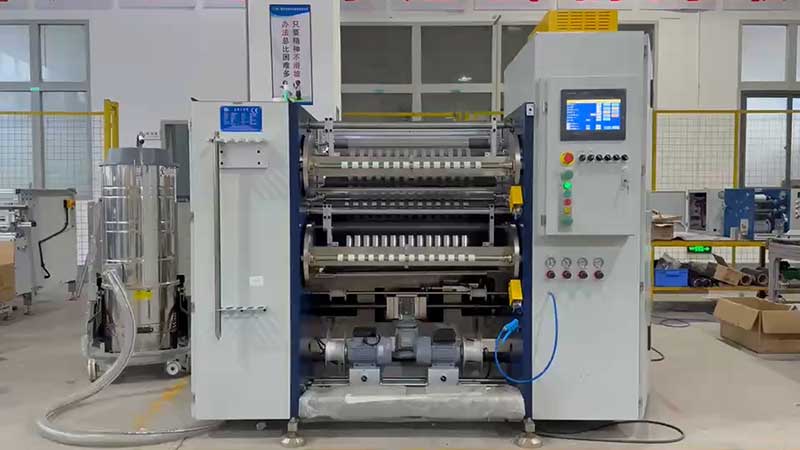
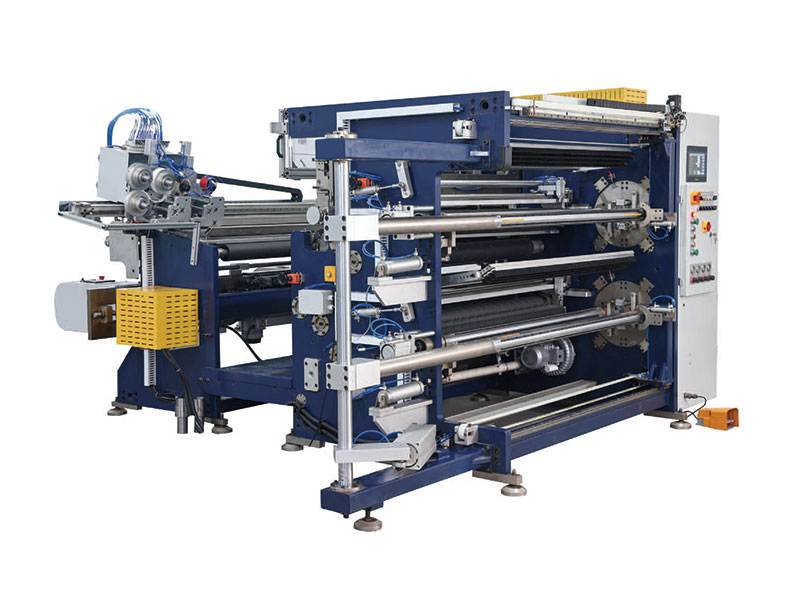 Hot Stamping Foil Slitter RSDS7H 1350 PLUS
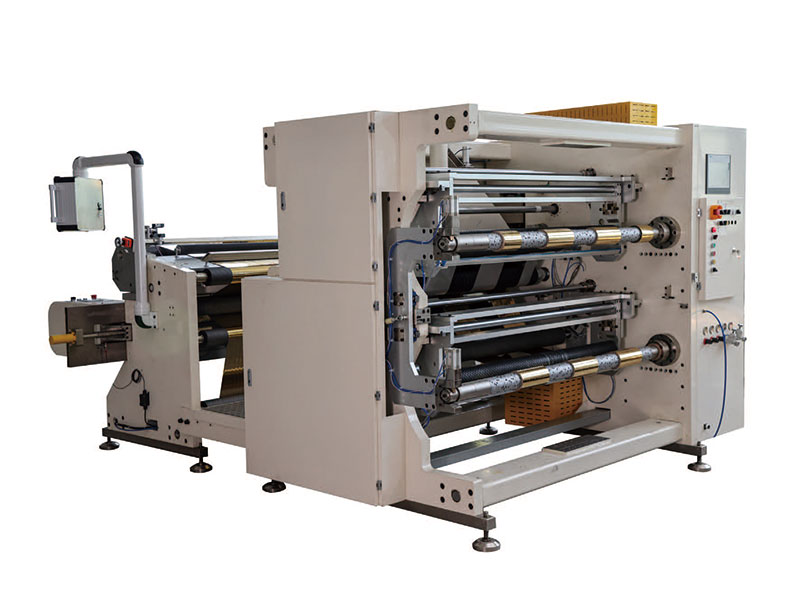 Hot Stamping Foil Slitter (RSDS7H) 1350