Behind the delivery labels, supermarket price tags, and clothing tags we encounter daily, a key technology is inseparable—heat transfer printing. As a core consumable for heat transfer, ribbons directly affect print clarity and barcode recognition rates. Ribbon slitting machines are key equipment that processes wide, large-roll ribbons into small rolls suitable for various printer specifications.
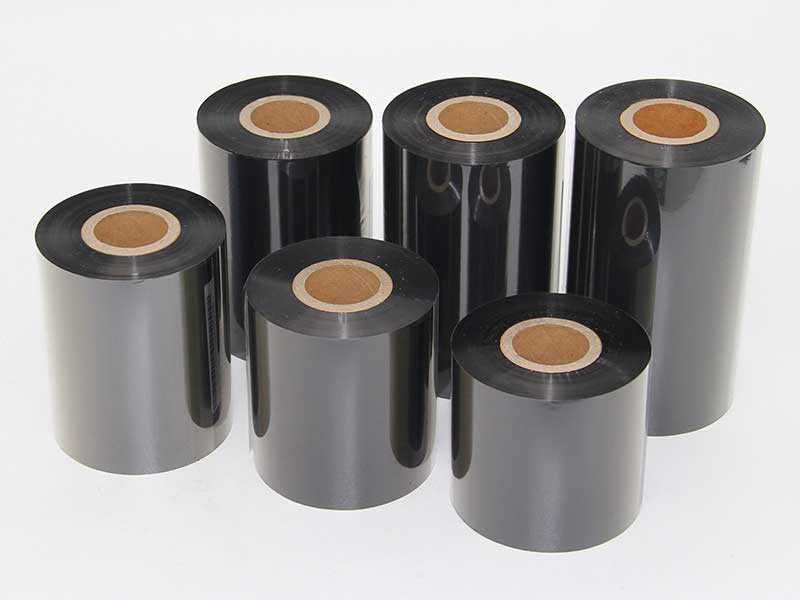
What is a ribbon slitting machine?
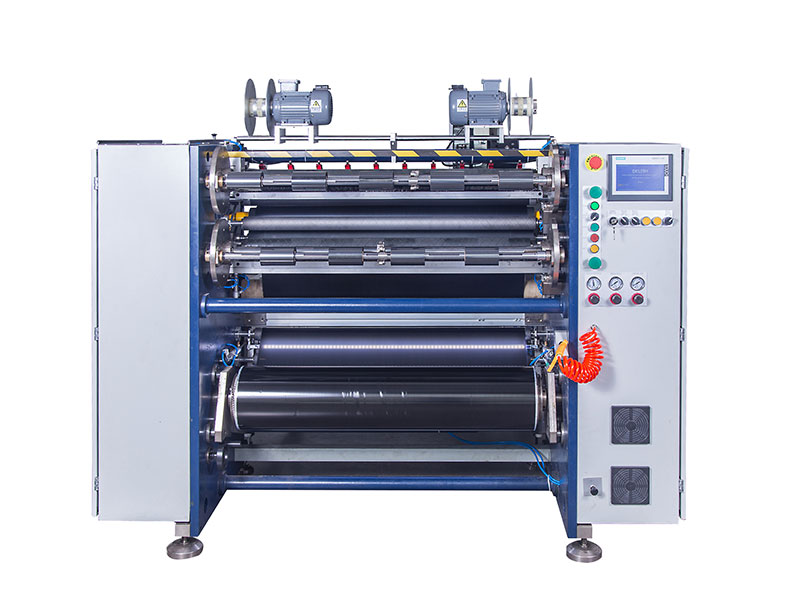
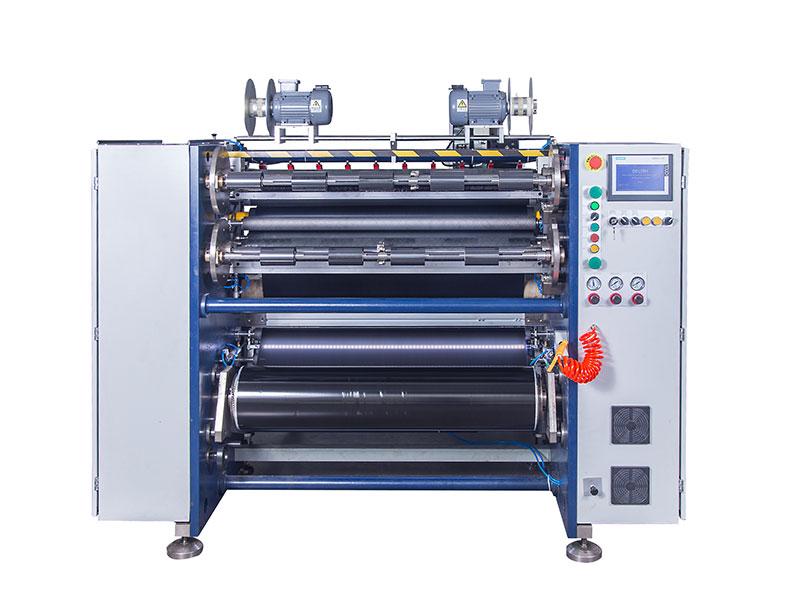
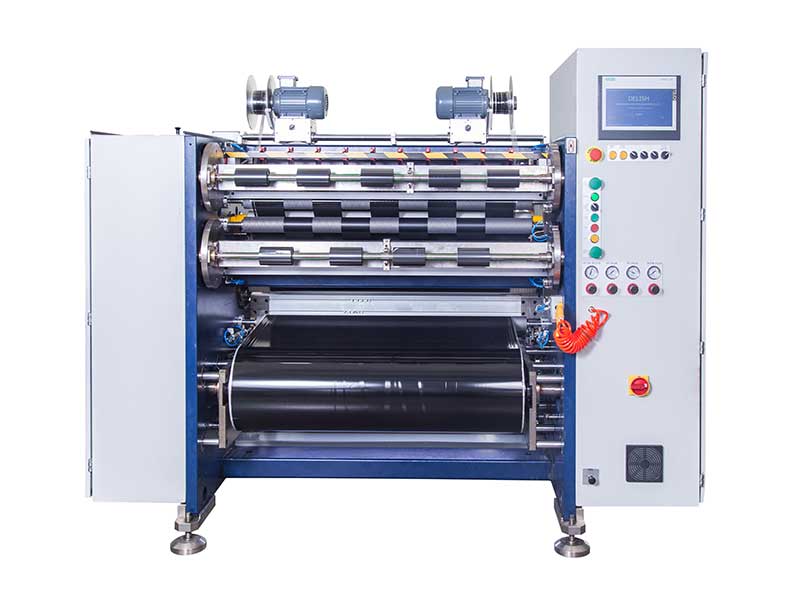
The ribbon slitting machine is a device specifically designed for slitting and rewinding ribbon materials such as ribbons. Its core task is to cut wide master roll ribbons into narrow rolls of different widths according to customer requirements, and then rewind them into neat finished products. This equipment acts like a precise "scissors," precisely dividing raw materials.
The ribbon itself usually consists of a base film, an ink layer, and a heat-resistant layer. Common types include wax-based, blended, and resin-based ribbons. The slitting machine must ensure that the cutting edges of this multilayer composite material are smooth, non-burring, and properly tight when rolled.
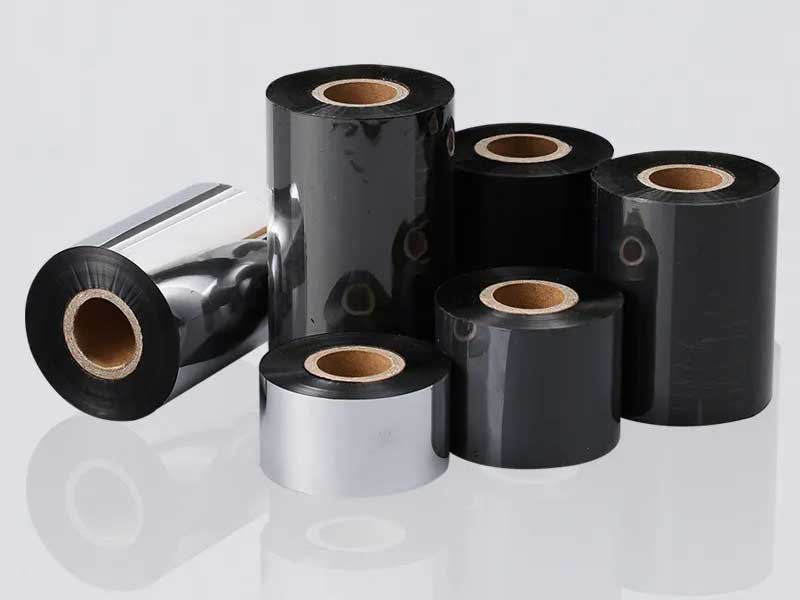
Core technical features
Modern ribbon slitting machines integrate multiple precision control technologies:
Tension control is the soul. The ribbon is thin and sensitive (only 4.5~10μm thick); if the winding is too loose, the core will loosen, while if too tight, it may damage the ribbon or affect printing quality. High-quality slitting machines use taper tension control technology, automatically reducing tension as the winding diameter increases, ensuring consistent hardness between the inner and outer layers of the finished product.
Correction and cutting precision. The automatic correction system ensures the slitting position is always accurate, and the cutting methods mainly include hanging blades and razors. The slitting width error of high-precision equipment can be controlled within ±0.1mm.
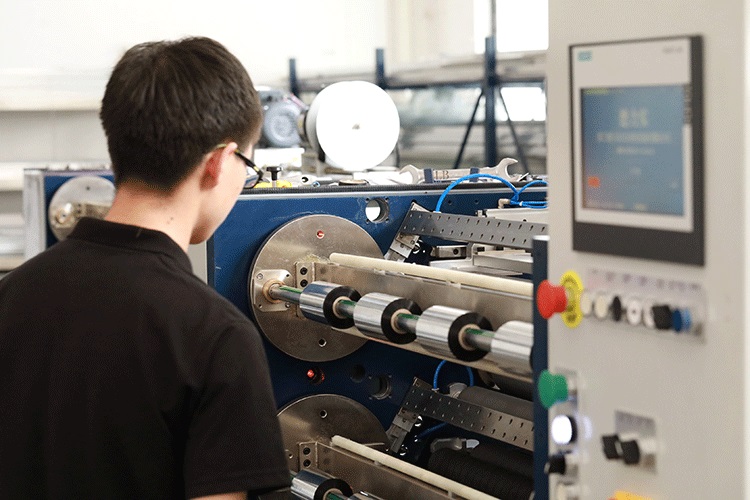
Automation and intelligent control. Modern equipment generally uses PLC central control and touchscreen interfaces, equipped with automatic film application functions, allowing guide film to be applied outside the finished product roll for easy attachment to printers.
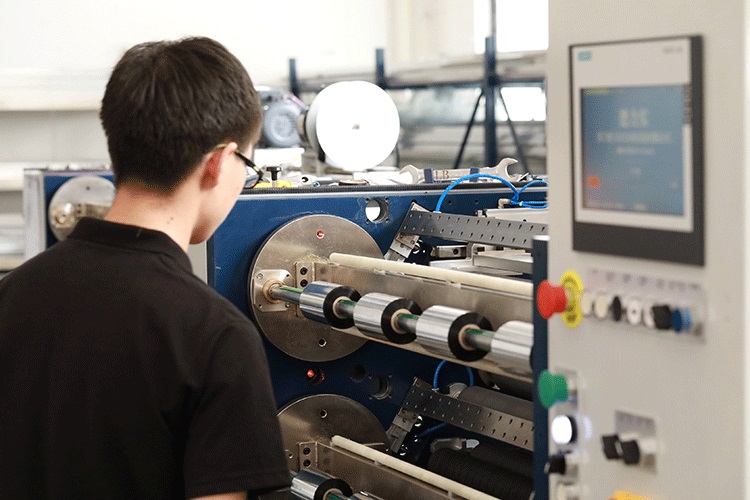
Main types
According to scale and degree of automation, ribbon slitting machines are mainly divided into two categories:
1. Small ribbon slitting and rewinding machine
The width is usually within 500mm, the unwinding diameter does not exceed 300mm, and the speed does not exceed 200 meters per minute. Razor slitting is used, and film introduction and bonding are mostly done manually. Flexible functionality, compatible with 1" or 1/2" air expansion shafts, suitable for small to medium batch production or sample making.
2. Automatic TTR ribbon slitting machine
The effective width can reach about 1000mm, the unwinding diameter does not exceed 800mm, and the speed can reach up to 500 meters per minute. Equipped with a high-precision adaptive tension control system and a fully automatic film introduction and bonding platform, suitable for high-efficiency mass production.
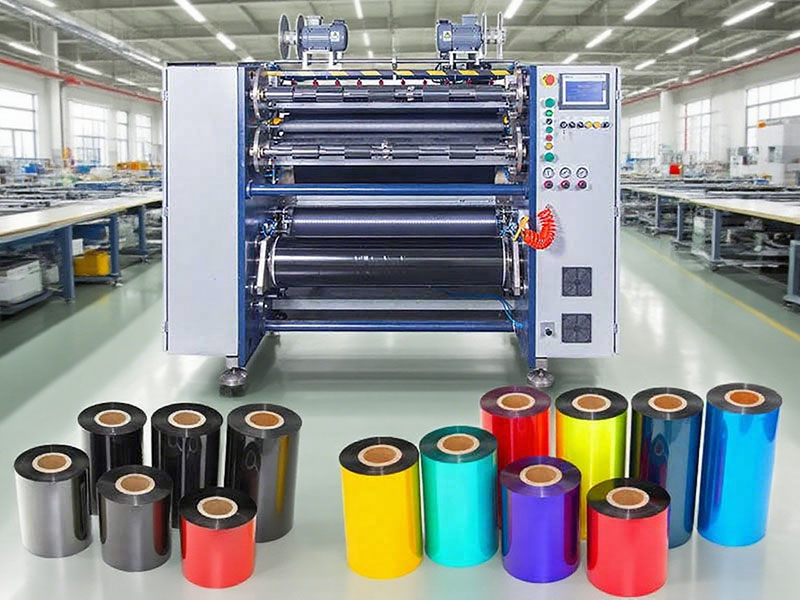
Wide range of application scenarios
Ribbon slitting machines have wide downstream applications:
• Label printing factories: Mass production of ribbons adapted for various industries, such as ribbons for logistics waybills, clothing hangtags, and supermarket price tags.
• Barcode Ribbon Distributors: Flexible slitting of large rolled ribbons according to retail customer needs.
• Internal enterprise use: Large enterprises purchase equipment themselves to control procurement costs.
• Other ribbon processing: slitting and rewinding of fax ribbons, coding ribbons, and similar products.
Conclusion
Although ribbon slitting machines are not well known to end consumers, they are a key link in the thermal transfer printing industry chain. With precise tension control, precise cutting technology, and high automation, they transform industrial raw materials into end-use consumables that meet various printing needs, making them an indispensable behind-the-scenes contributor to modern label and barcode applications.
 English
 Deutsch
 Français
 Español
 Português
 日本語
日本語 русский
 한국어
한국어 عربي
عربي ภาษาไทย
 Tiếng Việt
 Italiano

 Ribbon Slitting Machine
 Barcode Ribbon Slitting Machine
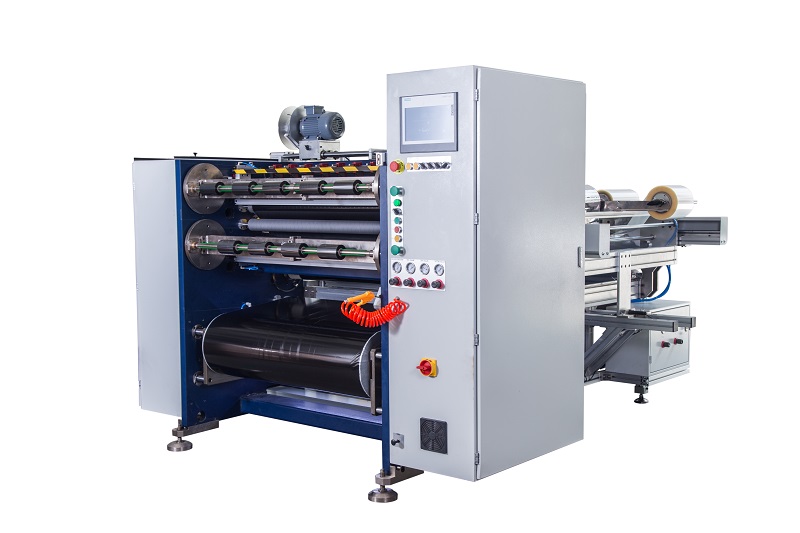 Semi Automatic Thermal Transfer Ribbon Slitter RSDS5 PLUS
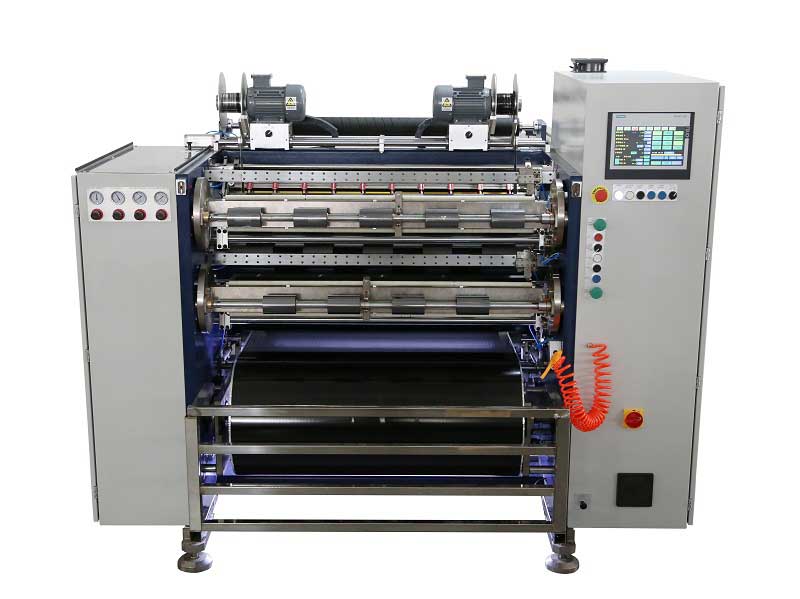 Automatic Thermal Transfer Ribbon Slitter RSDS8 H PLUS
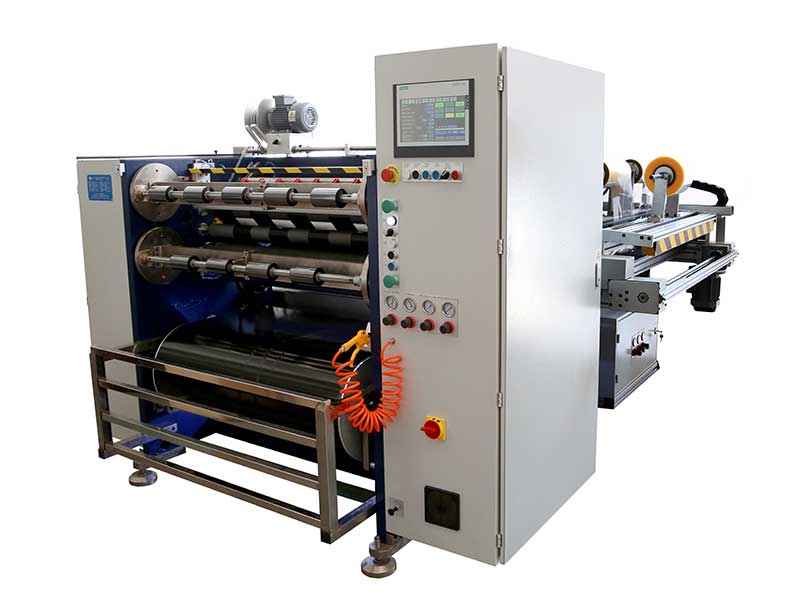 Automatic Thermal Transfer Ribbon Slitter RSDS6 PLUS
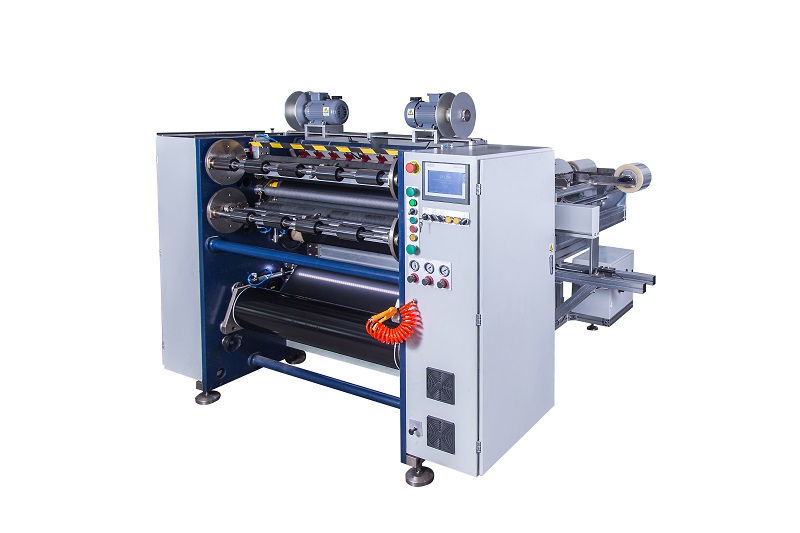 Semi Automatic Thermal Transfer Ribbon Slitter RSDS1 PLUS
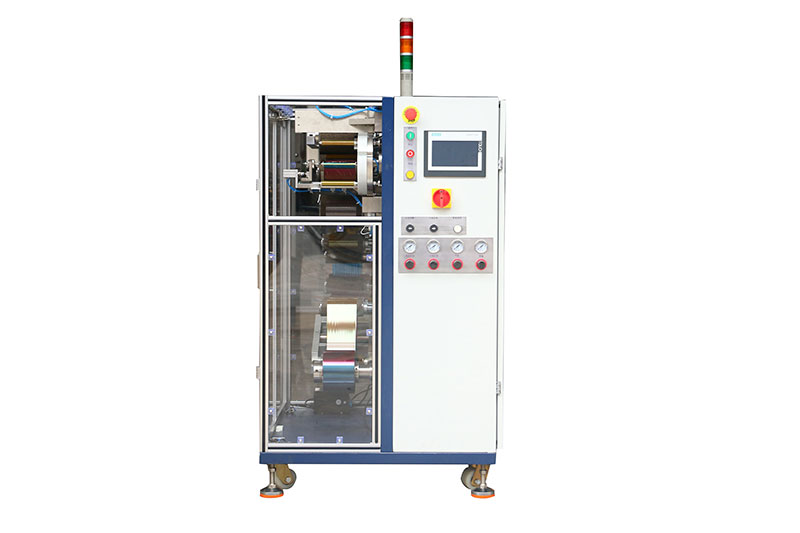 Card Print Ribbon Rewinder
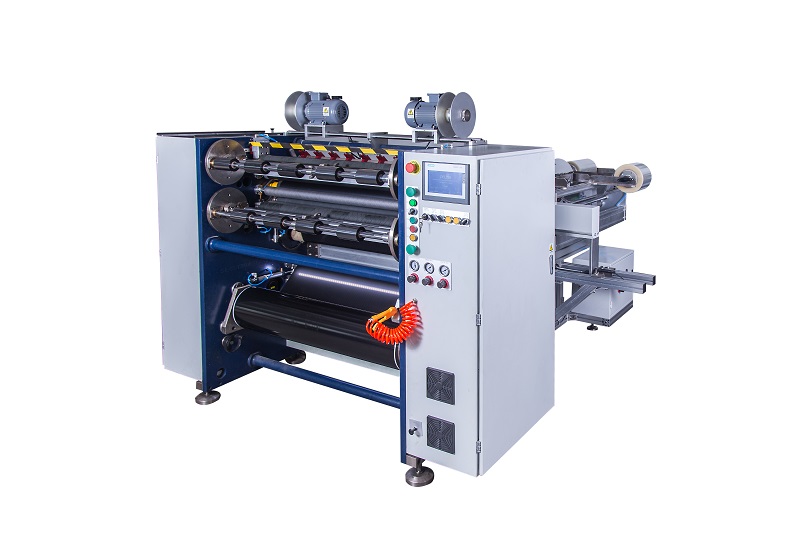 Semi Automatic Thermal Transfer Ribbon Slitter RSDS2 PLUS