In the fields of barcode labels, product identification, and heat transfer printing, ribbon slitting machines are key equipment for processing wide-width raw materials into suitable finished products. This article systematically introduces its definition, working principle, and key selection points to help readers fully understand the value of this device and how to choose it.
1. Definition and Use
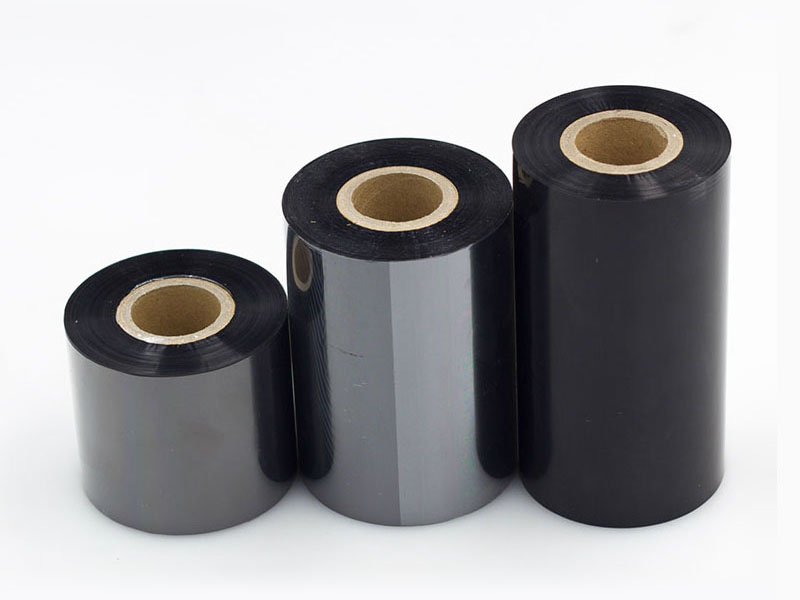
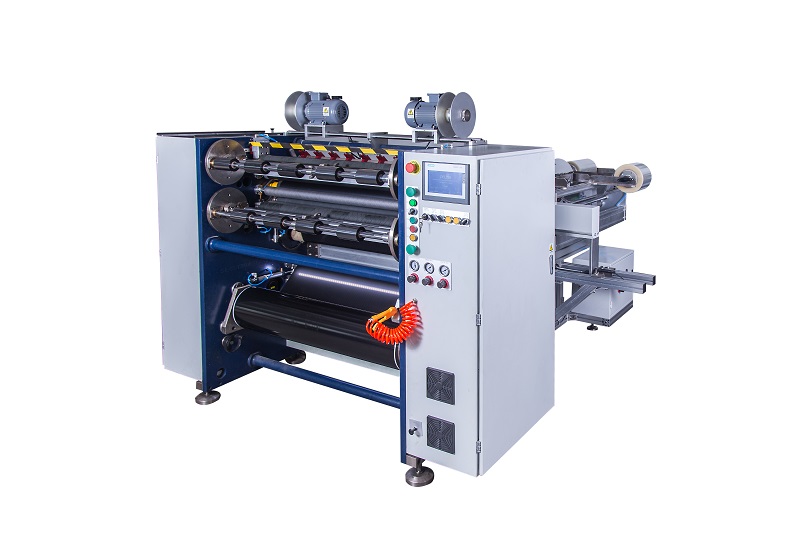
The ribbon slitting machine is a specialized slitting and rewinding device for heat transfer materials such as ribbons and color ribbons. It cuts wide, large-rolled ribbons lengthwise into multiple narrow strips according to preset specifications and rewinds them, meeting the differentiated ribbon width requirements of various printing scenarios.
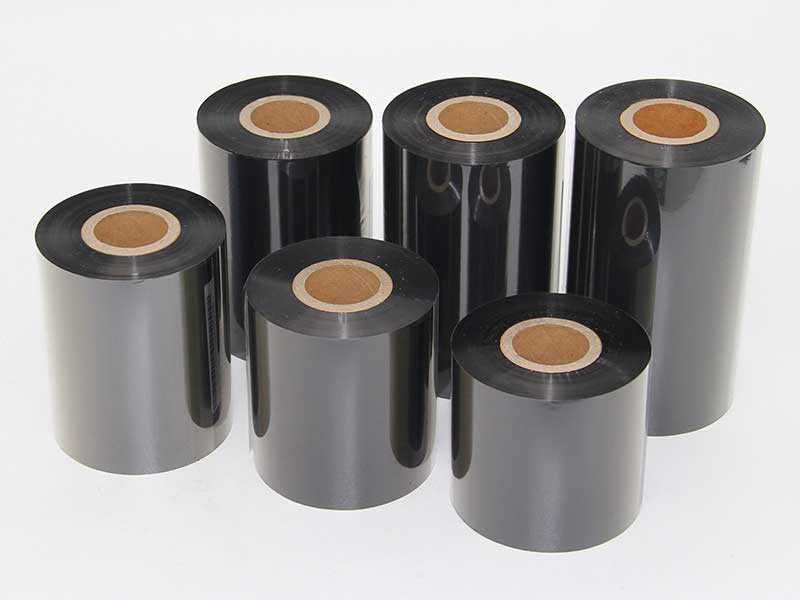
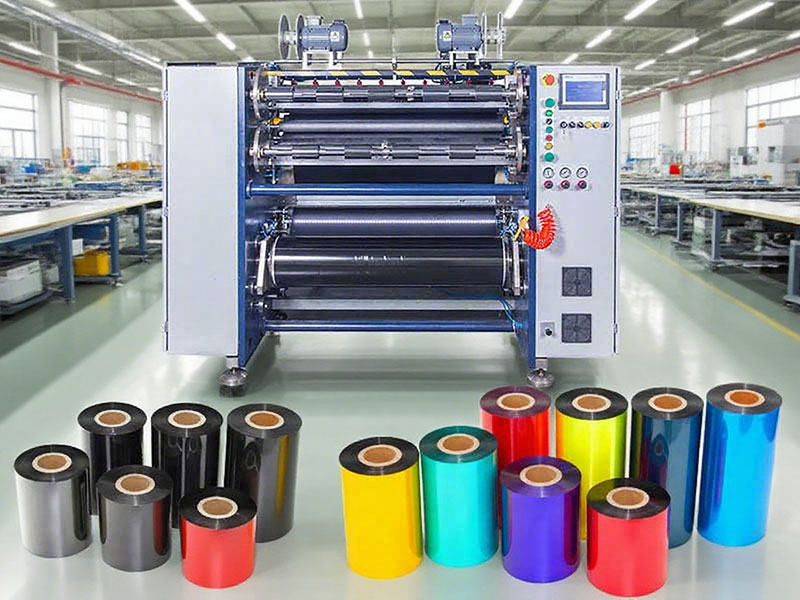
In terms of application scope, ribbon slitting machines cover a variety of material types: TTO ribbons (for thermal transfer coding), TTR ribbons (for barcode printing), fax ribbons, and more. Its core values are: first, cost control—directly purchasing large roll raw materials for self-slitting, avoiding the high premium of buying pre-cut ribbons; Second, flexibility: slitting specifications can be adjusted at any time according to order requirements, eliminating the need to keep multiple finished product inventory.
Different industries have varying equipment requirements. Electronic tags and medical ribbons require high-precision slitting (tolerance ± within 0.1mm). Conventional applications such as logistics labels have relatively lenient precision requirements, while special materials like resin-based require harder tools and stronger slitting force.
2. Working Principle
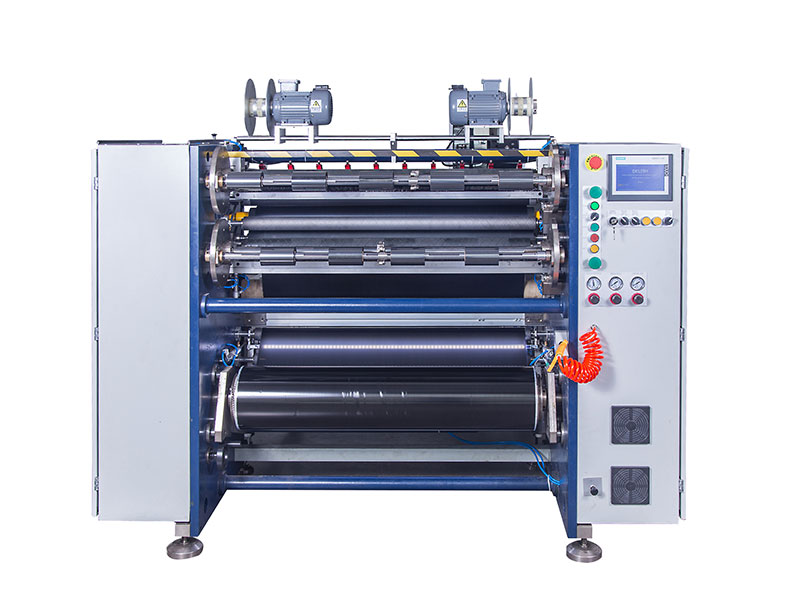
The workflow of the ribbon slitting machine can be summarized into four core steps: unwinding→ tension control→ slitting→ and winding, with each stage working together to ensure the quality of the finished product.
Feeding and unwinding: The large ribbon is installed in the unwinding device, and the pneumatic feeding method makes operation convenient and efficient. This is the starting point of the entire process; the flatness of the loading directly affects subsequent precision.
Tension control: This is the "soul" of slitting mass. The equipment controls the release tension through magnetic powder brakes or clutches, keeping the ribbon tight and not loose during slitting. On the winding side, speed and tension are independently controlled by variable frequency motors. Some high-end models use taper tension control, which gradually decreases tension as the diameter increases, ensuring consistent internal and external tightness and neat end faces of the finished reel. Unstable tension can cause ribbons to stretch, deform, wrinkle, or even break.
Slitting and cutting: The ribbon passes through the slitting tool holder, and the round blade is a common configuration, suitable for high-speed slitting with smooth cuts; Flat knives are suitable for thinner materials. Tool material directly affects lifespan and cut quality; tungsten steel and ceramic-coated inserts are suitable for resin-based and other high-demand scenarios. During slitting, the blade remains suspended for cutting, reducing friction and dust generation.
Winding and finished product handling: After slitting, multiple ribbons are each wound by the reel. Modern equipment uses dual or four-station winding stations, with one station automatically flipping and switching when fully rolled, enabling continuous production without stopping. Reels are usually available in 1-inch and half-inch sizes, compatible with different finished roll cores. The automatic film application packaging function directly encapsulates and protects the finished product after slitting is completed.
The correction system runs throughout the entire process, using CCD photoelectric or ultrasonic sensors to detect the ribbon edge position in real time, automatically adjusting the belt path to prevent deviation. This feature is especially important for transparent or semi-transparent film ribbons.
3. Model selection guide
Selection should be based on production needs, material characteristics, precision requirements, and budget for a comprehensive balance—there is no "best," only "most suitable."
1. Clarify core parameter requirements
The following are the technical parameters that must be locked during selection, which directly determine whether the equipment can meet production requirements:
• Slitting accuracy: Standard labels ± 0.3~0.5mm is sufficient, while precision electronic or medical labels require ±0.1mm or higher. Always refer to the on-site trial cut samples, not just the parameter table.
• Slitting speed: economical equipment reaches 100-300 meters per minute, high-speed models can reach up to 500 meters per minute. Capacity assessment is essential; stability is more important than maximum speed—running smoothly at commonly used speeds is key.
• Maximum unwinding/rewinding diameter: Must match the upstream large roll raw material size and downstream finished product specifications. A winding diameter of ≥600mm is the basic requirement for medium or higher production capacity.
• Slitting width range: should cover all current and future specifications that may be involved, with room for development.
2. Evaluate the core functional configuration
These "soft powers" determine the long-term usage experience and operating costs of the equipment:
• Tension control system: Prioritizes fully automatic closed-loop tension control, which can monitor and adjust tension at each stage in real time, ensuring constant tension throughout the process from full roll to small roll. Ask about the control method (magnetic powder clutch or servo torque control) and the adjustment range.
• Winding method: The central winding structure is simple, suitable for general requirements; Surface winding is driven by friction rollers, resulting in a neater end face, suitable for high-speed and soft thin materials. High-end models can switch between both.
• Correction system: mandatory. CCD photoelectric correction is suitable for transparent and semi-transparent materials, while ultrasonic correction is suitable for opaque materials.
• Degree of automation: Features such as pre-storing parameter recipes, one-click specification changes, automatic counting, and fault diagnosis greatly improve efficiency and reduce human error.
3. Checklist of Selection Actions
The following steps can be followed during selection to reduce decision-making risk:
1. Clarify the requirements list: List the main slitting ribbon types (wax-based/mixed/resin-based), width range, daily capacity, and precision requirements.
2. Multiple Requests for Parameters: Request detailed technical specifications from at least 3-5 suppliers and verify them one by one against key points.
3. On-site test machine verification: Bring your own ribbon raw materials for on-site slitting, check end face uniformity, edge burrs, and tension fluctuations. This is the most important step.
4. Evaluate after-sales service: Clarify warranty period, installation and commissioning support, after-sales response time (e.g., 4-hour response, 24-hour on-site visit), and inventory status of consumable parts.
5. Comprehensive cost considerations: Not only consider the purchase price, but also evaluate material waste rate, labor costs, and maintenance expenses. High-precision equipment can typically reduce defect rates by 3-8%.
Conclusion
Choosing a ribbon slitting machine is a process of finding the optimal balance between precision, speed, automation, and cost. Scientifically analyzing one's own production needs, rationally evaluating equipment parameters, and verifying actual performance through on-site trial runs are key to making wise investment decisions. The ultimate goal is not to choose the most expensive equipment, but to select solutions that best match business needs and deliver tangible improvements in production efficiency and product quality.
 English
 Deutsch
 Français
 Español
 Português
 日本語
日本語 русский
 한국어
한국어 عربي
عربي ภาษาไทย
 Tiếng Việt
 Italiano

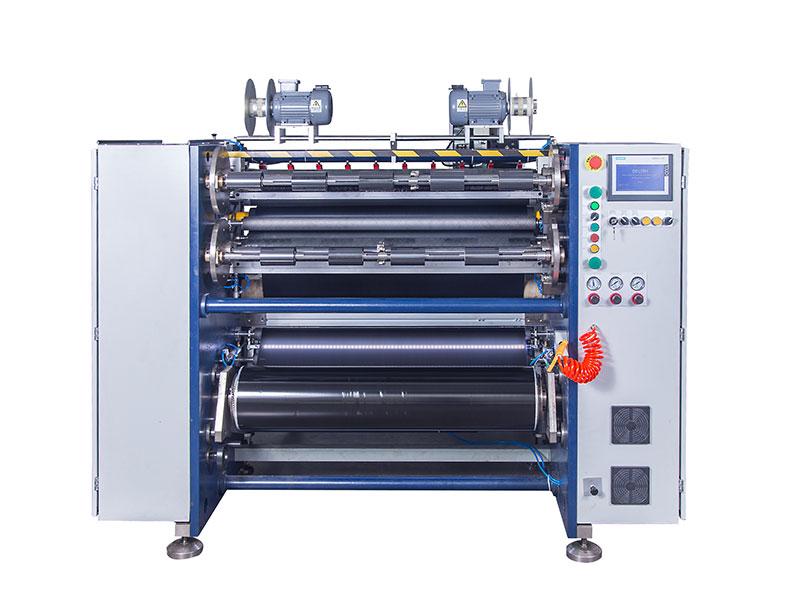 Ribbon Slitting Machine
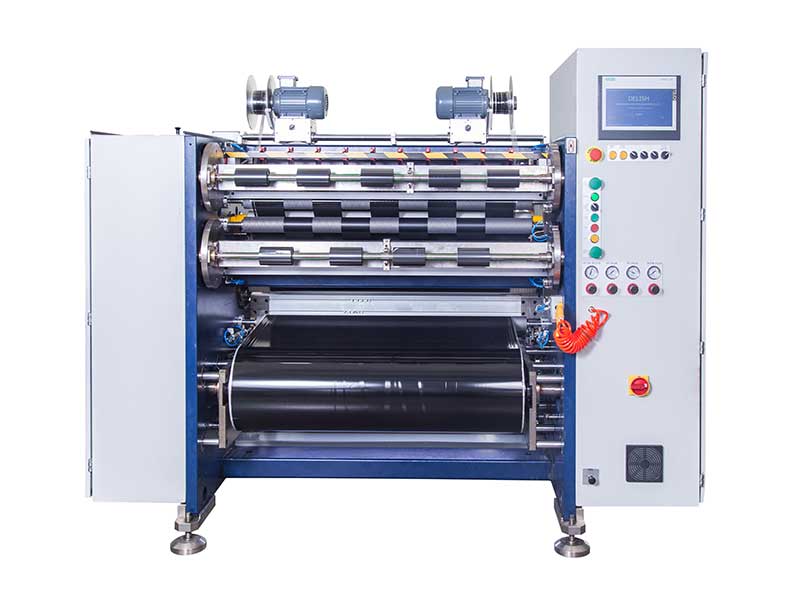 Barcode Ribbon Slitting Machine
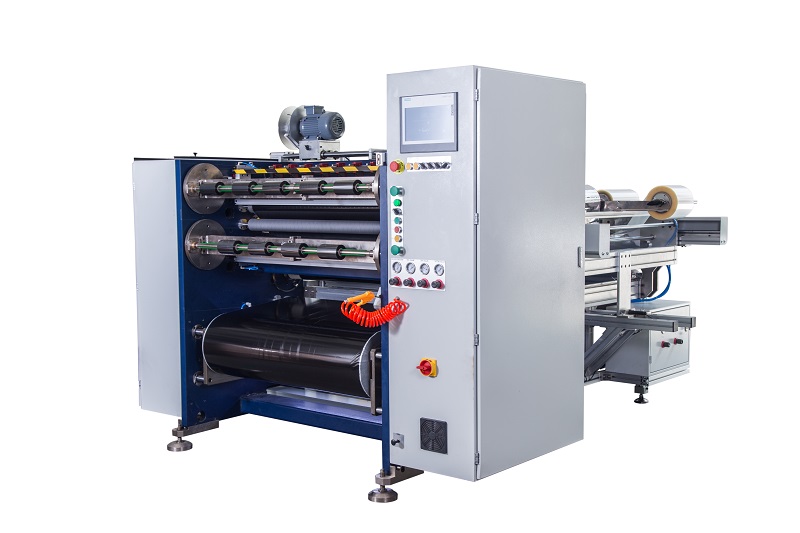 Semi Automatic Thermal Transfer Ribbon Slitter RSDS5 PLUS
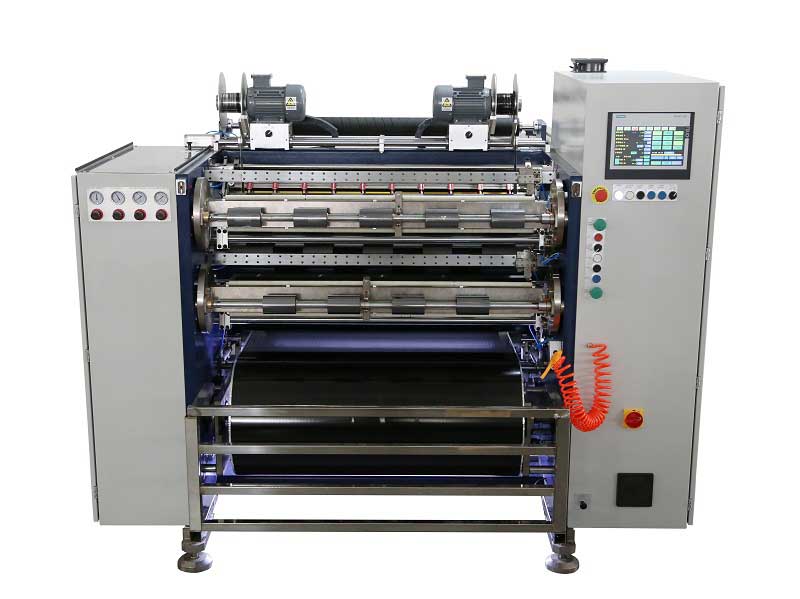 Automatic Thermal Transfer Ribbon Slitter RSDS8 H PLUS
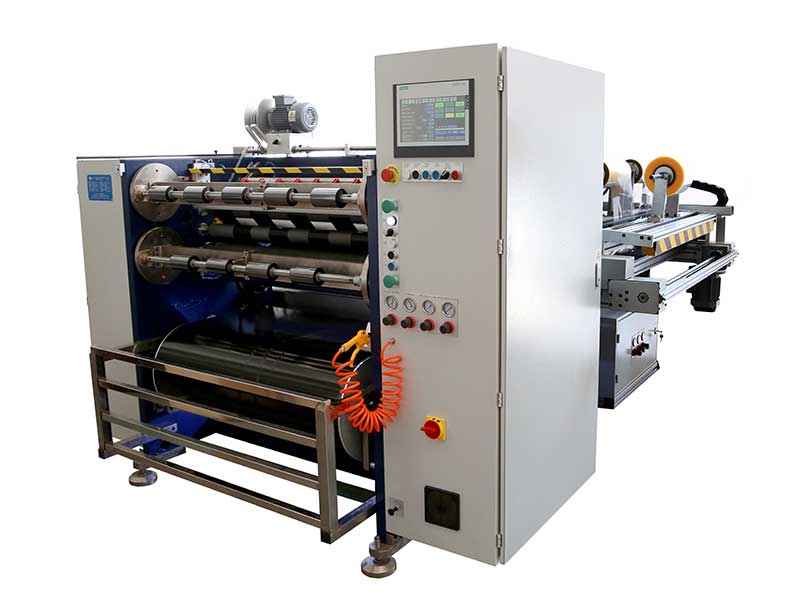 Automatic Thermal Transfer Ribbon Slitter RSDS6 PLUS
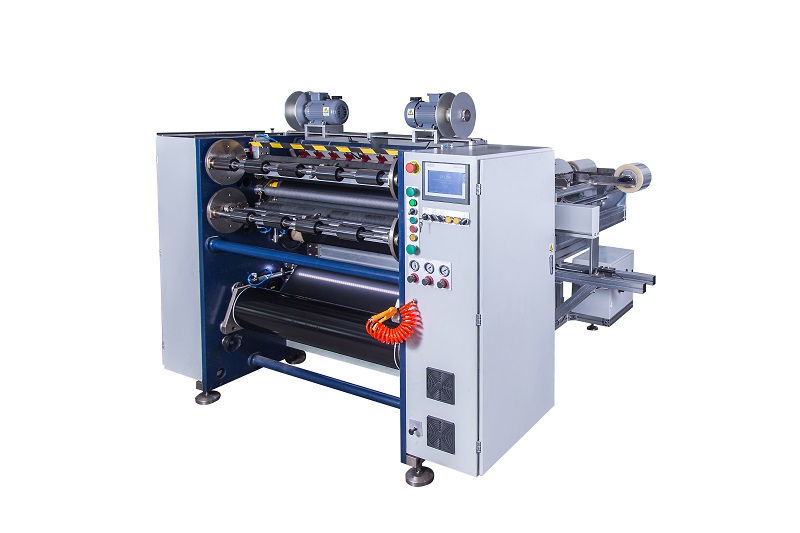 Semi Automatic Thermal Transfer Ribbon Slitter RSDS1 PLUS
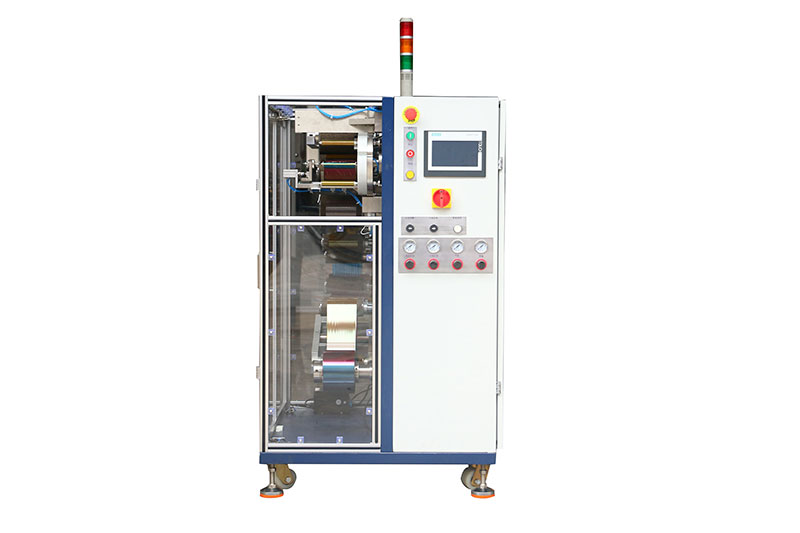 Card Print Ribbon Rewinder
 Semi Automatic Thermal Transfer Ribbon Slitter RSDS2 PLUS