In 2026, the film slitting machine industry will reach a critical technological turning point. Against the backdrop of higher demands for film materials in new energy, optical displays, and high-end packaging, slitting equipment manufacturers have achieved multiple substantial breakthroughs around the two core indicators of "efficiency" and "precision." This is not only an improvement in equipment performance but also signifies a leap in the overall process level of film processing.
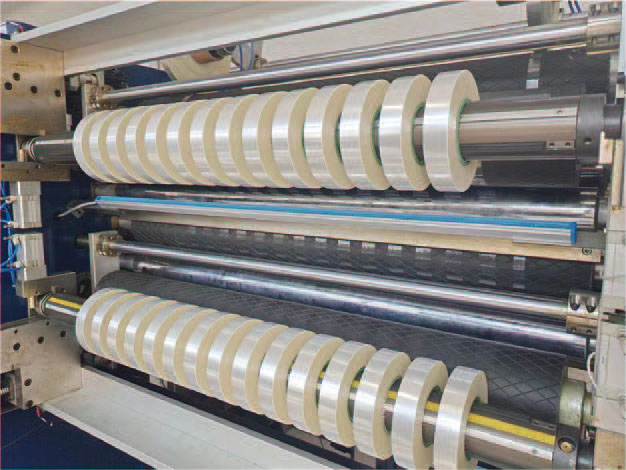
Efficiency Leap: From single-machine optimization to production line collaboration
Traditional slitting machines are limited by mechanical structure and control logic, with significant time losses in processes such as rewinding, tool adjustment, and troubleshooting. The new generation of slitting machines in 2026 will significantly improve overall operational efficiency through innovations on three levels.
First is the maturity of automatic recoil changing technology. The new generation of equipment adopts a combination of "zero-speed tool setting + flying shearing," enabling core switching at high speed, reducing coil change time from the previous 2-3 minutes to under 15 seconds. For production lines producing dozens of coils daily, this improvement can free up more than 1 hour of effective production time per day.
Next is intelligent production scheduling and adaptive adjustment. The equipment uses built-in process models to automatically recommend the optimal slitting scheme—including tool spacing, tension curve, winding pressure, and other parameters—based on information such as the thickness, width, and material of the incoming film. The system reduces tool adjustment time from over 20 minutes of manual operation to within 30 seconds, and avoids trial cutting losses caused by human error.
Third, full-process logistics linkage. By 2026, mainstream slitting machines will be widely integrated into factory MES systems, enabling real-time communication with upstream blown film/casting lines and downstream packaging lines. Material flow no longer relies on manual temporary storage and handling; slitting machines can directly trigger AGV dispatch commands based on finished product roll completion, forming continuous flow operations. Production line overall effectiveness (OEE) has improved by an average of 22 percentage points compared to 2023.
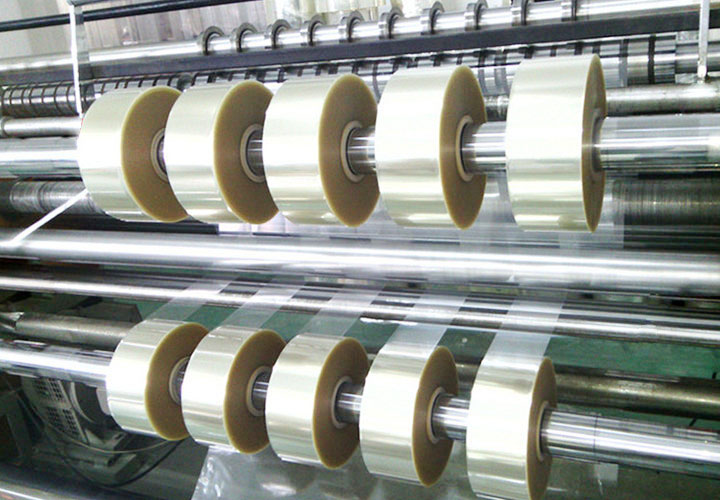
Precision breakthrough: micron-level control becomes standard
Film slitting accuracy directly affects the material utilization rate and product consistency of downstream customers. In the past, "micron-level precision" was more of a highlight in high-end equipment, but by 2026, it has become the performance benchmark for mainstream models.
In terms of width control, the closed-loop servo tool adjustment system replaces traditional manual or open-loop positioning methods. Each tool holder is equipped with a high-precision grating scale and an independent servo motor, with a tool distance adjustment resolution of 0.5 microns, and actual slitting width deviation controlled within ±10 microns. More importantly, the system can monitor blade axial movement and thermal expansion in real time during equipment operation, and automatically compensate and correct it, ensuring width stability within ±20 microns during hours of continuous production.
In terms of end-face quality, the new generation slitting machine introduces laser online monitoring and adaptive tension control. By installing a high-speed linear array camera next to the winding spindle, the system can capture defects such as edge burrs, misalignment, and wrinkles in real time, and reverse-adjust the tension ratio between the unwinding and rewinding sections as well as the contact pressure curve of the rollers. Measured data show that the burr height on the slitting end face of common PET films has dropped from an average of 0.12mm in the previous generation equipment to below 0.03mm, and the flatness meets the requirements for optical-grade applications.
In addition, upgrades in edge detection technology are also worth noting. Traditional ultrasonic or optoelectronic edge trackers are easily affected by thin film transparency, color, and surface reflectance. The optical coherence tomography (OCT) edge sensors, which will be popularized in 2026, will use the principle of low coherence light interference to achieve submicron-level edge localization and are not affected by the optical properties of thin films. Even highly transparent optical-grade protective films or deep black conductive films can maintain edge tracking accuracy of ±5 microns.
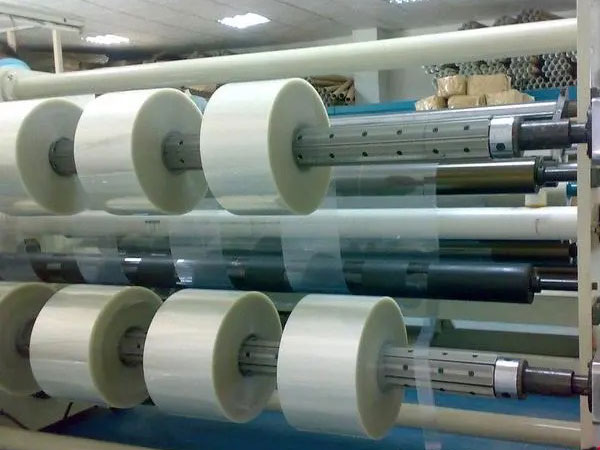
The driving force behind technological convergence
The factors driving this round of innovation are multifaceted.
From the market demand perspective, high value-added film products such as lithium battery separators, optical compensation films, and high-frequency copper-clad laminates have increasingly stringent requirements for slitting quality. Downstream customers not only focus on the dimensional accuracy of finished rolls but also require traceability of tension history for each meter of film and recordable tool wear status at every edge. As a result, equipment suppliers are accelerating their shift toward data-driven, closed-loop control.
From the perspective of technology supply, the costs of upstream technologies such as servo drive, high-speed image processing, and low-power embedded control have rapidly decreased, enabling high-precision execution and inspection modules previously only used in semiconductor equipment to be extended into the slitting machine field. A complete closed-loop tool adjustment system has reduced hardware costs by nearly 60% between 2022 and 2026, allowing mid-range models to feature features previously exclusive to flagship-level models.
Challenges and Prospects
Although technological achievements in 2026 are encouraging, the industry still faces unavoidable challenges. There are still technical bottlenecks in online detection of micro-wear on tools under high-speed slitting—current indirect monitoring methods (such as motor current and vibration spectrum) have not achieved precise mapping between slitting mass losses. In addition, for ultra-thin films (thickness < 3μm) and elastomer film slitting and complete set processes, which still require further breakthroughs.
Looking ahead to the next three years, the development of film slitting machines will deepen in two directions: first, further enhancing the level of intelligence, enabling equipment to autonomously optimize slitting parameters through machine vision and reinforcement learning algorithms; Second, scenario specialization, developing specialized models and process packages for new materials such as solid-state battery electrolyte films and biodegradable films.
It is foreseeable that breakthroughs in "efficiency" and "precision" are only the starting point. As slitting machines evolve from execution devices into intelligent units with perception, decision-making, and learning capabilities, the underlying paradigm of thin film processing will also change. For companies involved in every link of the industry chain, identifying and embracing this technological wave is no longer optional, but a must-answer question.
 English
 Deutsch
 Français
 Español
 Português
 日本語
日本語 русский
 한국어
한국어 عربي
عربي ภาษาไทย
 Tiếng Việt
 Italiano
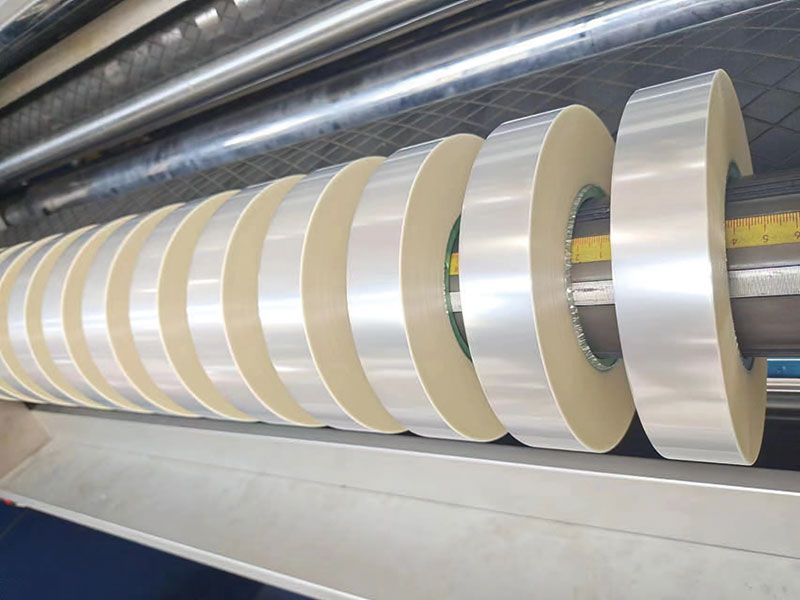 Film Slitting Machine
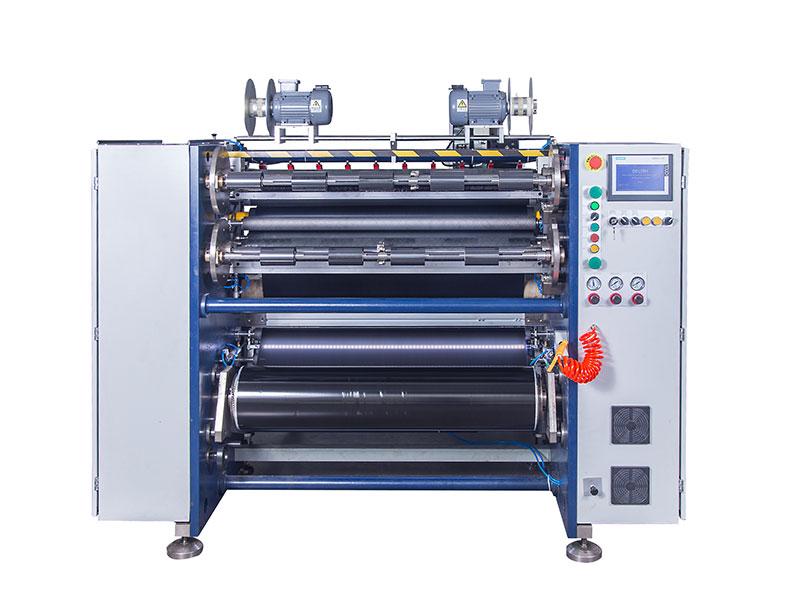 Ribbon Slitting Machine
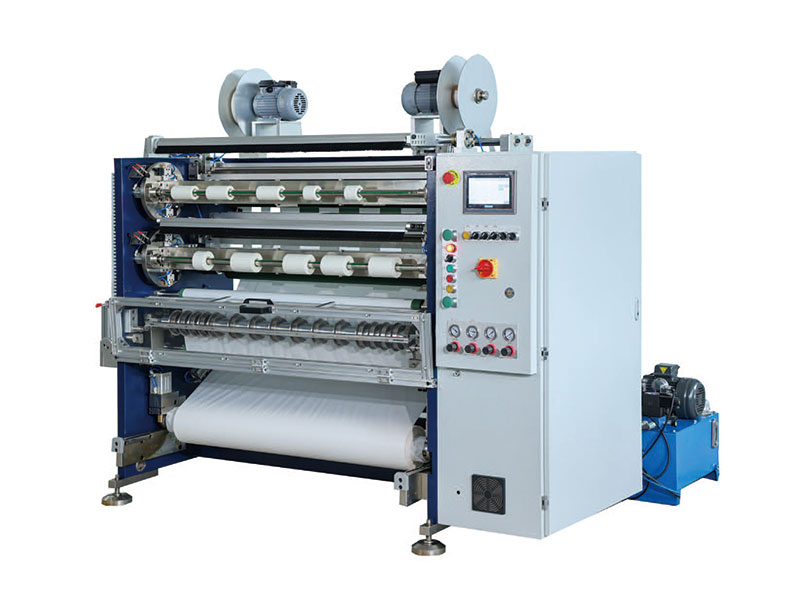 Tape Slitter
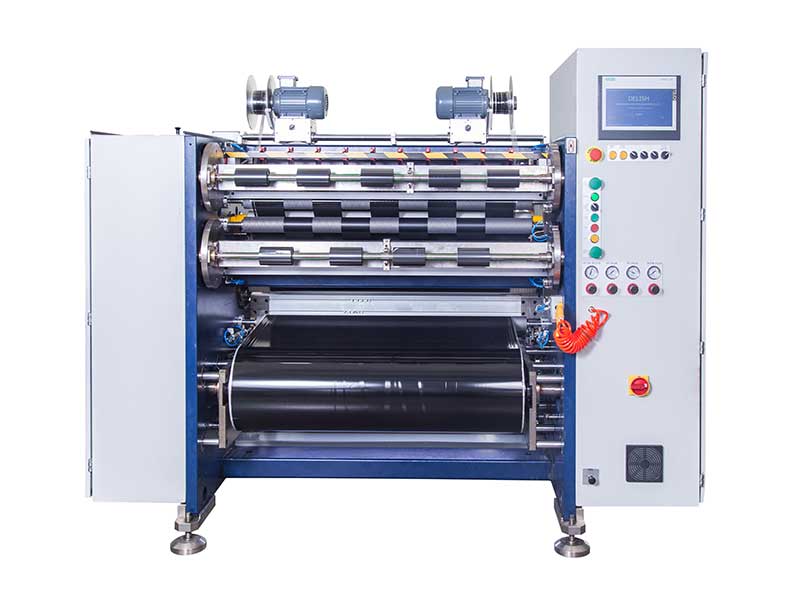 Barcode Ribbon Slitting Machine
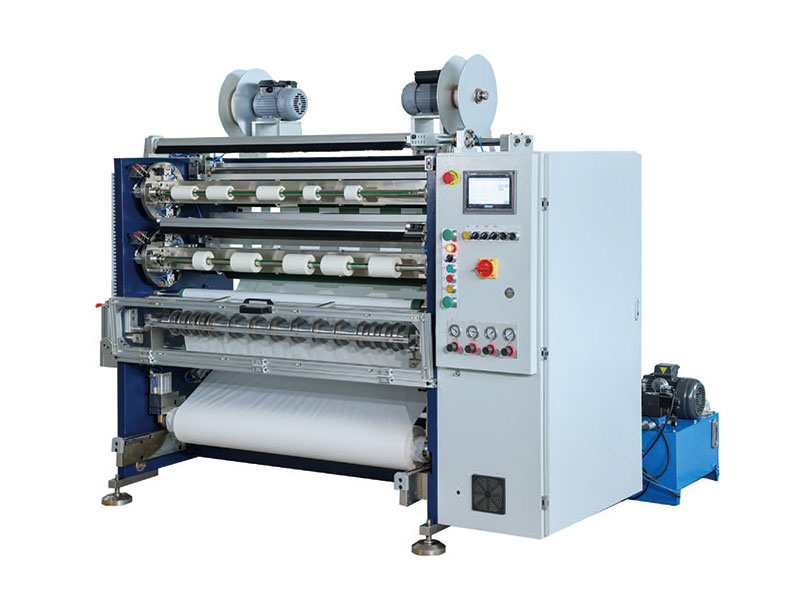 Single Side Adhesive Slitter
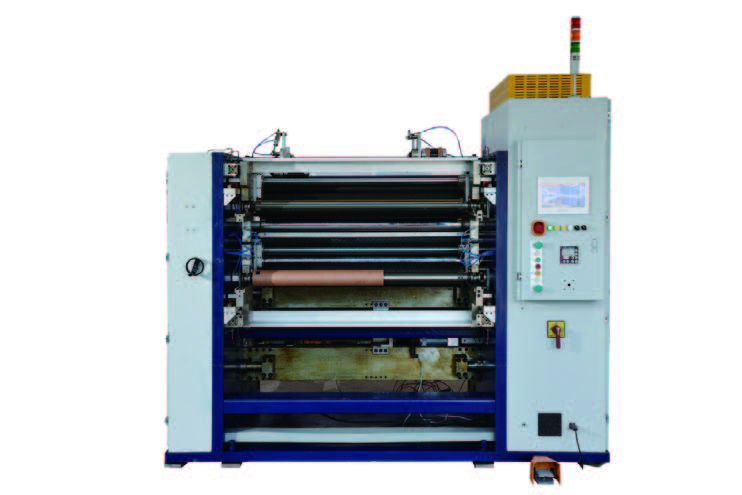 Capacity Film Slitter
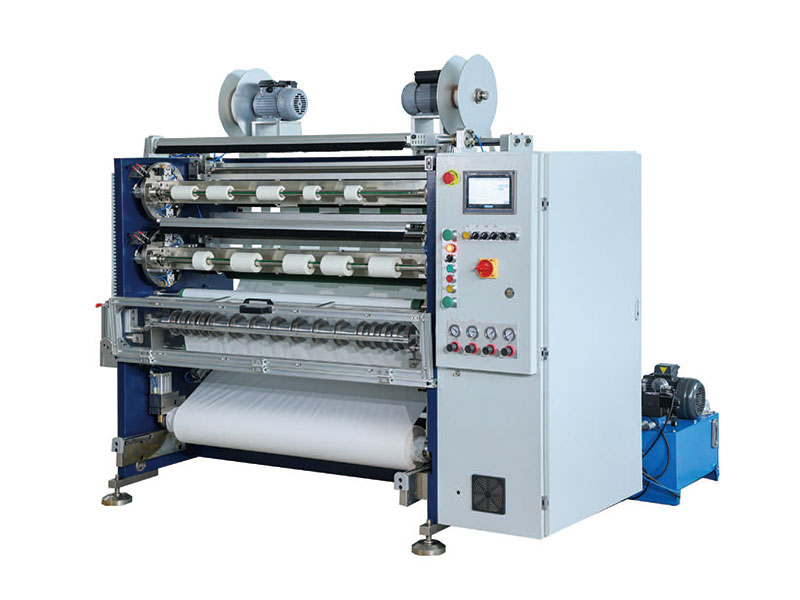 Double Side Adhesive Slitter
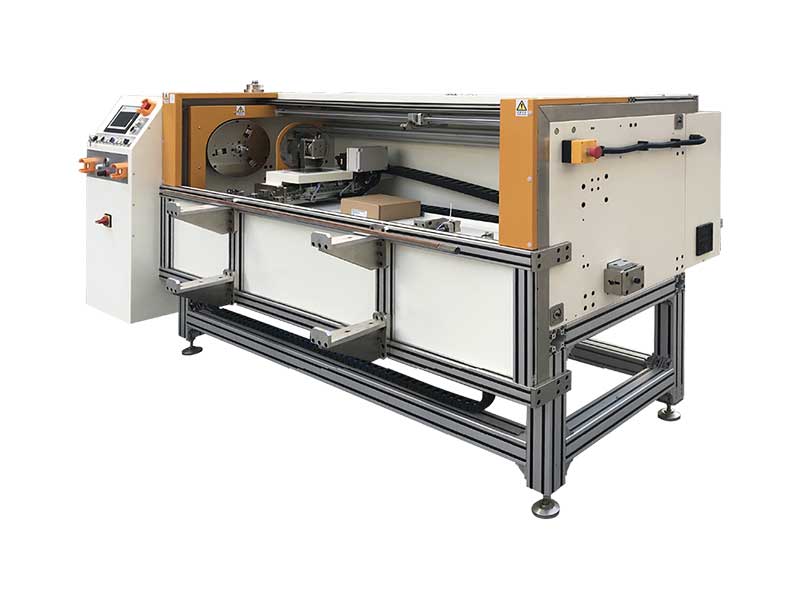 Automatic Foil Roll Cutter