In the field of film processing, with the continuous improvement of material length and width requirements for end applications, large coil diameter winding has become the norm in the slitting process. However, when the winding diameter exceeds 600mm or even 800mm, the winding structure of traditional slitting machines often faces problems such as core wrinkles, uneven end faces, serious bottom wrinkles, or even inability to wind normally. For this reason, winding arm solutions designed for large coil diameter materials have emerged as a key technology to improve the quality and efficiency of winding materials.
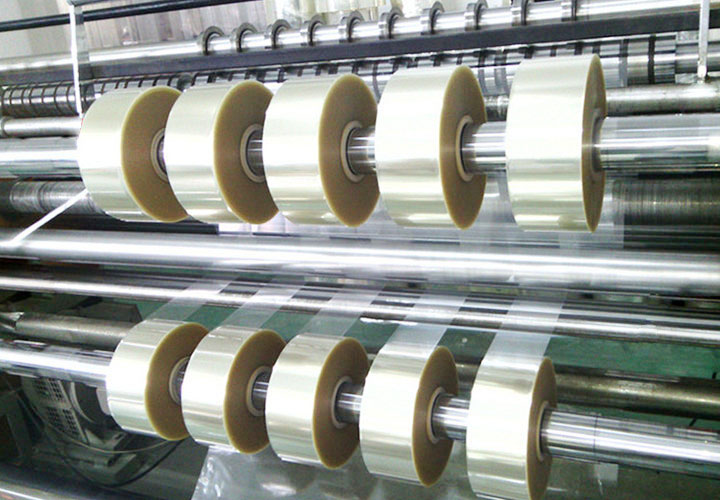
1. The core challenge of winding large rolls
The difficulty of winding large coil diameter is not simply due to the weight of the coil, but from the uneven tension distribution and internal stress changes during the winding process:
1. Tight inside and loose outside and bottom wrinkle: When winding a large coil diameter, the initial coil layer will be subjected to subsequent increasing radial pressure, and if it cannot be effectively unloaded, the inner film is prone to permanent wrinkles (bottom wrinkles).
2. Core Deformation and Collapse: Conventional 3-inch or 6-inch paper cores may exhibit elliptical deformation after being subjected to radial compression of large rolls, resulting in difficulty in unwinding or unwinding deviation.
3. End face misalignment and swimming: As the roll diameter increases, the slight runout or air pressure fluctuation of the winding roller will be amplified, resulting in a "cauliflower-shaped" winding end face or uneven edges.
4. Air entrainment: During the large-diameter winding process, the air entrained between the layers is not easy to discharge, leading to the collapse or deformation of the finished product after loose winding.
2. The functional principle of the rewinding arm
The special pressure arm is not a simple mechanical compression device, but an intelligent structural component integrating constant pressure contact, follow-up compensation, and shock absorption and gap reduction. Its core working principles include:
• Active Radial Pressure Control: The pressure arm applies a controllable radial pressure to the surface of the winding film roll through air bags, servo motors, or counterweight mechanisms, which adjusts with the increase in the roll diameter. This pressure counteracts the expansion tendency between the internal layers, making the roll compact and flat.
• Core anti-wrinkle protection: during the initial rewinding phase, the press arm provides auxiliary compression force to prevent starting slippage; After entering the large coil stage, the pressure arm is gradually unloaded or maintained at a constant low pressure to avoid overpressure deformation of the coil.
• Dynamic following and vibration reduction: The end of the pressure arm is often equipped with a follow-up roller or arc platen, which can follow the change of the outer diameter of the film roll in real time and absorb the mechanical vibration of the winding roller to ensure that the pressure area is uniform and continuous.
• Chip evacuation and exhaust: In some schemes, the surface of the pressure arm is designed with grooves or special coatings, which is conducive to the discharge of air and fine dust between layers, and improves the internal cleanliness of large coil diameters.
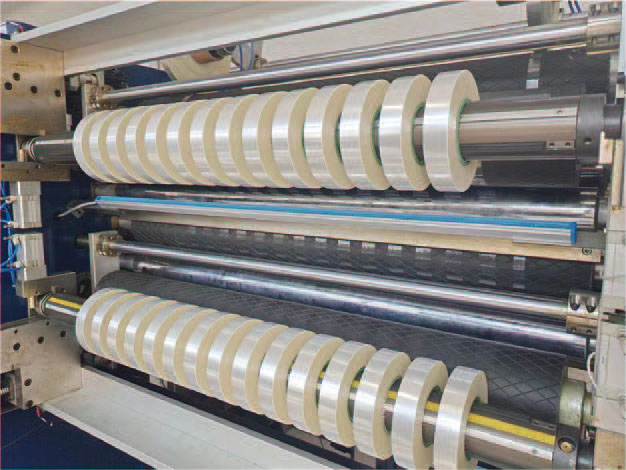
3. Typical Technical Solution and Configuration
For slitting large roll-diameter films (such as BOPP, PET, PE, aluminum foil, battery separators, etc.), the mainstream compression arm solutions can be divided into three categories:
| Type | Drive method | Pressure regulation | Applicable scenarios |
| Pneumatic arm compression | Low-friction cylinder + proportional valve | Constant pressure or taper decrease | General-purpose film, with a winding diameter of ≤ 800mm |
| Servo arm compression | Servo motor + ball screw | Precise position/pressure closed-loop | High-precision, wrinkle-prone material, diameter ≤ 1200mm |
| Mechanical counterweight pressure arm | Counterweight + linkage mechanism | Fixed force value, manual adjustment | Low cost, mass production of the same specifications |
Among them, servo pressure arms, with their programmable pressure curves, fast response speed, and no interference from air source fluctuations, have become standard equipment for high-end large-diameter slitting machines.
4. Key design points
1. Pressure zone contact method: It is recommended to use pressure roller contact rather than single-point pressure plates. The roller surface is coated with polyurethane of moderate hardness (hardness about 60-80 Shore A), ensuring a good fit without damaging the film surface.
2. Pressure Distribution Optimization: The pressure arm should be designed with independent left-right adjustment or balance mechanisms at both ends to avoid pressure deviation caused by core bending or mechanical misalignment.
3. Safety interlock function: When rewinding large diameters, the pressure arm must be equipped with overload protection and emergency lifting functions to prevent damage to equipment or personnel during operation or film breaking.
4. Linkage with tension control system: arm pressure should be set in conjunction with the winding tension and taper curve. A combination of low tension + appropriate arm pressure is usually recommended.
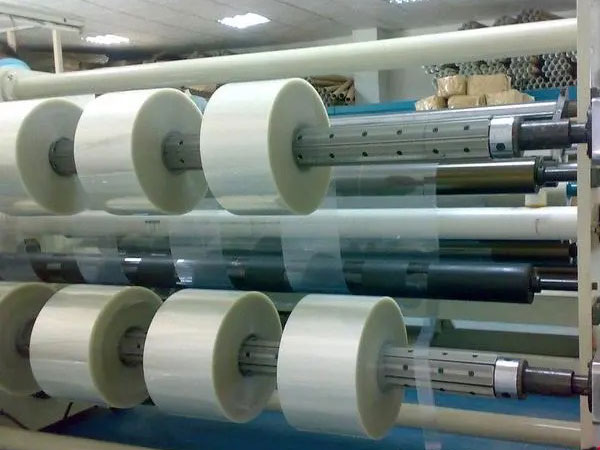
5. Application Effects and Typical Cases
A new energy materials company produces lithium battery separators with a thickness of 6μm. The original slitting machine had a maximum winding diameter of 600mm, but after upgrading to 800mm, frequent bottom wrinkling and core collapse occurred. After introducing the servo follow-up arm scheme:
• Bottom wrinkle defect rate reduced from 12% to below 0.3%;
• Allows maximum winding diameter to increase to 1000mm, reducing the number of rerolls and increasing capacity by 35%;
• End alignment optimized from ±3mm to within ±1mm.
Another BOPP tape slitting factory originally used an old-style slitting machine without pressure arms, and when the winding diameter exceeded 400mm, uneven end faces appeared. With the addition of a simple pneumatic pressure arm, the stable winding diameter reaches 700mm, without the need to reduce slitting speed.
6. Model selection and maintenance recommendations
• Is a pressure arm mandatory: If the conventional winding diameter < 500mm and the material hardness is relatively high (such as BOPP above 20μm), a dedicated pressure arm may not be necessary; If the thickness exceeds 500mm or the material is soft/thin, it is strongly recommended to configure it.
• Daily maintenance focus: Check the flexibility of the pressure arm bearing, clean the rubber layer on the pressure roller surface, and regularly calibrate the pressure sensor or proportional valve for zero drift.
• Equipment compatibility: When retrofitting old machines, assess the rigidity of the winding shaft and the load capacity of the frame, and if necessary, simultaneously reinforce the wall panels and winding arms.
7. Conclusion
Large roll diameter slitting has become an important direction for improving quality and efficiency in the film processing industry, and the winding arm is the key functional unit to meet this challenge. Through reasonable selection of pressure arm types, pressure curve optimization, and deep integration with existing control systems, not only can the internal quality and appearance of large-diameter film rolls be significantly improved, but the capabilities of equipment can also be expanded, reducing overall production costs. For manufacturers dedicated to high-end film manufacturing, a mature and reliable winding arm compression solution has shifted from being a "bonus" to a "must-have."
Note: Specific parameters and implementation details should be customized and designed by professional slitting machine manufacturers based on material characteristics, equipment models, and process requirements.
 English
 Deutsch
 Français
 Español
 Português
 日本語
日本語 русский
 한국어
한국어 عربي
عربي ภาษาไทย
 Tiếng Việt
 Italiano
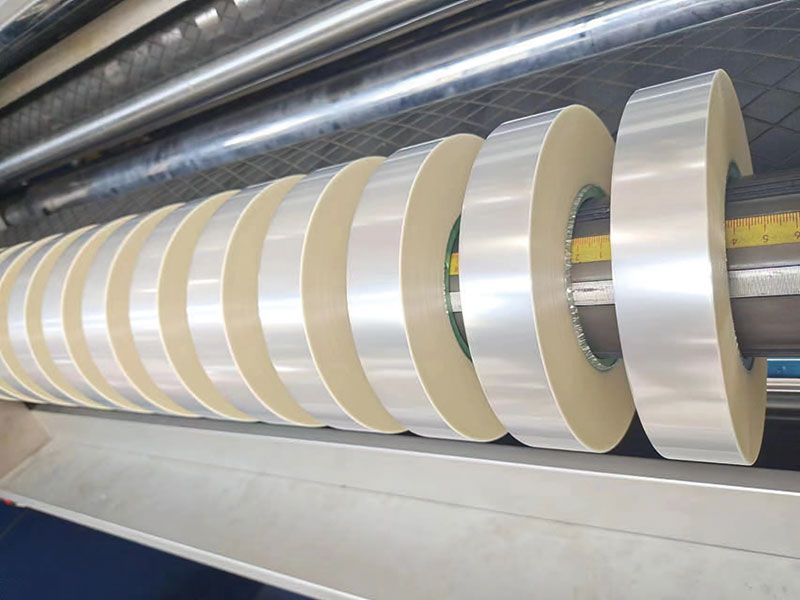 Film Slitting Machine
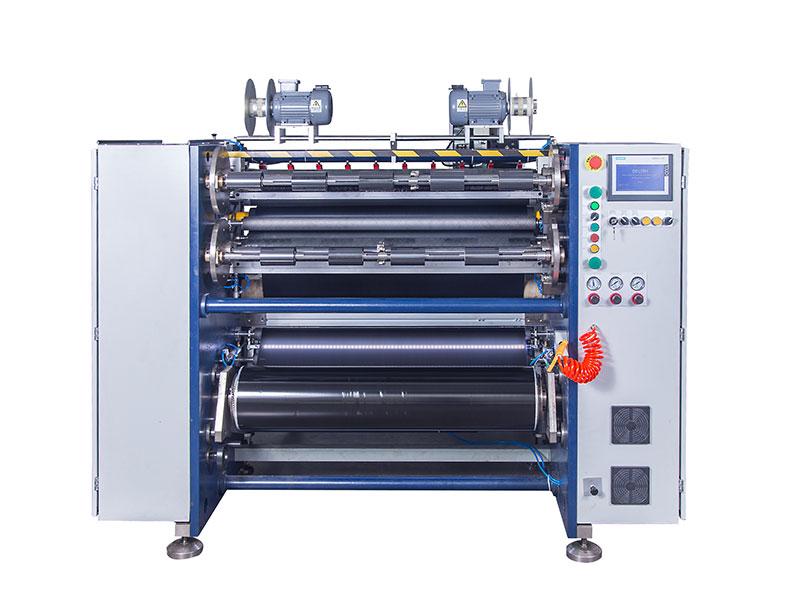 Ribbon Slitting Machine
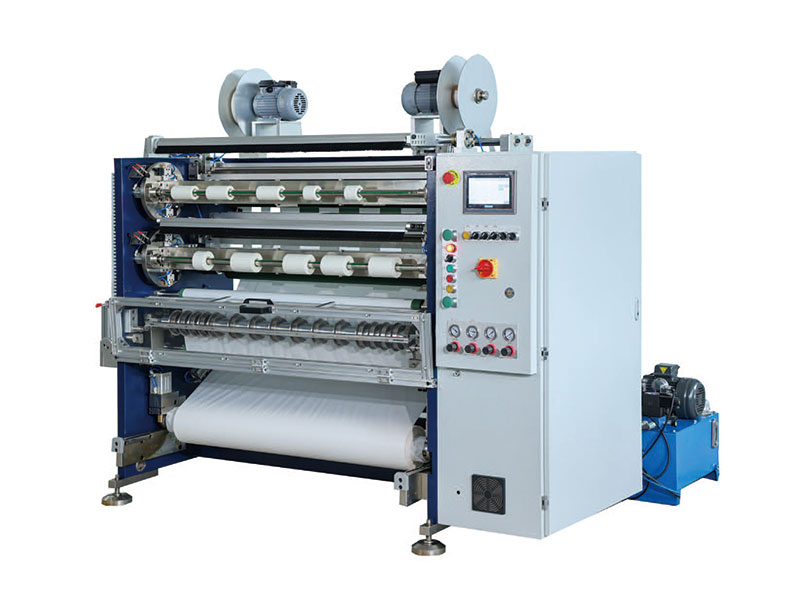 Tape Slitter
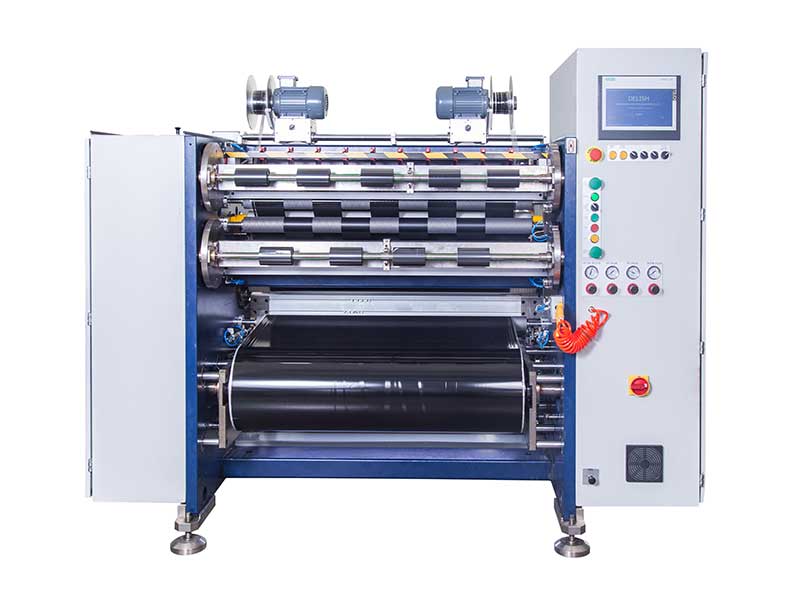 Barcode Ribbon Slitting Machine
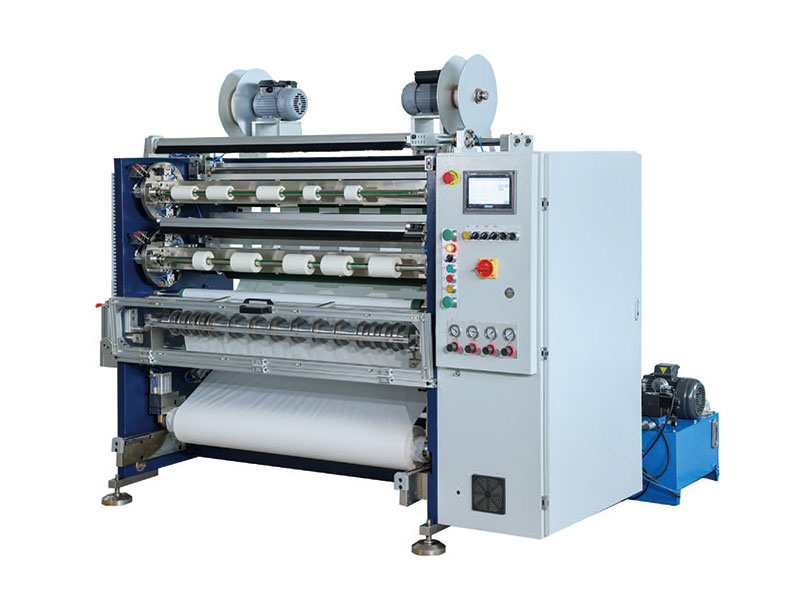 Single Side Adhesive Slitter
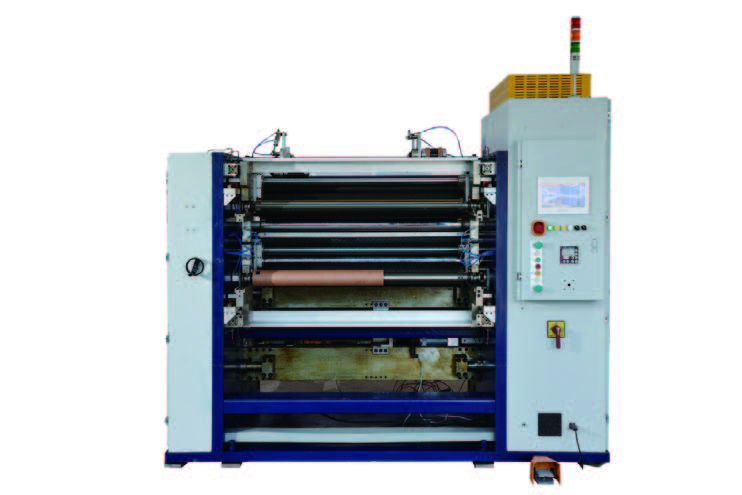 Capacity Film Slitter
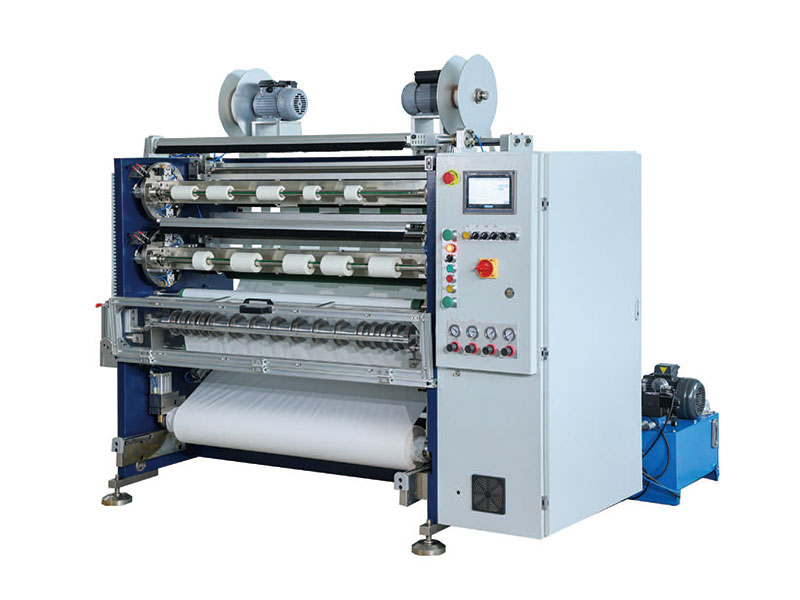 Double Side Adhesive Slitter
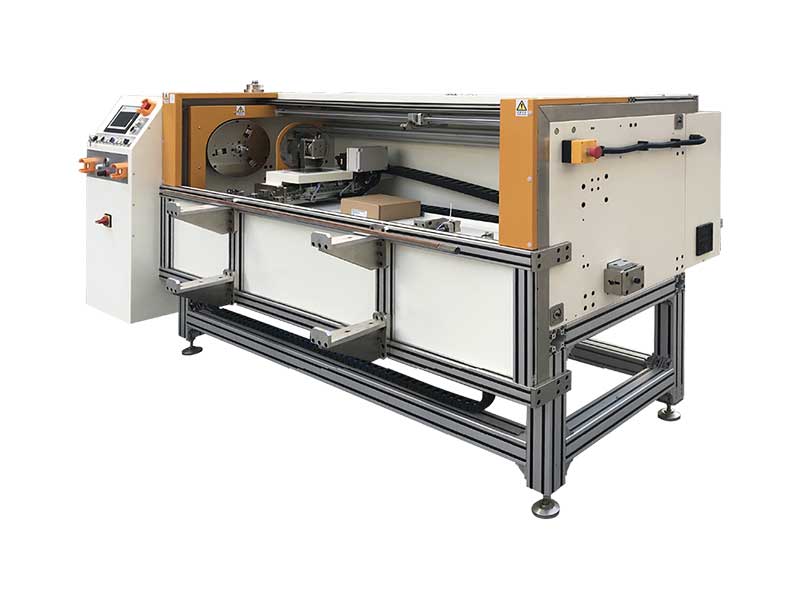 Automatic Foil Roll Cutter