Introduction
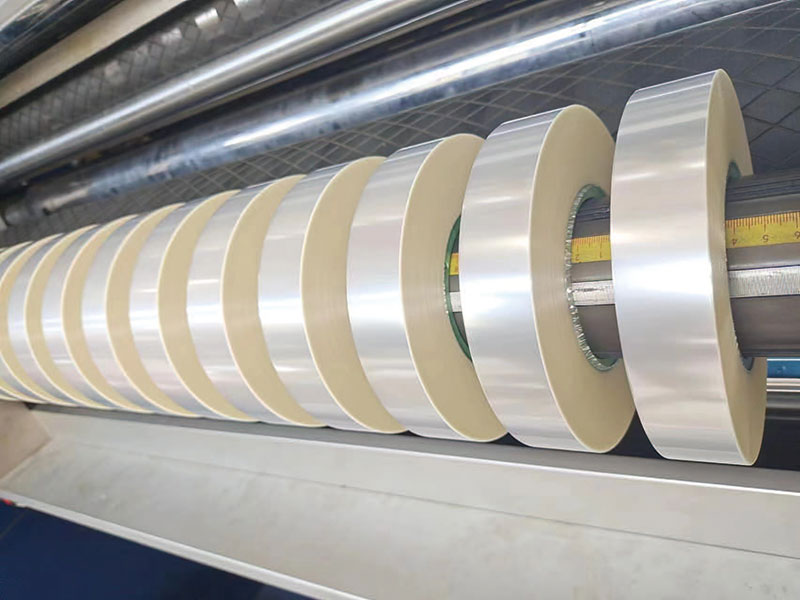
In the film processing industry, the efficiency and quality of the slitting process directly determine the cost and yield of downstream production. However, speed and accuracy naturally have a contradiction: increasing the slitting speed often leads to film displacement, increased dimensional deviations, and uneven end faces; On the other hand, excessive pursuit of precision limits capacity and increases unit costs.
Based on actual production line commissioning data, this paper explores how to achieve the optimal balance of speed and precision on thin film slitting machines, and provides quantifiable parameter schemes.
1. The core contradiction between speed and precision
| Parameters | High-speed condition (≥300m/min) | Low speed condition (≤100m/min) |
| Lateral offset amount | ±0.35mm | ±0.10mm |
| Width tolerance | ±0.20mm | ±0.08mm |
| End Face Flatness (Rz) | 12-18μm | 6-8μm |
| Tension fluctuations in the winding force | ±8% | ±2% |
Data shows that speed increases threefold, while accuracy indicators degrade by about 2-3 times. Therefore, the key to balance is to dynamically adjust control strategies based on film type, customer requirements, and order batches.
2. Practical data-driven balanced solutions
1. Material grading—develop differentiated process paths
Based on 3-month production data from a certain packaging film company (a total of 2,860 batches), we divide the films into three categories:
| Film type | Typical thickness | Recommended speed | Recommended precision control methods | Measure the yield rate |
| Category A: Ordinary PE/PP | 30-80μm | 350-400m/min | Pneumatic pressure roller + conventional EPC | 97.3% |
| Category B: Aluminum foil composite film | 12-30μm | 180-240m/min | Servo correction + low-tension closed-loop | 95.8% |
| Category C: Optical/battery separator | 5-12μm | 80-120m/min | Laser width measurement + dual closed-loop tension | 92.5% |
Key conclusion: Not all membranes require high precision; blindly standardizing high or low speed is uneconomical.
2. Closed-loop control system—measured comparison
We conducted comparative tests of three control strategies on the same slitting machine (width 1300mm), testing 25μm PET film with a target width of 600mm.
| Control strategy | Average speed (m/min) | Width CPK | Rolling time (s) | Comprehensive efficiency index |
| Open-loop control | 320 | 0.82 | 45 | 0.71 |
| Standard PID correction | 280 | 1.08 | 35 | 0.85 |
| Adaptive feedforward + EPC | 310 | 1.21 | 32 | 0.96 |
Description: The adaptive feedforward system detects the edge position trend of the film in real time and adjusts the straightening roller angle 0.2 seconds in advance, reducing offset at high speeds by 42%.
Practical data: This solution operates continuously for 72 hours, maintaining speeds of 300-320m/min, with a width tolerance controlled within ±0.12mm (customer requirements ± 0.15mm).
3. Tension Segmentation Control — A Often Overlooked Precision Breakthrough
Traditional slitting machines use a single winding tension setting, and at high speeds, tension fluctuations are transmitted along the film. We measured the effect before and after segmented control (material: 45μm CPP film, speed 280m/min):
| Stage | Release tension (N) | Slitting zone tension (N) | Winding tension (N) | Alignment of the winding end face (mm) | Tensile deformation rate of the film surface |
| Before the renovation | 85 | 85 | 85 | ±0.31 | 2.1% |
| After the renovation | 90 | 75 | 65 | ±0.14 | 0.8% |
Key practice: maintain low tension in the slitting zone (reducing lateral shrinkage), and use taper decreasing tension for winding. After modification, the speed can be increased to 320 m/min without compromising face accuracy.
4. The impact of tool systems on accuracy—a variable that is often overlooked
We compared the performance of two sets of blades at the same speed (test duration: 8 hours):
| Blade type | Speed (m/min) | Initial width difference (mm) | Width difference after 4 hours (mm) | Blade change frequency |
| Ordinary round knife | 280 | 0.09 | 0.27 | 1 time/class |
| Ceramic-coated circular knife | 300 | 0.06 | 0.11 | 1 time/2 days |
Conclusion: The ability of higher-cost tools to maintain accuracy at high speeds is significantly enhanced, and the downtime for tool changes is reduced, resulting in a net output increase of about 12%.
3. Typical Process Parameter Recommendation Table (Optimized Based on Practical Application)
| Film thickness (μm) | Recommended speed range (m/min) | Recommended correction methods | Tension taper coefficient | Expected width tolerance (±mm) |
| 10-20 | 80-150 | Laser + servo | 0.6-0.7 | 0.08 |
| 20-40 | 150-280 | CCD + servo | 0.5-0.6 | 0.10 |
| 40-60 | 280-380 | Optoelectronic + pneumatic | 0.4-0.5 | 0.12 |
| 60-100 | 350-450 | Optoelectronic + pneumatic | 0.3-0.4 | 0.15 |
Note: The taper coefficient refers to the attenuation ratio of the winding tension from the initial value to the full roll.
4. Guidelines for rapid adjustment of abnormal conditions
In actual combat, when the following phenomena occur, it is recommended to adjust them in the following order of priority:
Phenomenon 1: Wavy folds at the edges
• Priority reduction of slitting zone tension (5N per session)
• Secondly, reduce the speed by 10-20m/min
• Check if the blade is passive
Phenomenon 2: The width gradually narrows
• Check the response speed of the unwinding EPC
• Increase the taper coefficient of retraction by 0.05-0.1
• Reduce the pressure of the rewinding roller
Phenomenon 3: Uneven winding end faces
• Check the guide roller parallelism first (most common in practice)
• Increase correction gain, but should not exceed 1.2 times
• Reduce speed appropriately to a stable zone
5. Summary
The speed and precision balance of film slitting machine is not a fixed formula, but a dynamic matching based on material properties, tool state, tension distribution, and control algorithms. According to actual combat data:
• For 80% of regular orders, adaptive guidance + segmented tension is used to maintain the speed above 300m/min while achieving ±0.12mm accuracy.
• Switching costs and benefits: For every 50m/min increase in speed, the capacity of a single shift increases by about 6,000-8,000 square meters, but if the yield decreases by more than 2%, the gains outweigh the losses.
• Prioritization: Stable tension > sharp tool > fast correction > simply increased speed.
It is recommended that factories establish their own material-speed-accuracy database and update parameter benchmarks quarterly to achieve a continuously optimized equilibrium state.
The data in this article comes from the production records of a flexible packaging enterprise in East China from April 2023 to March 2024, which have been desensitized.
 English
 Deutsch
 Français
 Español
 Português
 日本語
日本語 русский
 한국어
한국어 عربي
عربي ภาษาไทย
 Tiếng Việt
 Italiano
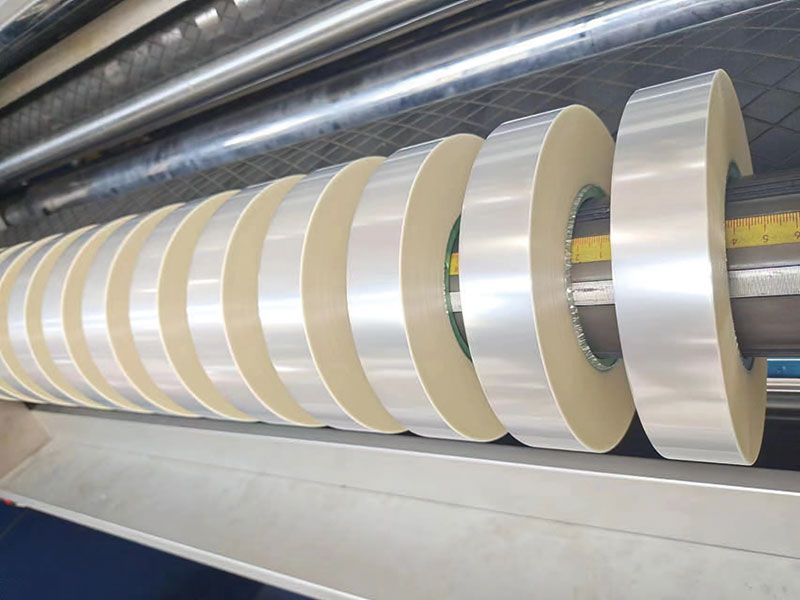 Film Slitting Machine
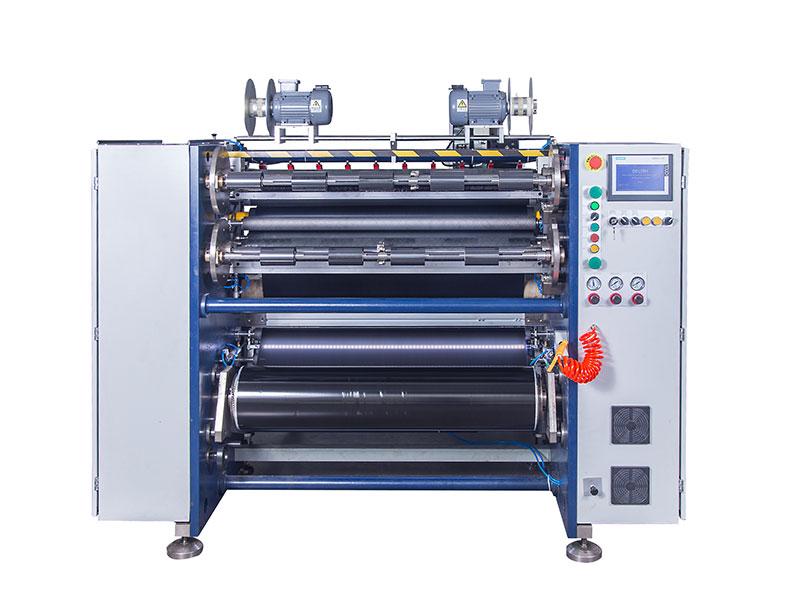 Ribbon Slitting Machine
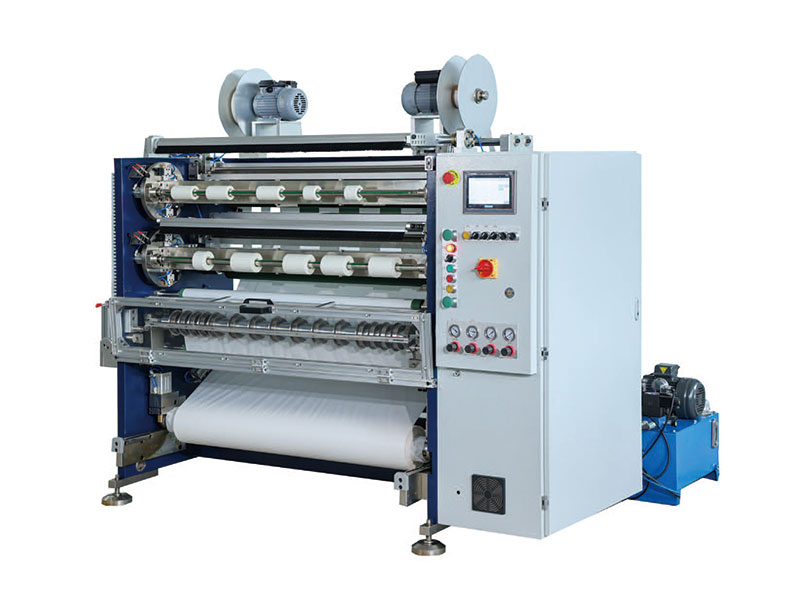 Tape Slitter
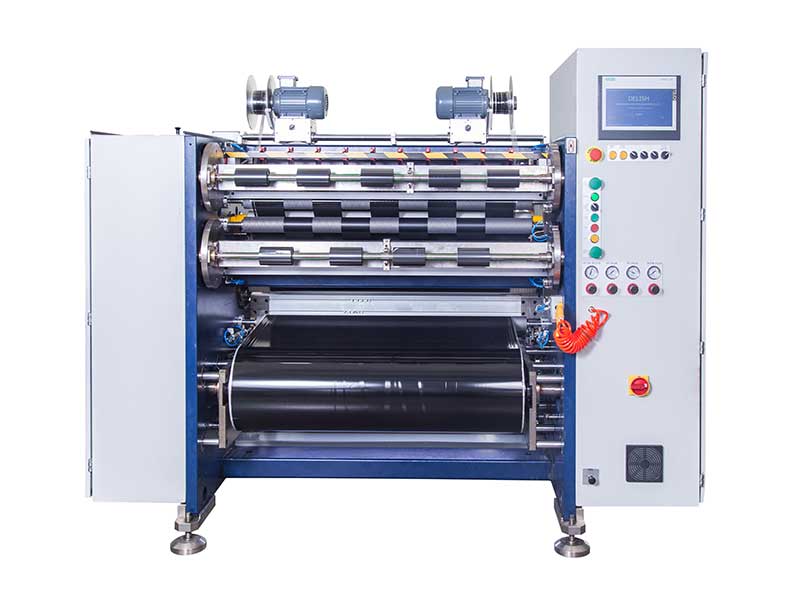 Barcode Ribbon Slitting Machine
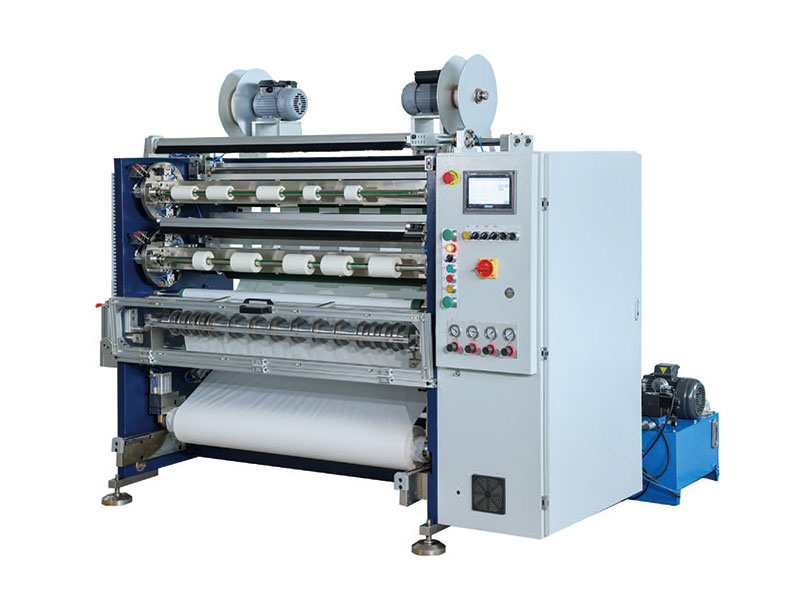 Single Side Adhesive Slitter
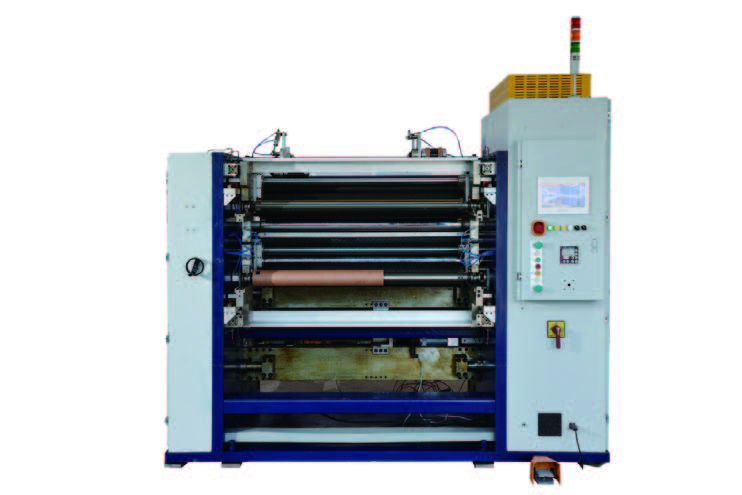 Capacity Film Slitter
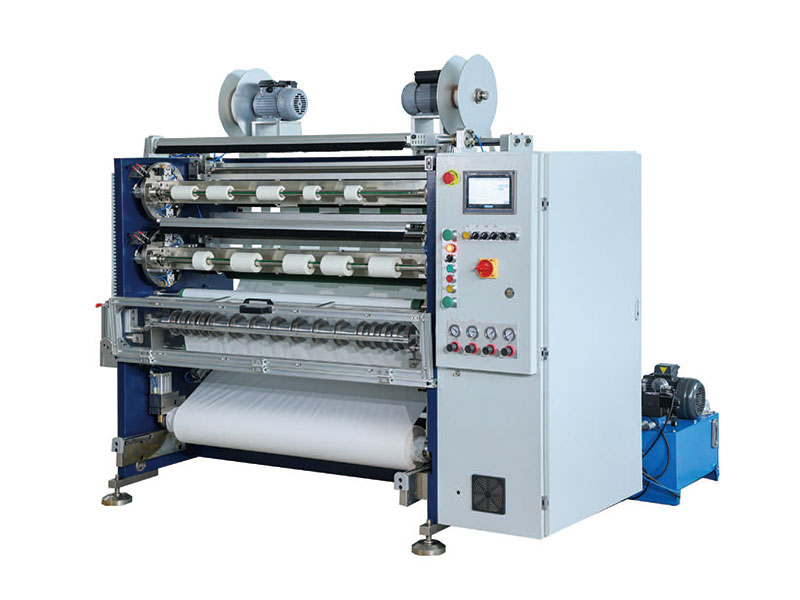 Double Side Adhesive Slitter
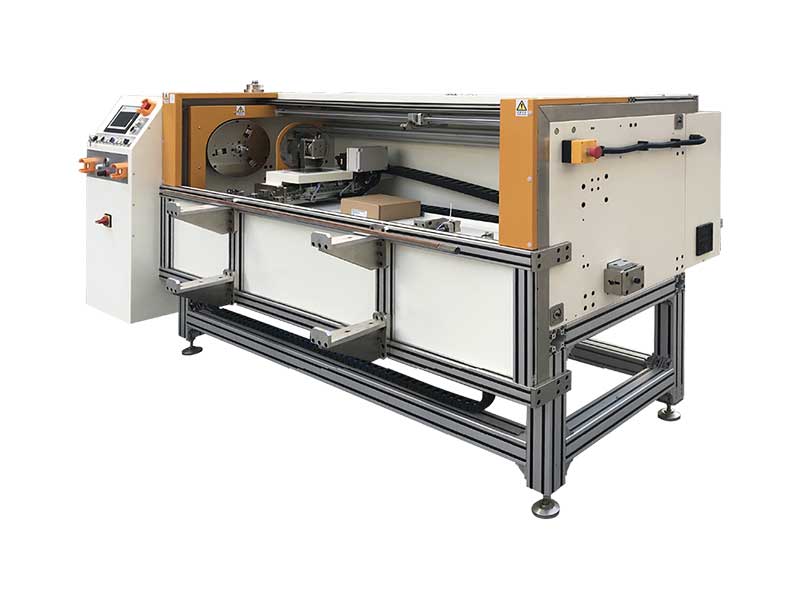 Automatic Foil Roll Cutter