In the process of ribbon production, the slitting machine cuts the uninterrupted film is one of the common failures. This not only affects production efficiency but also causes material waste. The following is a systematic analysis of troubleshooting ideas and solutions from multiple perspectives.
1. The problem of the blade itself
The blade is the core component of slitting, and when there is a situation where the cut film is broken, the first thing to check is the condition of the blade.
Blade Wear: Blades that have been used for a long time will naturally wear out, and the edge will become dull. The judgment method is to observe whether the incision is flat, whether there is a drawing or burr. The solution is to replace the blades regularly, and it is generally recommended to establish replacement intervals based on production volume.
Improper blade installation: Blade installation angle deviation, excessive or small gap with the bottom roller can affect the cutting effect. Check whether the blade is mounted vertically and whether the contact pressure with the bottom roller is moderate. The reference standard is usually an A4 sheet of paper that can pass smoothly without being cut out.
Wrong blade selection: Ribbons of different materials and thicknesses need to match blades with different tooth shapes and angles. For example, thicker wax-based ribbons are suitable for large-angle blades, while resin-based ribbons require sharper blades.
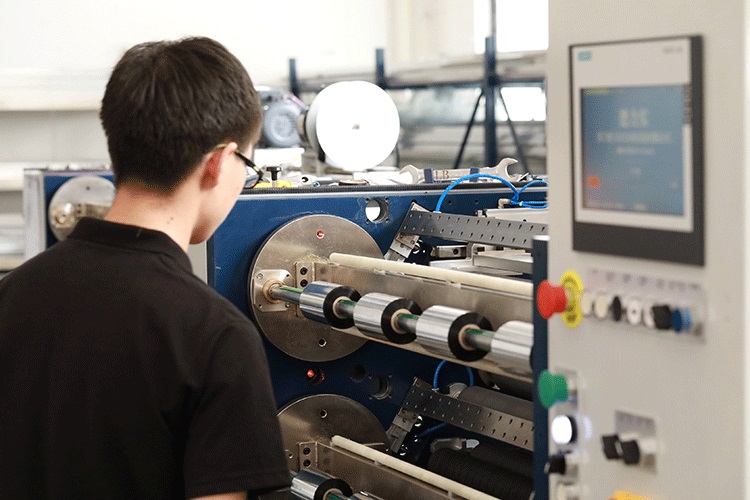
2. The problem of the cooperation between the bottom roller and the tool holder
The state of the bottom roller (also known as the lower cutter roller) directly affects the cutting effect.
Surface damage to the bottom roller: After long-term use, scratches, pits, or gum residue may appear on the surface of the bottom roller, resulting in the blade unable to form an effective shear fit with the bottom roller. The bottom roller surface should be cleaned, and if necessary, grind repair or replace.
Insufficient pressure on the tool holder: If the pressure of the tool holder pressurized by pneumatic or spring is insufficient, the contact force between the blade and the bottom roller is not enough, and the natural cutting continues. Check whether the air pressure is stable, whether the spring is fatigued and fail, and adjust to the pressure value required by the process.
Deviation of parallelism between the tool seat and the bottom roller: If the axis of the tool seat is not parallel to the axis of the bottom roller, it will cause continuous local cutting. Check whether the clearance at both ends is consistent with a feeler gauge or dial indicator, and adjust the height adjustment screws at both ends of the tool holder.
3. Membrane material and tension factors
Sometimes the problem is not in the equipment, but in the material and process parameters.
Too much or too little tension of the film roll: When the tension is too large, the film is pulled too tightly, and the blade is difficult to cut; If the tension is too small, the film will slip or wrinkle during cutting, and the same will not be cut. The unwinding and rewinding tensions should be reset according to the type and thickness of the film.
Change of film coil diameter: As the slitting progresses, the rewinding coil diameter gradually increases, and if the tension control system is not adjusted in time, the actual tension will deviate from the set value. Check if the automatic tension controller is working properly.
Abnormal membrane material: Some batches of ribbon membranes may have abnormally increased toughness due to formulation changes, moisture, or aging. Samples can be taken and tested on another device to confirm if it is a material issue.
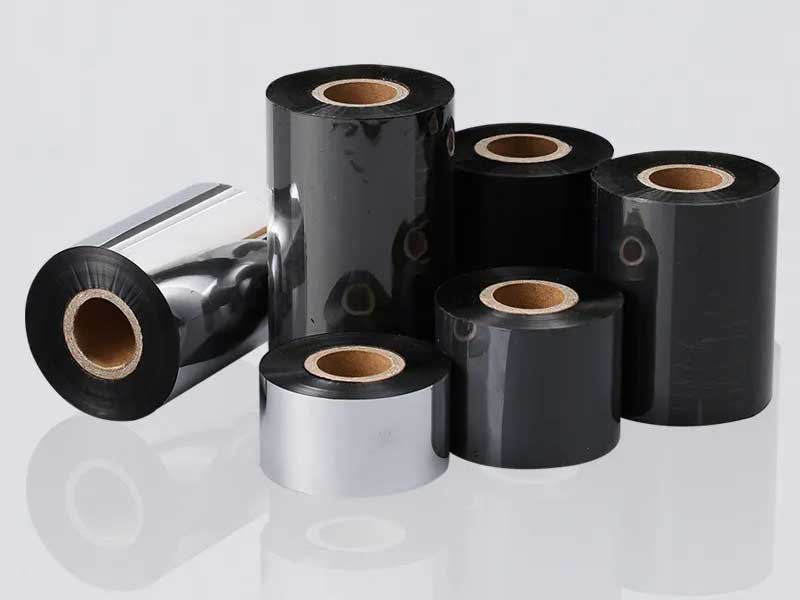
4. Mechanical transmission and electrical problems
The deeper cause may lie in the drivetrain or electrical controls.
Transmission belt slippage: The timing belt of the drive tool seat or bottom roller is loose, resulting in a mismatch between the blade and the bottom roller, and the cutting action is not crisp. Check the belt tension and replace the aging belt.
Bearing wear: The bearing of the tool seat or bottom roller runs out after wearing, and the contact between the blade and the bottom roller becomes unstable. After stopping the machine, use your hand to feel whether there is jamming or looseness, and replace the bearing if necessary.
Abnormal servo or frequency converter parameters: If the slitting speed changes suddenly or the acceleration and deceleration speed is unstable, it may be a parameter drift of the drive or an abnormal feedback from the encoder. Recalibrate the parameters and check the encoder connection.
5. Summary of the quick investigation process
When there is a cut film, it is recommended to quickly troubleshoot in the following order:
1. Visual inspection: Are there any visible chips or dulls on the blade? Are there any scratches on the surface of the bottom roller?
2. Feel test: Manual turning, feel whether the contact between the blade and the bottom roller is uniform and powerful?
3. Single-point trial cutting: When the equipment is stationary, manually feed the film into the knife edge to determine whether it is continuous cutting as a whole or partially.
4. Parameter review: Check whether the tension set value and knife pressure value are within the process specifications.
5. Replacement comparison: Replace a new blade to try cutting to eliminate blade factors.
6. No-load operation: raise the tool seat and listen to whether there is any abnormal noise in the operation of the bottom roller and bearing.
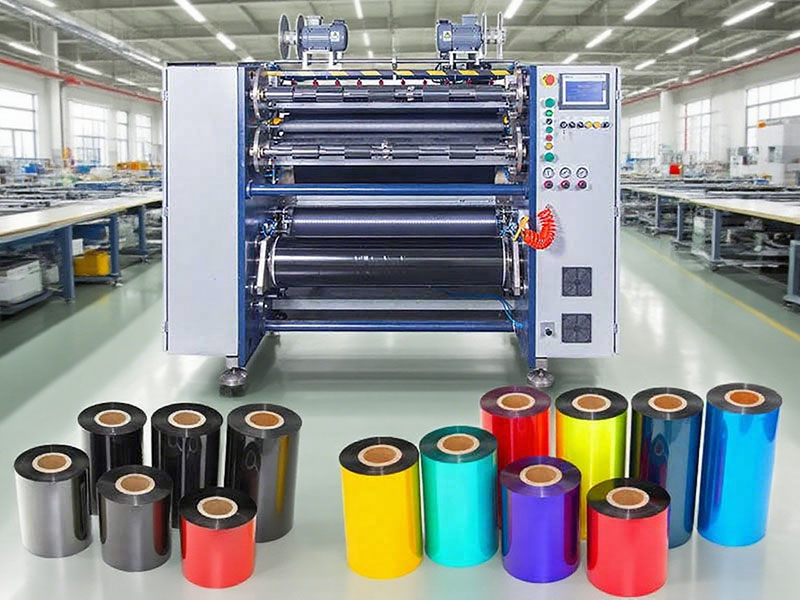
6. Preventive maintenance suggestions
Many of the problems of cutting the film can be prevented.
• Establish a blade replacement ledger and replace it regularly by meter or time
• Clean the bottom roller every shift to prevent the accumulation of gelatin and dust
• Regularly check the air pressure line and regulator to ensure stable knife pressure
• Check the parallelism between the tool holder and the bottom roller quarterly
• Operator training: Stop the machine immediately when the incision is abnormal to avoid batch defects
The ribbon slitting machine cuts the film without interruption, which seems to be a small problem, but there may be multiple links involved. Systematic troubleshooting ideas and daily maintenance habits are the key to ensuring the quality of slitting. I hope the above content can provide practical reference for on-site technicians.
 English
 Deutsch
 Français
 Español
 Português
 日本語
日本語 русский
 한국어
한국어 عربي
عربي ภาษาไทย
 Tiếng Việt
 Italiano
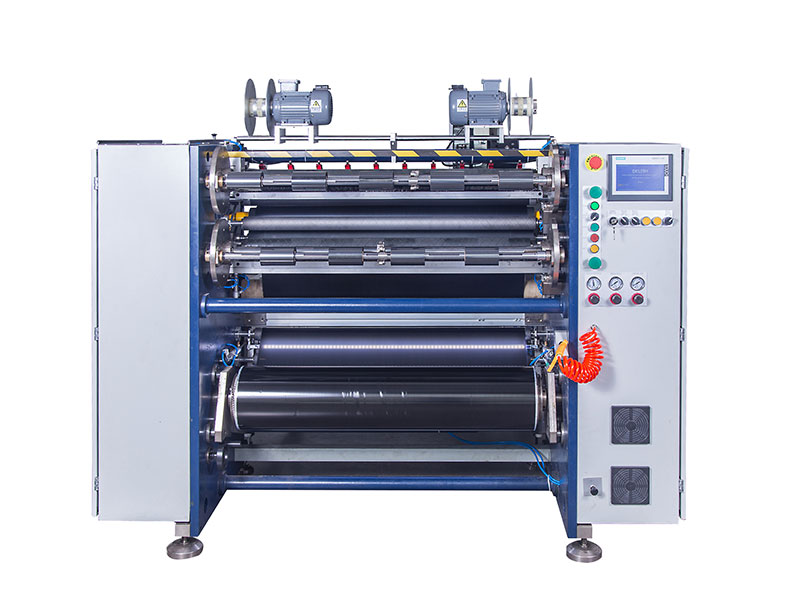

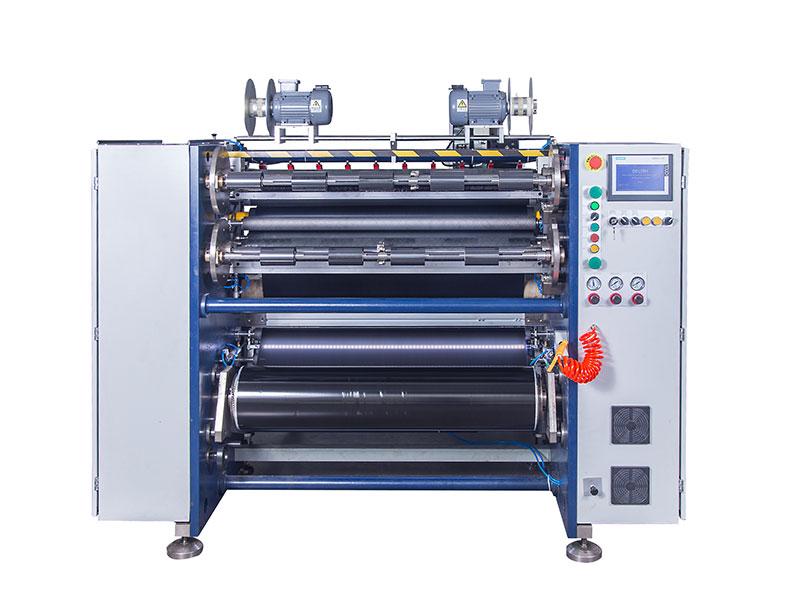 Ribbon Slitting Machine
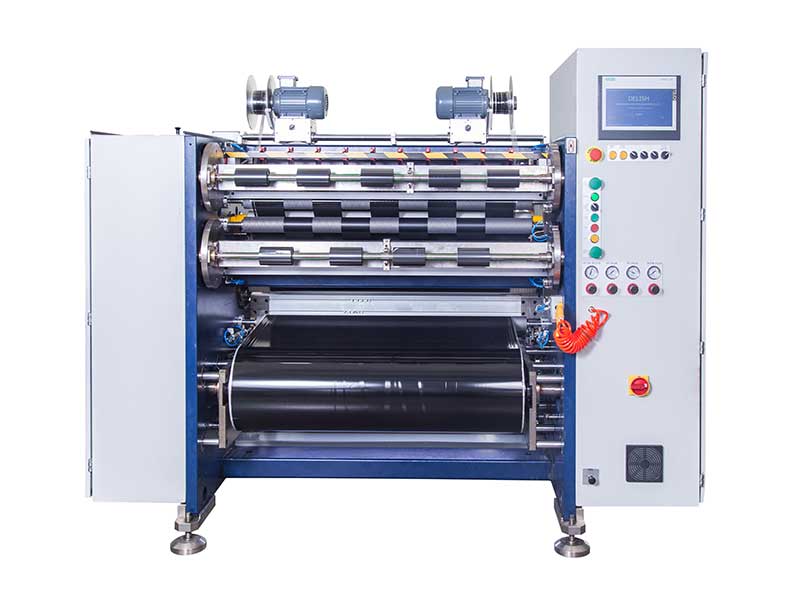 Barcode Ribbon Slitting Machine
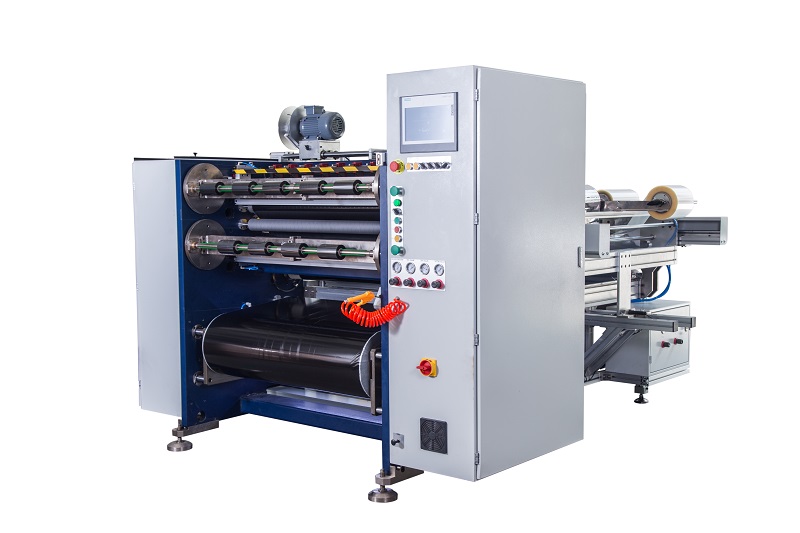 Semi Automatic Thermal Transfer Ribbon Slitter RSDS5 PLUS
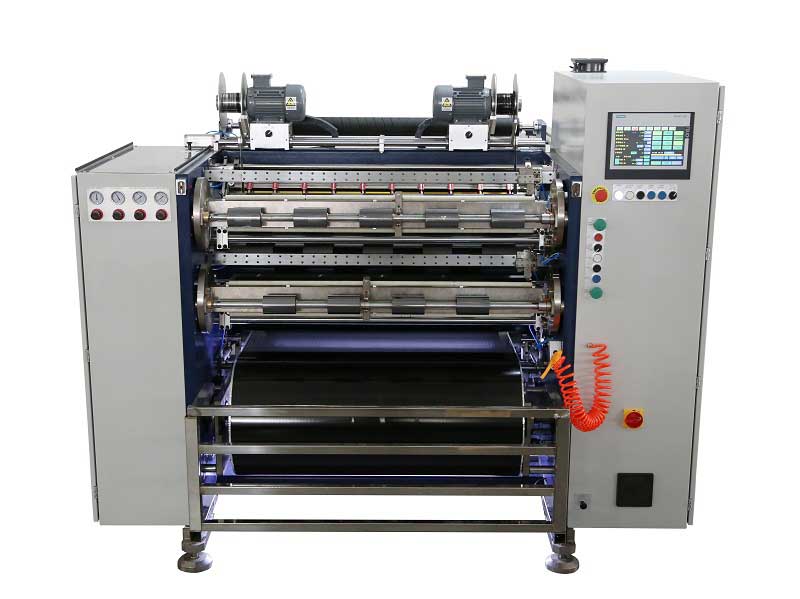 Automatic Thermal Transfer Ribbon Slitter RSDS8 H PLUS
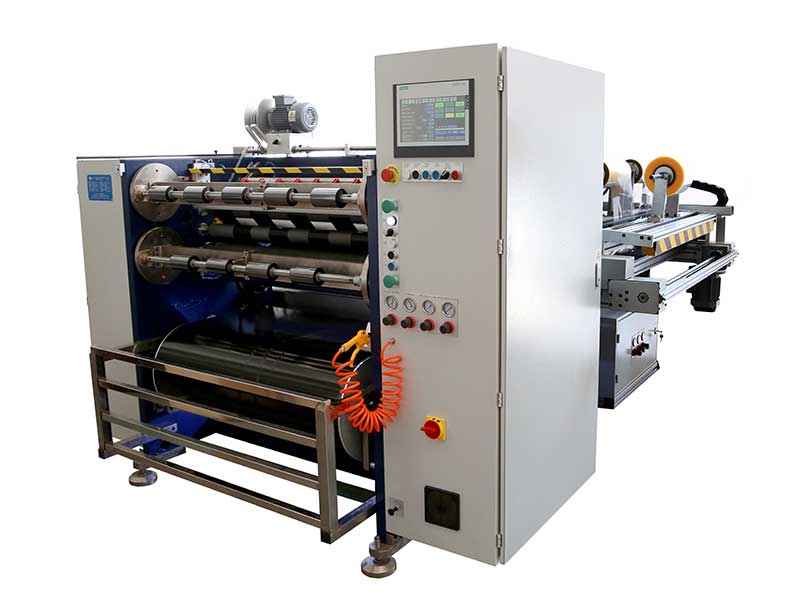 Automatic Thermal Transfer Ribbon Slitter RSDS6 PLUS
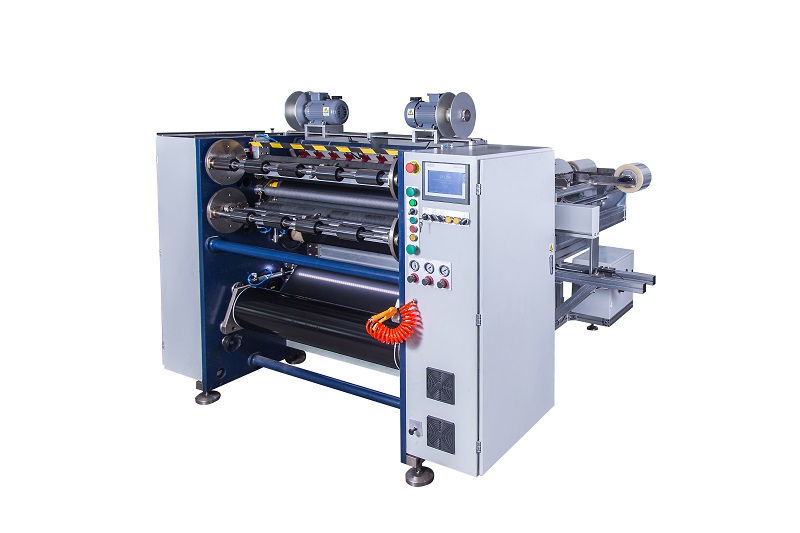 Semi Automatic Thermal Transfer Ribbon Slitter RSDS1 PLUS
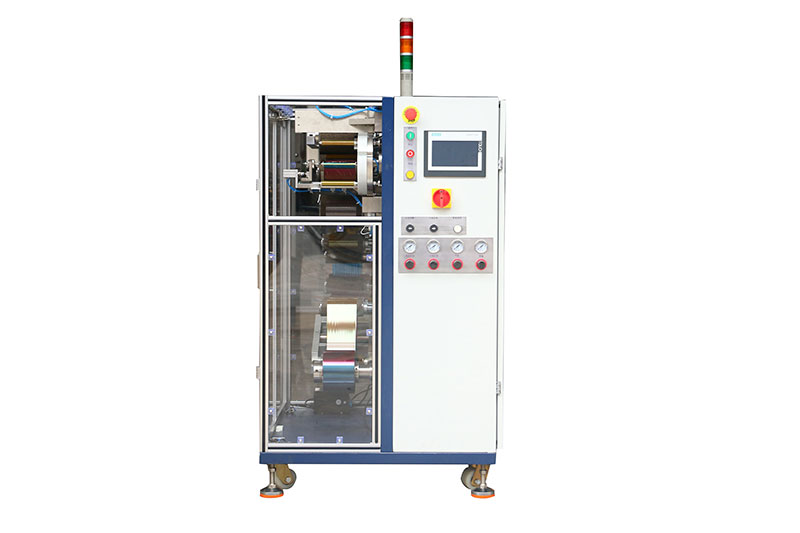 Card Print Ribbon Rewinder
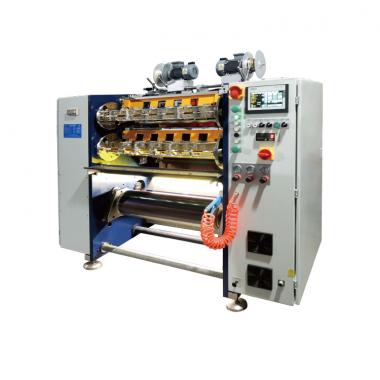 Card Print Ribbon Slitter