Choosing a film slitting machine is essentially not buying a piece of equipment, but a key decision to improve production efficiency, product quality, and overall costs over the next five to ten years. With so many manufacturers on the market and similar promotional pitches, how can you filter out truly reliable partners from the facade of 'all sounds good'? The following will be expanded from several core dimensions for reference.
1. First, let's look at "hard power": technology and details
When evaluating a manufacturer's technical level, you can't just look at the "maximum speed" and "maximum width" mentioned in the brochure—these two parameters are easiest to package and most easily disconnected from actual production.
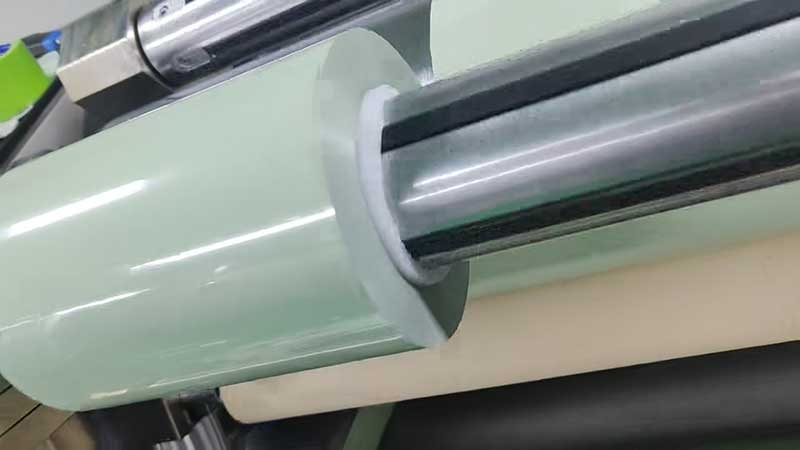
First, ask about the method of tension control, rather than the "presence or absence of tension control." Tension is the soul of the slitting process; improper tension control leads to issues such as uneven rolling, wrinkling, and stretching deformation. When selecting models, do not accept vague terms like "constant tension control"; instead, ask whether it is open-loop torque control, magnetic particle braking control, or closed-loop servo control with physical tension sensors. The latter's precision and stability far surpass the previous two, making it almost essential for ultra-thin films or optical-grade products.
Second, deeply explore the accuracy and types of the Correcting System (EPC). Many procurement buyers only ask about "whether there is a correction," but overlook accuracy and sensor type. Standard models have a correction accuracy of ±0.2~0.5mm, while high-end models can reach ±0.05mm or even higher. For transparent films or low-contrast materials, older analog sensors are unstable; digital sensors are currently the mainstream configuration. When selecting a model, ask directly: "Is your correction system digital?" What is the official repeatability in millimeters? ”
Third, look at the knife frame, not just the blade. Inserts are consumables, but the tool holder (tool holder) that supports the blade is the foundation for long-term stability of slitting accuracy. A tool holder with insufficient rigidity can cause edge roughness, powder shedding, and a sharp reduction in blade life. During evaluation, attention is paid to whether the tool holder is made of alloy steel and has undergone overall quenching + fine grinding, and whether the bearings use high-precision angular contact bearings from well-known brands such as SKF and NSK. If possible, shake the tool holder on the display machine by hand on site to feel its rigidity—if there is obvious looseness, discard it directly.
2. Next, let's look at "soft power": experience and service
The equipment's own parameters are just the foundation; the manufacturer's industry experience and service capabilities determine whether the equipment is "easy to use" or "frequently fails" after purchase.
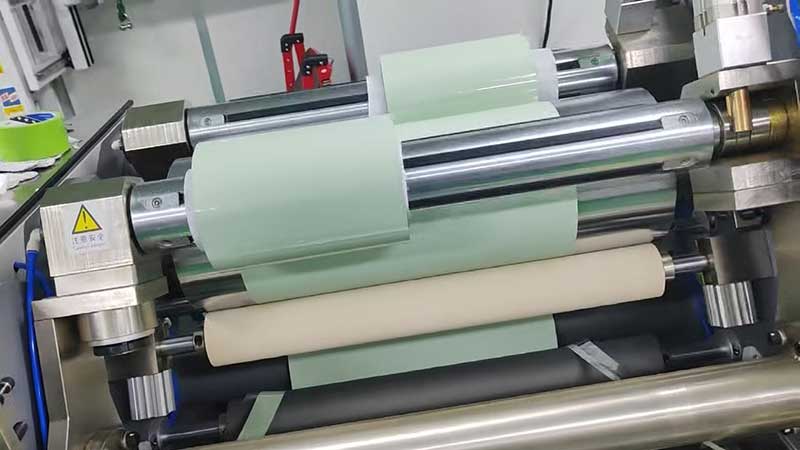
Years of experience and client cases are important references. Priority is given to manufacturers with over 5 years of industry experience and experience serving clients that match their own industry. For example, companies engaged in lithium battery separator slitting should check whether the manufacturer has successful cases of similar ultra-thin materials; For those working in heavy composites, attention should be paid to whether the manufacturer has experience handling large roll diameters and high gram weights.
Customization capability determines the production line compatibility. Different industries have significantly different requirements for slitting machines—food packaging films need anti-sticking protection, electronic materials need anti-static, and optical films require a dust-free environment. Reliable manufacturers can flexibly adjust the slitting method (round blade/flat blade), tension range, and winding method according to the user's coil width, thickness, and material, and seamlessly integrate with existing production lines.
The response speed of after-sales service must be included in the contract. The slitting machine is a high-value piece of equipment; a single day of downtime means a daily loss of production capacity. Confirm whether the manufacturer promises to respond to fault inquiries within 24 hours and provide on-site service within 48 hours, whether the spare parts inventory is complete, and whether the warranty period is clearly defined (regular manufacturers usually take 1-2 years, with some core components extending to 3 years).
3. Always test the machine with materials and calculate the full cycle cost
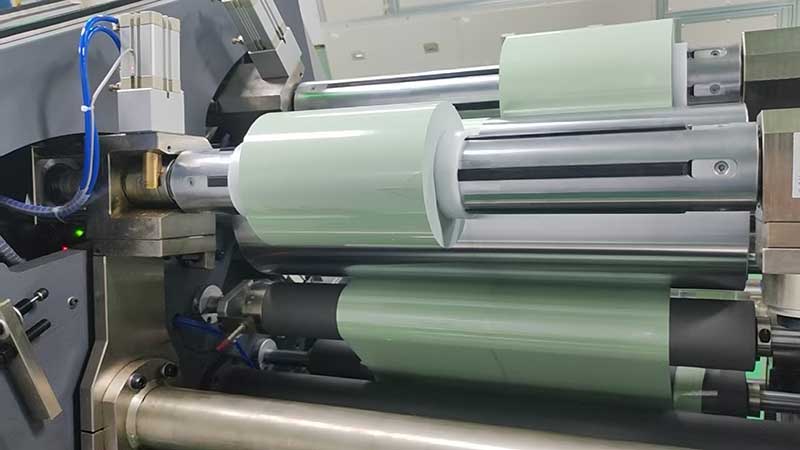
"Testing machine with materials" is the ultimate standard for inspecting all parameters. Before signing the contract, bring your most representative and most difficult materials (such as the thinnest, thickest, and most flexible varieties) to the manufacturer for on-site machine testing. Key observations: whether the winding end face is neat, whether dimensional tolerances meet standards, and whether vibration and noise are controllable under high-speed and acceleration/deceleration conditions. The trial cut report should be retained as the basis for acceptance.
Don't just look at the purchase price; calculate the full cycle cost. A slitting machine with stable precision and low failure rate can often be recouped within half a year by saving materials, labor, and rework. During evaluation, comprehensive considerations include: energy consumption (servo systems save over 30% more energy than traditional machinery), cost of consumable parts, ease of maintenance (modular design can significantly reduce downtime), and yield rate (high-precision equipment can reduce defect rate by 2%-5%).
Summary
Evaluating whether a film slitting machine manufacturer is reliable essentially answers three questions: Can the equipment and equipment consistently meet my process requirements over the long term? Can manufacturers respond promptly when problems arise? Is the total holding cost of this investment worthwhile? Shifting attention from explicit parameters like "maximum width" and "maximum speed" to implicit indicators like tension control methods, correction accuracy, and tool post rigidity, insisting on testing with materials and calculating long-term accounts — this methodology is more convincing than any brand promotion.
 English
 Deutsch
 Français
 Español
 Português
 日本語
日本語 русский
 한국어
한국어 عربي
عربي ภาษาไทย
 Tiếng Việt
 Italiano
 Film Slitting Machine
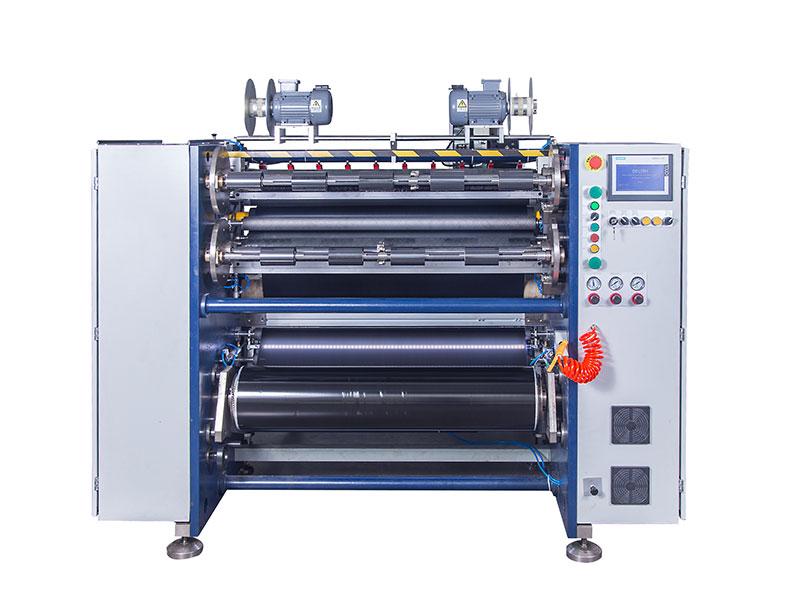 Ribbon Slitting Machine
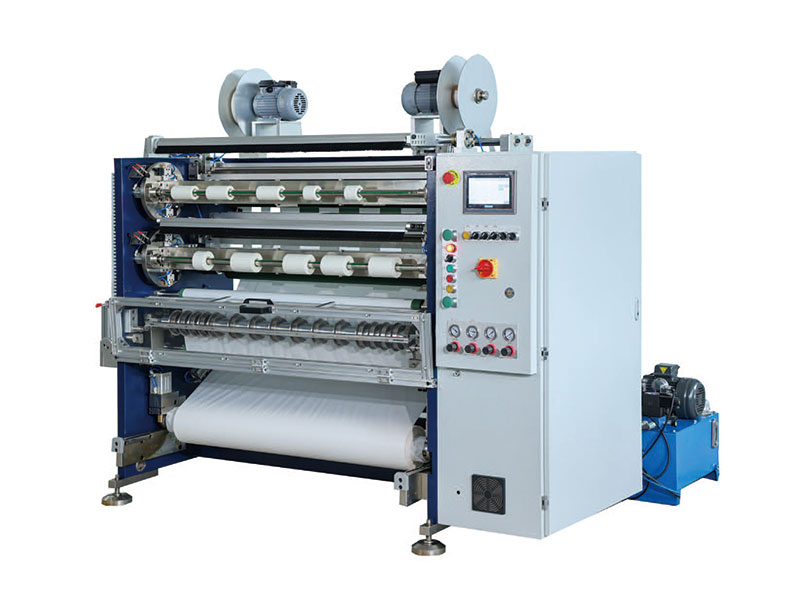 Tape Slitter
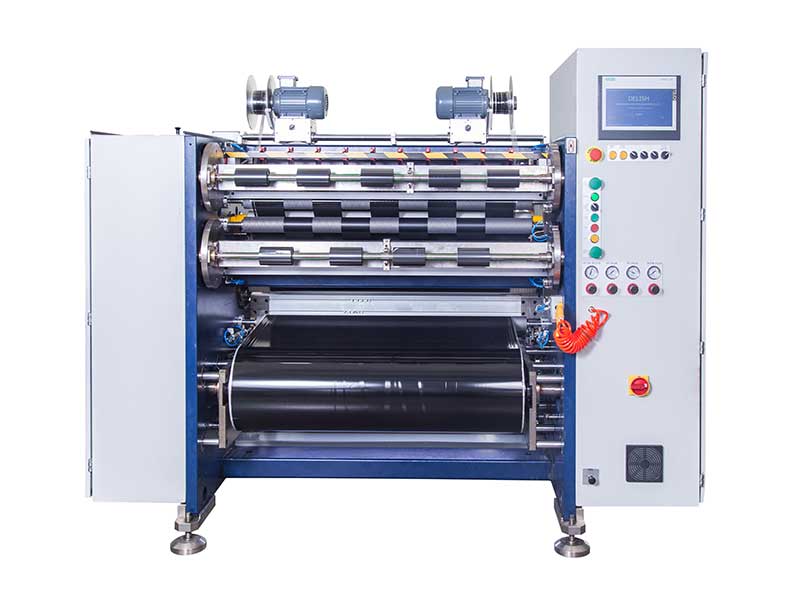 Barcode Ribbon Slitting Machine
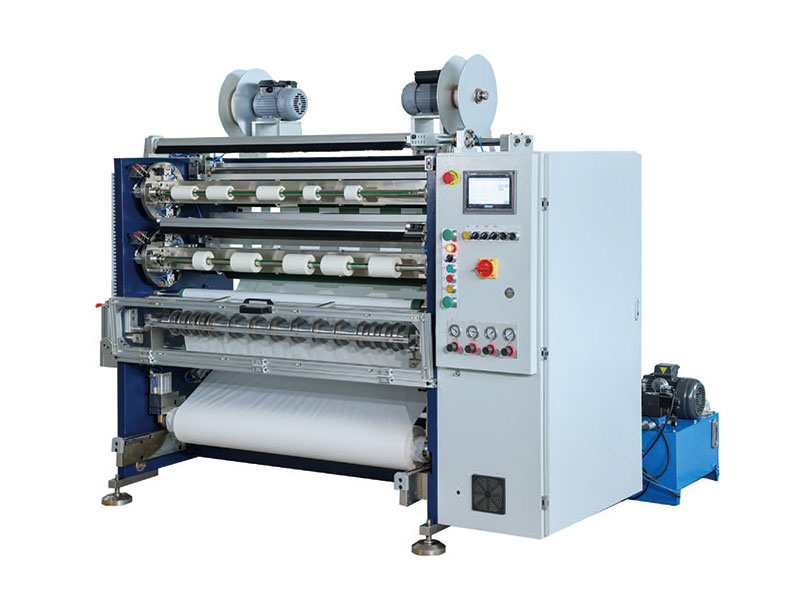 Single Side Adhesive Slitter
 Capacity Film Slitter
 Double Side Adhesive Slitter
 Solar Film Slitter