1. Why Upgrade: The Practical Dilemma of Traditional Slitting Machines
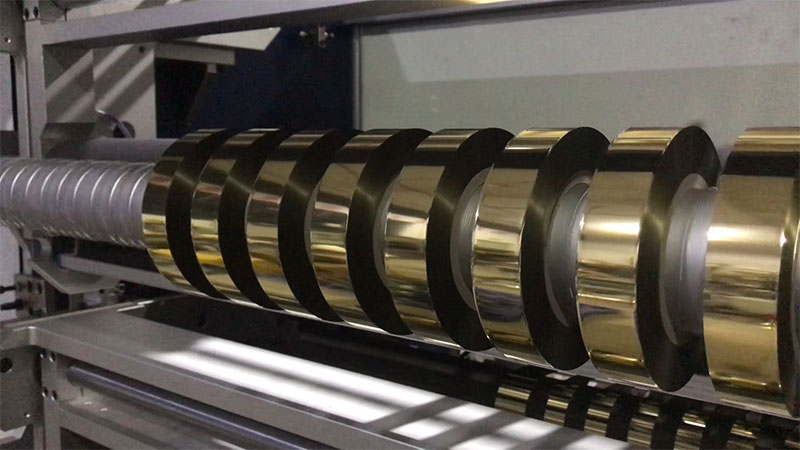
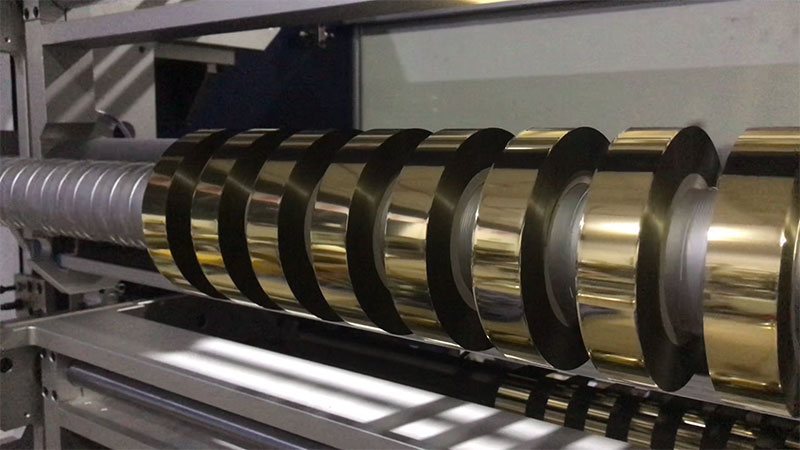
In the packaging and printing industry, hot stamping is a key means to increase product added value, and foil slitting serves as the "outpost" of hot stamping production, with its efficiency and quality directly affecting the success of subsequent processes. However, traditional hot stamping foil slitting machines have long relied on mechanical transmission and manual experience, facing four core pain points:
Efficiency bottlenecks are prominent: Traditional equipment often has slitting speeds of 50-100 meters per minute, with lengthy preparation times for material change and tool adjustment, making it difficult to match the production rhythm of high-speed hot stamping machines, often causing "waiting for materials" to stop work.
Material waste is severe: relying on manual plate alignment and tension control, with slitting loss rates generally ranging from 5% to 8%. For expensive laser foil and holographic foil, the cost loss is especially significant.
Lack of flexibility: Currently, orders for "small batches, multiple varieties" have surged in the market. Traditional equipment requires manual adjustment of tool holders and tension parameters to change specifications, with debugging taking up to 15-30 minutes, severely limiting capacity release.
Poor quality consistency: manual operation makes it difficult to avoid tension fluctuations and cutting deviations, especially after night shifts or long periods of operation, with quality fluctuations becoming especially noticeable. The product pass rate is usually only about 93%.
2. How to upgrade: Three core technology paths
The core of automation upgrades is to transform "human experience" into "machine algorithms" through technological means. From the existing mature solutions, the upgrade path can focus on the following three major systems:
2.1 Intelligent Control System: The Evolution of the Device's 'Brain.'
Replacing traditional mechanical transmission with servo drive + closed-loop control is the foundational step for automation upgrades. The servo system can increase slitting speed from 50-100 meters per minute on traditional equipment to 200-300 meters per minute, narrowing slitting accuracy from ± 0.5mm to within ±0.1mm. More importantly, combined with the PLC + industrial control dual control system, a formula management library can be established—different materials and specifications of hot stamping foil correspond to a set of optimal parameters. Operators only need to select the product model on the touchscreen to "change orders with one click," reducing change time from 15-30 minutes to under 3 minutes.
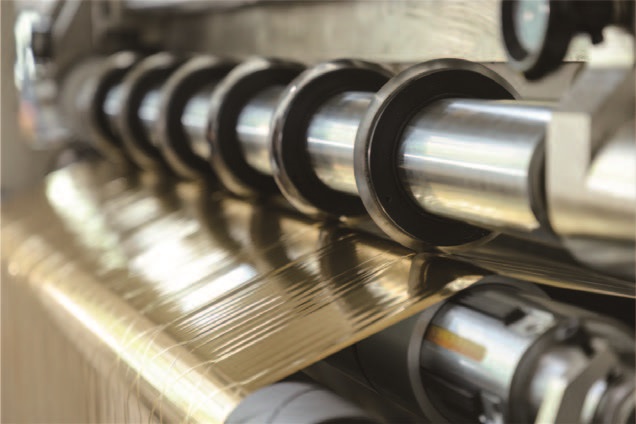
Adaptive tension control algorithms are also a key component. Hot stamping gold foil (especially PET substrate) is prone to tensile deformation or fracture due to tension fluctuations during high-speed slitting. By using closed-loop tension sensors for real-time monitoring and dynamic compensation, tension accuracy can be controlled to ±0.1N, fundamentally eliminating wrinkle and stretching issues.
2.2 Machine Vision Inspection: Equipping Equipment with "Eyes"
The introduction of vision systems marks a key leap for slitting machines from "automation" to "intelligence." Specifically, its value is reflected in two aspects:
High-precision correction: Traditional slitting relies on operators to visually judge the edges of the foil, which can lead to fatigue deviations during prolonged operation. CCD industrial cameras combined with AI algorithms can capture the edge position of the roll in real time, driving the servo motor to perform micron-level correction, ensuring the slitting lines are absolutely straight.
Online defect detection: A surface defect detection system based on deep learning (such as the YOLO algorithm) can identify scratches, bubbles, and uneven plating on the hot stamping foil surface, with an accuracy rate exceeding 99.5%. The system can automatically mark defect locations and optimize slitting paths in coordination, preventing defective materials from entering subsequent processes and reducing scrap rates at the source.
2.3 IoT and Data Platforms: Device "networking" creates sustainable value
Single-machine automation solves the efficiency problem at the "point," while networked equipment solves the "area" management problem. By installing sensors at critical locations (vibration, temperature, current, etc.), device operation data can be uploaded in real time to the cloud or MES system, achieving triple value:
Predictive maintenance: By analyzing the historical trends of spindle motor current and vibration frequency, the system can proactively warn of tool passivation or bearing wear, turning post-maintenance into proactive maintenance and reducing unexpected downtime by over 30%.
Process parameter optimization: The system's massive production data can be used to recommend optimal tension/velocity models for hot stamping foil of different materials and widths through machine learning algorithms, reducing trial and error losses during startup.
Remote Operations and Maintenance: Equipment manufacturers can monitor global equipment status via a cloud platform, proactively push spare parts reminders and software upgrades, and even enable engineers to remotely assist with AR repairs.
3. Upgrade value: Visible benefits and returns
Taking the actual technical transformation case of a leading domestic packaging company as a reference, the following results have been achieved after introducing a fully automatic hot stamping foil slitting machine:
| Indicators | Before the upgrade | After the upgrade | Improvement Margin |
| Slitting speed | 150 meters per minute | 200+ meters per minute | Increase by more than 30%. |
| Order exchange time | 15-25 minutes | Within 3 minutes | Shortened by more than 80%. |
| Material loss rate | 5%-8% | 0.5%-1.2% | Approximately 80% reduction |
| Product defect rate | 3.2% | 0.8% | Down 75% |
| Personnel allocation | Many people are on duty | One person operates multiple machines | Workforce reduction exceeded 60%. |
In terms of material savings alone, the company recouped a significant portion of its equipment investment within half a year, freeing skilled workers from repetitive labor and shifting them to high-value positions such as quality control.
4. Implementation Recommendations: Advance in phases to avoid the trap of "one-step implementation."
For companies planning to upgrade, it is recommended to follow these principles:
1. Pilot first, then promote: Prioritize high-end foil production lines (such as laser foil) for pilots, verify the feasibility of the plan, then gradually cover the entire workshop.
2. Pay attention to device compatibility: Choose modular design devices that support on-demand expansion of functional modules later (such as UV detection, automatic packaging, etc.) to reduce iteration costs.
3. Synchronize Employee Skill Upgrades: With increased automation, operators' roles shift from "operators" to "operation and maintenance staff," requiring early training in mechatronics and data analysis.
4. Assess supplier qualifications: Prioritize suppliers with CE safety certification, ISO 9001 production standards, and a mature case history.
Conclusion
The automation upgrade of hot stamping foil slitting machines essentially transforms the traditional "experience-driven" production model into a modern manufacturing model driven by data + intelligent decision-making. This is not just a technological transformation of individual equipment, but also a strategic fulcrum for the company to build a triple competitive advantage in efficiency, cost, and quality. As hot stamping processes increasingly develop toward high precision, flexibility, and greener development, the intelligence level of the slitting process will directly determine the competitive boundaries of enterprises in the high-end packaging market.
 English
 Deutsch
 Français
 Español
 Português
 日本語
日本語 русский
 한국어
한국어 عربي
عربي ภาษาไทย
 Tiếng Việt
 Italiano
 Cold Foil Slitter
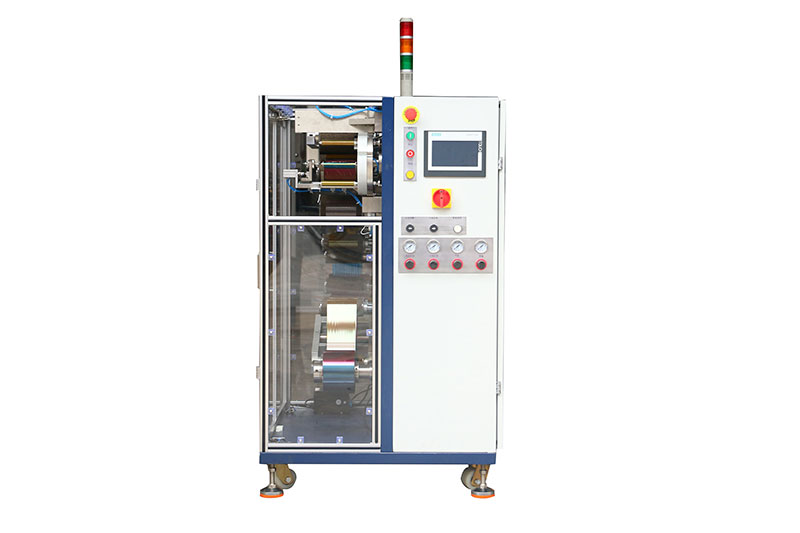 Card Print Ribbon Rewinder
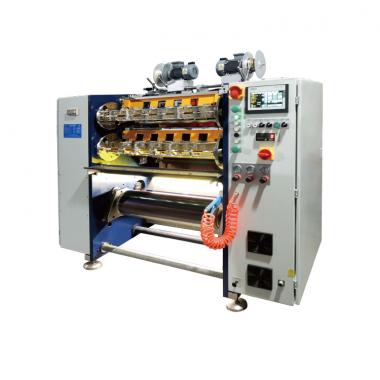 Card Print Ribbon Slitter
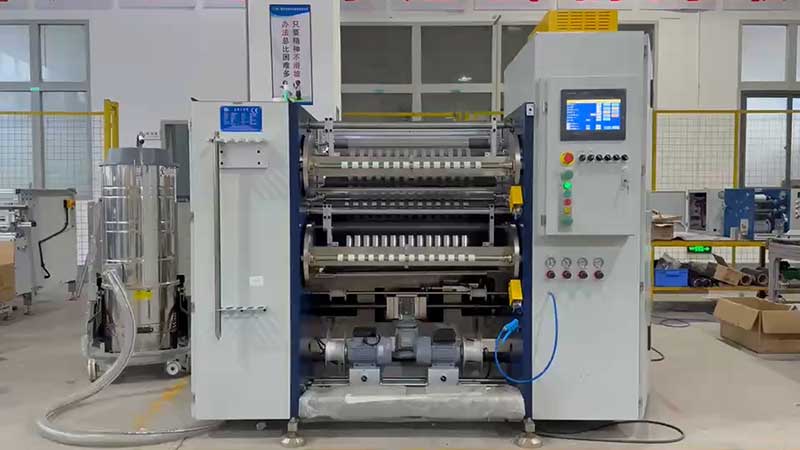
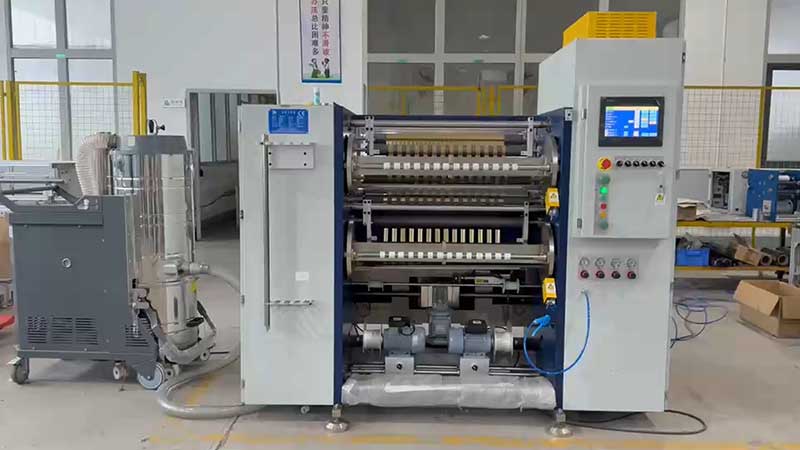
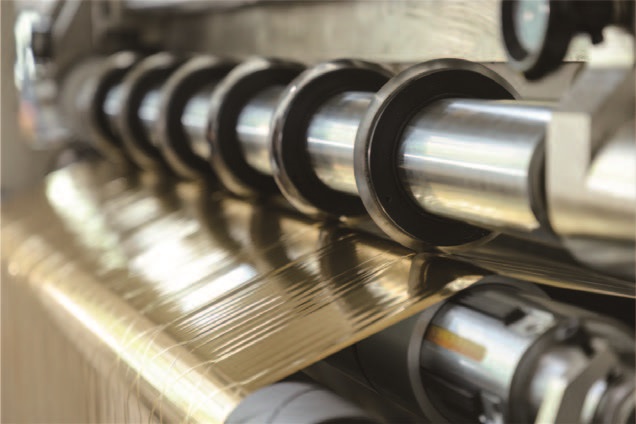
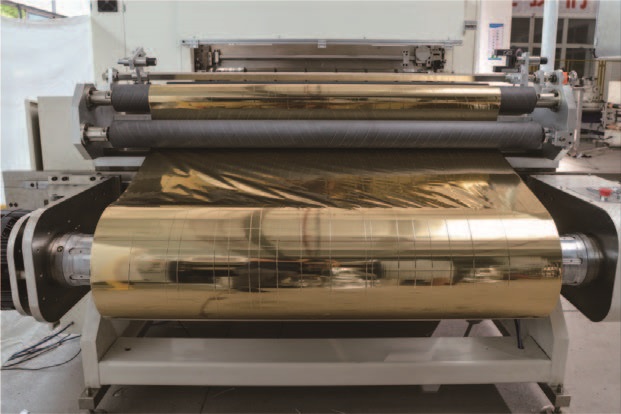
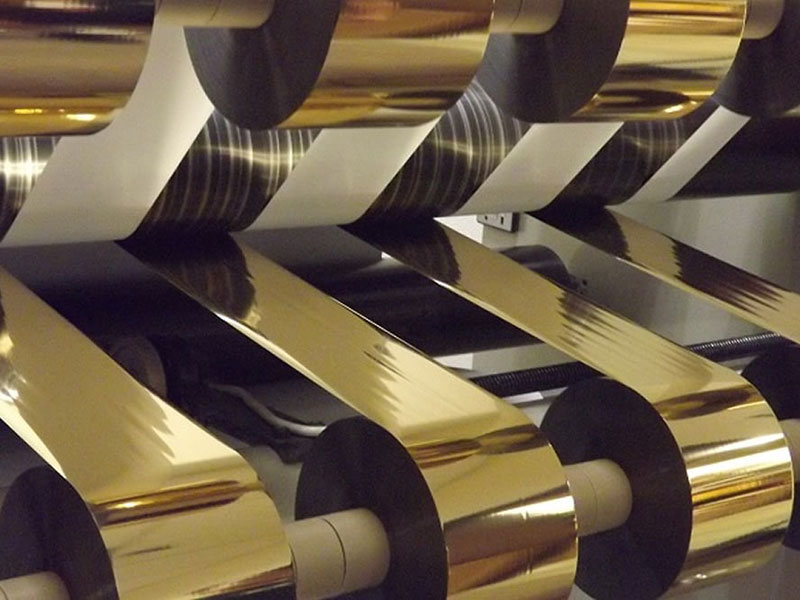
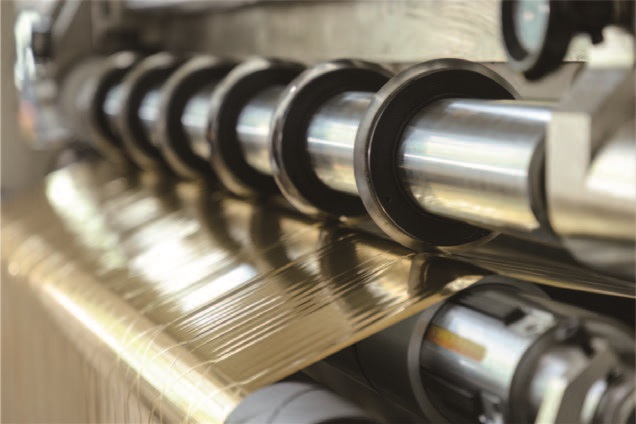 Hot Stamping Foil Slitting Machine
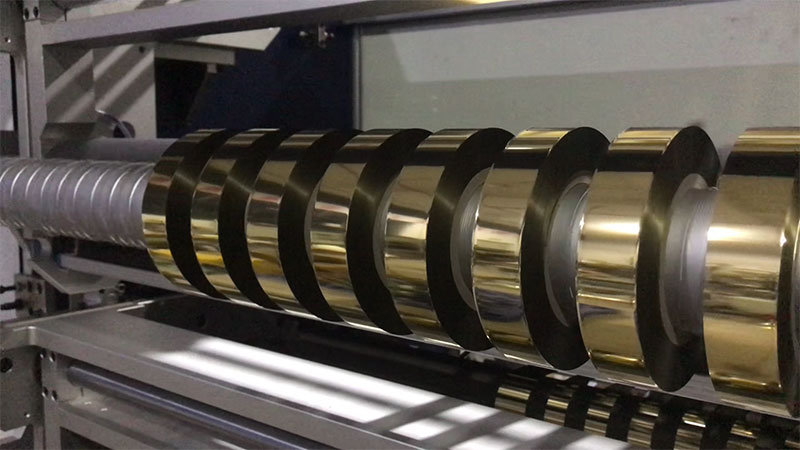 Holographic Foil Slitter
 Digital Enhancement Foil Slitter
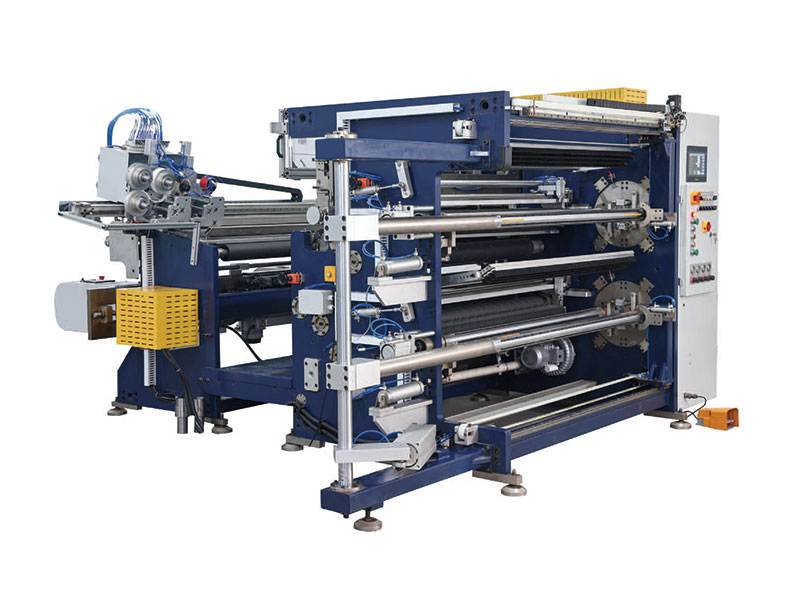 Hot Stamping Foil Slitter RSDS7H 1350 PLUS
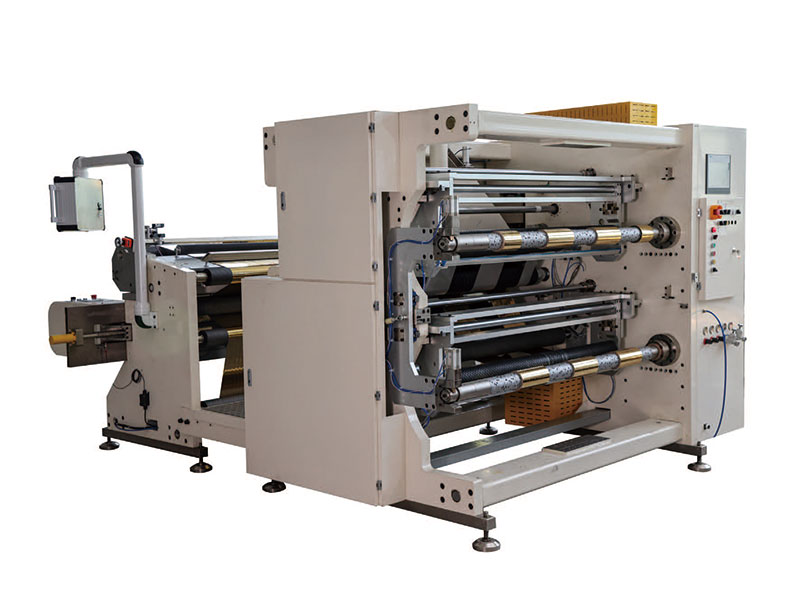 Hot Stamping Foil Slitter (RSDS7H) 1350