Problem description: During the hot stamping foil slitting process, the dust removal system's waste discharge capacity decreases, dust accumulates, affecting product quality and equipment operation.
Core countermeasures: cut off pollution sources, clean air ducts and filters, and restore the system's waste discharge capacity.
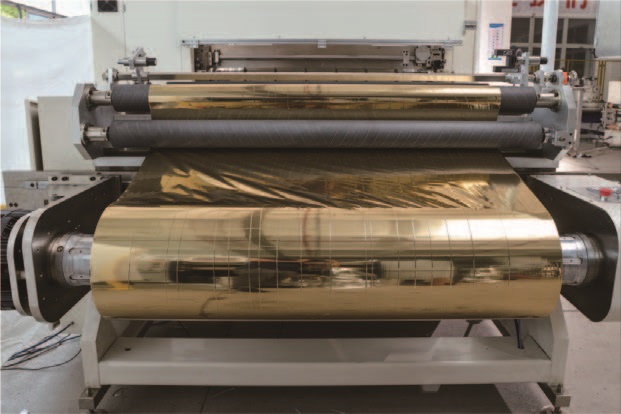
1. Phenomenon: Chain reaction of poor waste disposal
When the dust removal system of the slitting machine experiences poor waste discharge, the following symptoms usually appear:
• Significantly weakened suction: The suction port cannot effectively capture dust flying on the blade, causing dust to fill the workshop and quickly accumulating dust on equipment surfaces.
• Filter screen/cartridge blockage alarm: The differential pressure gauge readings remain consistently high, and pulse backblowing is frequently activated but with poor effect.
• Decline in product quality: fine spots and sand holes appear on the surface of the foil foil, and the patterns after stamping are incomplete—these are often caused by dust 'latent' on the foil surface.
• Increased equipment failures: dust enters bearings and guide rails, accelerating mechanical wear; Electrostatic dust interference with sensor signals, causing unplanned shutdowns.
The root cause of these phenomena lies in air duct deposition and filter blockage in the dust removal system, which blocks the airflow channel and causes loss of negative pressure.
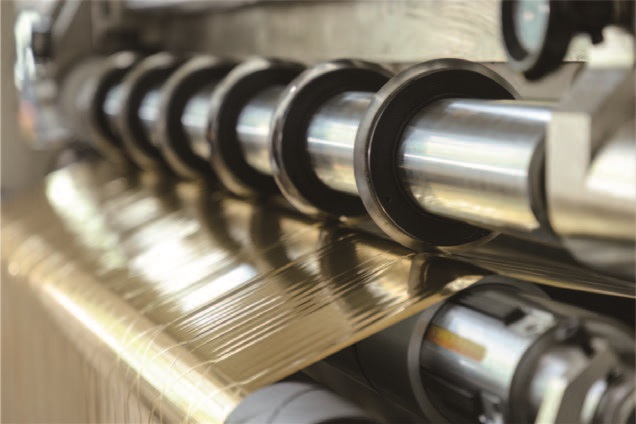
2. Root cause: The characteristics of dust determine the difficulty of cleaning
The dust generated by slitting gold foil has its own characteristics, which explains why the ducts and filters are particularly prone to clogging:
• Complex composition: Dust includes PET film debris, metallic particles from the aluminized layer, resin coating particles, etc., with particle sizes often ranging from 0.5 to 50 microns.
• Strong static adsorption: Hot stamping foil is an insulating material. High-speed operation generates high-voltage static electricity, and dust charges, once charged, firmly adhere to the inner walls of pipes and the surface of filter materials.
• High adhesion: Some coating debris contains gel or resin components, which easily clump when exposed to heat or moisture, adhering to pipe walls and filter screens, making removal difficult.
For this reason, simply "vacuuming with the machine on" cannot maintain long-term system stability—a regular maintenance mechanism for cleaning the air ducts and filters must be established.
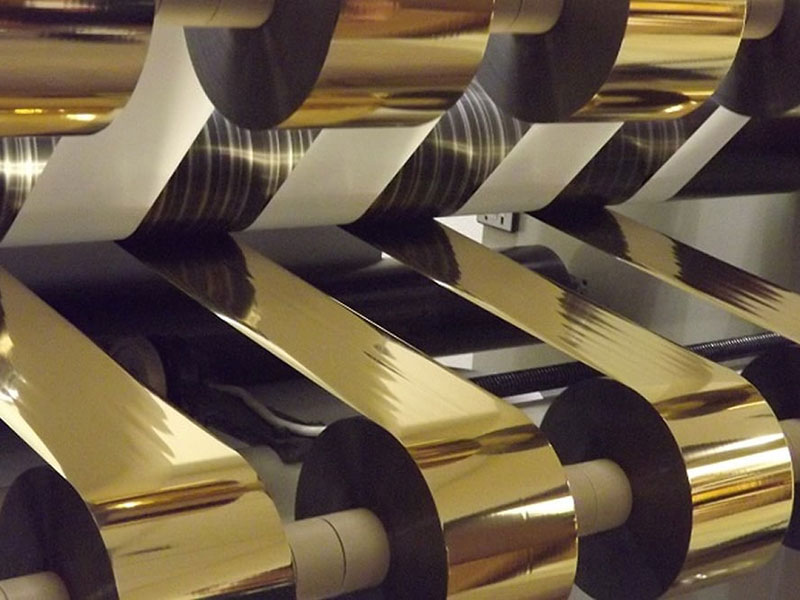
3. Countermeasures: Systematic cleanup and prevention plans
1. Air duct cleaning: Open the airflow channel
Duct deposition is the primary cause of poor waste drainage. Pipe elbows and reducers are hotspots for dust accumulation.
• Daily inspection: After each shift, use a flashlight to visually check for obvious dust accumulation at the elbows of the vacuum duct. If the dust accumulation on the pipe wall exceeds 2mm, cleaning is required.
• Regular unclogging: At least once a month, open the pipe inspection port and use a dedicated brush or vacuum hose to clean dust and clumps attached to the pipe walls. For stubborn scaling, compressed air can be used for segmented purging.
• Pipe material selection and design: If conditions permit, pipes with smooth inner walls and anti-static materials (such as stainless steel pipes or lined with anti-static coatings) should be selected, and the number of elbows should be minimized. Large radius elbows (R≥2D) should be used to reduce deposition risk.
2. Filter screen/cartridge cleaning and replacement: Restoring filtration efficiency
Filter screen blockage directly affects the dust collector's separation efficiency.
• Pulse back-blowing system maintenance: dust collectors equipped with pulse back-blowing devices must regularly check whether the compressed air pressure meets standards (usually ≥ 0.5MPa) and whether the back-blow solenoid valve is functioning properly. If the differential pressure remains above 1.5kPa, it indicates poor backblowing and manual cleaning is required.
• Deep offline cleaning of filter cartridges: At least once a month, remove the filter cartridge or filter bag and use compressed air to blow it back outward from the inside to remove ultrafine dust embedded deep within the filter material. For anti-static coated filter cartridges, care must be taken during cleaning to avoid damaging the PTFE membrane layer.
• Timely replacement: If the pressure difference after cleaning the filter cartridge still cannot return to the normal range, or if the filter material is damaged or hardened, replace immediately. It is generally recommended to replace them every 6-12 months, depending on the dust load.
3. Source Reduction: Static Elimination and Daily Cleaning
To reduce the burden on air ducts and filters, we need to start at the source:
• Static elimination: Install ion air rods or static eliminators before slitting and winding to neutralize static electricity on the foil surface, reduce dust adsorption, and make dust more easily removal.
• Daily cleaning: After each shift, use an air gun or vacuum cleaner to clean dust from the knife holder, reeling reel, guide roller, and other areas to prevent dust from accumulating and being caught on the foil surface.
• Environmental control: Maintain relative humidity in the workshop between 45%-55%, effectively suppressing static electricity generation.
4. Summary
Poor dust removal and waste removal from the hot stamping foil slitting machine are essentially caused by air duct deposition and filter screen blockage, which obstructs airflow. The solution lies in a dual approach of "cleaning + prevention": on one hand, establish a regular maintenance system for cleaning air ducts and filters to ensure suction is restored; On the other hand, by eliminating static electricity and performing daily cleaning, dust generation and adhesion are reduced at the source. Only by clearing these two checkpoints can the dust removal system operate efficiently, ensuring the cleanliness and quality of hot stamping foil.
 English
 Deutsch
 Français
 Español
 Português
 日本語
日本語 русский
 한국어
한국어 عربي
عربي ภาษาไทย
 Tiếng Việt
 Italiano
 Cold Foil Slitter
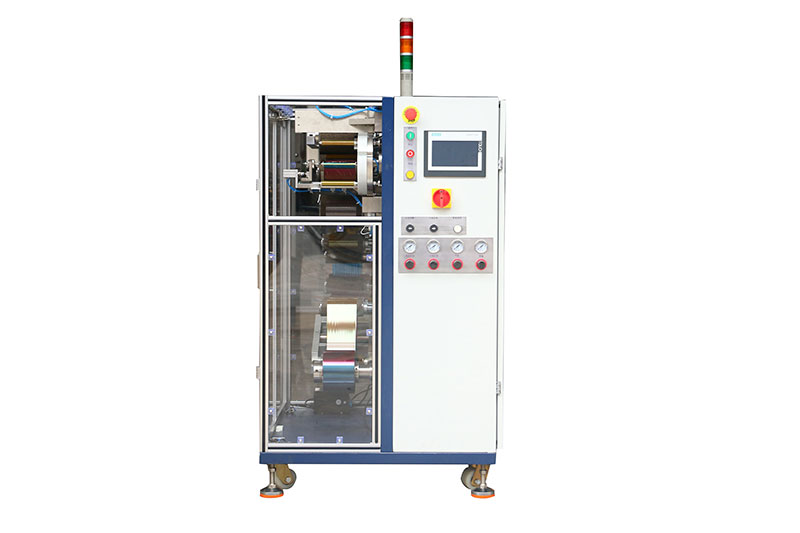 Card Print Ribbon Rewinder
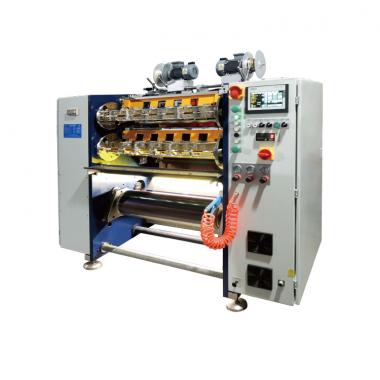 Card Print Ribbon Slitter
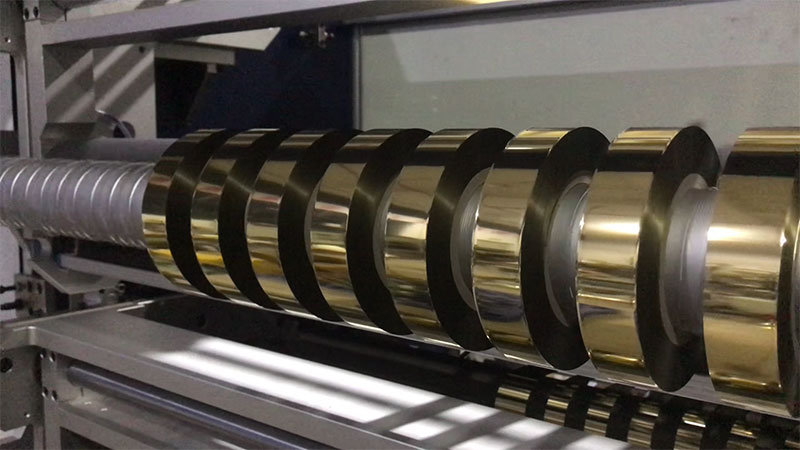 Holographic Foil Slitter
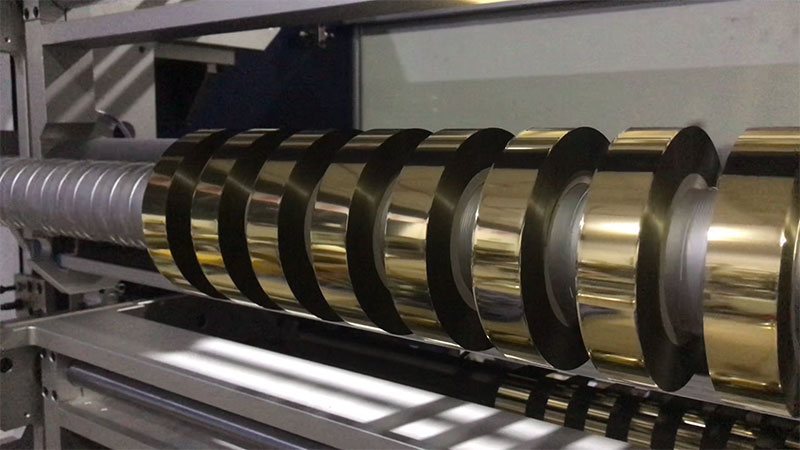 Digital Enhancement Foil Slitter
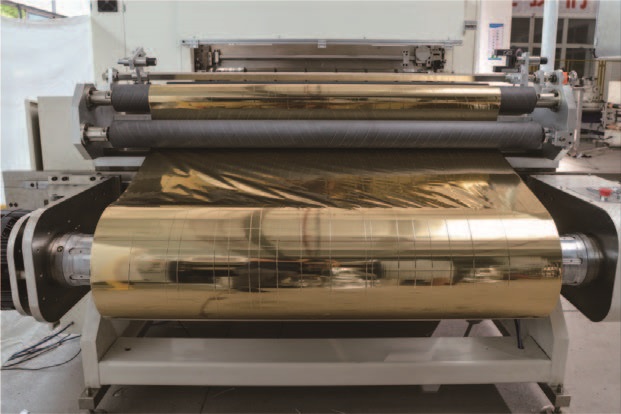
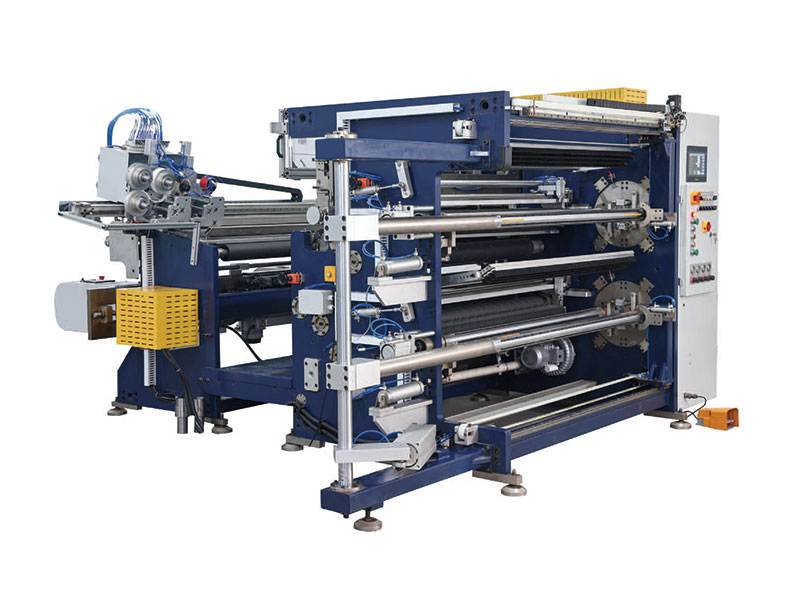 Hot Stamping Foil Slitter RSDS7H 1350 PLUS
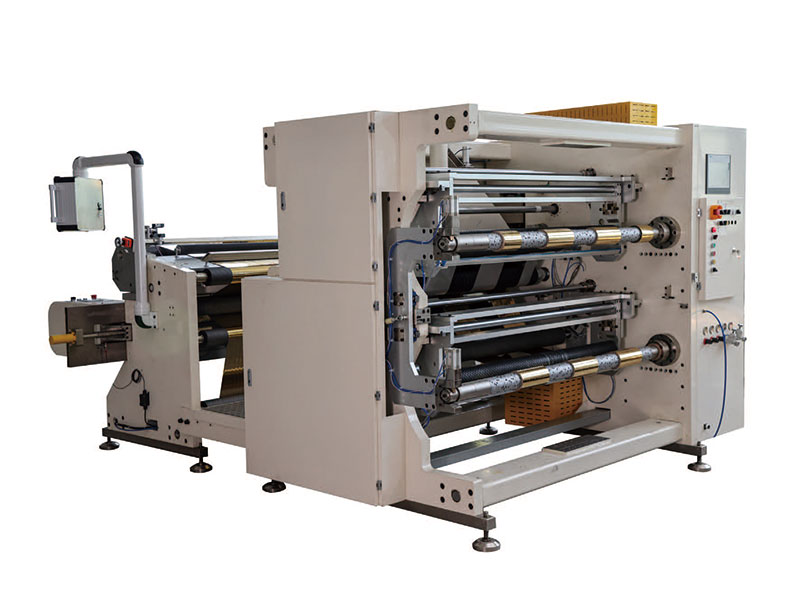 Hot Stamping Foil Slitter (RSDS7H) 1350