Introduction: Slitting is the "throat" of hot stamping
In the packaging and printing industry, the quality of slitting of hot stamping foil (electrochemical aluminum) directly determines the success or failure of the hot stamping process. If the slitting edges have burrs or uneven tension, frequent foil breakage, incomplete stamping, or even shutdowns can occur on high-speed hot stamping machines, which not only wastes expensive foil materials but also slows down the entire production cycle.
Faced with the dazzling array of slitting machine models on the market, the key to choosing a model lies in precise matching. Equipment is not always better the more expensive; rather, it depends on whether its core configuration best matches your foil width, material thickness, and production speed. This article will focus on these three major physical parameters to help you break down the technical points for vehicle selection and disassembly.
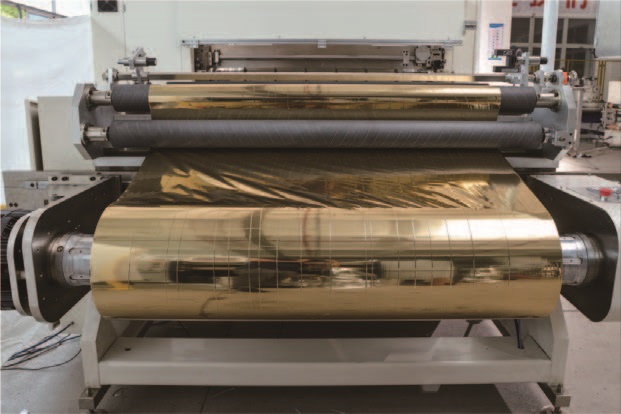
1. Select the structure based on "foil width": wide width emphasizes rigidity, narrow width emphasizes precision
The width range of hot stamping foil is extremely broad, from 3mm narrow strips for fine lines to 1600mm wide for large-format cardboard, with distinctly different equipment requirements.
1. Wide slitting (>800mm): Body rigidity and blade shaft strength are the core
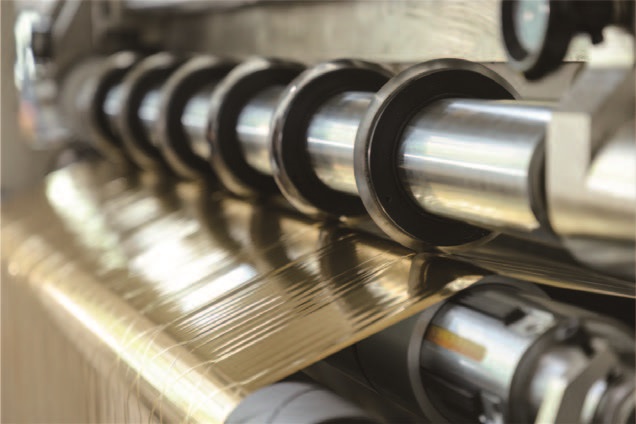
When dealing with wide hot stamping foil, the biggest physical challenge is the disturbance deformation of the slitting blade shaft. As the slitting width increases, under heavy pressure, the middle of the tool shaft is prone to slight bending. This can lead to phenomena such as "insufficient cut" (insufficient pressure in the middle) or "offset" (excessive edge pressure).
• Selection Recommendation: Prioritize equipment that uses thickened alloy steel wall panels and large-diameter blade shafts. For example, for wide slitting at the 1600mm level, the total weight of the equipment often needs to reach several tens of tons to ensure stability during high-speed operation.
2. Narrow slitting (<50mm): Blade layout precision and anti-entanglement are key
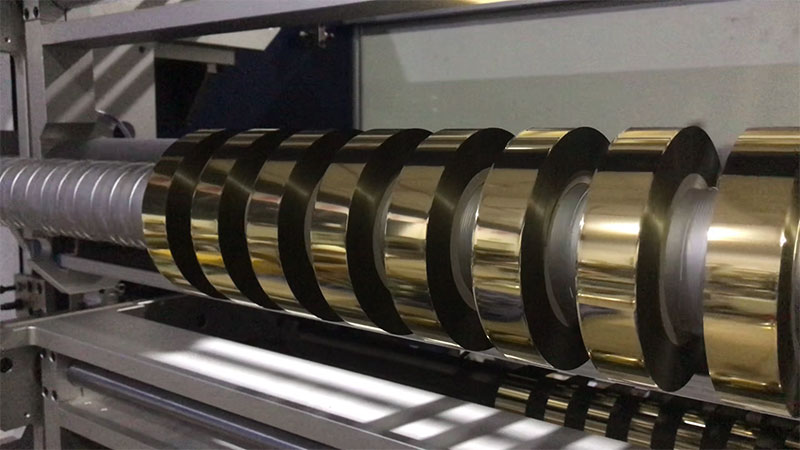
Narrow strip slitting is mostly used for stepping hot stamping in fine patterns. At this point, the flatness of the end face and the tightness of the winding are extremely sensitive.
• Model selection recommendations:
◦ Knife Locking Method: Manual tool lock is prone to dimensional deviations in narrow slitting due to uneven locking force. It is recommended to select a hydraulic tool lock system or a high-precision slip shaft to ensure uniform pressure on each blade group and no axial movement.
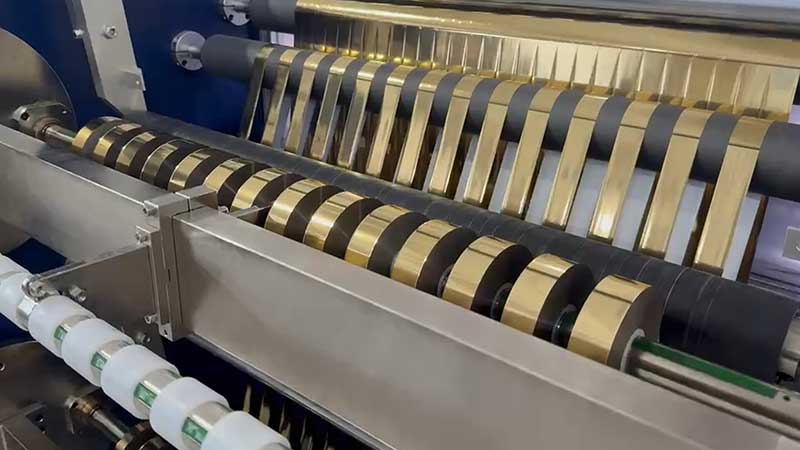
◦ Tool setting efficiency: If your order has many specifications (such as frequently switching between 10mm, 15mm, or 20mm), it is recommended to configure an automatic tool layout system. After entering the width value, the tool holder automatically moves into place, reducing order change time from hourly to minute-level changes.
Compatible solutions balancing wide and narrow widths: Some high-end models support "tool holder grouping," allowing both wide and narrow materials to be cut simultaneously on the same axis without interfering with each other, which is highly valuable for processing plants with complex material types.
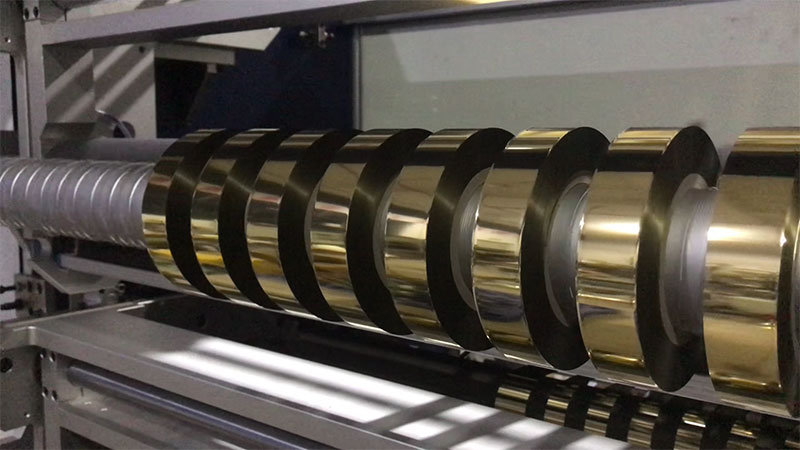
2. Choose tension based on "thickness": thin ones are prone to stretching, thick ones are prone to scratches
Although the gold foil is thin, its structure is precise. It usually consists of a 12μm PET base film combined with a release layer, tinting layer, and adhesive layer. Thickness determines the material's "temperament."
1. Ultra-thin type (12μm-25μm): Closed-loop tension is the "lifeline"
12μm PET film is thinner than a strand of hair and is extremely prone to stretch and deformation. Once tension becomes uncontrolled and the base film is stretched, it can cause inaccurate overprinting during stamping, resulting in "misalignment" or "gold thread breakage."
• Model selection recommendations:
◦ Tension system: Must be equipped with fully automatic closed-loop tension control. Traditional magnetic powder clutches respond slowly and tend to cause internal looseness and external tightness; High-end models use a servo motor-driven tension system with millisecond-level response speed, enabling "taper tension control" (automatically reducing tension as the coil diameter increases), which is the core technology to ensure the finished roll does not deform.
◦ Winding method: For ultra-thin materials, it is recommended to choose a central surface for winding. By combining the pressure roller with the central drive, air between layers can be expelled, and over-winding can prevent aluminum layer transfer or adhesion.
2. Thick-walled type (>50μm or high density): Scratch prevention and dust removal are the main focus
Some special foils or thick substrate foils generate high temperatures and aluminum powder during cutting due to blade friction.
• Model selection recommendations:
◦ Scratch resistance: All rollers must be treated with a mirror-grade finish to avoid high-speed friction that scratches the adhesive layer.
◦ Dust removal system: must be equipped with multi-stage dust removal devices (such as ion air knife + dust suction port); otherwise, once fine aluminum powder falls on the foil surface, "pitting" will form during hot stamping, directly causing scrap.
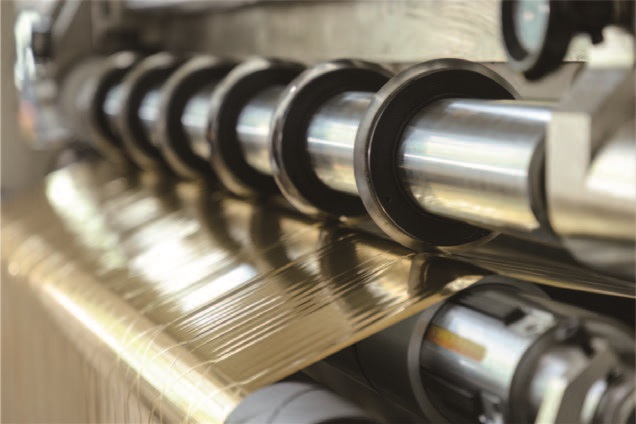
3. Choose Drivers Based on "Speed": Servoization is an inevitable trend
Speed represents not only capacity but also the overall stability of the equipment. Currently, the speed range of hot stamping foil slitting machines ranges from 20m/min to over 500m/min.
1. Low-speed economy model (<100m/min): entry-level or small batch
Suitable for startups or small-batch, multi-variety processing plants.
• Configuration: Usually uses magnetic powder brakes to control tension and mechanical speed regulation.
• Limitations: Prolonged operation of magnetic powder tends to overheat, causing tension fluctuations and is difficult to match the beat of high-speed hot stamping machines.
2. High-speed, high-precision type (>300m/min): fully servo drive
This is the direction of the modern mainstream and even the future.
• Selection logic: At high speeds, even the slightest vibration is amplified.
• Required configuration:
◦ Full servo motor control: enables synchronous control of winding and unwinding, traction rollers, and cutter rollers. If the speed exceeds 300m/min, it is recommended to equip it with AC servo motor direct drive technology to avoid backlash and noise from gear transmission.
◦ CCD online inspection: The human eye cannot inspect burrs at speeds of 300m/min; a visual system must be relied upon to monitor slitting edges in real time and immediately trigger alarms upon defect detection.
3. The dialectical relationship between speed and precision
We must break the misconception that "the faster the better." Speed is usually inversely proportional to accuracy.
• Ultra-high speed (>400m/min): suitable for large batches, wide widths, and materials with ordinary textures.
• Medium to low speed (150-250m/min): suitable for high value-added products such as laser foil and holographic positioning foil. These materials have microstructures on their surfaces, and excessively high linear speeds generate heat that causes pattern deformation. Slow work yields better overall benefits.
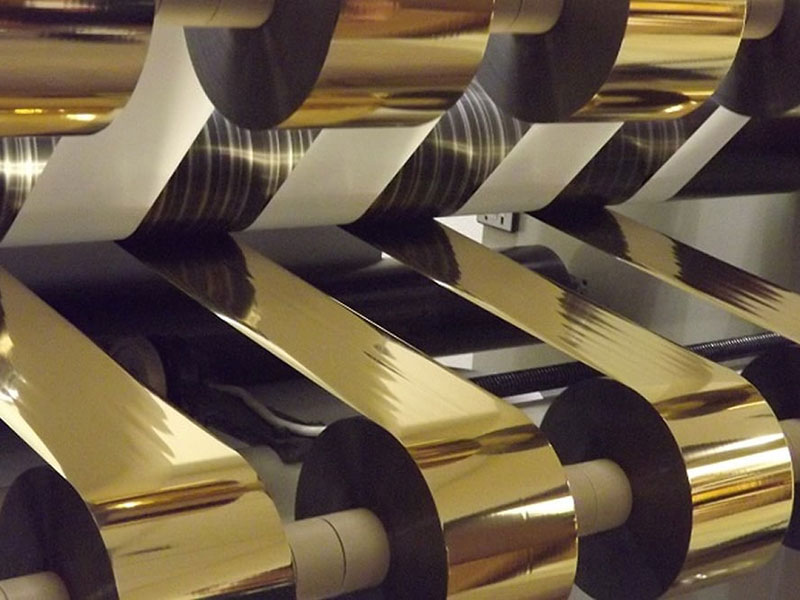
4. Comprehensive Selection Matching Table
To help you make quick decisions, here is a quick reference table for matching devices based on parameters:
| Core parameters | Scenario/Feature | Recommended configuration combinations | Pitfall avoidance guide |
| Foil width > 1 meter | Large quantities, ordinary cardboard hot stamping | Heavy-duty body + large-diameter blade shaft + hydraulic locking knife | Avoid using lightweight bodies, as strong vibrations at high speeds can cause edges to become "wavy" |
| Thickness < 12μm | Ultra-thin PET, fine foil | Full servo closed-loop tension + slip rewinding shaft + non-contact or light pressure rollers | Do not choose low-spec machines with only magnetic particle tension, as they can easily cause material stretching and deformation |
| Thickness > 50μm | Thick film, high-density metal foil | Cemented carbide tools + high-performance vacuum and static removal devices | Neglecting dust removal will cause dust embossing, resulting in the entire roll being scrapped |
| Speed> 350 m/min | Large cigarette packs and alcohol packaging | Servo motor drive + automatic tool layout + automatic material feeding | Focusing solely on the highest nominal speed is not enough; it is necessary to assess the effective production time (including rewinding and tool adjustment times) |
| Laser/holographic film | Anti-counterfeiting, high value | Low inertia guide roller + mirror over-roller + visual deviation correction | Avoid using ordinary rubber pressure rollers, as they can damage the laser pattern |
Conclusion
The essence of selecting a hot stamping foil slitting machine is an art of balancing "strength" and "precision."
• Wide foil tests the rigidity of the equipment and how much physical deformation it can withstand;
• Foil tests tension—how "gently" you can treat the material;
• High-speed tests control and how fast the system responds.
Before purchasing, it is recommended that you conduct a "test machine with materials." Bring your hardest-to-cut material (widest, narrowest, or thinnest) and observe the neatness of the winding end face and the smoothness of the cut edge during actual operation. Only by real-world verification of the compatibility of these three can we select a truly cost-reducing and efficiency-enhancing "productivity tool."
 English
 Deutsch
 Français
 Español
 Português
 日本語
日本語 русский
 한국어
한국어 عربي
عربي ภาษาไทย
 Tiếng Việt
 Italiano
 Cold Foil Slitter
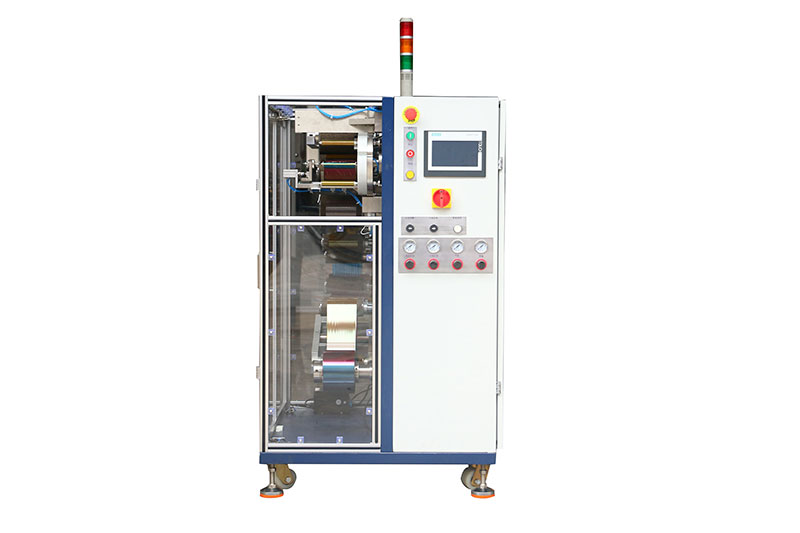 Card Print Ribbon Rewinder
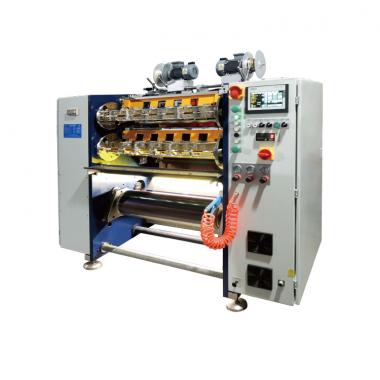 Card Print Ribbon Slitter
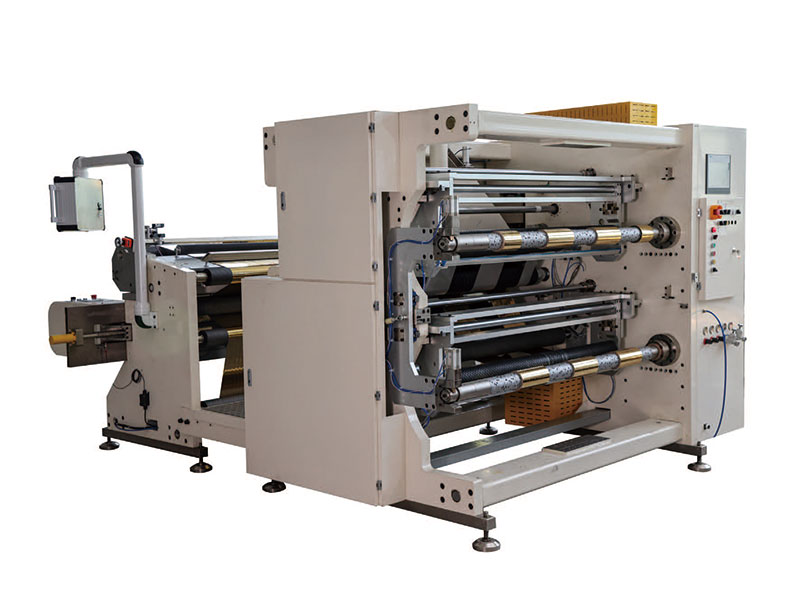 Hot Stamping Foil Slitter (RSDS7H) 1350
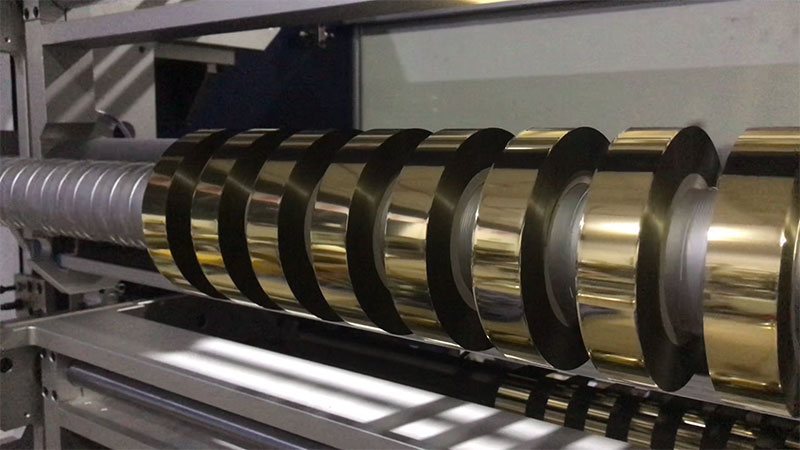 Digital Enhancement Foil Slitter
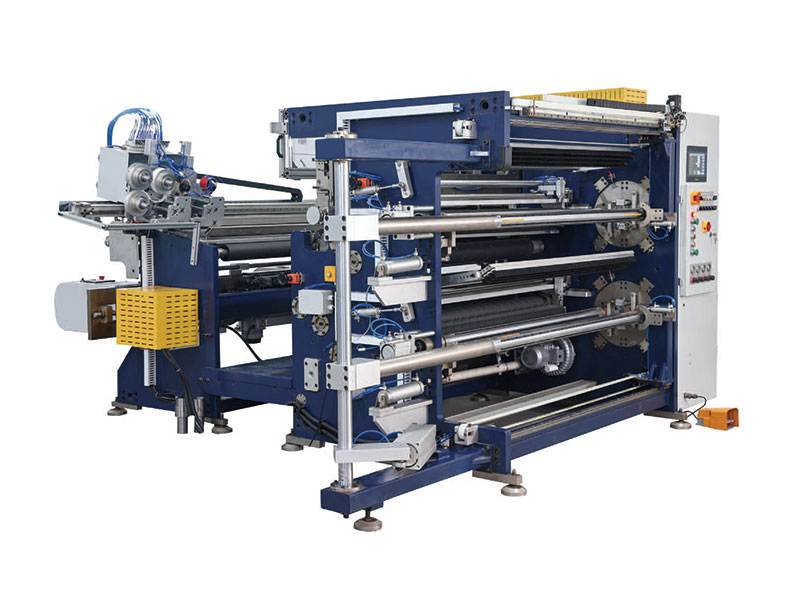 Hot Stamping Foil Slitter RSDS7H 1350 PLUS