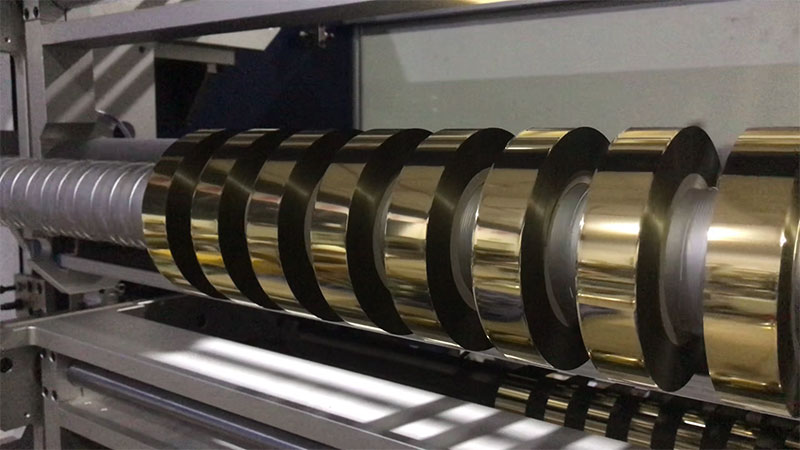
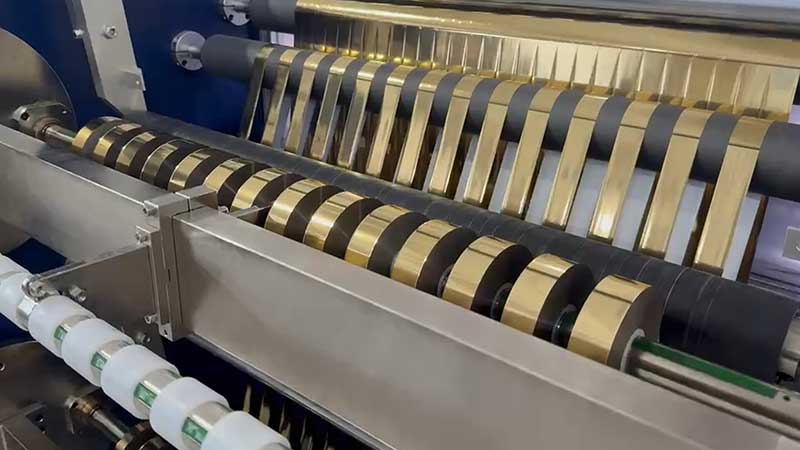
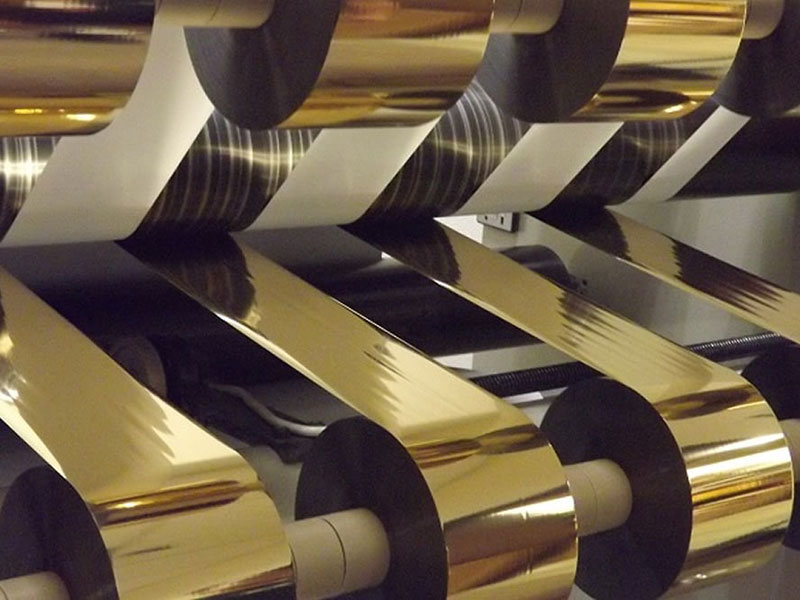
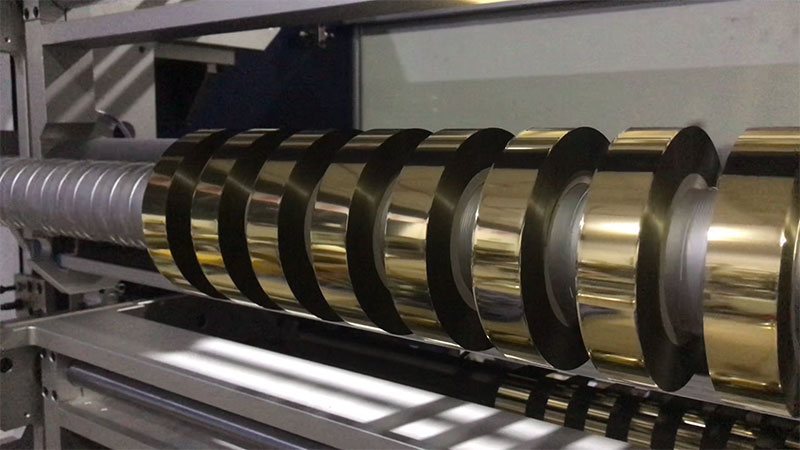
During the production and slitting of hot stamping foil, static electricity has always been a headache for many manufacturers—the 'hidden killer'. When the slitting machine runs at high speed, the hot stamping foil repeatedly rubs against the rollers and knives, causing static electricity to quietly accumulate. At best, this can cause foil sticking and uneven winding; in severe cases, it can trigger equipment sparks or even fire accidents. So, how can the problem of excessive static electricity in hot stamping foil slitting machines be efficiently solved? The answer is actually not complicated: properly grounding, installing a static eliminator, and taking two steps simultaneously can control static hazards at the source.
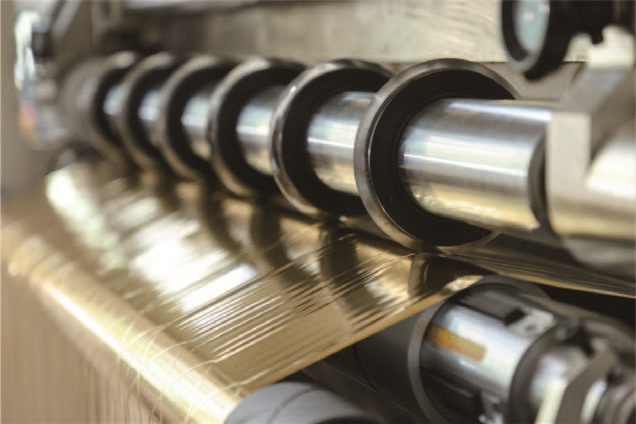
Why is hot stamping foil slitting particularly prone to static electricity?
Hot stamping foil is usually made by combining PET film, aluminum layer, and release layer, making it a typical high-insulation material. During slitting, the foil surface contacts and separates at high speed with the guide roller and cutter, causing electrons to transfer rapidly and forming static accumulation. Additionally, the slitting workshop environment is relatively dry, making it difficult for static charges on the foil to dissipate naturally. When the voltage accumulates to several thousand or even tens of thousands of volts, obvious static interference occurs.
The "chain reaction" caused by excessive static electricity
• Uneven or misaligned winding ends: Static electricity causes the foil layers to repel or adhere to each other, resulting in uneven edges during winding and affecting the normal unwinding of the next hot stamping process.
• Dust adsorption causing stamping defects: Static electricity attracts fine dust and fibers in the air, trapping these foreign objects between the foil surfaces. During hot stamping, "small white spots" or ink-lacking spots form and reduce the yield of finished products.
• Operator electric shock risk: Operators often encounter static discharge during film penetration and roll unloading, which affects production mood and poses safety risks.
• Spark discharge causing fires: This is the most severe situation. When the slitting machine spins at high speed, if electrostatic sparks encounter foil shavings or solvent residues, they may cause fire accidents.
Solution: grounding + static eliminator, a combined approach
To completely solve static electricity, a single measure is often not enough. "Grounding" addresses the path for static discharge, while "static eliminator" addresses residual static electricity. Only by working together can stable and long-term control be achieved.
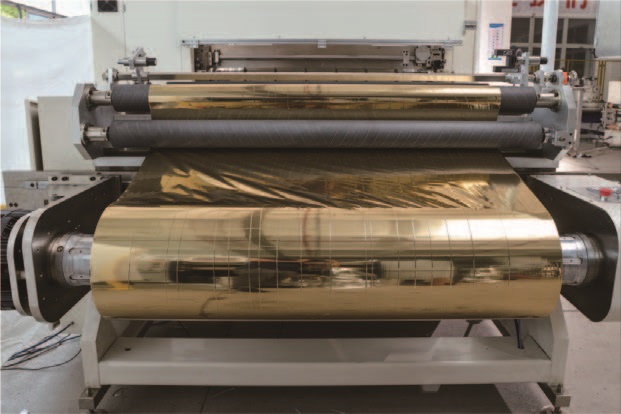
Step 1: Improve the equipment grounding system
The frame, guide rollers, cutting tools, and retractor reel of the slitting machine must all have reliable grounding. The specific requirements are as follows:
• Use copper braided tape or multiple strands of copper wire to connect the slitting machine main frame to the workshop's main grounding bar; the recommended grounding resistance should be less than 4Ω.
• If the metal guide roller surface shows oxidation or coating, ensure good communication between the shaft head and the frame, and if necessary, add grounding carbon brushes or copper contacts.
• Rewind and uncoil the gas expansion shaft, conducting static electricity through the bearing housing or dedicated grounding device (such as a carbon fiber grounding brush).
Note: Relying solely on grounding cannot completely eliminate static electricity on the foil surface, because hot stamping foil itself is an insulator and charge cannot be directly "flowed away" through grounding equipment. However, grounding can eliminate induced static electricity on metal components of the equipment, preventing spark discharge on the foil surface.
Step 2: Properly select a static eliminator
The most effective method for static electricity on insulating material surfaces is a corona discharge static eliminator (ion bar). Its principle is to ionize air at high voltage, generating positive and negative ions to neutralize the unbalanced charge on the foil surface.
Installation Recommendations:
• Ion bar installation position: In front of and behind the slitting tool holder and at the unfolded foil surface before winding, about 20-50mm away from the foil surface, horizontally covering the entire width.
• Key points for selection: For fast slitting speeds (e.g., above 200m/min), high-frequency AC or pulsed DC ion rods should be chosen for higher neutralization efficiency; For slitting machines wider than 1 meter, it is recommended to arrange multiple ion rods in segments.
• Compatible high-voltage power supply: Choose products with status indicators and abnormal alarm functions for convenient daily inspections.
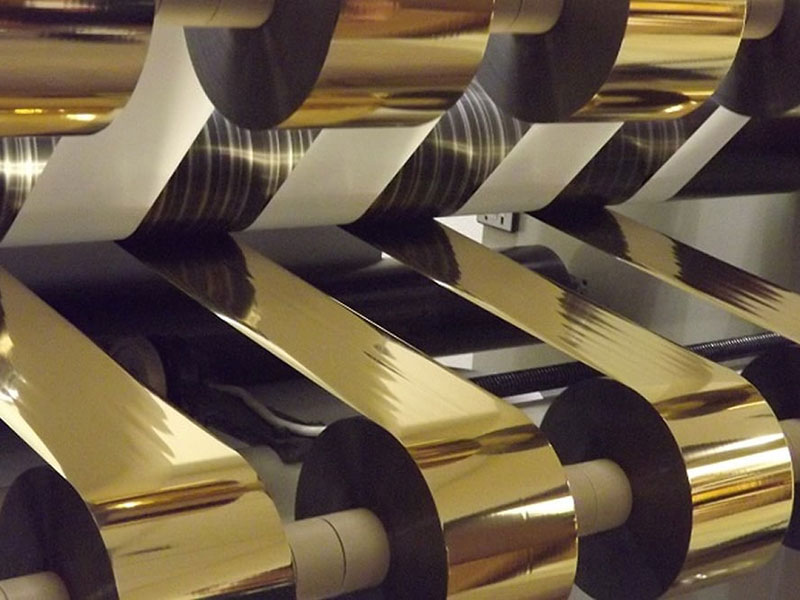
Step 3 (optional): Adjust the ambient humidity
If the workshop is too dry (relative humidity below 40%), static electricity accumulation will significantly intensify. Appropriately humidifying to 50%-60% can improve the surface conductivity of the material and assist the static eliminator. However, be careful not to let the humidity be too high to avoid affecting the release performance of the hot stamping foil.
Operating Precautions
• Regularly clean the tip of the ion bar's launching pin; dust pollution can greatly reduce dissipation effectiveness.
• Check whether the grounding wire is loose or rusty; it is recommended to measure the grounding resistance every six months.
• When installing the static eliminator, be sure to follow the product manual to avoid short circuits between high-voltage components and the rack.
• Before starting the machine, operators should touch the electrostatic grounding post to release static electricity from the human body.
Conclusion
The static electricity problem of hot stamping foil slitting machines is not unsolvable; the key lies in systematic management. Perfect grounding to provide a safe channel for static electricity discharge; Adding a static eliminator actively neutralizes residual charge on the foil surface—these two are not "either-or-e-one," but "indispensable." By implementing this combination in one step, slitting efficiency, finished product quality, and production safety will all be genuinely improved.
If your slitting machine is still troubled by static electricity, start today by checking the grounding and installing a few ion bars. It may seem like a small investment, but the returns are long-term and stable.
 English
 Deutsch
 Français
 Español
 Português
 日本語
日本語 русский
 한국어
한국어 عربي
عربي ภาษาไทย
 Tiếng Việt
 Italiano
 Cold Foil Slitter
 Card Print Ribbon Rewinder
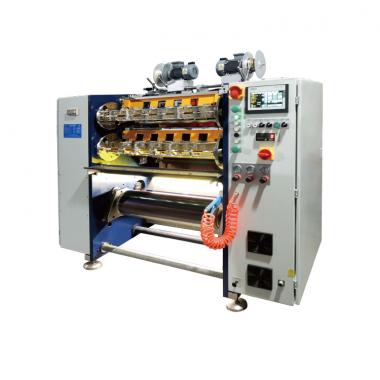 Card Print Ribbon Slitter
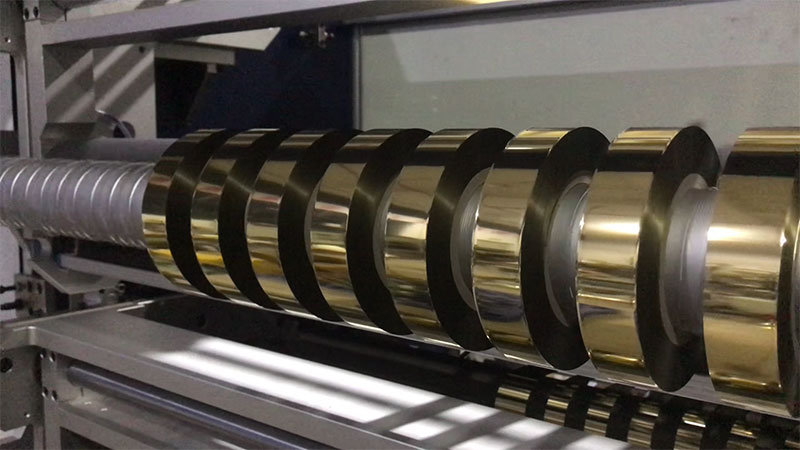 Holographic Foil Slitter
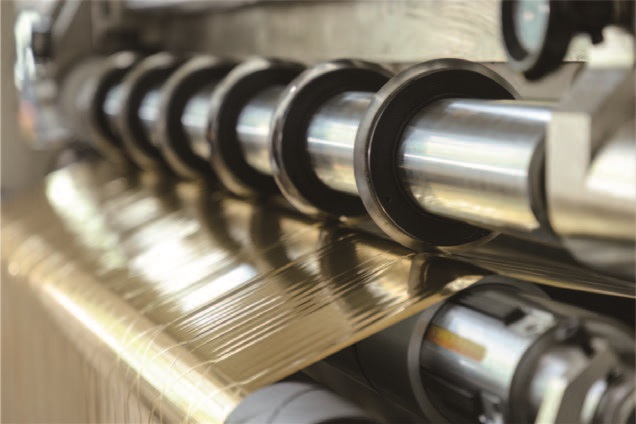 Hot Stamping Foil Slitting Machine
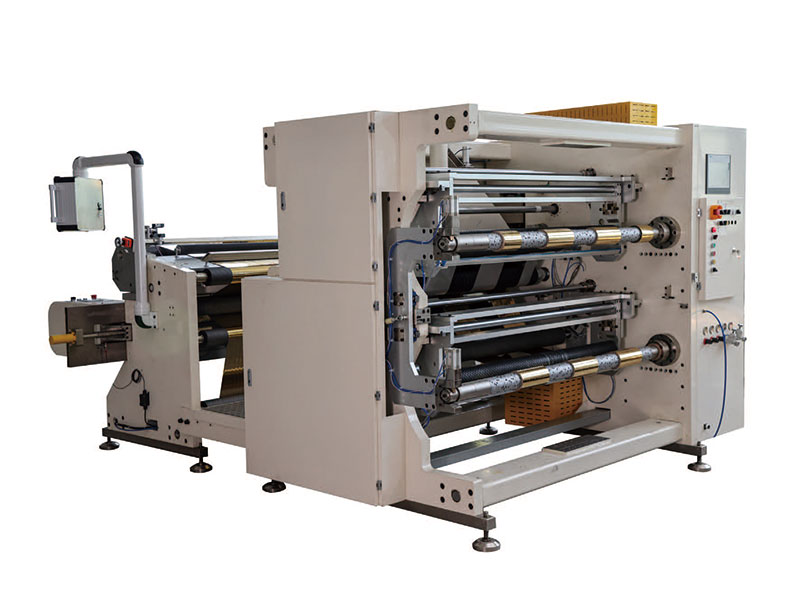 Hot Stamping Foil Slitter (RSDS7H) 1350
 Digital Enhancement Foil Slitter
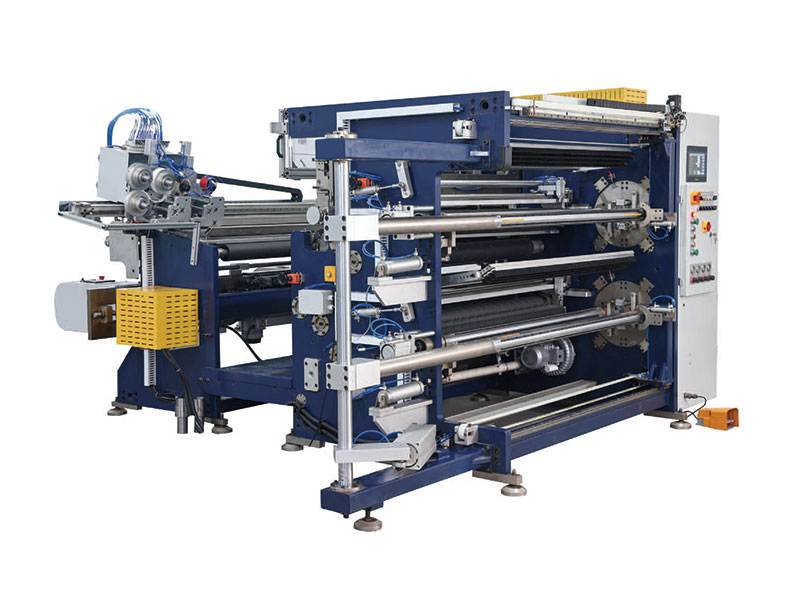 Hot Stamping Foil Slitter RSDS7H 1350 PLUS