Slitting is a crucial process in the production of thermal transfer ribbons. The slitting quality directly determines the performance of the final product during printing, and the problem of "uneven hardness at both ends of the ribbon" has long plagued many manufacturers. This issue not only affects the service life of the ribbon but can also lead to wrinkles, misalignments, and even broken ribbons during printing, resulting in material waste and higher costs. This article will focus on how the thermal transfer carbon ribbon slitting machine solves this problem, from the aspects of cause analysis, technical improvement and practical application.
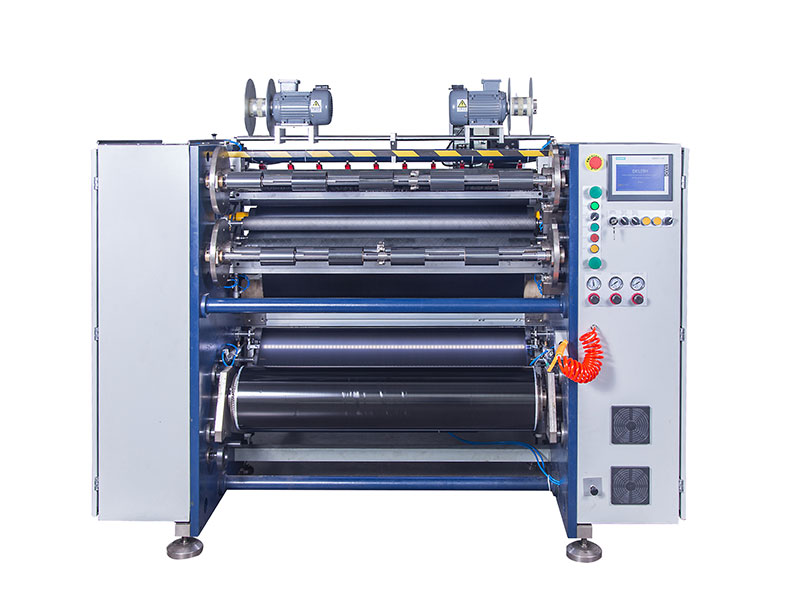
1. Origin of the problem: Why is the hardness uneven at both ends of the ribbon after slitting?
Ribbon is typically composed of multiple layers of structure, including a base film, a backcoating, and an ink layer. During the slitting process, factors such as the tension control of the slitting machine, the sharpness of the blade, and the winding method can affect the quality of the final finished product. The main causes of uneven hardness at both ends include:
1. Uneven tension distribution: When slitting, it is difficult to maintain a completely consistent tension of the ribbon in the width direction. The edge area tends to be subjected to greater tensile or contraction stress, resulting in a change in density at both ends, which is manifested as a hard or soft feel.
2. Difference in winding pressure: The contact pressure between the two ends of the winding shaft and the middle area is different, especially in narrow slitting, where both ends are more susceptible to uneven radial pressure.
3. Tool Wear and Contact Angle: Unsharp blades or abnormal slitting angles can create micro-deformations or burrs at the edge of the cut, leading to localized material buildup that alters the hardness.
4. Material Properties: Some ribbon substrates (such as thin mylar) are extremely sensitive to tension, and the uneven release of residual stress at both ends after slitting can also exacerbate the hardness difference.
2. Limitations of traditional equipment
Early or simple slitting machines mostly used mechanical friction clutches and manual tension adjustment, which could not achieve closed-loop control. The central winding method is adopted, and there is a lack of independent roller adjustment for narrow multi-roll products, resulting in the edge winding being too tight or too loose. In addition, there is a lack of online detection and feedback methods, and operators can only check through hand feel or simple instruments after the slitting is completed, and it is too late to find the problem.
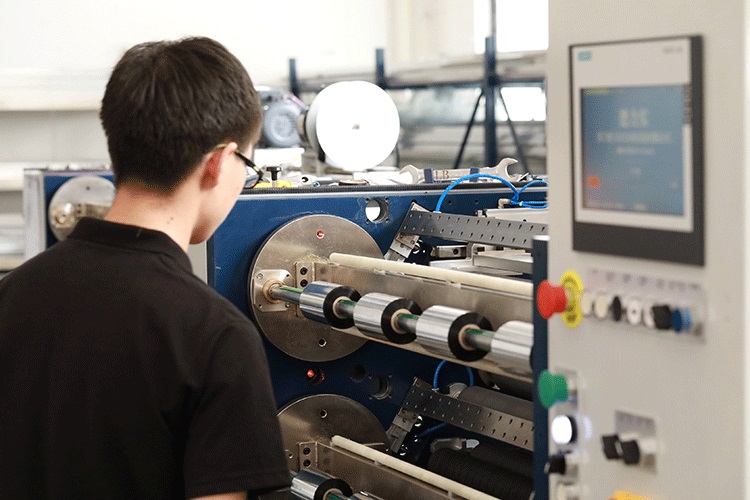
3. Technological upgrade: how to solve the uneven hardness at both ends of the slitting machine
The modern high-performance thermal transfer ribbon slitting machine has been systematically optimized from the following aspects, which effectively inhibits the uneven hardness at both ends.
1. Closed-loop tension control system
Servo motors drive unwinding and rewinding, combined with tension sensors to detect the forces on the ribbon along the width direction in real time. Through independent zone control or automatic edge tension compensation algorithms, the tension at both ends is dynamically consistent with the middle area. Some high-end models also introduce floating roll buffering mechanisms to absorb micro-tension fluctuations.
2. Improvement of roller and winding structures
• Independent Roller Zones: For multi-roll narrow ribbons, the winding pressure rollers can adjust pressure in stages, ensuring even force distribution at both ends of each ribbon.
• Taper tension winding: As the coil diameter increases, the system automatically reduces the winding tension to prevent the outer ring from being too tight and damaging the inner layer, which could affect hardness at both ends.
• Switching between contact and non-contact types: Use contact pressure rollers in the early stage of winding, then switch to non-contact mode later, reducing the risk of extrusion deformation at both ends.
3. Optimization of precision slitting tool sets
Uses high-hardness, low-friction circular shearing blades or razors, equipped with automatic sharpening or blade replacement reminder functions. The blade cutting angle is optimized through finite element analysis to reduce compression and pulling of the ribbon edges during slitting. After cutting, the edges are flat and burr-free, making localized hardening less likely.
4. Online hardness testing and feedback adjustment
In recent years, some advanced slitting machines have integrated online hardness testing modules, scanning the relative hardness values at both ends and the middle area of the finished roll using microprobes or ultrasonic sensors. Once deviations exceed set thresholds, the system automatically adjusts the winding tension curve or roller pressure for real-time correction.
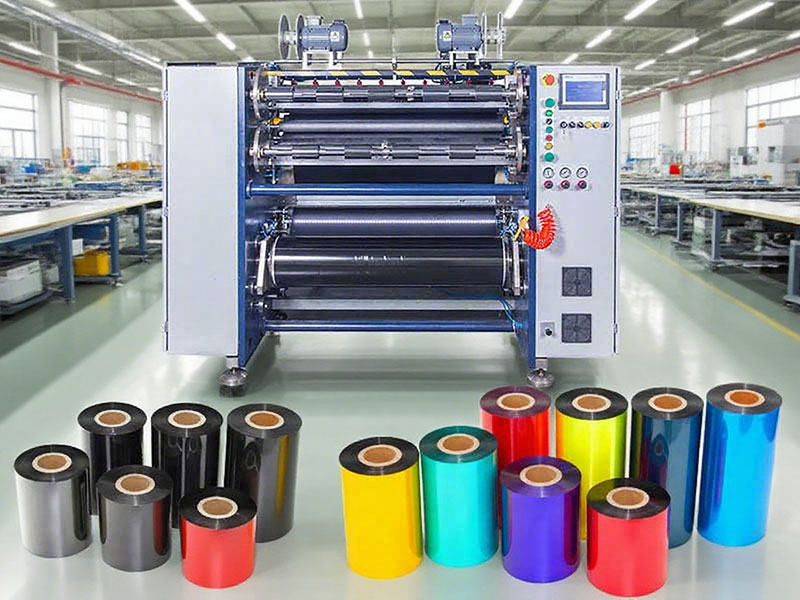
4. Practical Application Effects and Case Studies
Taking a domestic high-speed thermal transfer ribbon slitting machine as an example, before installing an optimized system, the hardness deviation at both ends of the ribbon after slitting generally reached 8%~12% (measured by Shore hardness or equivalent compression modulus). After upgrading closed-loop tension, zoned rollers, and online inspection, the hardness deviation at both ends was reduced to within 3%, and the finished product rate increased from 89% to over 97%. At the same time, downtime caused by ribbon misalignment or wrinkling in downstream printing processes was reduced by about 70%.
Another company specializing in colored resin ribbons reported that after adopting new slitting machines, even narrow ribbons with a slitting width of only 20mm could maintain consistent hardness at both ends, significantly improving the stability of small label printing.
5. Future Development Directions
With the advancement of Industry 4.0 and intelligent manufacturing, heat transfer ribbon slitting machines will become even more intelligent in solving the problem of uneven hardness:
• Machine learning tension optimization: Self-learns optimal tension curves based on historical data, adapting to different ribbon models.
• Digital twin technology: Creates a virtual model of the slitting process to predict hardness trends at both ends in advance and intervene.
• Fully automatic order change and docking: Reduce the uncertainty introduced by human operations and further improve consistency.
Epilogue
The uneven hardness at both ends after the heat transfer ribbon is slit, which seems to be a local defect, but in fact reflects the comprehensive shortcomings of the accuracy and control level of the equipment. Through systematic improvements such as tension closed-loop control, precision tool sets, partition winding and online inspection, modern slitting machines have been able to fundamentally alleviate or even eliminate this problem. For ribbon manufacturers, selecting or upgrading slitting equipment with the above capabilities is not only the only way to improve product quality, but also an important measure to build technical barriers in the fierce market competition. In the future, with the further integration of detection and control technology, the old problem of uneven hardness at both ends of the ribbon is expected to truly become history.
 English
 Deutsch
 Français
 Español
 Português
 日本語
日本語 русский
 한국어
한국어 عربي
عربي ภาษาไทย
 Tiếng Việt
 Italiano

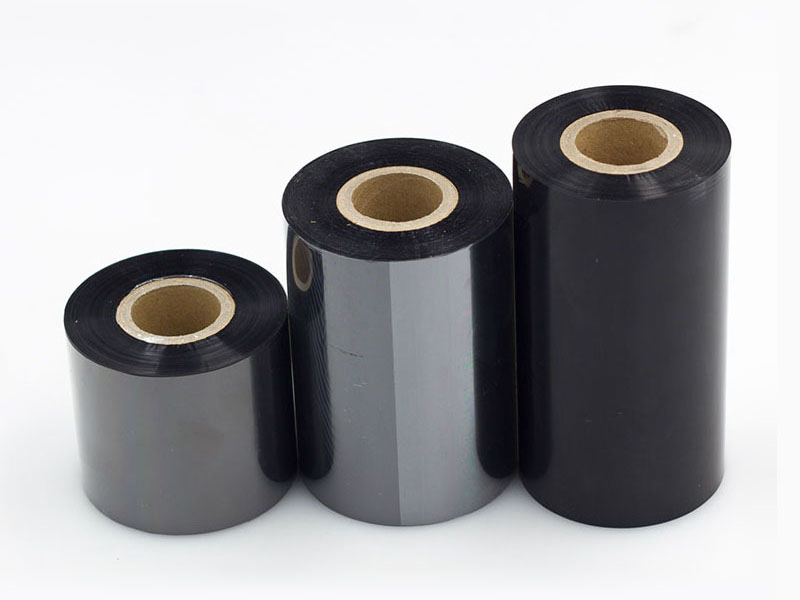
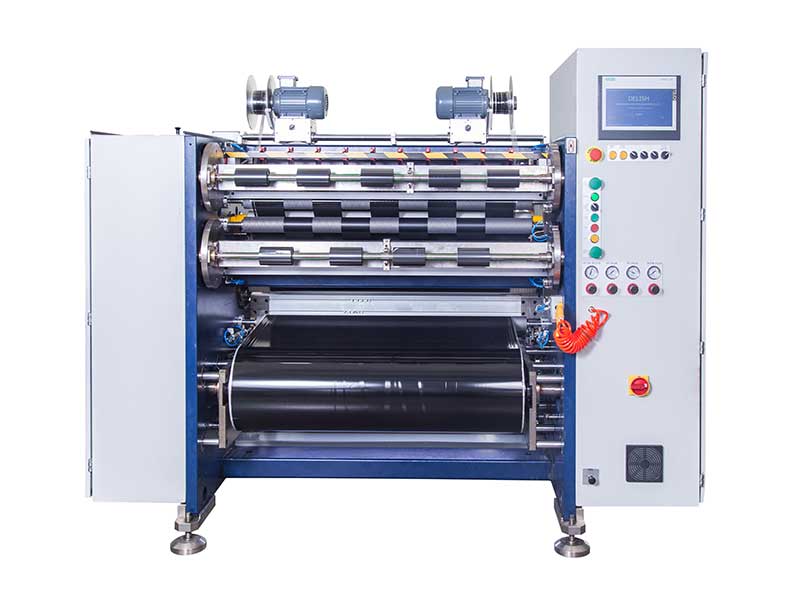 Barcode Ribbon Slitting Machine
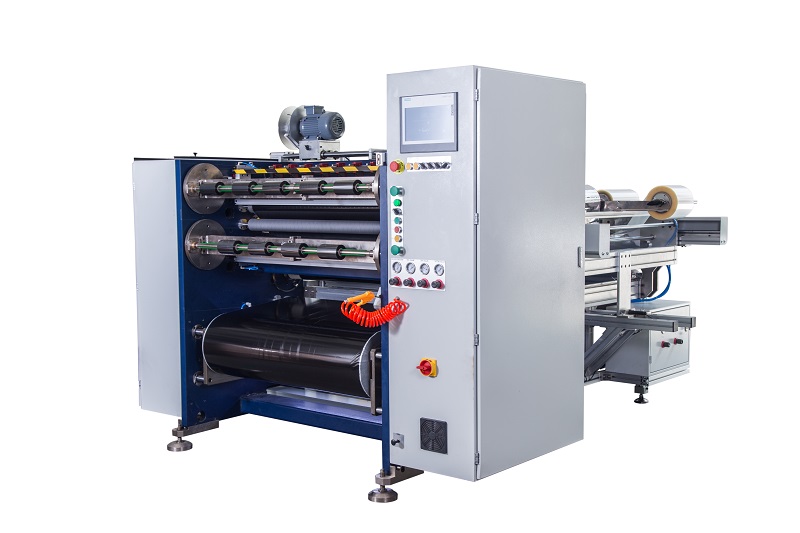 Semi Automatic Thermal Transfer Ribbon Slitter RSDS5 PLUS
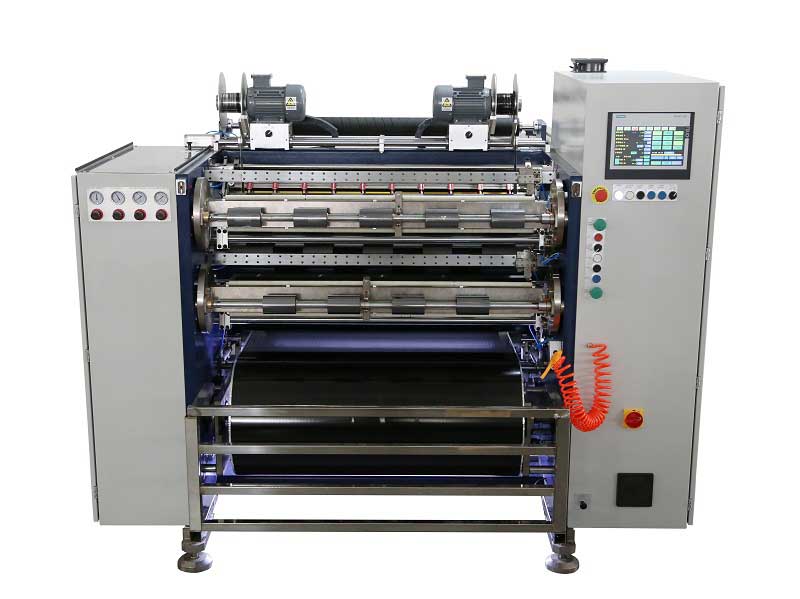 Automatic Thermal Transfer Ribbon Slitter RSDS8 H PLUS
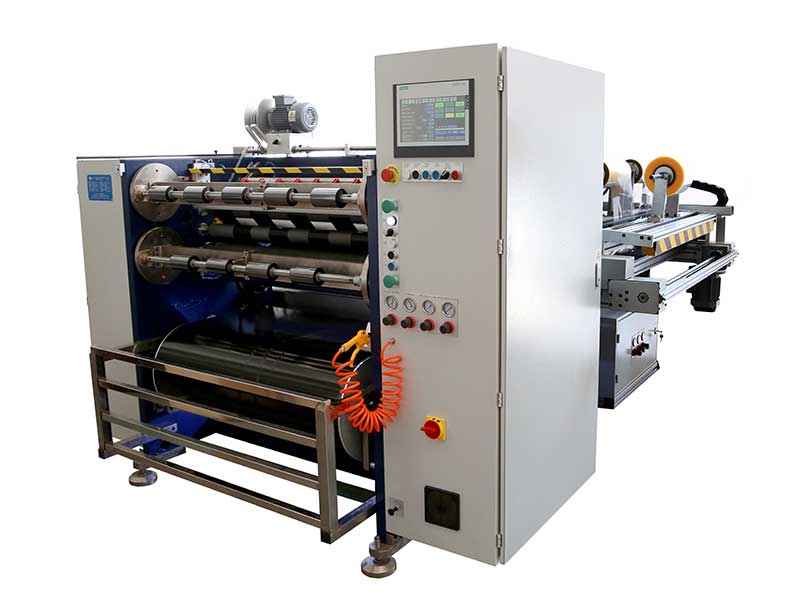 Automatic Thermal Transfer Ribbon Slitter RSDS6 PLUS
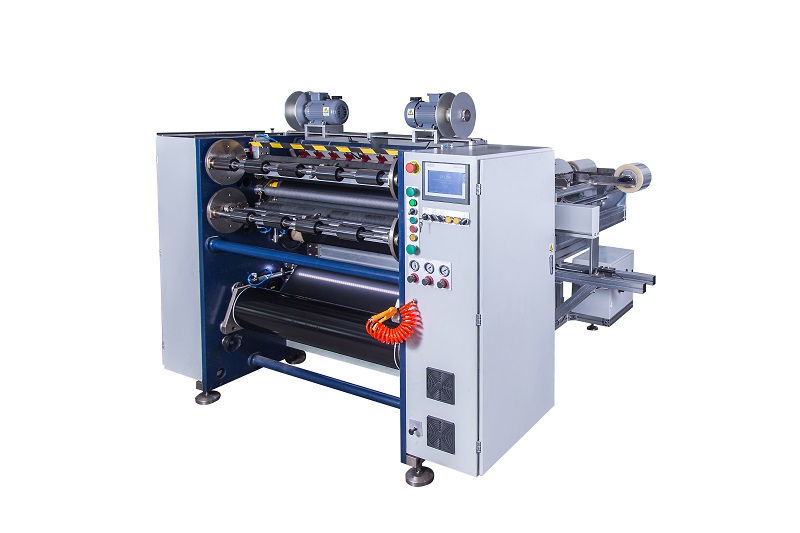 Semi Automatic Thermal Transfer Ribbon Slitter RSDS1 PLUS
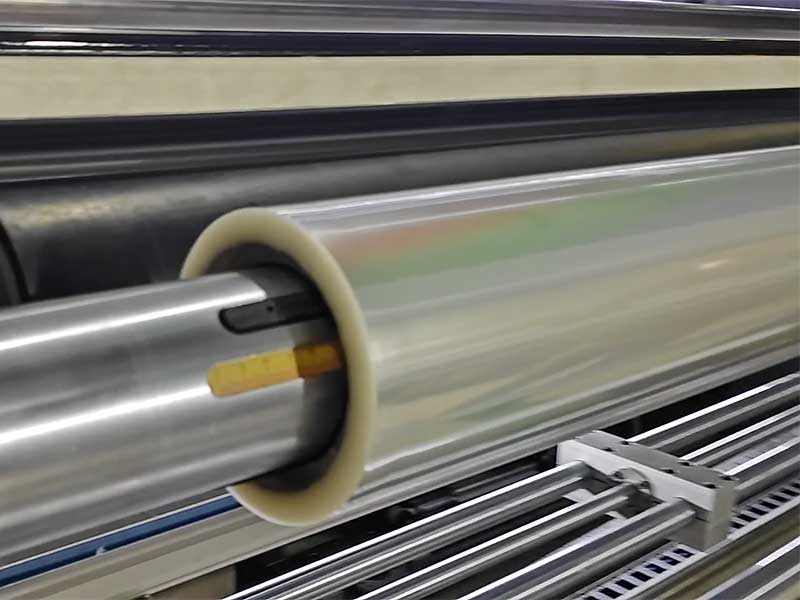 Solar Film Slitter
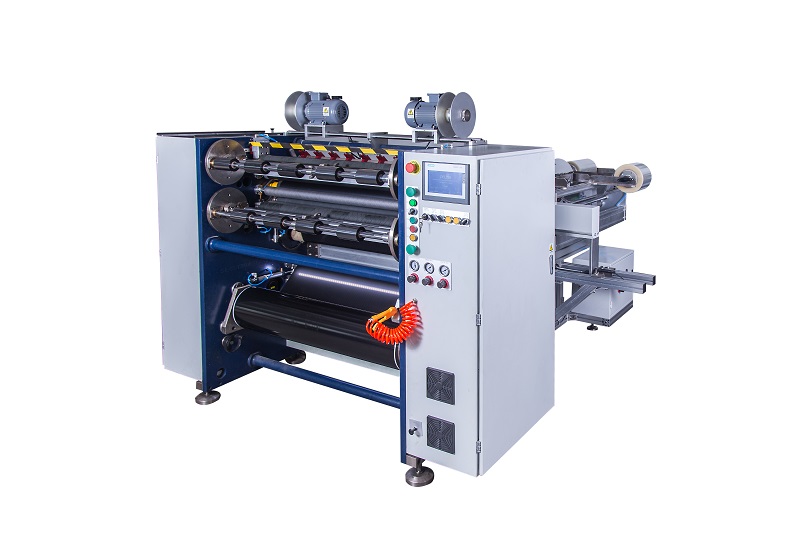 Semi Automatic Thermal Transfer Ribbon Slitter RSDS2 PLUS
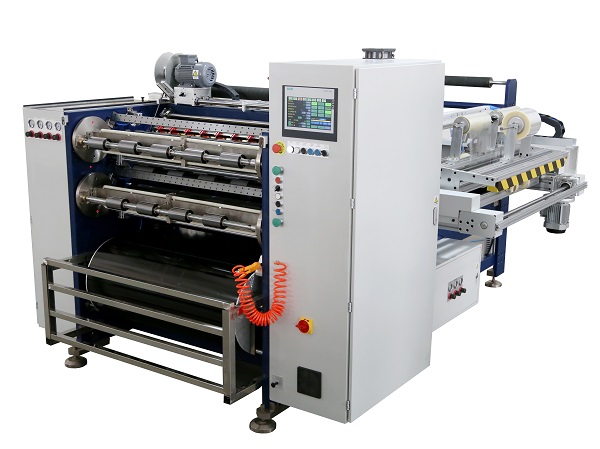 Automatic Thermal Transfer Ribbon Slitter RSDS8 PLUS