In the tape processing industry, single-sided adhesive slitting machines are the core equipment in daily production. Many operators have encountered such a problem: the edge burrs of the slitted single-sided film material are serious, which not only affects the aesthetics of the product, but also may lead to problems such as weak adhesion and edge lifting when used by downstream customers.
The problem of burrs may seem complex, but in fact, in many cases, only one key detail needs to be adjusted to improve significantly. Let's start with the cause analysis and directly give a solution that can be implemented.
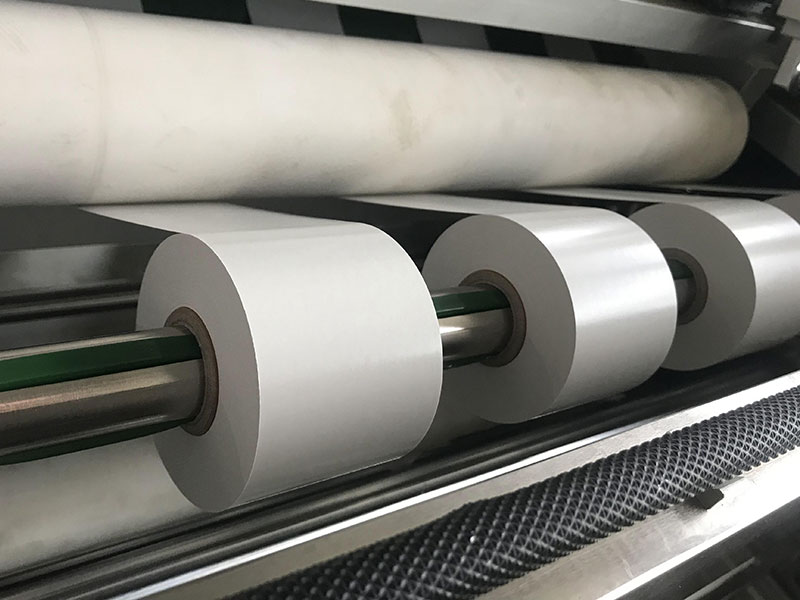
Three common causes of burrs
Before giving a solution, do a quick check if your device has the following conditions:
1. Round blade passivation or micro-notch – this is the most common cause. The blade becomes dull after prolonged use, and the slitting is no longer "cut off" of the rubber layer, but "torn" or "pulled", resulting in natural burrs.
2. Unreasonable knife pressure - excessive pressure will cause the adhesive layer to be squeezed and deformed, and the edges will be uneven after rebound; If the pressure is too small, it will not be able to cut through the substrate, and the adhesive layer will be pulled to form fluff.
3. Adhesive buildup on the knife surface – The adhesive surface of the single-sided adhesive will gradually adhere to the side of the blade, forming a layer of "gum". This layer of grease changes the actual cutting angle of the blade, which is equivalent to cutting the tape with a sticky bevel, and burrs are almost inevitable.
An immediate solution: wet lubrication + regular cleaning compound operation
In response to the third point above (and the most overlooked point), it is recommended to use the "micro alcohol knife method".
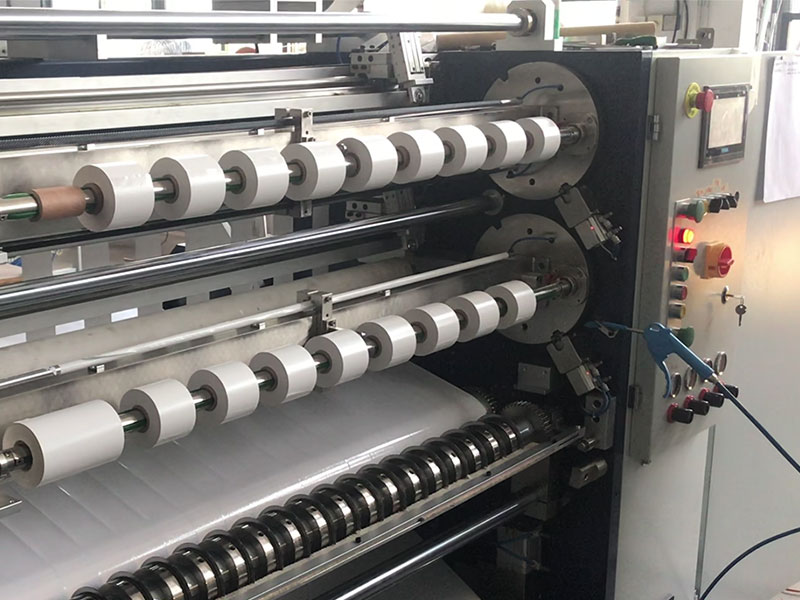
Specific steps:
1. Prepare a micro drip device (can be modified with a medical infusion set, or purchase a finished micro drip jug) and fix it above the knife holder.
2. Fill with denatured alcohol (concentration above 95%) or special silicone-based lubricant. Note: Do not use ordinary oil, the oil will contaminate the rubber surface.
3. Adjust the drop rate to 3-5 drops per minute to allow the liquid to flow continuously and in small amounts to the edge of the blade in contact with the tape.
4. When the equipment is running, lightly attach the side of the rotating blade with a non-woven fabric or cork block (pay attention to safety!). Do not approach the cutting edge), wipe the knife surface every 2 hours to remove the accumulated grit.
The principle is simple: the alcohol quickly dissolves and removes the adhesive residue on the blade surface, while a trace amount of liquid forms an extremely thin lubricating film at the cutting edge, reducing cutting resistance. The blade is always clean and sharp, and the cut edges are naturally flat.
Matching adjustment: optimize tool pressure and angle
While implementing the tool rubbishing method, it is recommended to recalibrate the following parameters:
• Knife pressure adjustment: Subject to just cutting through the substrate and only a slight cut on the release paper (or release film). Judgment method: Gently pull the slitted tape with your hands, and the edge should not be wavy and deformed.
• Blade angle: single-sided rubber slitting is commonly used to lower the knife angle of 15-20°. If the angle is too small, it is easy to passive, and if it is too large, the lateral extrusion force will increase, which will aggravate the burrs.
• Tool setting clearance: The gap between the round knife and the bottom knife (or bottom roller) should be controlled at 0.01-0.03mm, which can be checked with a feeler gauge.
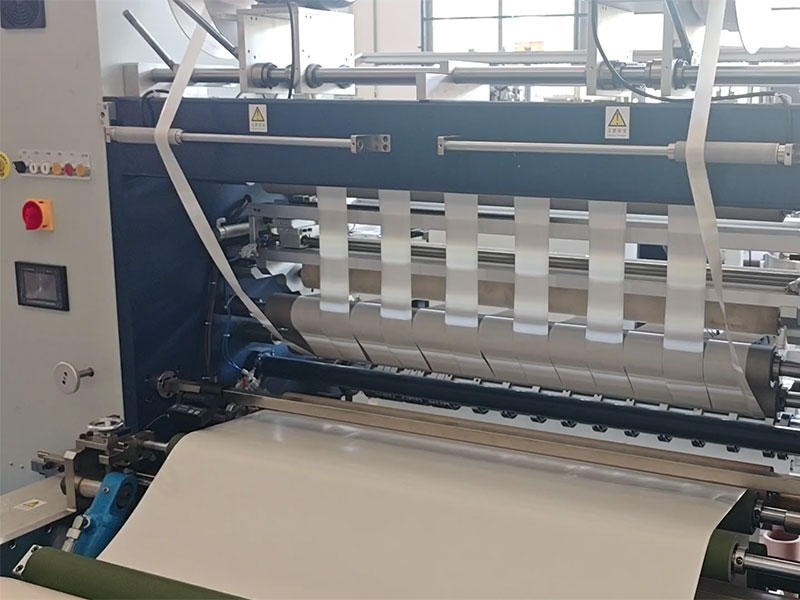
Routine maintenance checklist
Burr problems are often not caused by a single cause, and the following habits can greatly reduce the frequency of recurrence:
| Inspection items | Frequency | Standard |
| Blade edge inspection | Every shift | There are no white lines or notches visible to the naked eye |
| Cleaning of knife surface rubble | Every 2 hours | No sticky buildup |
| Micro drip device level | Every shift | Not less than 1/3 capacity |
| Knife pressure review | Every time you change a material | The substrate is cut thoroughly, and the adhesive layer is not extrusion deformation |
If the above methods still don't work, check these three points
In some cases, if the burrs are still serious after performing the above operations, please check:
• Unstable release paper/film tension: Fluctuations in tension can cause the tape to shake at the cutter with jagged edges.
• Surface wear of the bottom roller: dents or scale hardening on the bottom roller, and the inaccurate cooperation with the circular knife is not accurate.
• The tape itself is soft: Some single-sided adhesives with low initial adhesion are soft and easily drawn, requiring a sharper blade model (e.g., a circular knife with a thinner edge).
Summary
The problem of single-sided rubber slitting burrs can be significantly improved in 80% of cases by "keeping the blade clean + micro lubrication". Don't change the blade or dismantle the equipment as soon as you come up, try to make a simple dripping device on the knife holder first, and clean the knife surface regularly. The investment in this method is almost zero, but the results are often surprising.
If the burrs are significantly reduced after trying it, please come back and share your actual results. You are also welcome to share in the comment area the special burr cases you have encountered - different rubber types, different thicknesses, and there may be differences in the details of the solution.
 English
 Deutsch
 Français
 Español
 Português
 日本語
日本語 русский
 한국어
한국어 عربي
عربي ภาษาไทย
 Tiếng Việt
 Italiano
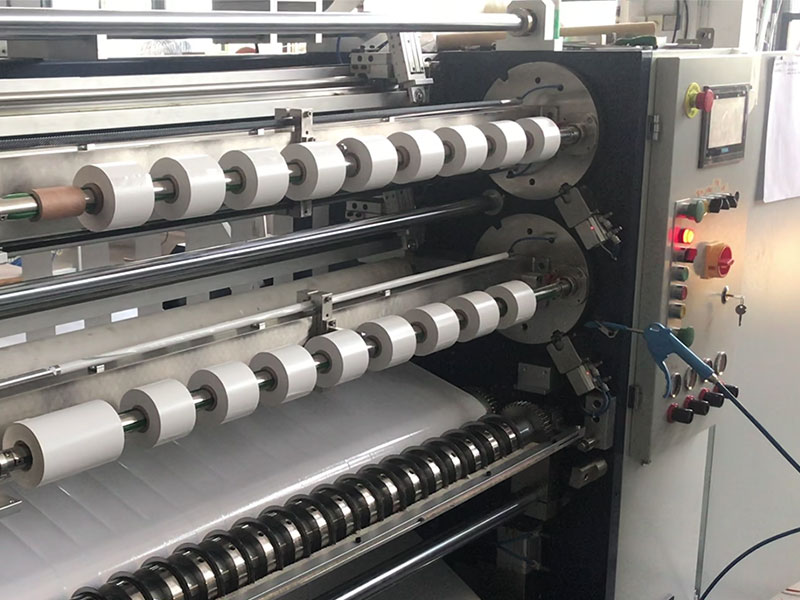
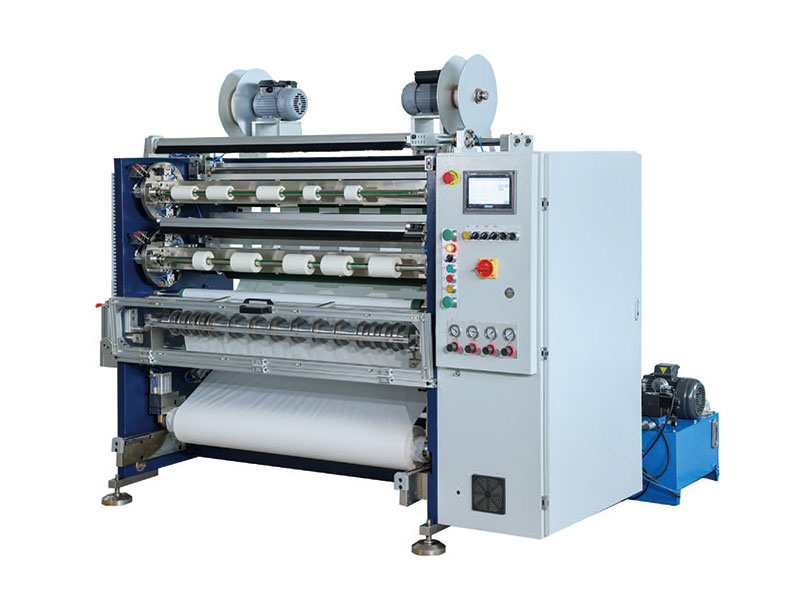 Single Side Adhesive Slitter