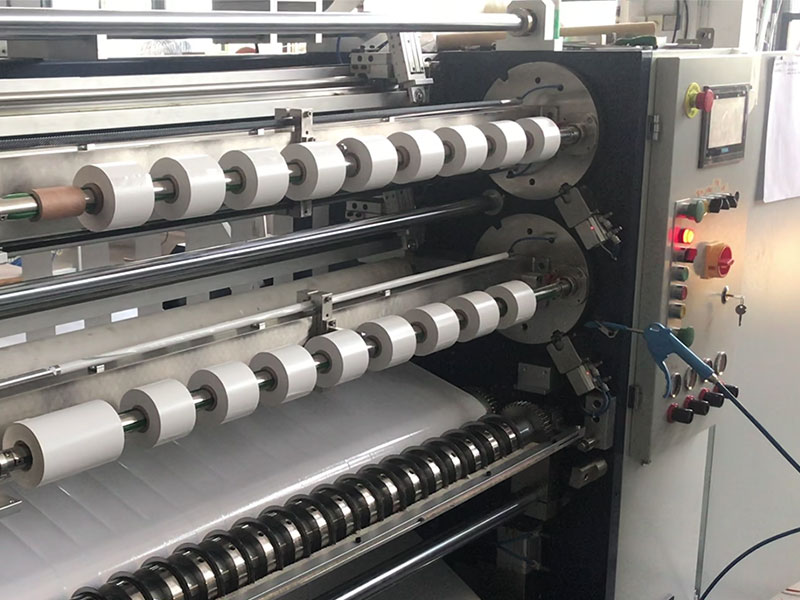
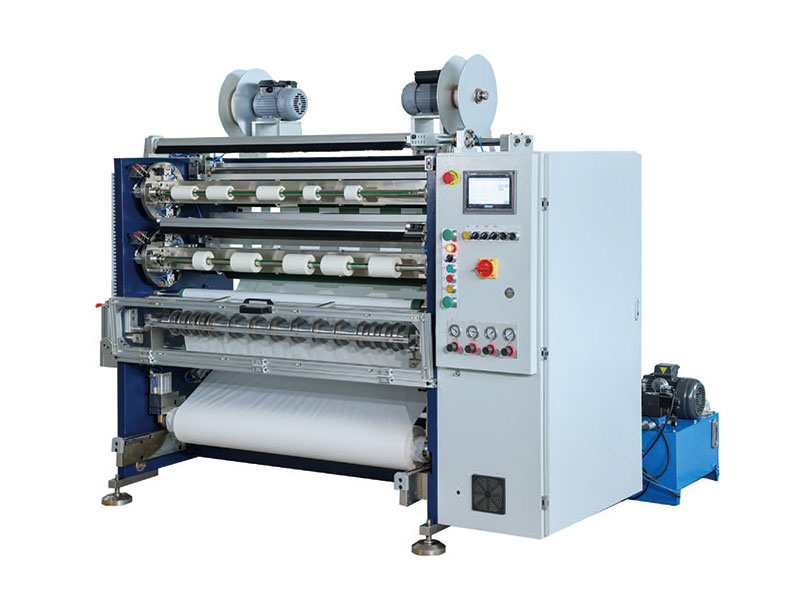
In packaging, printing, electronics, building materials and other industries, single-sided tapes (such as masking paper, sealing adhesive, release paper composites in double-sided tape, etc.) are widely used. The single-sided adhesive slitting machine is the core equipment for accurately slitting these large master rolls into small rolls of specified width.
In the face of many brands and models on the market, how to choose a slitting machine that is both efficient and stable? Many novices tend to only look at the price or brand, but ignore the key parameters that really affect production efficiency and product quality. Please pay attention to the following three parameters.
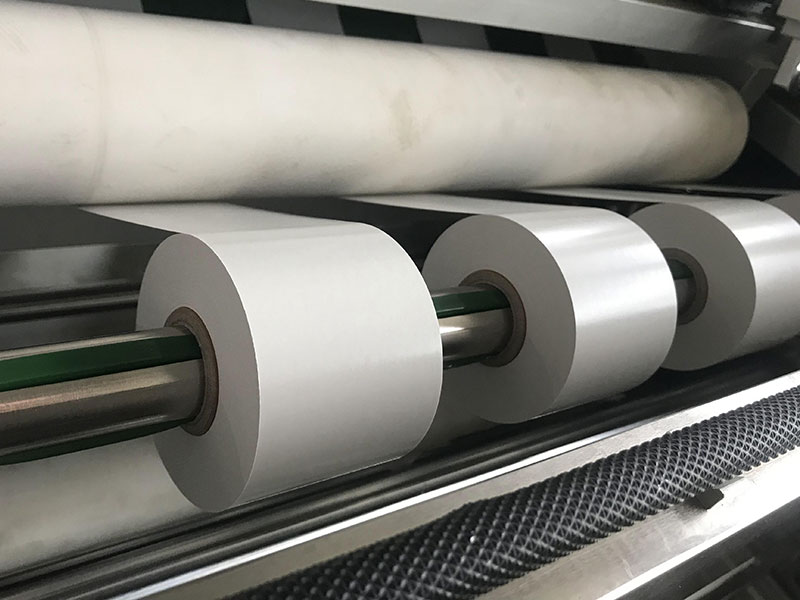
1. Slitting accuracy: directly determines the qualified rate of finished products
Slitting accuracy is the first indicator to measure the performance of the slitting machine, usually expressed as "width tolerance (mm)". To put it simply, you set the width of the slitting 10mm, and the actual cut is exactly how much it is.
• High standard reference: The accuracy of domestic mainstream models is generally ±0.1mm, and imported or high-end models can reach ±0.05mm or even higher.
• Why it matters: In high-end applications such as electronic insulating tapes and medical tapes, a deviation of a few threads (0.01mm) can render the product unusable. Even with ordinary case sealing tapes, poor accuracy can lead to uneven joints and packaging misalignment.
• Purchasing suggestions: Require manufacturers to provide actual test videos or on-site proofing. Note that the accuracy is directly related to the tool holder structure, blade quality, and tension control system, and do not trust the "theoretical values" in the brochure.
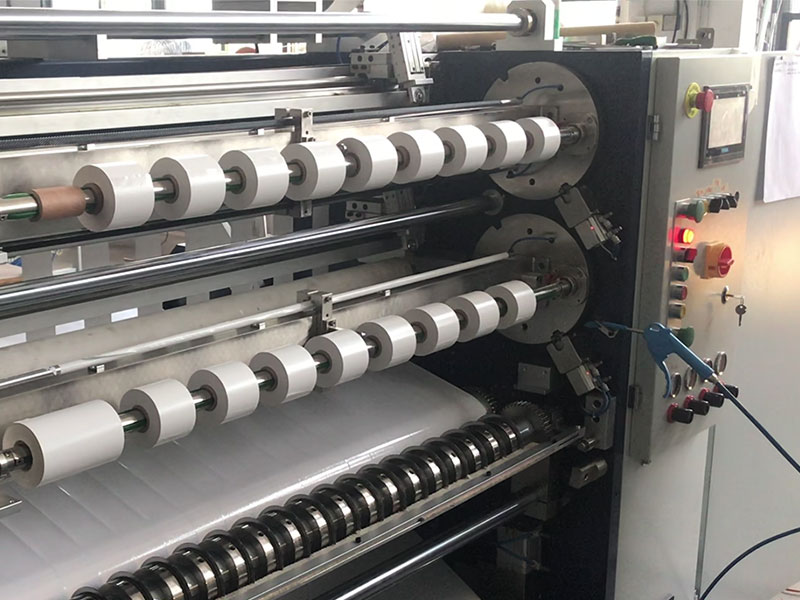
2. Maximum slitting speed: determine the capacity ceiling
Speed is directly related to how many rolls of finished product can be produced per day. However, it should be noted that the "maximum speed" advertised by manufacturers is often the limit value under ideal conditions, and the actual stable operating speed is the key.
• Common speed range: about 100–150 m/min for economical machines, 200–300 m/min for medium and high speed machines, and more than 400 m/min for high-end machines.
• Myth reminder: Not faster is better. After the speed is increased, the requirements for winding neatness, tension control, and correction system increase exponentially. Blind pursuit of high speed can be traded for frequent downtime and commissioning and a large amount of scrap.
• Purchasing advice: Calculate the required speed backwards based on your daily output and leave a margin of 20%-30%. It also asks about accuracy performance at "economic speed" rather than the limit speed.
3. Adaptability of winding diameter and core: affect the subsequent process
This parameter is easy to overlook, but it determines how long your finished roll can be wound and whether it can be adapted to the customer's equipment.
• Maximum winding diameter (e.g., φ300mm, φ400mm): The larger the diameter, the longer the length of a single roll, and the fewer times the roll changes. However, the increase in diameter will increase the internal tension gradient, which can easily lead to tape deformation or uneven end face. It needs to be combined with the material of the tape (film or cloth base) to make a comprehensive judgment.
• Core Inner Diameter Range (3", 6", or 1" Plastic Core) for Common Machines: Can the machine quickly switch between different sizes of cores? The high-end slitting machine adopts shaftless clamping or inflatable shaft design, and it only takes a few minutes to change the core; Low-end machines may require manual shaft changes, which is time-consuming and reduces accuracy.
• Purchasing Suggestions: List all core specifications and maximum coil diameters you may use now and in the future, and directly ask if the equipment is compatible. If the customer requires a wide variety of cores, give preference to models with a quick core changer.
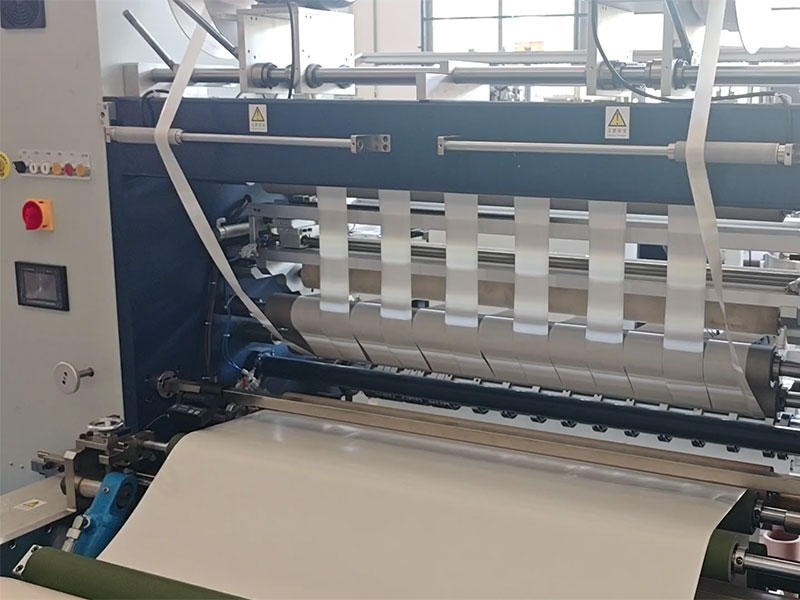
And don't forget the supporting parts: blades and tension systems
In addition to the above three hard parameters, there are two hidden costs worth paying attention to:
1. Blade type and lifespan: round knife, flat knife, razor? Different materials (e.g., hardened steel, tungsten carbide) affect the quality of the facet and the frequency of tool changes. Make sure the blades are easily sourced locally and affordable.
2. Tension control method: magnetic powder clutch (economical but easy to heat up) vs vector frequency conversion motor + closed-loop control (precise but expensive). For stretch-sensitive single-sided adhesives (e.g., low-tensile PET films), closed-loop tension control must be selected.
Summary: Three steps to select a machine
1. Clarify your needs: list your tape's maximum width, narrowest slitting width, typical materials, and daily output.
2. On-site testing: Take your most "difficult-to-cut" tape (such as thin, soft, and sticky) to test the machine, focusing on the neatness and width consistency of the end face.
3. Calculate the total cost: Compare the equipment price + (blade + power consumption + maintenance) annual fee. The value of tape wasted by a poorly accurate slitting machine in a year may far exceed the purchase price difference.
The single-sided rubber slitting machine is not the more expensive the better, but the more "matching" the better. Grasp the three key parameters of slitting accuracy, speed and winding capacity, combined with your actual production scenarios, you will definitely be able to choose the one that is really suitable.
 English
 Deutsch
 Français
 Español
 Português
 日本語
日本語 русский
 한국어
한국어 عربي
عربي ภาษาไทย
 Tiếng Việt
 Italiano
 Single Side Adhesive Slitter