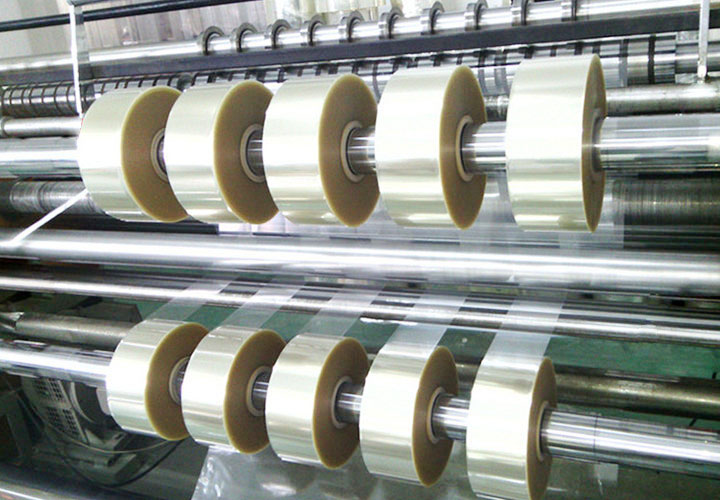
In the film manufacturing and processing industry, the slitting process of thin film materials (such as optical films, lithium battery separators, packaging films, etc.) has always been a technical difficulty. The thickness of such materials is often only a few microns to tens of microns, with low strength and poor rigidity, and it is very easy to stretch, wrinkle, or even break due to improper tension control during the slitting process, resulting in product scrapping. How to effectively solve the tensile deformation problem of thin film materials and maintain tension stability has become a key indicator to measure the performance of slitting equipment.
1. Pain points of thin film slitting: where does the tensile deformation come from?
Thin film materials are subjected to forces in multiple directions during the slitting process: unwinding traction, winding tension, friction resistance of knife rollers, and air cushion fluctuations. Due to the limited tensile strength of the material itself, when these forces are unevenly distributed or fluctuate instantaneously, the film material will locally exceed the elastic limit, resulting in irreversible plastic tensile deformation. The deformed film not only has uneven thickness, but also affects the accuracy of subsequent printing, lamination or coating processes.
In particular, when cutting long and narrow stripes, the stress between the edge and the middle part is significantly different, and defects such as "ruffles", "wavy edges" or longitudinal stripes are more likely to occur.
2. Tension stability: the "ballast stone" of slitting quality
Tension control is the core technical link of the slitting machine. For thin film materials, ideal tension control needs to meet three conditions at the same time:
1. Constant - the tension fluctuation range should be controlled within ±0.5N during the whole slitting process;
2. Adjustable - according to the mechanical characteristics of different film materials, the tension value can be finely set;
3. Zonal adaptation - the tension of the unwinding area, traction area, and winding area should be adjusted independently without interfering with each other.
Once the tension is unstable, the membrane material will slip and deviate, which will cause tensile deformation. Therefore, high-end film slitting machines are usually equipped with a closed-loop tension control system, which uses tension sensors to monitor in real time and quickly compensate for deviations through servo motors or magnetic particle brakes.
3. Key technical countermeasures: system optimization from mechanical to electronic control
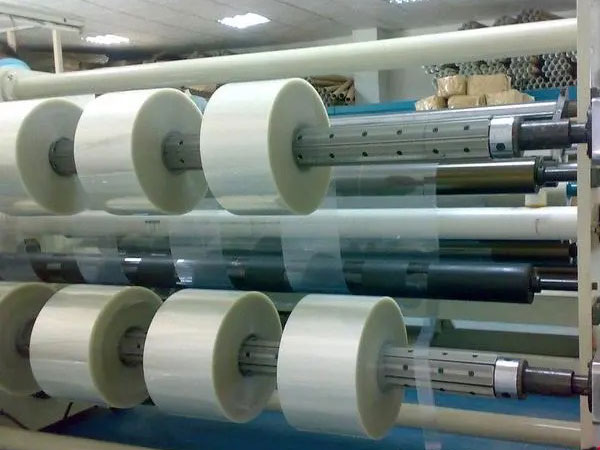
Modern film slitting machines use a number of innovative designs to curb tensile deformation at the source:
• Low inertia precision guide rollers: Lightweight aluminum alloy or carbon fiber rollers with low-friction bearings reduce the inertia force required to drive the membrane and avoid tension shock during acceleration and deceleration.
• Floating roller buffer mechanism: A floating roller is set in the main path of tension, which uses air pressure or spring to provide flexible cushioning and absorb short-term tension spikes, which is equivalent to adding a "shock absorber" to the membrane.
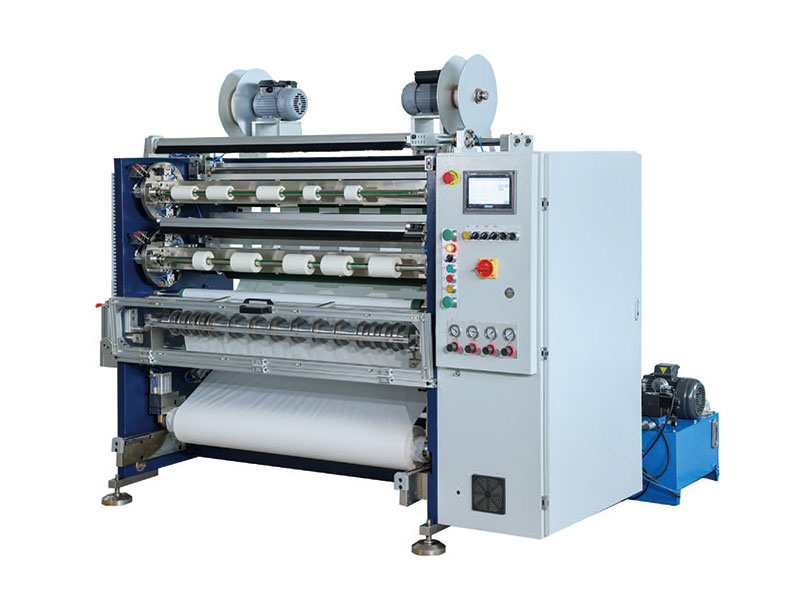
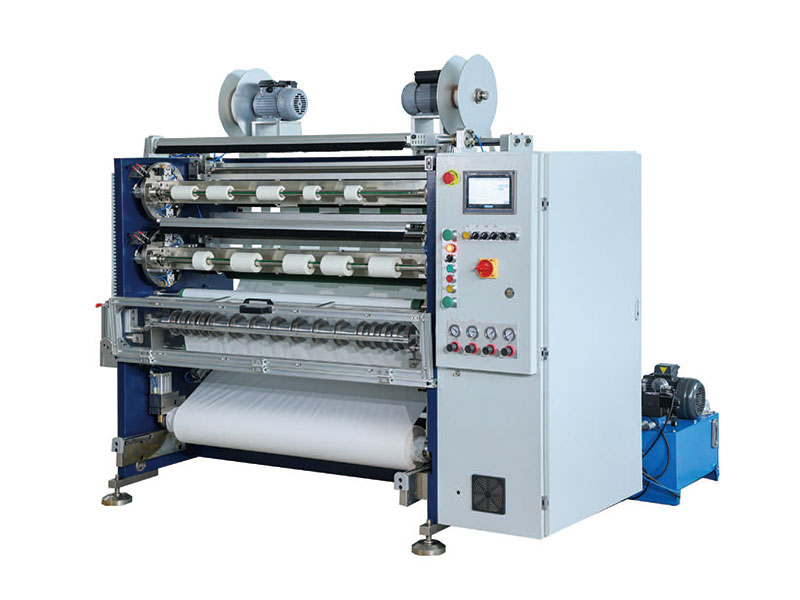
• Independent servo drive zone control: unwinding, traction and winding are each equipped with servo motors, which run synchronously through electronic gears to completely eliminate the cumulative tension error caused by the mechanical drive shaft.
• Intelligent tension curve control: In view of the characteristics of thin film materials that are easy to stretch, the system automatically generates a gradient tension curve during the start, run, and stop stages to avoid step-by-step tensile changes.
In addition, for some extremely thin materials (such as lithium battery separators below 3μm), the equipment will also add double rewinding shaft alternating switching technology to complete the winding change without stopping, eliminating the tensile damage to the film material caused by repeated start and stop at the joint.
4. Practical application effect: from "easy to waste" to "high-precision"
Taking an optical film company as an example, before the introduction of a new film slitting machine with the above technology, the slitting rate of PET protective film with a thickness of 12μm was only 78%, and the main defect was edge tensile deformation. After the new equipment is put into use, the slitting speed is increased to 300m/min through millisecond tension response and floating roller buffering, while the pass rate is stable at more than 96%, and the thickness difference of narrow band products is controlled within ±0.2μm.
Another typical case is lithium battery separator slitting. The separator material has high porosity, low mechanical strength, and is extremely sensitive to tension. After adopting the high-precision film slitting machine, the separator slitting burr width is reduced from the original 0.8mm to 0.2mm, and the thermal shrinkage consistency after slitting is increased by 40%, which directly improves the interface safety of the battery cell.
5. Future trend: higher precision and more intelligence
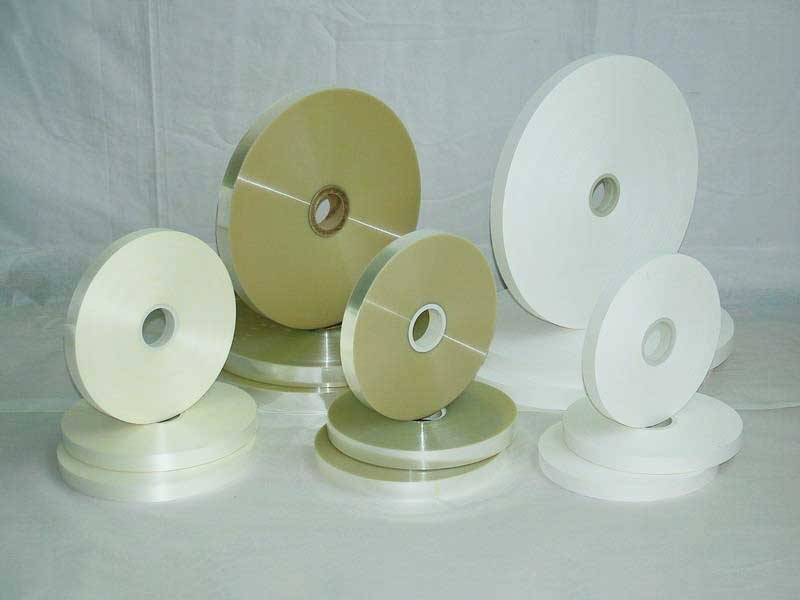
With the explosion of demand for ultra-thin functional films in emerging fields such as 5G, new energy, and flexible displays, film slitting technology is also moving towards a higher level. The following points are worth paying attention to:
• Machine vision-assisted deviation: Real-time detection of the edge and surface topography of the film through the line array camera, and dynamic correction of the tension set value.
• AI tension self-tuning: Based on historical data training models, the optimal tension parameters can be automatically recommended when the new film material is put on the machine, shortening the adjustment time.
• Full closed-loop digital twin: Rehearse the slitting process in a virtual system, identify stretching risk areas in advance, and optimize the slitting process scheme.
Epilogue
The process of film slitting machine to solve the problem of tensile deformation of thin film materials is essentially the technical evolution of tension control from "extensive" to "subtle". Maintaining tension stability is not only a necessary condition to ensure the dimensional accuracy and mechanical properties of products, but also the core ability of film manufacturers to improve yield, reduce costs, and participate in high-end market competition. In the future, with the continuous breakthrough of control algorithms and sensing technology, thin film slitting will be closer and closer to the ideal state of "zero stretching and zero defects".
 English
 Deutsch
 Français
 Español
 Português
 日本語
日本語 русский
 한국어
한국어 عربي
عربي ภาษาไทย
 Tiếng Việt
 Italiano
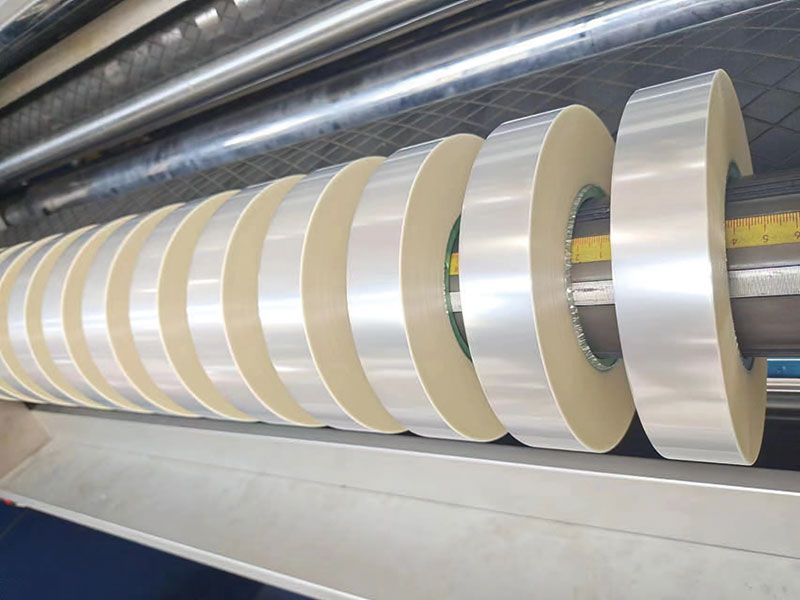 Film Slitting Machine
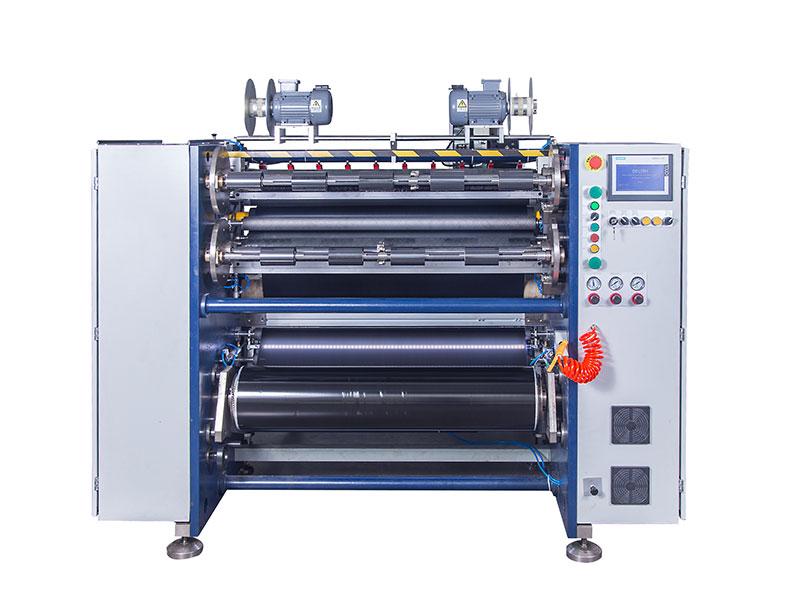 Ribbon Slitting Machine
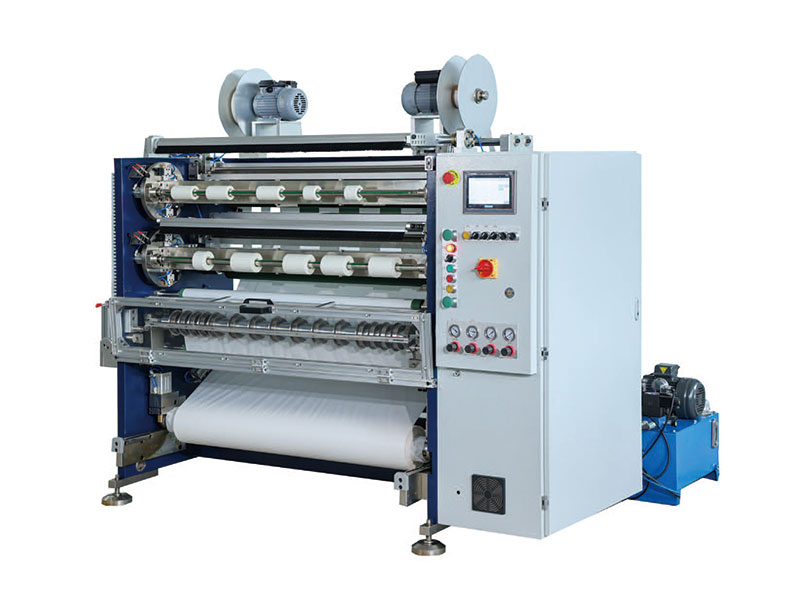 Tape Slitter
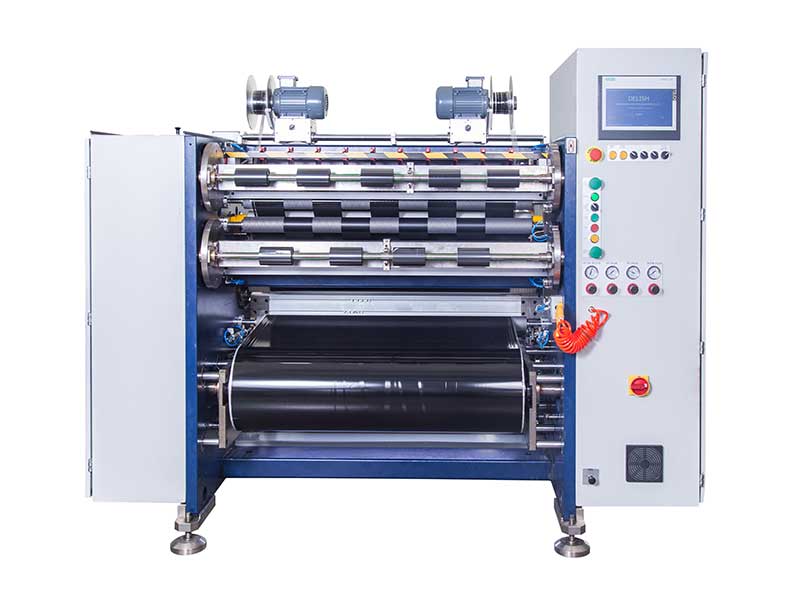 Barcode Ribbon Slitting Machine
 Single Side Adhesive Slitter
 Capacity Film Slitter
 Double Side Adhesive Slitter
 Solar Film Slitter