Abstract
As the global thermal transfer printing market (barcodes, labels, bills, etc.) continues to expand, the demand for Thermal Transfer Ribbon (TTR), which is its core consumable, is increasing. As the core equipment for processing wide and large coil raw materials into precision finished rolls, the ribbon slitting machine is undergoing a profound transformation from traditional semi-automatic machinery to high-precision, high-efficiency, and fully intelligent equipment. This article delves into the trend of precision control, process adaptation, and intelligent upgrading based on Industry 4.0 of ribbon slitting machines, aiming to provide industry practitioners with a reference for technological transformation.
First, introduction: The prosperity of the ribbon market has forced equipment upgrades
As the "ink" of thermal transfer printers, ribbon is widely used in logistics, medical, retail, manufacturing and other fields of barcode marking. With the increasing requirements for printing quality, scratch resistance, and adaptability to high temperature and high humidity environments in terminal applications, the coating process of the ribbon itself is becoming more and more complex (such as hybrid-based, resin-based, and special chemical-resistant ribbons), which directly poses unprecedented challenges to the back-end slitting process.
The traditional ribbon slitting machine mainly relies on manual experience for tension adjustment, deviation control and winding and arrangement, and there are pain points such as uneven end faces, folds, broken belts, and insufficient length accuracy of finished products. At a time when labor costs are rising and customers have strict requirements for zero-defect delivery, upgrading to intelligent, unmanned, and digital directions has become the only way for the industry to survive and develop.
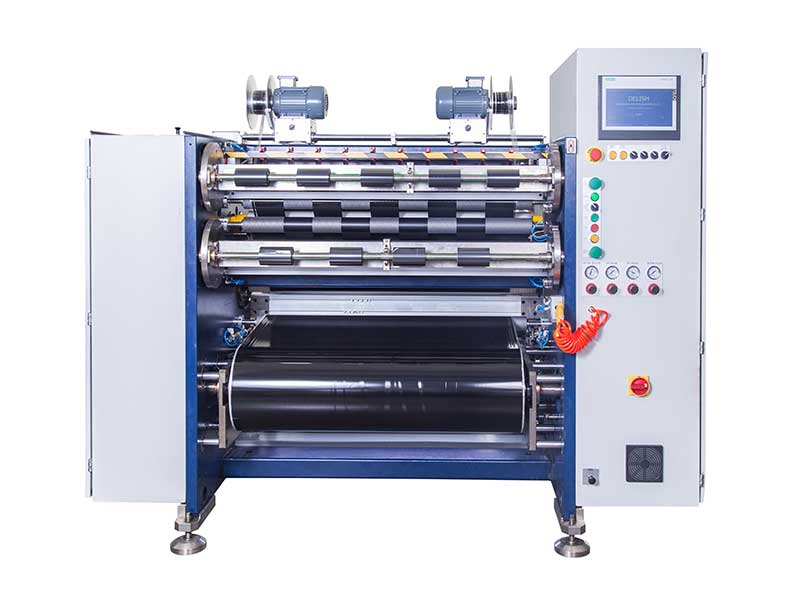
Second, technology development trend: from "stability" to "refinement" to "intelligence"
1. Tension control: from open-loop to closed-loop adaptive
Tension control is the core lifeblood of ribbon slitting. The ribbon substrate is usually a very thin PET film (usually 4.5μm-6μm thick) and coated with a layer of ink that is easy to peel off.
• Trend performance: Modern high-end slitting machines have abandoned the traditional mechanical friction plate tension adjustment and fully adopted servo motor drive and closed-loop tension control system. By monitoring the actual tension values of each station of unwinding, traction and winding in real time, the PID (proportional-integral-differentiation) algorithm is used to make millisecond-level dynamic adjustments.
• Technical Highlights: Introduction of taper tension control technology. With the gradual increase of the winding diameter, the system automatically reduces the winding tension to ensure the winding structure of tight and loose outside, which effectively solves the problem of "chrysanthemum heart" deformation or substrate stretching caused by excessive internal tension under the large winding diameter.
2. Slitting process: Evolution towards ultra-narrow and high-precision
With the popularization of miniaturized applications such as electronic component labels and medical test tube labels, ribbon slitting is developing in the direction of narrowing (such as width below 20mm) and ultra-high precision.
• Tool Innovation: Traditional circular knife slitting is prone to burrs at high speeds, affecting the life of the print head. The current trend is to use high-precision razor-type slitting systems or pneumatic press-fit circular knives, with laser-quenched blades, to ensure neat cuts, no dust, and no indentations.
• Accuracy standards: The slitting width tolerance has been narrowed from ±0.1mm in the past to ±0.05mm or even ±0.03mm to meet the needs of high-end barcode printers for strict alignment of ribbon and label paper.
3. Automated Assistance: Reduces manual intervention
• Automatic tool rowing system: Traditional format changes require manual movement of tool holders, which is time-consuming and error-prone. The intelligent slitting machine is equipped with servo-driven automatic tool arrangement function, the operator only needs to enter the order width in the HMI (human-machine interface), and the tool holder is automatically and accurately moved into place, shortening the order change time from 30 minutes to less than 3 minutes.
• Automatic paper splicing and unloading: for high-speed continuous production needs, it is equipped with an automatic splicing platform to realize non-stop machine reel change; With the robotic arm or automatic discharge frame, the automatic unloading and labeling of the finished roll is completed, and the operation foundation of the "black light factory" is realized.
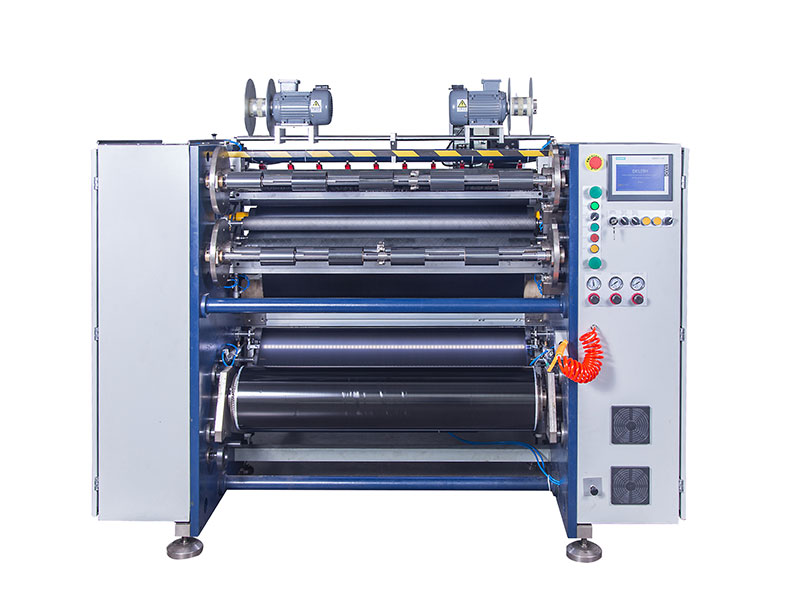
Third, the core dimension of intelligent upgrading
If the above trend is the improvement of hardware, then intelligent upgrades give devices "brains" and "eyes".
1. Digital twin and process self-optimization
The new generation of ribbon slitting machines is no longer an isolated execution unit, but a virtual model is built through digital twin technology.
• Application scenarios: Before operation, the equipment automatically retrieves the optimal parameters in the process library (such as tension setpoint, roller pressure, acceleration and deceleration slope) by scanning the order QR code. For new orders, AI algorithms can automatically generate process packages based on historical data such as "substrate thickness, coating amount, and width" of the ribbon, which greatly shortens the debugging time of experienced technicians and reduces the dependence on the experience of "masters".
2. Machine vision online quality inspection
Traditional slitting relies on manual sampling after shutdown, which poses a risk of quality missage.
• Technology integration: Deploy a high-resolution line scan camera before the slitting machine is wound, combined with AI image recognition algorithms, to monitor the coating pinholes, scratches, seams, printing defects (if there is back printing), and burrs and mislayers on the slitting end face in real time.
• Value embodiment: Realize the closed-loop control of "detection-mark-rejection". Once a continuous defect is found, the system automatically triggers an alarm or automatically cuts off the defective segment to ensure that every meter of ribbon entering the market is a good product. This full inspection mode is replacing the traditional sampling mode and has become the standard equipment for high-end ribbon manufacturers.
3. Equipment networking and predictive maintenance
In the context of intelligent manufacturing, slitting machines, as key production units, must be integrated into MES (Manufacturing Execution System) and ERP (Enterprise Resource Planning System).
• Data transparency: Equipment uploads data such as OEE (Overall Equipment Effectiveness), output, scrap rate, and current operating speed in real time. Managers can remotely monitor the operating status of multiple devices.
• Predictive maintenance: By monitoring spindle vibration, motor temperature, servo drive load rate, combined with big data analysis, the system can warn of potential failures of critical components such as cutter wear and bearing fatigue in advance. Transform the traditional "post-event maintenance" into "situational maintenance" to avoid order delays caused by sudden downtime.
4. Flexible manufacturing and mixed flow production
In the face of multi-variety and small-batch market demand, intelligent slitting machines must have high flexibility.
• Implementation: Through the multi-axis design of independent servo drive, combined with software-defined logic control, the equipment can seamlessly switch orders of different widths and lengths in the same batch, and even realize the refined traceability management of "one roll, one code", transforming the slitting machine from a single production machine to a flexible manufacturing unit.
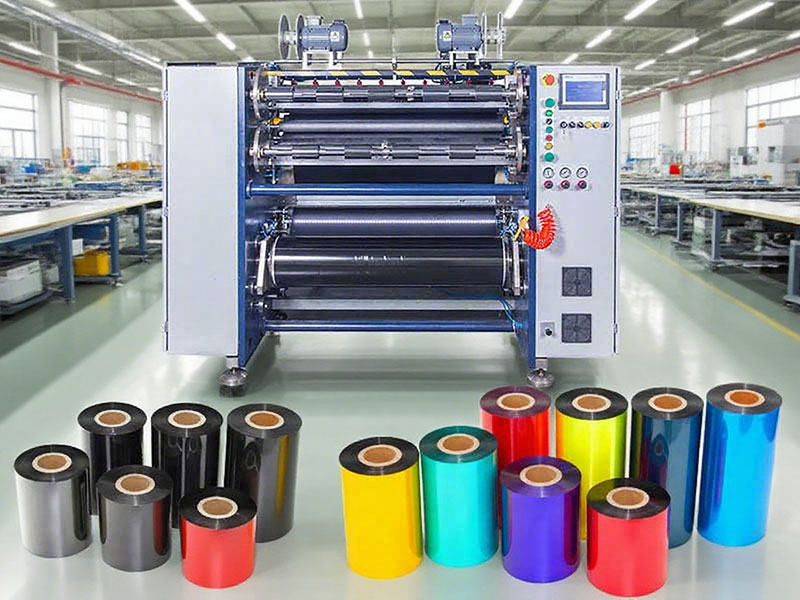
Fourth, the challenges faced and the way to break the situation
Despite the broad technological prospects, the industry still faces many challenges in the process of actual intelligent upgrading:
1. Cost pressure: The introduction of full servo drives, vision systems, and MES interfaces has greatly increased the unit price of equipment. For small and medium-sized enterprises, there is the embarrassment of "wanting to use but not being able to use it".
◦ Breaking the game: Modular design has become the mainstream, and enterprises can upgrade step by step according to their own order structure, giving priority to the introduction of closed-loop tension and automatic tool rowing, and then gradually superimposing vision and networking modules.
2. Data silos: The interface protocols of different brands of equipment (coating machines, slitting machines, rewinders) are not uniform, leading to difficulties in data collection.
◦ Breaking the game: The industry should promote a unified communication standard based on OPC UA (Unified Architecture for Open Platform Communication) to achieve cross-brand device interconnection.
3. Talent fault: Intelligent equipment requires compound talents who understand both mechanical technology and software programming.
◦ Breaking the game: Equipment manufacturers need to provide a more user-friendly operation interface (visual programming) and establish a complete remote operation and maintenance support system to reduce users' dependence on high-skilled talents.
5. Future prospects
Looking forward to the next 5-10 years, the ribbon slitting machine will no longer be a simple "slitting" equipment, but the core hub of the ribbon intelligent post-processing production line.
• Integration of the whole process: The slitting machine will be seamlessly connected with the coating machine and packaging line. The coated master roll directly enters the automated three-dimensional warehouse, and automatically ships, loads, slits, packs, and palletizes according to the order instructions, realizing the unmanned whole process.
• AI deep empowerment: Process expert systems based on large models will be popularized. Operators can use natural language commands such as "Prioritize the urgent order for this batch of resin ribbons by 3 p.m. today") to automatically schedule production and adjust the process.
• Green manufacturing: With stricter environmental regulations, slitting machines will pay more attention to energy-saving design (such as energy feedback units) and automatic recycling and sorting of waste materials (waste film, waste paper tubes).
Epilogue
The technological evolution of ribbon slitting machine reflects the epitome of China's precision manufacturing transformation from "scale expansion" to "quality and efficiency". In the wave of intelligent upgrading, equipment manufacturers who master high-precision tension control, machine vision quality inspection and digital factory interconnection technology will occupy the commanding heights in a new round of market competition. For ribbon manufacturers, embracing the intelligent upgrade of slitting equipment is not only a means to improve yield and efficiency, but also a strategic choice to build core competitive barriers and respond to future customized and zero-defect market demands.
Note: This article is written based on the current general technology trend in the industry, and the specific technical parameters and implementation plans need to be customized in combination with the actual equipment model and production conditions of the enterprise.)
 English
 Deutsch
 Français
 Español
 Português
 日本語
日本語 русский
 한국어
한국어 عربي
عربي ภาษาไทย
 Tiếng Việt
 Italiano

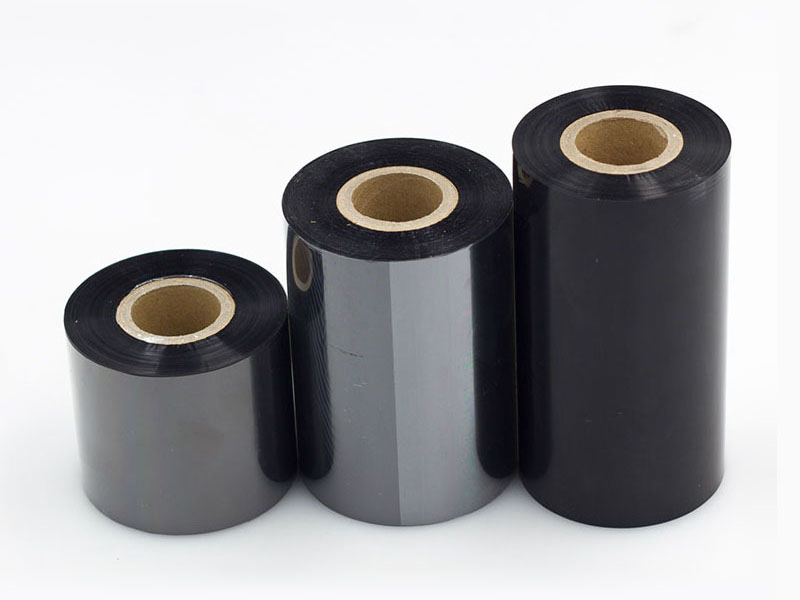
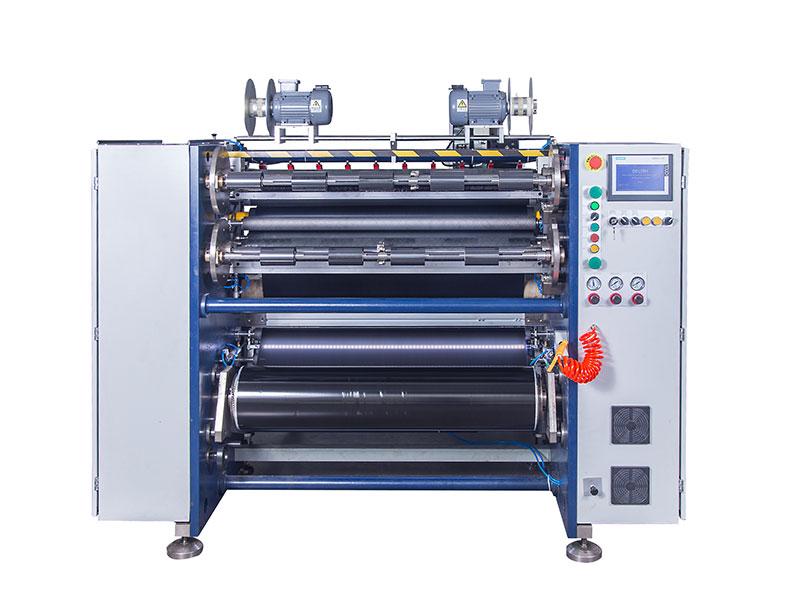 Ribbon Slitting Machine
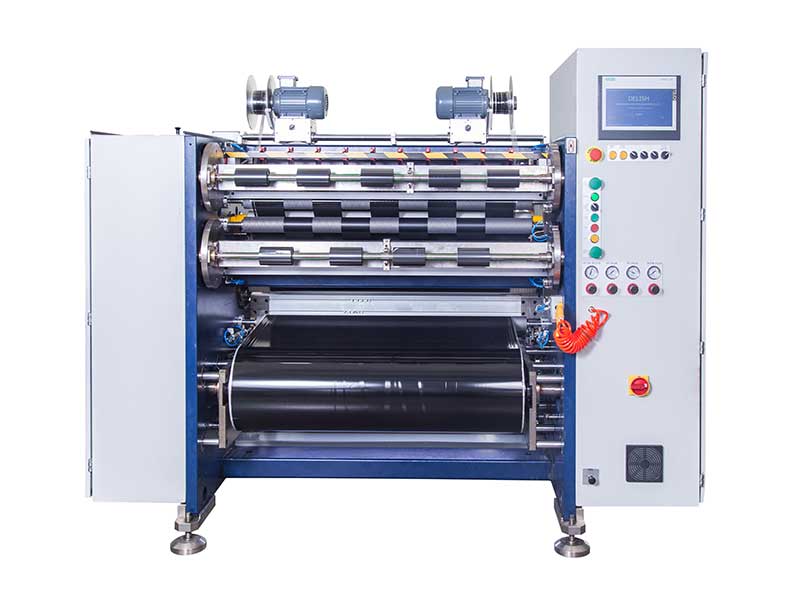 Barcode Ribbon Slitting Machine
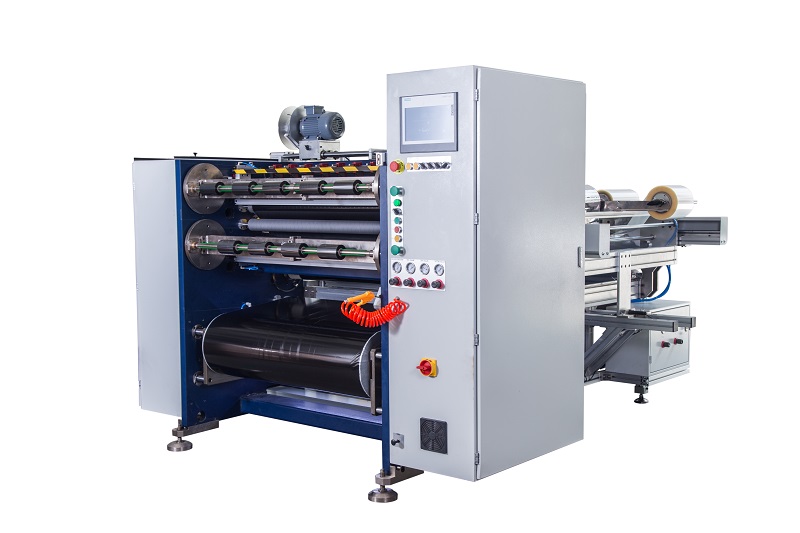 Semi Automatic Thermal Transfer Ribbon Slitter RSDS5 PLUS
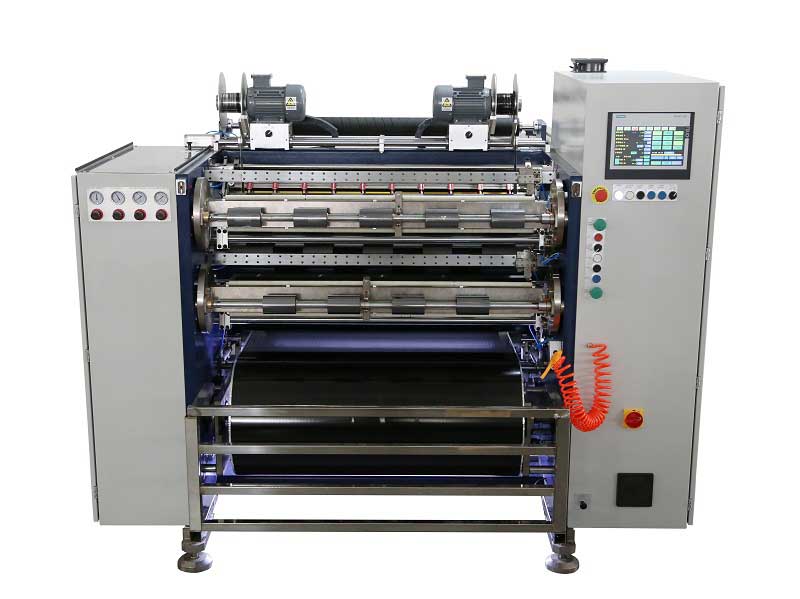 Automatic Thermal Transfer Ribbon Slitter RSDS8 H PLUS
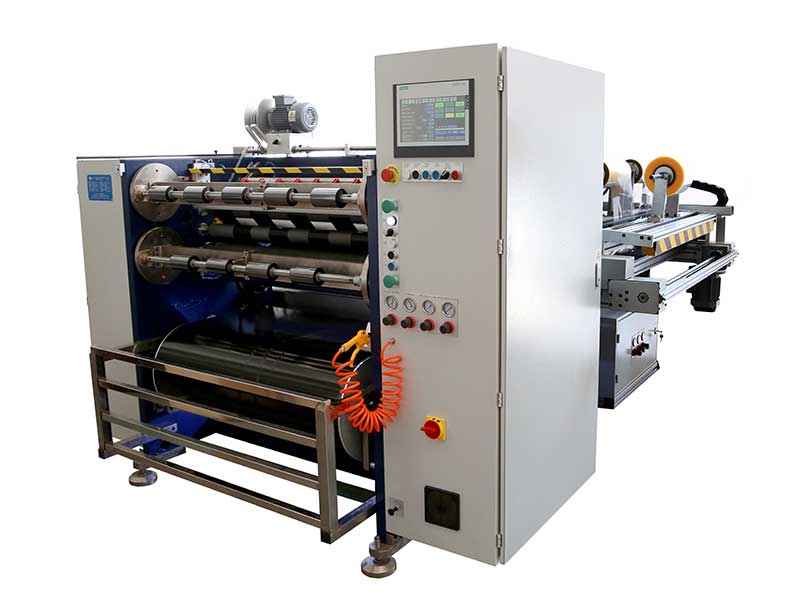 Automatic Thermal Transfer Ribbon Slitter RSDS6 PLUS
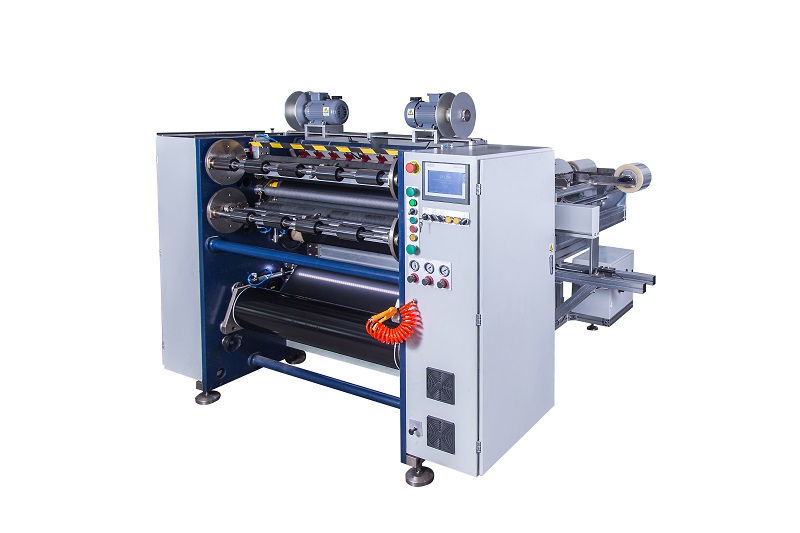 Semi Automatic Thermal Transfer Ribbon Slitter RSDS1 PLUS
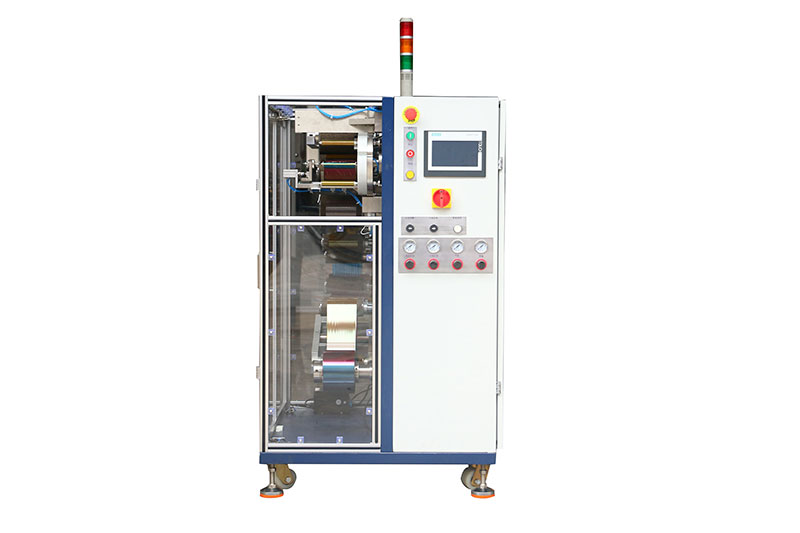 Card Print Ribbon Rewinder
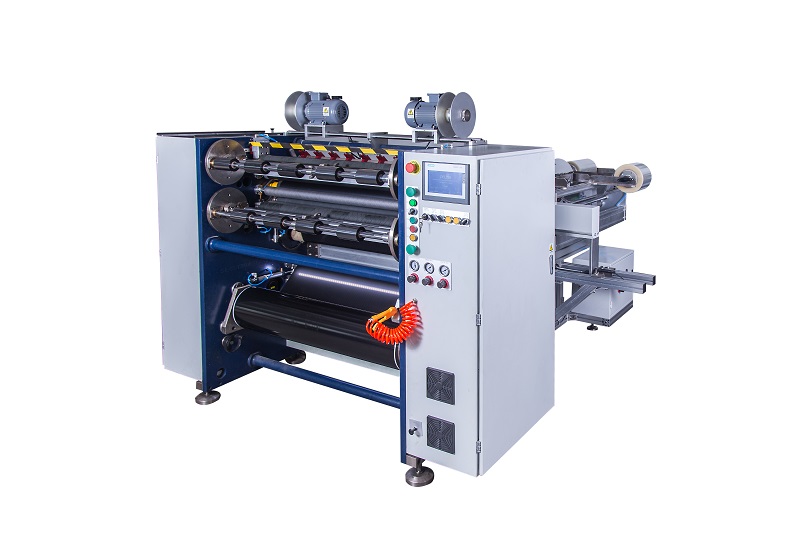 Semi Automatic Thermal Transfer Ribbon Slitter RSDS2 PLUS