Abstract
With the rapid development of high-end manufacturing industries such as new energy, optoelectronic displays, and flexible printed electronics, the demand for PET (polyester film) as a basic material has grown explosively. However, the traditional film slitting process has long faced three major problems: poor accuracy, low efficiency, and high loss. This article delves into how automated PET film slitting machines reshape the slitting process by integrating servo control, tension closed-loop, online detection, and intelligent scheduling systems, providing enterprises with a systematic solution that balances efficiency and precision.
1. Industry background: precision manufacturing forces the upgrading of slitting process
PET film is widely used in high-end fields such as OCA optical adhesives, lithium battery separators, and FPC flexible circuit boards due to its excellent insulation, heat resistance, and optical properties. These downstream applications place near-demanding requirements on film geometry, end-face neatness, and winding quality.
In the traditional semi-automatic or manual slitting mode, enterprises often face the following pain points:
1. Difficult to control accuracy: Due to mechanical inertia and manual operation errors, the width tolerance of the film coil often exceeds ±0.1mm, which cannot meet the standards of optical or electronic grade materials.
2. Obvious efficiency bottlenecks: the auxiliary time of coil change, film threading, and tool rowing is long, and the comprehensive efficiency (OEE) of equipment is generally less than 65%.
3. Serious material waste: Tension fluctuations lead to wrinkling, tendon or deviation, low yield rate, and huge cost loss of high-end PET raw materials.
The emergence of automated PET film slitting machines is precisely to break this deadlock.
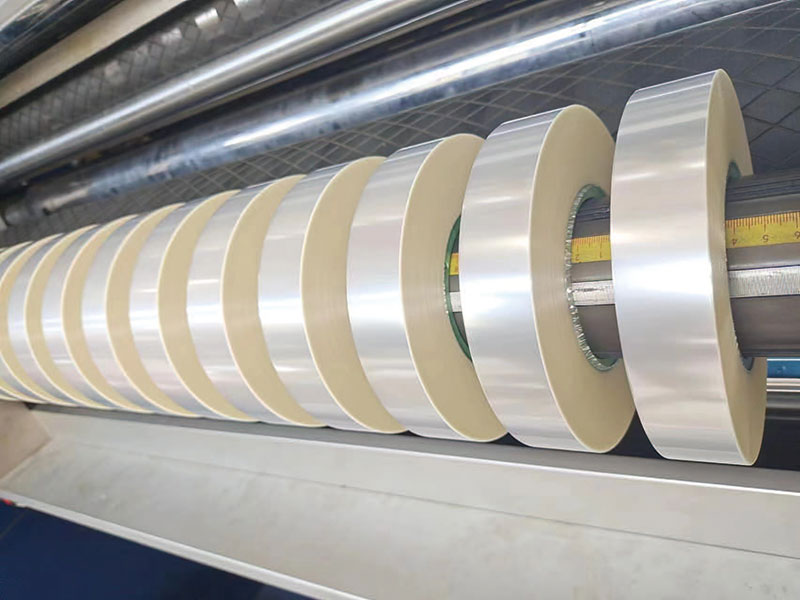
2. Core technology: how automation empowers "fine" and "fast"
Modern automated slitting machines are no longer just mechanical cutting equipment, but complex systems that integrate mechanical design, motion control, machine vision and digital management.
1. Full closed-loop servo tension control
Tension control is the soul of the slitting machine. The automation scheme adopts the combination of servo motor + vector frequency converter, with high-precision tension sensor (Load Cell), to form a closed-loop control system.
• Effect: Whether it is a large master roll with a diameter of several tens of centimeters or a small roll that is about to run out, the system adjusts the torque in real time, ensuring constant tension throughout the entire process from start to stop. This not only eliminates the tensile deformation of the film, but also completely solves the industry problem of "chrysanthemum core" or "split layer" of the winding end face.
2. High-precision automatic tool rowing system
Traditional manual tool rowing requires manual adjustment of the tool holder position with the help of a ruler, which is time-consuming and very error-prone. Automated slitting machines introduce the function of CNC Servo Tool Arrangement (EPC).
• Operation: The operator only needs to enter the required finished product width on the HMI (e.g. "A specification: 125mm; B specification: 375mm"), and the servo motor will drive the tool block group to move to the specified position automatically and synchronously.
• Accuracy: The repeatable positioning accuracy can reach ±0.01mm, and the order change time is shortened from the original 30 minutes to less than 1 minute, and the uneven scrap edge material caused by tool arrangement error is completely eliminated.
3. Online defect and size detection
Combined with machine vision technology, automated slitting machines can scan film surfaces in real time at high speeds (typically up to 300-500m/min).
• Function: The system can automatically identify surface defects such as crystal points, black spots, scratches, etc., and automatically mark or automatically reject the defect when it reaches the rewinding shaft.
• Closed-loop correction: With the ultrasonic deviation correction system (EPC/LPC), the edge position of the film is detected in real time, and the pendulum roller is adjusted in millisecond-level response to ensure that the edges are cut neatly and eliminate "serpentine" deviation.
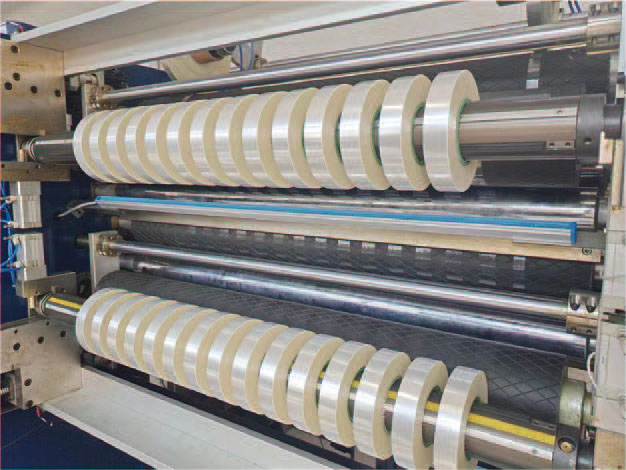
3. Efficiency improvement: from stand-alone automation to intelligent production line
Simple equipment automation improves single-point efficiency, and the real solution lies in the intelligent collaboration of the whole process.
1. Automated fast loading and unloading
For heavy large coils (such as 1.5 meters wide and 3 tons of female coils), the automatic slitting machine is equipped with a hydraulic automatic loading arm and an automatic pushing device. The operator does not need to drive the forklift to repeatedly align, and the equipment can complete the collet centering and the expansion and tightening of the air expansion shaft with just one button operation. When the finished product is unloaded, the discharge tower is automatically turned over, and the finished product is automatically transferred with AGV (automatic guided vehicle), which greatly shortens the assistance time.
2. Deep integration of MES system
Automated slitting machines are no longer information silos. Through the Industrial Ethernet interface, the equipment uploads operating data (vehicle speed, meters, downtime, scrap rate) to the manufacturing execution system (MES) in real time.
• Intelligent scheduling: The system automatically recommends the optimal "single slitting" scheme according to the order priority and master coil inventory, and combines multiple small orders on one master coil for cutting, increasing the raw material utilization rate from the traditional 85% to more than 95%.
• Data traceability: A unique barcode is generated for each finished roll, enabling full quality traceability from the master roll batch to the finished roll.
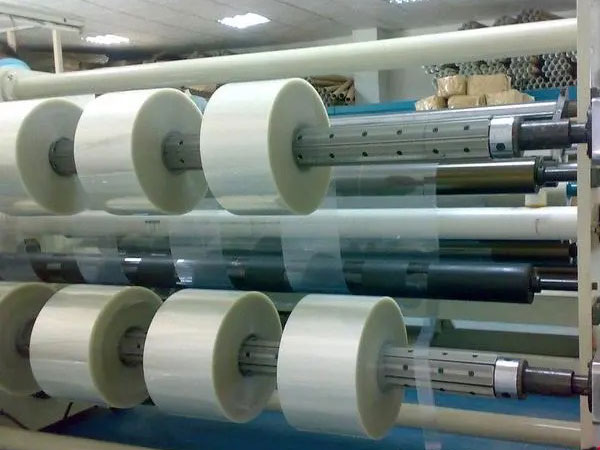
4. Analysis of the actual benefits of the solution
In order to more intuitively demonstrate the value of automated slitting machines, the following is an example of a medium-sized optoelectronic material company that processes 5,000 tons of PET film per year, before and after the transformation:
| Indicator dimensions | Traditional semi-automatic slitting machine | Automated Slitting Machine (New Concept) | Improvement margin |
| Slitting accuracy | ±0.2mm ~ ±0.5mm | ±0.05mm ~ ±0.1mm | 80% increase in accuracy |
| Single order change time | 20~35 minutes | 2~5 minutes | 85% Efficiency Improvement |
| Operating speed | 150~200 m/min | 300~500 m/min | Double the production capacity |
| Raw material loss rate | 3% ~ 5% | < 1.5% | The annual cost savings exceed one million yuan |
| Operator configuration | 2 people/machine (including auxiliary handling) | 1 person/2 machines (with AGV) | Labor costs reduced by 75% |
5. Future prospects: Move towards unmanned whole-process operation
With the deepening of Industry 4.0, automated PET film slitting machines are evolving towards "adaptive" and "predictive maintenance".
• Adaptive cutting: Future equipment will automatically match the best knife pressure, tension, and winding taper parameters according to different PET thicknesses (such as from 6μm optical film to 250μm thick film) and different material hardness through AI algorithms, achieving "one-click start, fool-like operation".
• Predictive maintenance: By installing vibration and temperature sensors in critical parts such as spindle bearings and tool holders, the system can predict equipment failures and warn them in advance, minimizing unplanned downtime.
Epilogue
In the era of precision manufacturing, the slitting quality of PET film directly determines the performance of the end product. Automated PET film slitting machine is not only a simple mechanical upgrade, but also a key part of enterprises' move towards digital and lean production. It effectively solves the contradiction between precision and efficiency in the traditional slitting process by improving "refinement" with "wisdom" and increasing "efficiency" with "self", and builds a solid moat for enterprises in the fierce market competition.
For enterprises seeking to break through capacity bottlenecks and improve yield rates, the introduction of high-precision automated slitting solutions is no longer a multiple-choice question, but a must-answer question related to survival and development.
 English
 Deutsch
 Français
 Español
 Português
 日本語
日本語 русский
 한국어
한국어 عربي
عربي ภาษาไทย
 Tiếng Việt
 Italiano
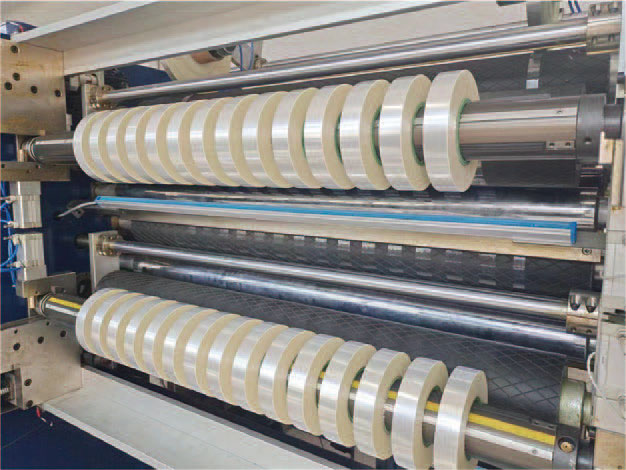
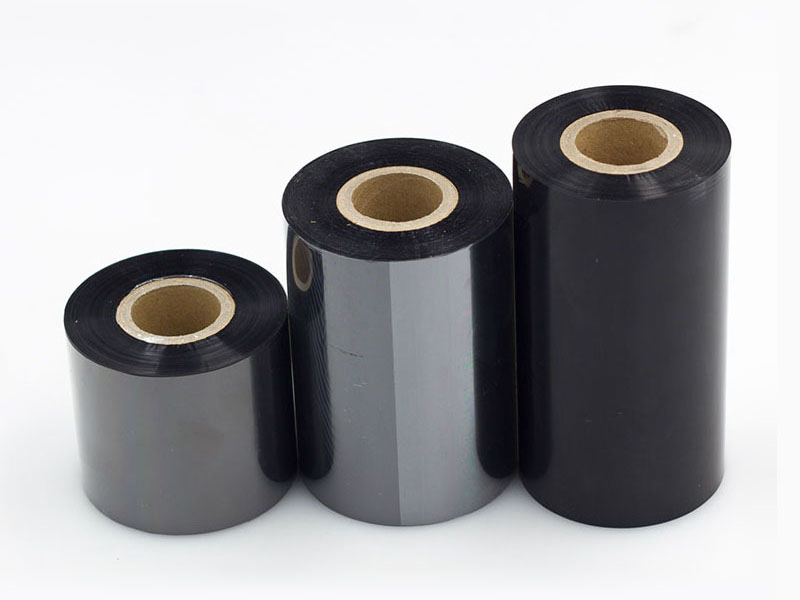
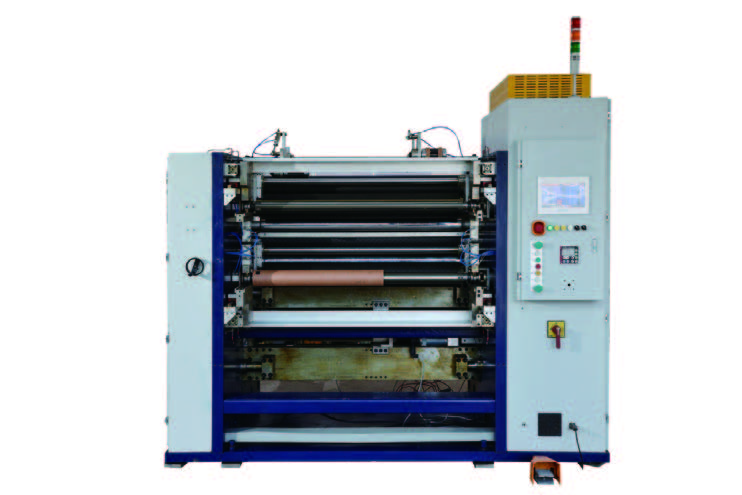 New Energy Film MPET Slitter
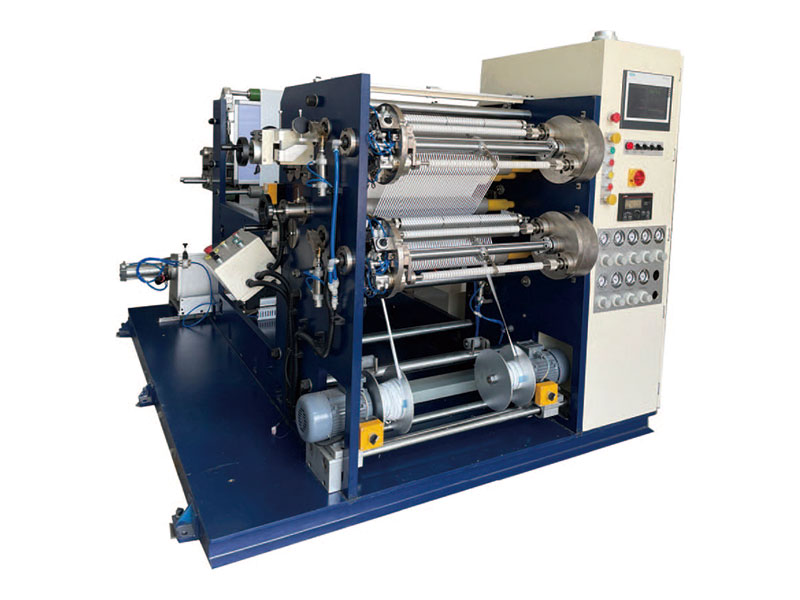 Correction Tape Slitter CTS-550-M
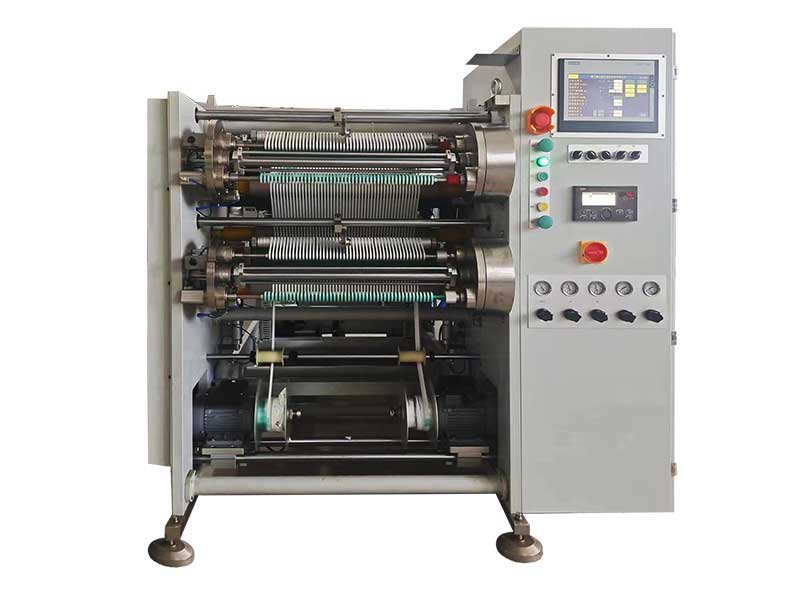 Correction Tape Slitter CTS-570-A
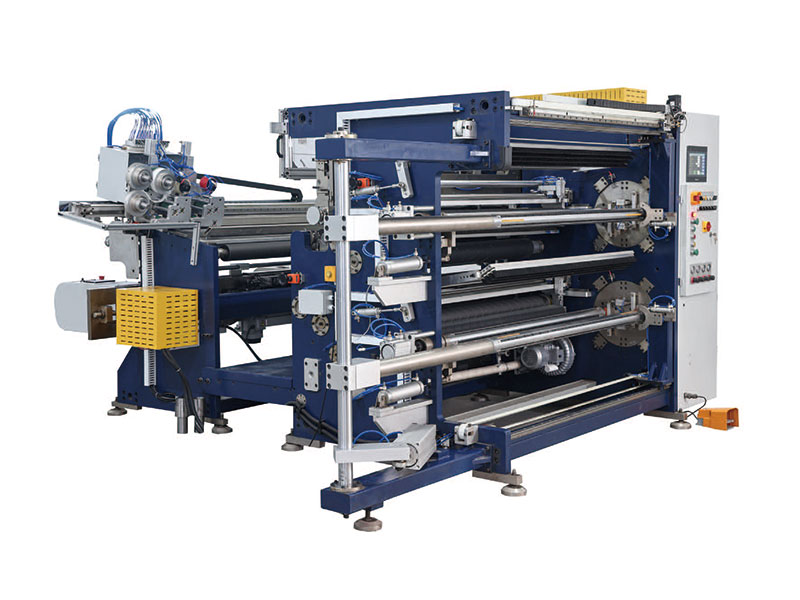 PET Film Slitter RSDS7H 1350 PLUS
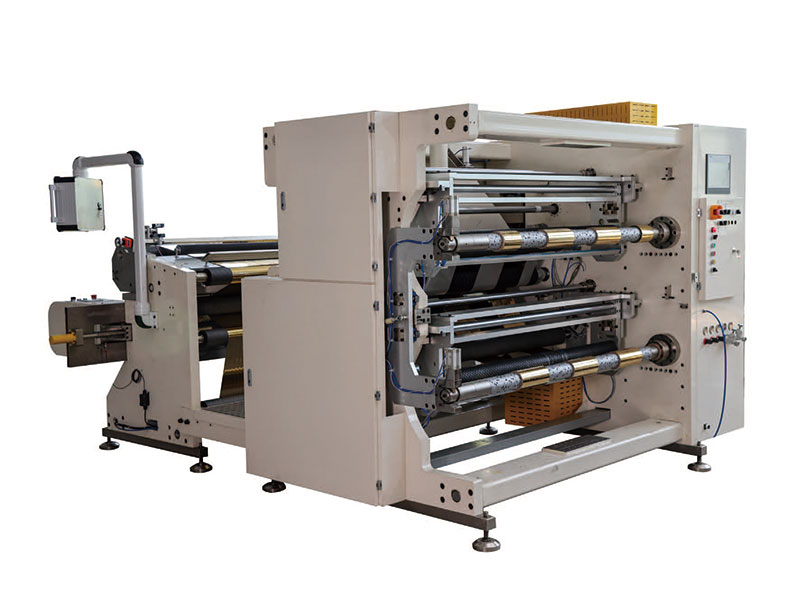 PET Film Slitter (RSDS7H) 1350