Today, with the booming development of high-end manufacturing industries such as consumer electronics, new energy, and optical displays, the demand for PET film (polyester film) as a basic material is increasing exponentially. From the release film of smartphones, the polarizer of car screens, to the insulation film of new energy vehicles, behind these seemingly ordinary films, a key equipment is inseparable - high-speed PET film slitting machine.
As a "connecting up and down" link in the film processing industry chain, the slitting machine not only determines the utilization rate of materials, but also directly affects the yield of the end product. This article will provide an in-depth analysis of the core technical characteristics of high-speed PET film slitting machines and their wide range of application scenarios.
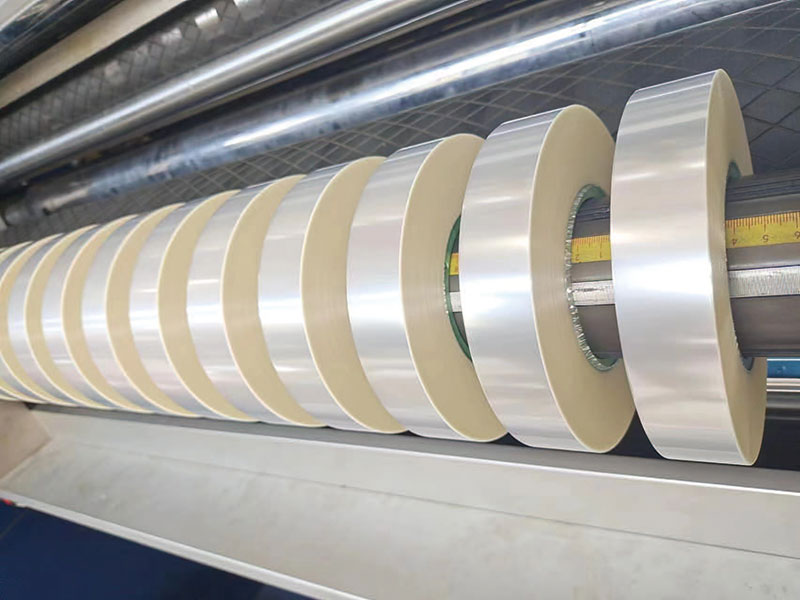
1. Technical characteristics: the dual game of speed and accuracy
The high-speed PET film slitting machine has long gone beyond the simple definition of "dividing large rolls into small rolls" in the traditional sense. In modern factories, it is a complex system that integrates mechanical dynamics, automatic control, and in-line inspection. Its core technical characteristics are mainly reflected in the following aspects:
1. High-speed stability and dynamic control
"High speed" is the first measure of equipment performance. Modern high-end slitting machines are mechanically designed to reach speeds of up to 400m/min to 800m/min or even higher.
• Winding tension control:P ET film has the characteristics of high modulus and low ductility, but is extremely sensitive to tension fluctuations. The equipment adopts a fully automatic closed-loop tension control system, which adjusts the retraction and unwinding tension in real time through floating roller sensors or servo motors. During the process of high-speed start-stop or acceleration and deceleration, the system can ensure that the film does not have "burst tendons", warped edges or loose inside and outside.
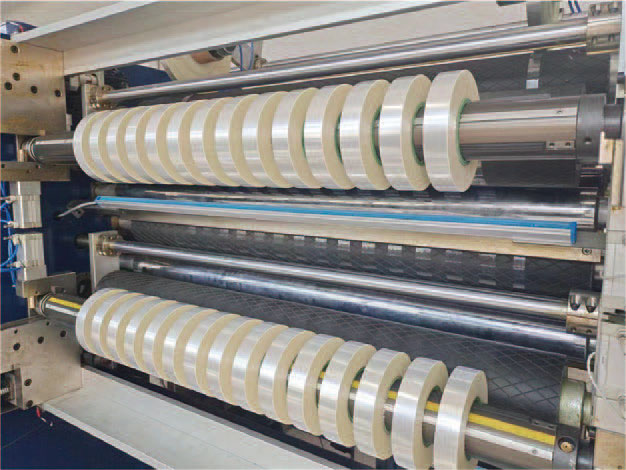
• Winding roller and contact pressure: For PET of different thicknesses (from a few microns of optical film to several hundred microns of insulating film), the equipment is equipped with an automatic roller pressing mechanism, which accurately calculates the contact pressure to remove the air at the winding core, ensuring that the end face of the finished roll is as neat as a mirror.
2. Precise cutting and correction system
• High-precision slitting: The precision of the slitting knife determines the width tolerance of the finished product. High-end equipment adopts dual-axis high-precision slip shaft or independent servo-driven winding shaft. In view of the characteristics of PET film that is prone to scratches and dust, the knives are mostly pneumatic circular knives or razors, with precision groove rollers to ensure smooth and burr-free cuts, and the width tolerance can be controlled within ±0.05mm.
• Closed-loop guidance: To cope with the "serpentine" oscillation of the film under high-speed operation, the equipment is equipped with an ultrasonic or photoelectric guidance system. The correction accuracy is typically as high as ±0.2mm, ensuring that the film always runs along a defined trajectory at high speeds and avoids uneven edges.
3. Automation and intelligent integration
• Automatic roll change: In high-speed production, in order to reduce downtime, the equipment is often equipped with automatic paper splicing stations. When the unwinding diameter reaches the set minimum value, the system automatically completes the connection of new and old rolls, realizes continuous production without stopping, and greatly improves OEE (comprehensive equipment efficiency).
• MES system docking: Modern slitting machines are no longer information silos. By integrating the data acquisition module, the equipment can upload the operating speed, output, and alarm records to the factory MES system in real time to realize the digital management of the production process.
4. Dust removal and anti-static
PET film is very easy to generate static electricity due to friction during the slitting process, adsorbing dust in the air, resulting in the crystal point and white point on the surface of the film exceeding the standard. Therefore, high-speed slitting machines often integrate static elimination rods and high-efficiency dust removal devices to purge and electrostatic neutralize the film before winding, which is crucial for the production of optical-grade films.
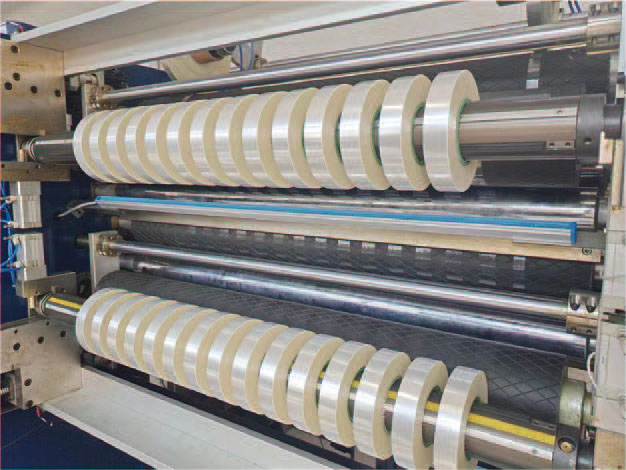
2. Application scenarios: from basic packaging to cutting-edge technology
PET film has a wide range of applications due to its excellent insulation, heat resistance, light transmittance, and mechanical strength. Different application scenarios also have very different requirements for slitting machines.
1. Optical display field
This is the application scenario with the highest technical threshold, mainly including polarizers, diffusion films, brightening films, reflective films, etc.
• Pain points: There should be no scratches, indentations, or dust on the surface.
• Equipment requirements: This scenario requires cleanshed-level slitting equipment (Class 1000 or higher). The slitting machine must adopt a dust-free design to prevent lubricating oil splashing during operation, and the winding shaft must have a high-precision slip function to ensure that the core does not shrink and the end face is extremely neat when winding ultra-thin optical films (such as 25μm).
2. New energy and electrical insulation
With the outbreak of new energy vehicles and energy storage industries, PET film is in huge demand as a substrate for motor insulation, battery exterior blue film, and flame retardant tape.
• Pain points: Materials tend to be thicker (50μm-250μm) and have high insulation, requiring high edge tensile strength.
• Equipment Requirements: This scenario requires the slitting machine to have heavy-duty winding capabilities and large-diameter winding capabilities. The equipment requires greater frame rigidity to dampen vibration, and for PET separators with ceramic coatings, the slitting knife needs to have extremely high wear resistance to prevent the risk of battery short circuits caused by powder loss caused by cutting.
3. Release film and protective film
This is the largest field of consumables in the consumer electronics industry, mainly used for screen protection, carriers in die-cutting processing, etc.
• Pain points: Thin and light release films are very prone to electrostatic adsorption and have a very low tolerance for "deflection" for winding.
• Equipment requirements: The focus is on low-tension control at high speeds. Because the material itself is extremely light, it is easy to break or deform if the tension is not properly controlled. The slitting machine should be equipped with a high-sensitivity low-tension sensor, and cooperate with the slip axis to carry out differentiated tension winding to solve the problem of "deviation" caused by uneven thickness of the master film.
4. Packaging and industrial substrates
Including ordinary food packaging aluminum coating film, industrial tape, hot stamping film, etc.
• Pain points: Pursuit of high speed, high yield, and low cost.
• Equipment Requirements: This type of application scenario requires the highest speed of the slitting machine, usually pursuing a linear speed of more than 600 meters per minute. The equipment structure is relatively standardized, focusing on efficient automatic tool arrangement systems and rapid order change capabilities to adapt to multi-variety and high-volume production models.
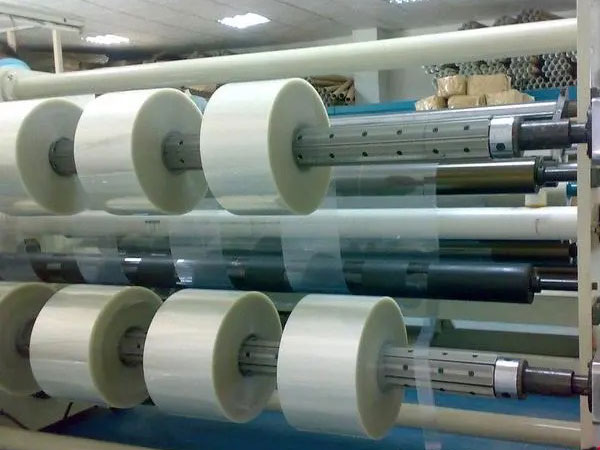
3. Future development trends
With the development of downstream industries towards refinement and functionality, high-speed PET film slitting machines are also facing new technological changes:
1. Fully automatic unmanned operation: Through the automatic loading of AGV trolleys and the automatic knife rowing robot, the whole process from master coil loading to finished product unloading is realized to realize unmanned intervention, reducing the pollution and errors caused by manual operation.
2. AI vision online inspection: Integrate AI high-definition camera in the slitting process to identify crystal points, black spots, and scratches on the surface of the film in real time, and automatically mark the location of defects, and automatically eliminate defective segments during winding, turning "post-inspection" into "process control".
3. Energy saving and consumption reduction: In response to the growth of PET film recycling, the slitting machine optimizes the edge cutting recycling system, automatically crushing the edge material through the central waste suction system and directly recycling it to the pelletizing line to maximize the utilization of resources.
Epilogue
The high-speed PET film slitting machine seems to be the back-end equipment in the manufacturing chain, but in fact it is the "gatekeeper" to ensure the quality of materials. In the era of intelligent connection of everything and ubiquitous display, the application boundaries of PET film are constantly expanding, which puts forward higher requirements for slitting equipment: faster speed, higher precision, cleaner environment and smarter management.
For manufacturing enterprises, choosing a suitable high-speed PET film slitting machine is not only choosing a production equipment, but also choosing the ticket to participate in the competition on the precision manufacturing track. In the future, whoever can achieve the ultimate in the "last mile" of slitting will be able to take the lead in the fierce market competition.
 English
 Deutsch
 Français
 Español
 Português
 日本語
日本語 русский
 한국어
한국어 عربي
عربي ภาษาไทย
 Tiếng Việt
 Italiano
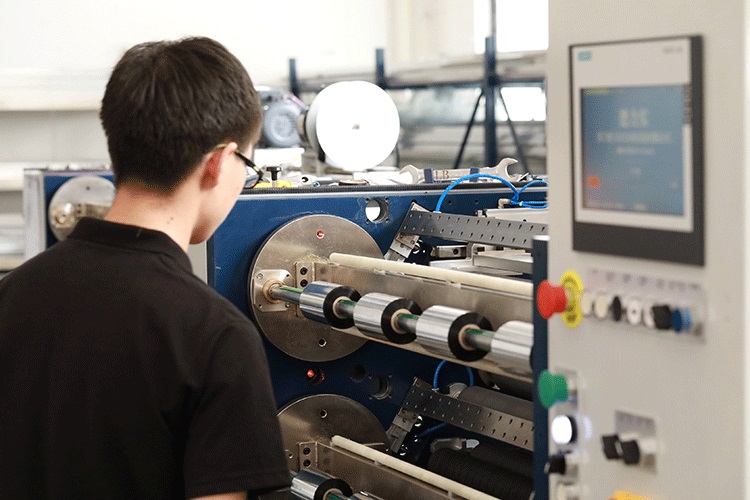
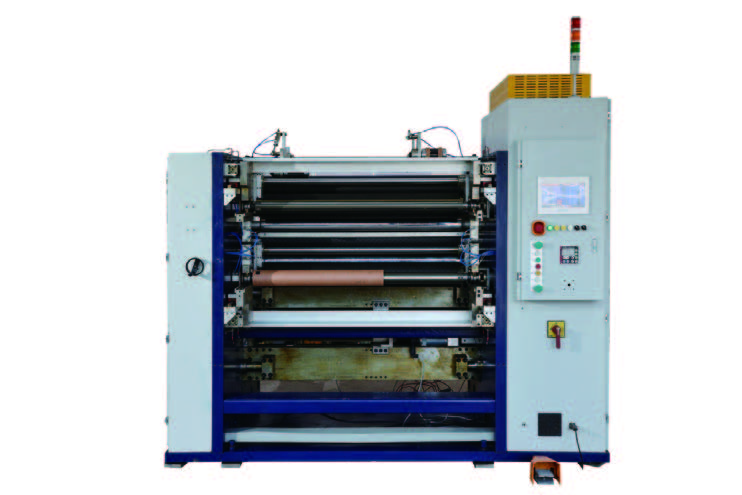 New Energy Film MPET Slitter
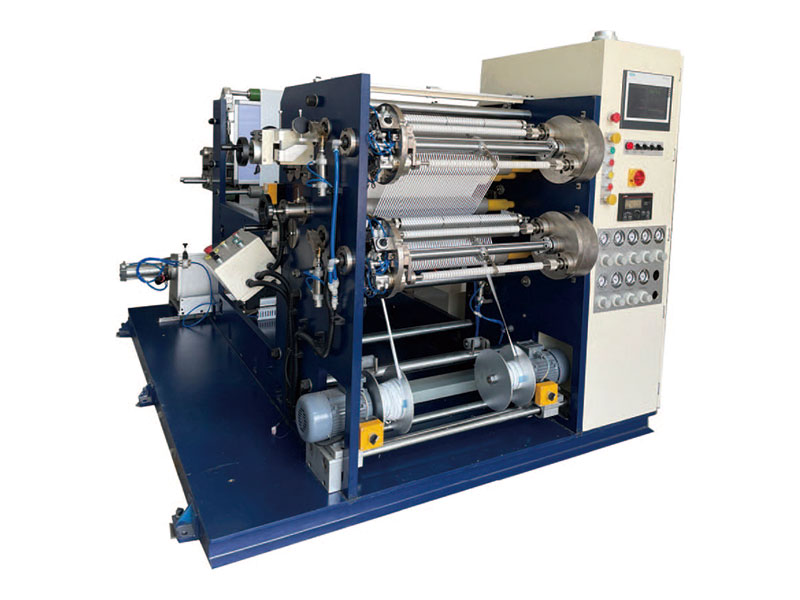 Correction Tape Slitter CTS-550-M
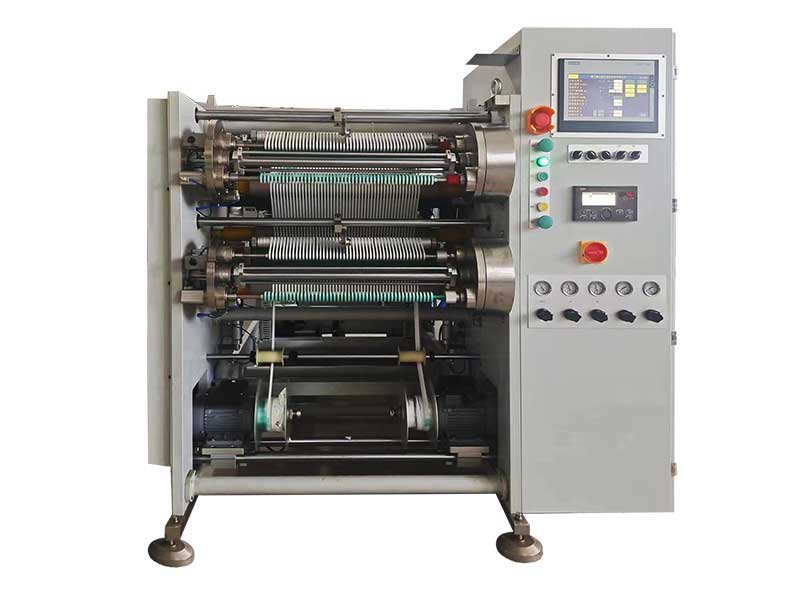 Correction Tape Slitter CTS-570-A
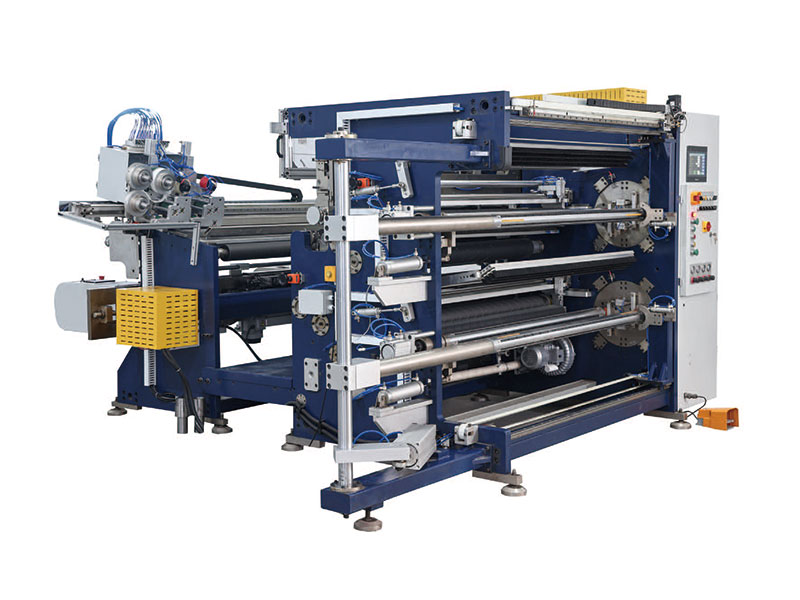 PET Film Slitter RSDS7H 1350 PLUS
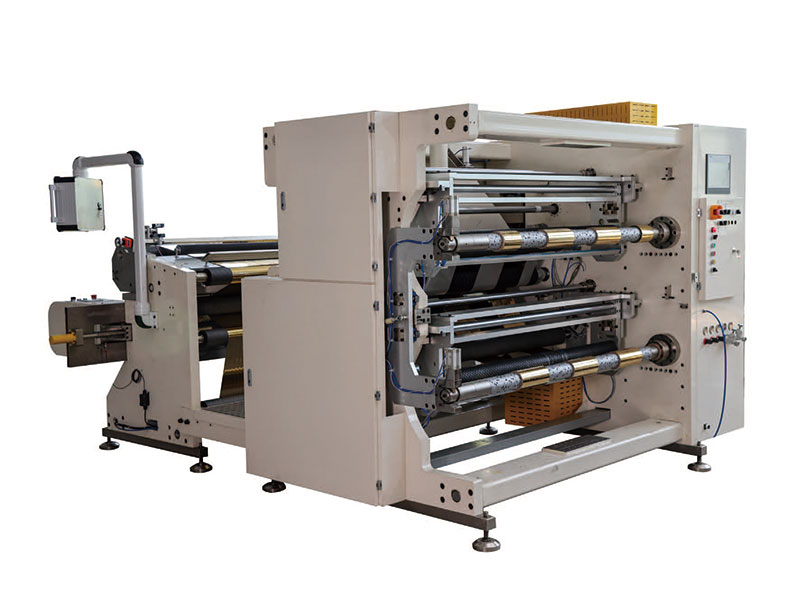 PET Film Slitter (RSDS7H) 1350