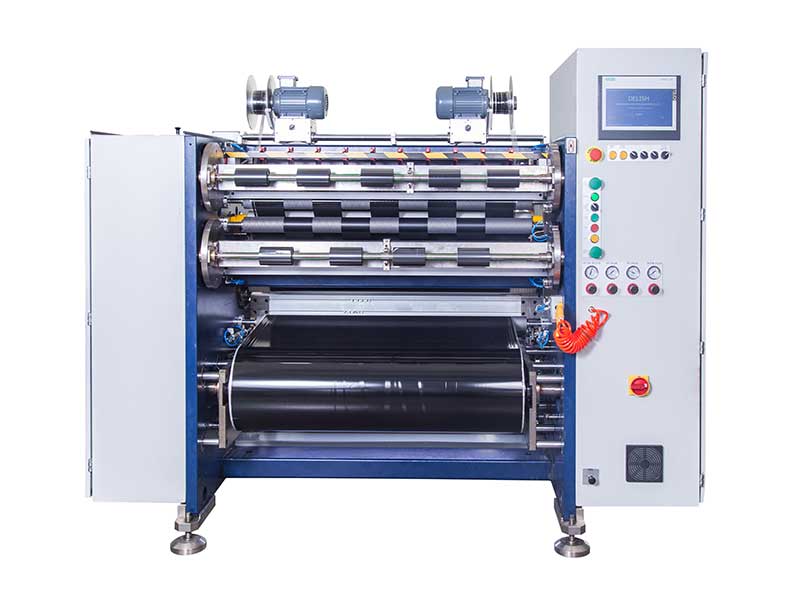
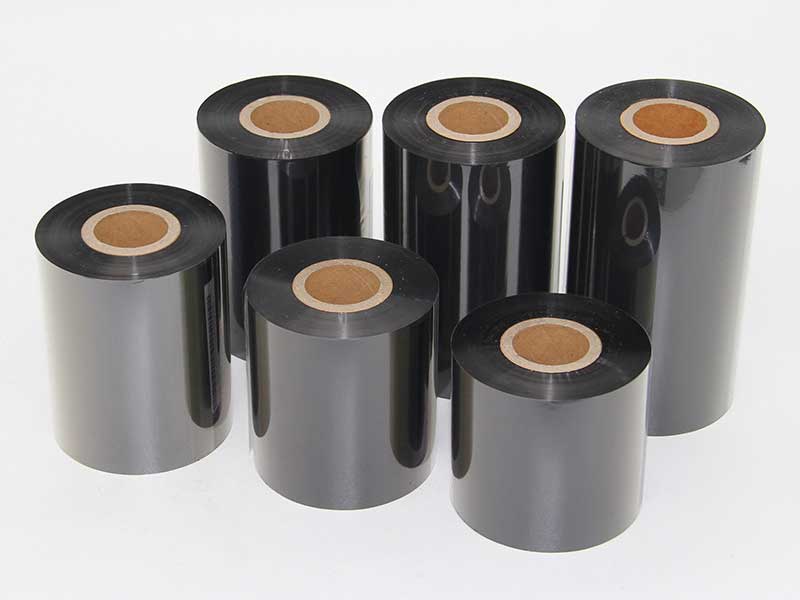
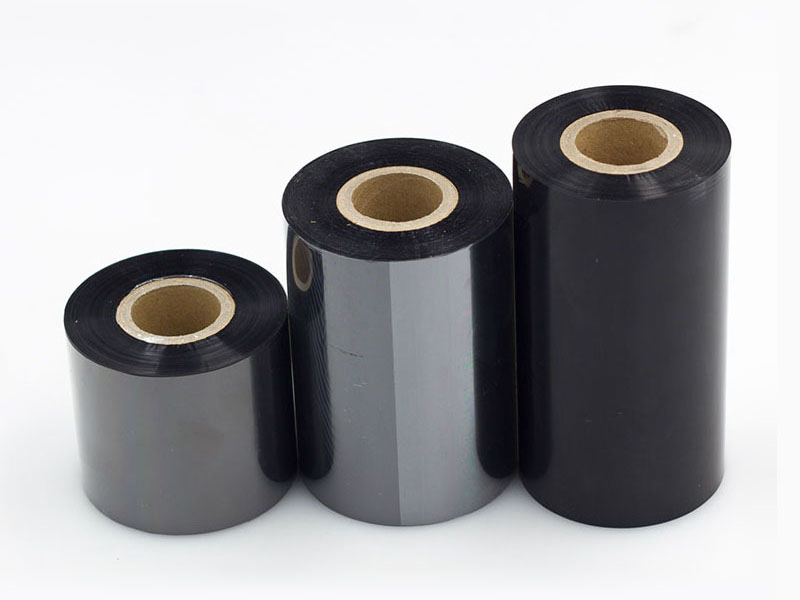
In today's industrial printing, logistics marking, and barcode traceability, ribbon is the core consumable of thermal transfer technology, and its quality directly determines the clarity and durability of the printing effect. In the ribbon production process, slitting is the most critical process - it precisely cuts the wide master coil into the narrow band required by the customer.
In this realm, there is an unbreakable truth: stability reigns supreme. A piece of equipment that cannot guarantee stable operation is a castle in the air no matter how high the accuracy is. Today, we will delve into the front-line practical scenario and analyze how the automatic ribbon slitting machine defines the industry's high standards through "stability".
1. Why is "stability" the life and death line of ribbon slitting?
For ribbon slitting, "stability" is not only the equipment not downtime, but also covers three levels of strict requirements:
1. Tension Stability: Ribbons are usually only a few microns thick. excessive tension will cause the ribbon to stretch, deform, or even break; If the tension is too small, it will lead to uneven winding and "wrinkling", which is very easy to break the ribbon or print white strips when printing on the machine.
2. Stability of the end face: Downstream customers (label printing factories or agents) usually use high-speed automatic printing equipment. If the ribbon end face is uneven, it will cause lateral swing at high speeds, causing the printing position to shift and even freeze the printer.
3. Stable efficiency: Production planning needs to be precise to the minute. If the equipment is frequently tuned, striped off, and scrapped is high, it will directly lead to delivery delays and profits will be eaten up in endless downtime.
Therefore, in actual combat, the first indicator of our assessment of a fully automatic ribbon slitting machine is always whether it can "withstand loneliness and maintain stability".
2. Practical analysis: the way to win the automatic ribbon slitting machine
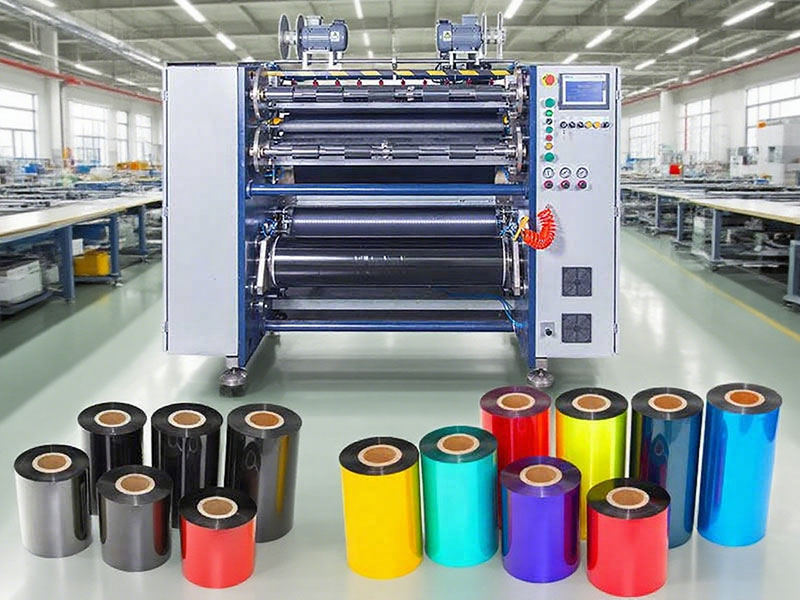
The modern automatic ribbon slitting machine is no longer a simple "tool holder + motor" combination. It is a complex system that integrates precision mechanics, intelligent control and optical inspection. The following are the core technical points we focus on in actual combat:
1. Closed-loop tension control system: from "manual" to "adaptive"
Older equipment relies on manual experience to adjust the brakes. In actual combat, the excellent automatic slitting machine is equipped with a fully automatic closed-loop tension control system.
• Practical scenario: When slitting B130 wax-based ribbon (more brittle) to B110 mixed-base ribbon (tougher), the system does not need to stop to manually adjust, and automatically adjusts the torque of the winding motor through real-time feedback from the floating roller potentiometer or dance arm.
• Value: It ensures that the tension from the axis to the outer diameter always maintains a constant conical curve, completely eliminating striped waste caused by internal tightness and external looseness.
2. Shaftless Air Top and Precision Tool Holder: A Triumph of Mechanical Rigidity
The "virtual position" of the mechanical structure is the enemy of stability.
• Practical scenarios: When narrow barcode ribbons with a slitting width of less than 20mm, the slight jitter of the tool holder will be amplified.
• Analysis: High-end equipment uses shaftless air top locking, which eliminates the connection gap between the drive shafts. Paired with imported circular knives, it is not only wear-resistant, but also maintains verticality under high-speed rotation. The concentricity error of the tool groove is usually controlled within 0.01mm, ensuring that the cut of each knife is as smooth as a mirror and does not generate dust.
3. Intelligent deviation correction system: escort the eyes of the end face
The direct cause of the uneven end face is the serpentine shift of the ribbon during operation.
• Actual combat scenario: The equipment runs at a speed of 200 m/min, and the operator cannot observe and adjust it with the naked eye.
• Analysis: Fully automatic equipment adopts infrared or ultrasonic wire detection sensors. Once an edge offset is detected, a hydraulic or servo-driven corrector pushes the unwinder back into place in milliseconds. Actual combat data shows that the equipment equipped with a high-response correction system can control the misalignment of the finished product within ±0.1mm, meeting the demanding requirements of high-end export ribbons.
4. Automatic shutdown and receiving platform for broken belts: reduce manual intervention
• Practical pain points: When slitting long meters (such as 600 meters/roll), once the broken belt is not discovered in time, the whole shaft material will be scrapped.
• Analysis: Modern fully automatic models are equipped with fiber breakage detection rods at each winding station. Once the belt is broken, the station will be shut down instantly and the rest of the stations will continue to operate. At the same time, the user-friendly splicing platform design allows the operator to quickly complete the broken belt splicing, minimizing the loss caused by "instability".
3. Practical operation mantra: three points of equipment, seven points of adjustment
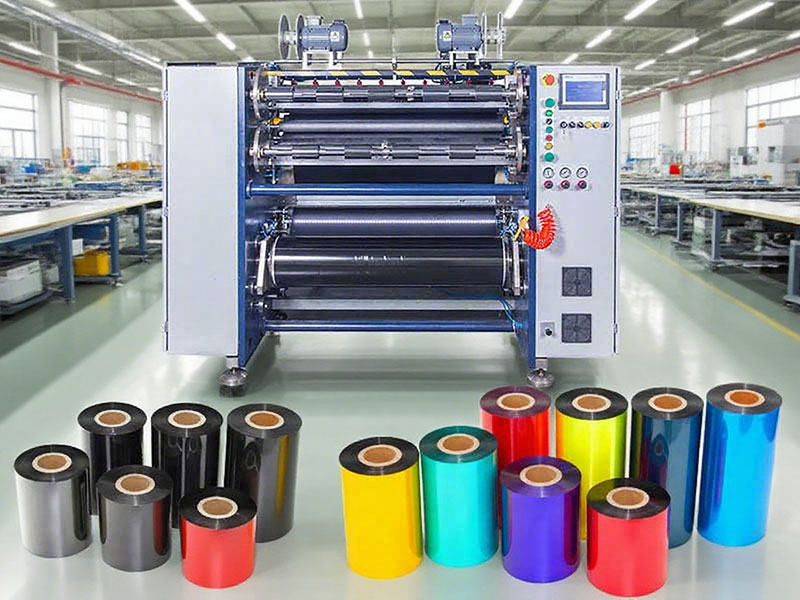
No matter how stable the equipment is, it also needs the right way to "tame". Based on years of practical experience, the following operational points are summarized:
1. Master roll inspection first: The elastic edge and thickness tolerance of the master roll itself are the basis for slitting stability. Be sure to use a micrometer multi-point inspection before going to the machine.
2. Tool selection should be symptomatic:
◦ Cut wax base ribbon (soft material, easy to stick), it is recommended to use a double-sided razor blade, and the blade corner should be sharp.
◦ For slitting resin-based ribbons (hard and wear-resistant), it is recommended to use high-quality disc shears to increase the shear force and prevent chipping.
3. Static Elimination is the Invisible Champion: High-speed friction generates a significant amount of static electricity, absorbing dust and causing damage to the printed coating. Be sure to turn on the device's static elimination rod, which is often overlooked but extremely critical stabilization detail.
4. Rewinding mode switching: For ultra-thin ribbons, it is recommended to use center coiling; For thick base base or large coil diameter, surface coiling or gap contact coiling is used to prevent crushing.
4. Conclusion: In a volatile market, value is defined by stability
At present, the ribbon industry is highly competitive, and profit margins are gradually becoming transparent. For manufacturers, having several automatic ribbon slitting machines that "run fast, stop less, and have low scrap" means that they have core competitiveness.
Automation solves the problem of labor costs, but only stability can solve the problem of profits. When your equipment can run 24 hours a day, producing high-quality ribbons with mirror-like ends, wrinkle-free and dust-free, you can firmly grasp the trust of customers in the face of fluctuating raw material prices and fierce market competition.
Stability overrides everything – this is not only the design philosophy of the equipment, but also the eternal magic weapon in the actual combat of carbon belt production.
 English
 Deutsch
 Français
 Español
 Português
 日本語
日本語 русский
 한국어
한국어 عربي
عربي ภาษาไทย
 Tiếng Việt
 Italiano
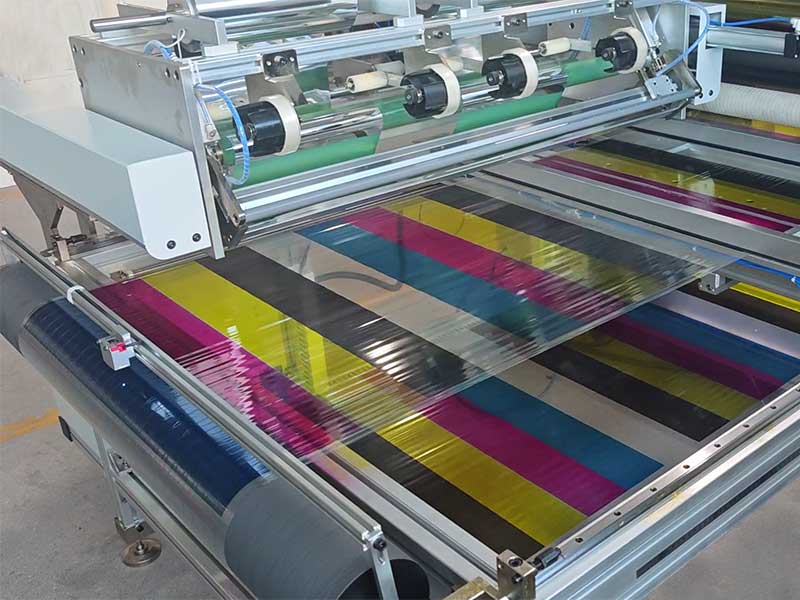

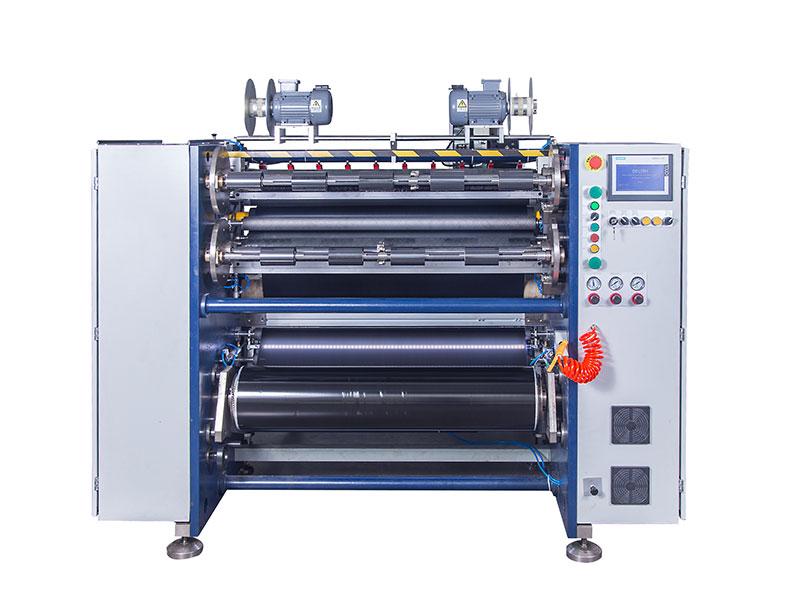 Ribbon Slitting Machine
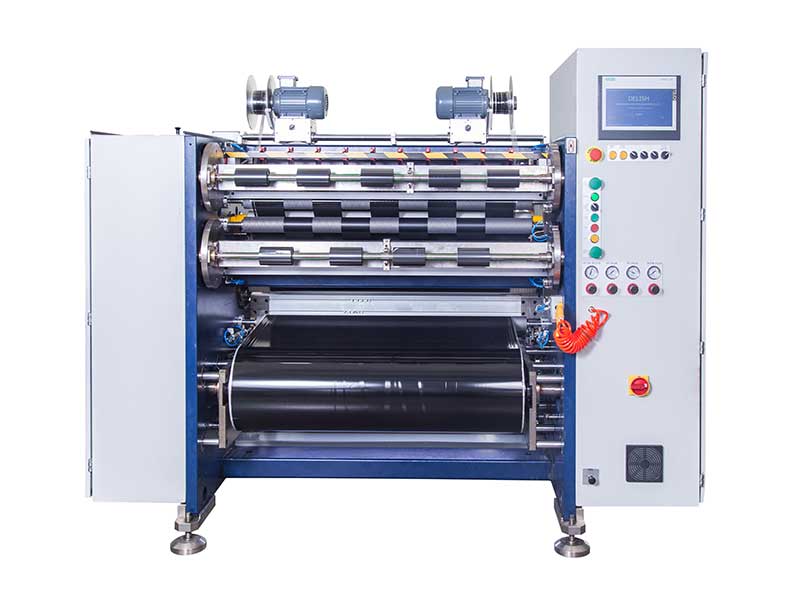 Barcode Ribbon Slitting Machine
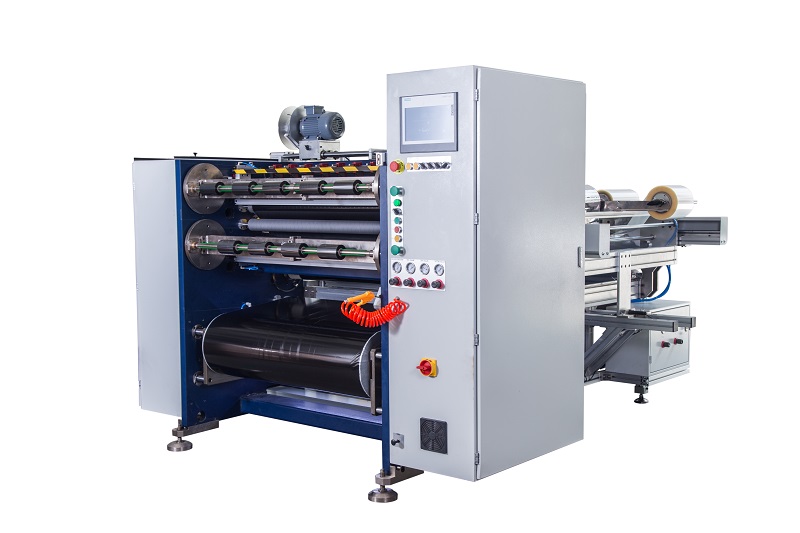 Semi Automatic Thermal Transfer Ribbon Slitter RSDS5 PLUS
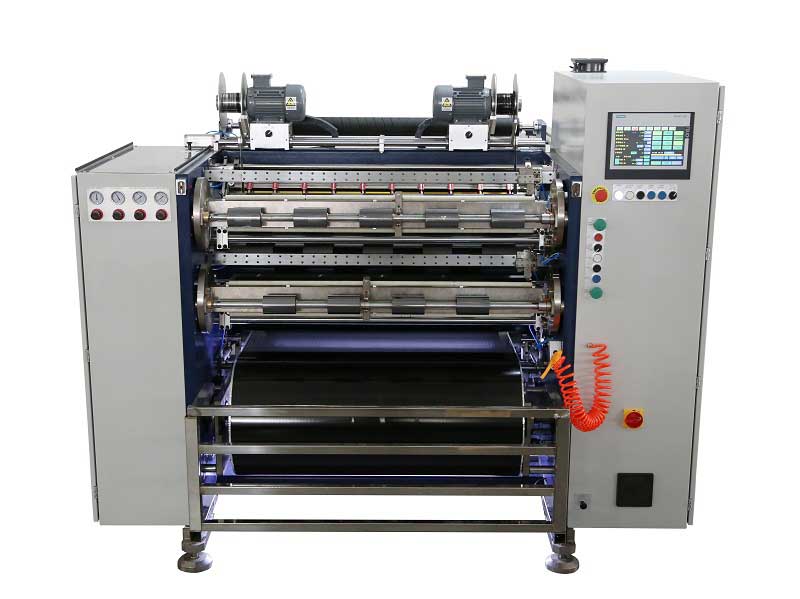 Automatic Thermal Transfer Ribbon Slitter RSDS8 H PLUS
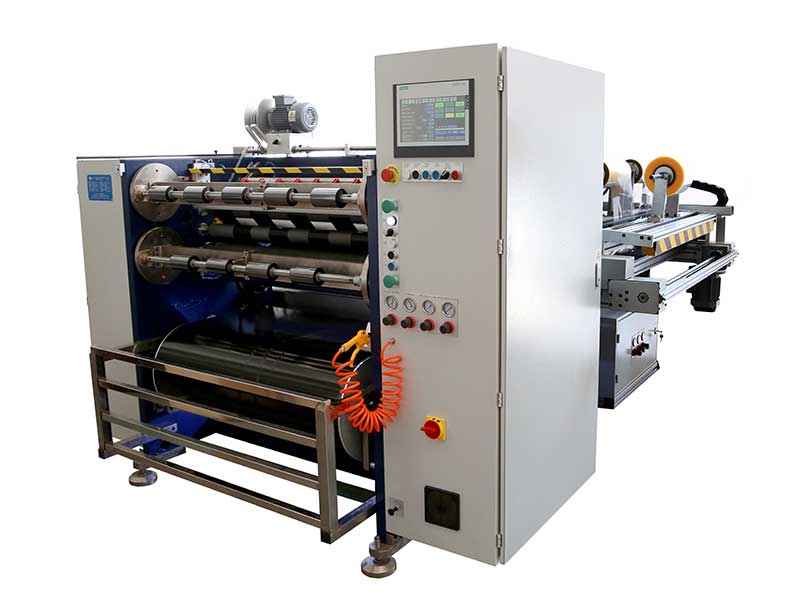 Automatic Thermal Transfer Ribbon Slitter RSDS6 PLUS
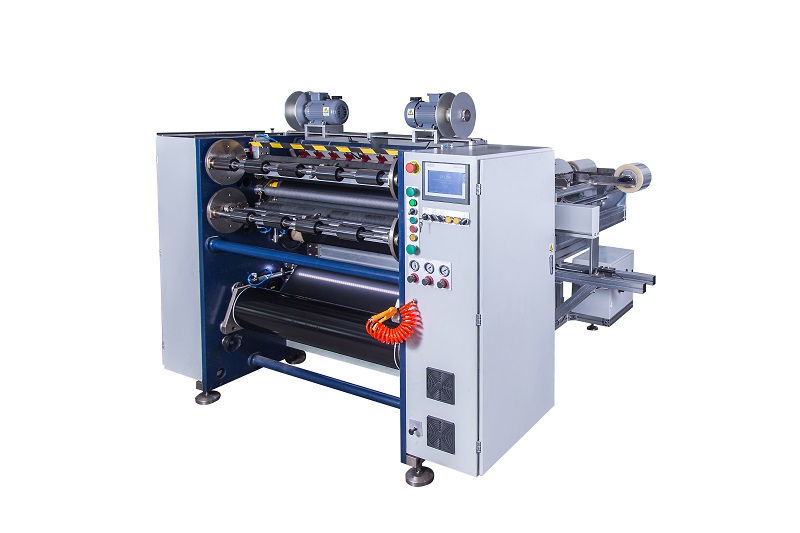 Semi Automatic Thermal Transfer Ribbon Slitter RSDS1 PLUS
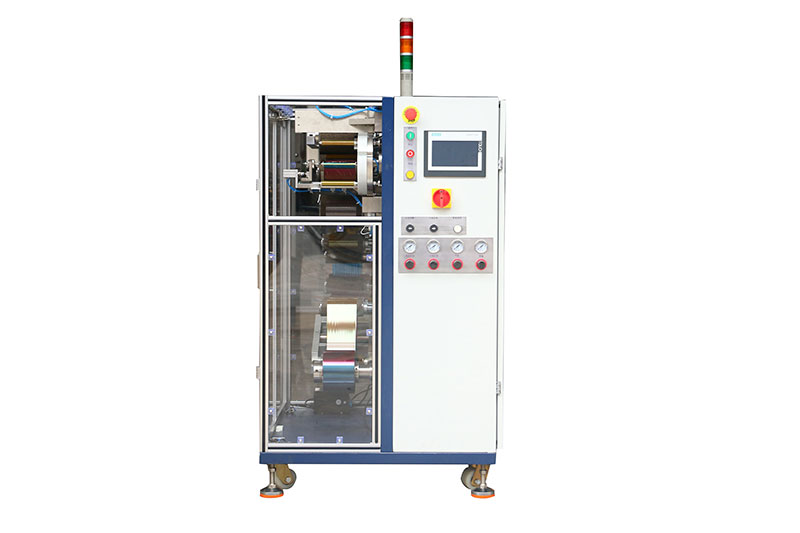 Card Print Ribbon Rewinder
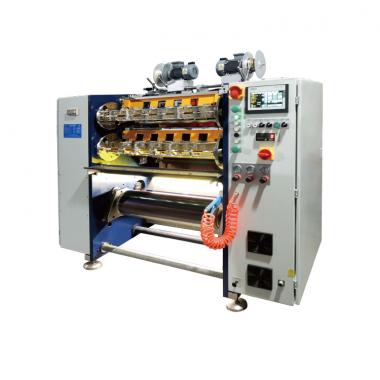 Card Print Ribbon Slitter