In today's highly competitive market environment, manufacturing companies face dual pressures: controlling costs to maintain profit margins and improving efficiency to meet customer demands. This challenge is particularly prominent for thermal transfer ribbon manufacturers. In the entire production chain, there is one link that is often underestimated, but it is precisely the key to determining cost and efficiency - that is the ribbon slitting machine.
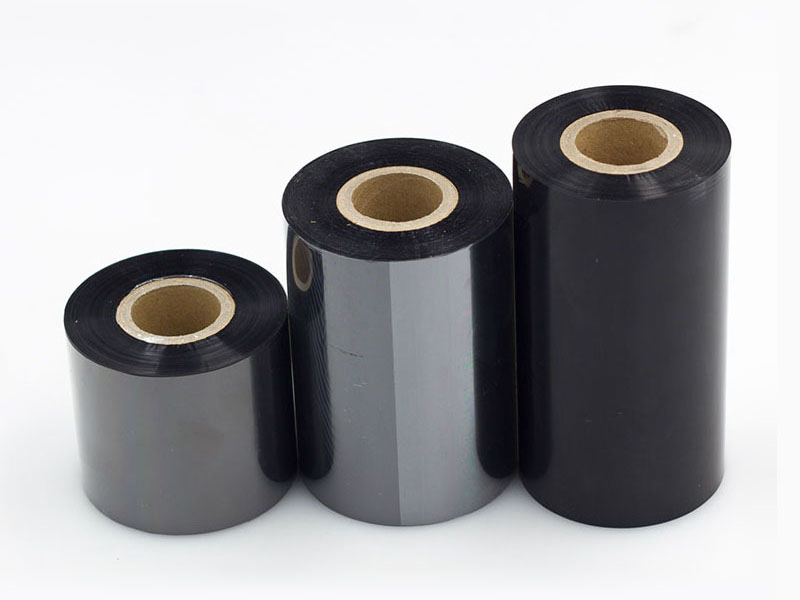
Slitting: the "last mile" of ribbon production
In the production process of ribbons, slitting is the last process after the coating is completed, and it is also a bridge between large-scale production and personalized needs. Large-format master rolls are slitted into finished products of different widths and lengths before they can be delivered to the end user.
This seemingly simple process actually hides a huge risk of value loss:
The invisible black hole of material loss – the insufficient precision of traditional slitting equipment leads to excessive edge material, waste of joints, and seemingly small loss rates that accumulate into staggering costs in continuous production.
The potential constraint of capacity bottlenecks - the slitting speed cannot keep up with the coating speed, resulting in the production line having to slow down, and the output efficiency of the entire factory is dragged down by one link.
The concentrated flashpoint of quality problems - tension fluctuations, knife marks, electrostatic adsorption and other problems in the slitting process directly lead to defects such as wrinkles and coating peeling in finished products, resulting in a large number of rework and customer complaints.
The value of good equipment: more than "accurate cutting"
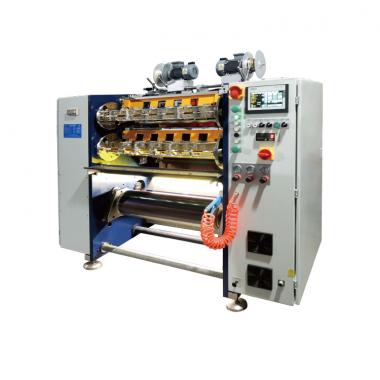
A truly excellent ribbon slitting machine is valuable for much more than just the basic function of "cutting wide material into narrow strips". It is a systematic solution that creates value for businesses in multiple dimensions:
Precise control maximizes material utilization
High-end slitting machines are equipped with a precision tension control system that automatically adjusts parameters according to material properties, minimizing starting losses and changing wind losses. Advanced blade positioning system and edge detection technology ensure that the slitting width error is controlled within ±0.1mm, so that every millimeter of material is used to its advantage.
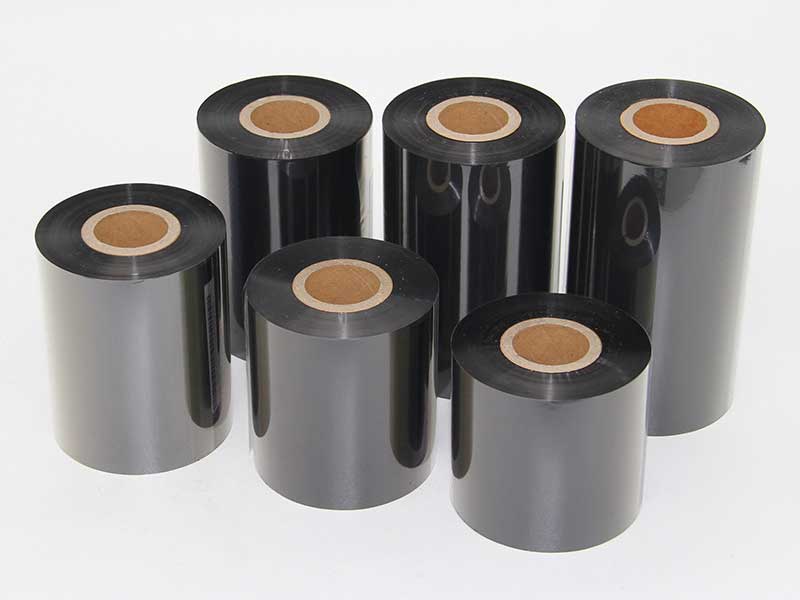
Efficient operation and maximum capacity release
Increased automation is key. Functions such as automatic splicing, automatic tool arrangement, and automatic unwinding greatly reduce manual intervention and achieve continuous production. Some high-end models support stable operating speeds of more than 800m/min, completely eliminating the bottleneck effect of the slitting process.
Stable and reliable, quality cost minimized
Excellent equipment design takes into account details such as static elimination, dust collection, tension buffering, etc., to avoid the occurrence of quality defects at the source. This not only reduces raw material waste, but more importantly, avoids customer returns and loss of credibility due to quality issues—hidden costs that are often difficult to quantify but have far-reaching consequences.
From equipment investments to strategic assets
Some businesses regard slitting machines as "equipment that must be bought" and often prioritize price factors when purchasing. Entrepreneurs with strategic vision see it as a component of their core competencies:
A good piece of equipment means that more qualified products can be produced with fewer raw materials, and the unit cost decreases.
A good piece of equipment means that the order change time is shortened from hours to minutes, and small batches and multi-variety orders can also be processed efficiently, and the market response ability is greatly improved.
A good piece of equipment means employees can be freed from repetitive labor and engage in more valuable quality control and production optimization work.
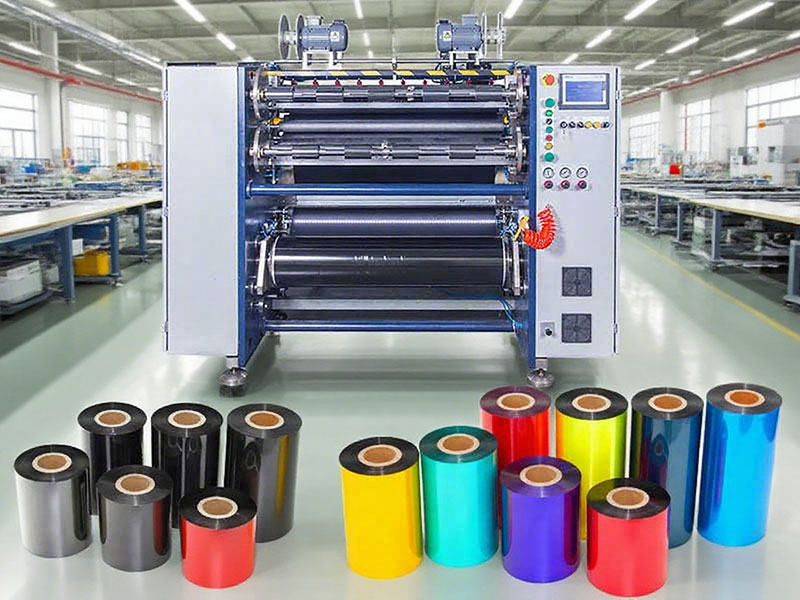
The way to choose: focus on the full life cycle cost
To evaluate the value of a ribbon slitting machine, you should not only look at the purchase price, but also calculate the full life cycle cost:
The initial investment is just the tip of the iceberg, and what really determines cost-effectiveness is the energy consumption, maintenance, spare parts replacement, and material loss of long-term operation. A slightly more expensive device with stable operation and long-lasting accuracy often recoups the difference in materials and labor savings within two years.
At the same time, consider the supplier's technical strength and service capabilities - whether they can provide customized solutions according to your product characteristics and respond to maintenance needs in a timely manner, these soft factors directly affect the realization of equipment value.
Epilogue
In today's increasingly fierce competition in the ribbon industry, every percentage point of cost advantage and every efficiency improvement may become the key to enterprises gaining a foothold in the market. Cost reduction and efficiency increase is not a slogan, but is reflected in the excellence of each production link.
A good ribbon slitting machine is such a seemingly ordinary but crucial link. It is not only a production tool, but also a strategic asset for enterprises to achieve refined operations and build competitive advantages. What kind of slitting machine you choose determines to some extent how much you can release your production potential and how far you can go in the fierce market competition.
 English
 Deutsch
 Français
 Español
 Português
 日本語
日本語 русский
 한국어
한국어 عربي
عربي ภาษาไทย
 Tiếng Việt
 Italiano

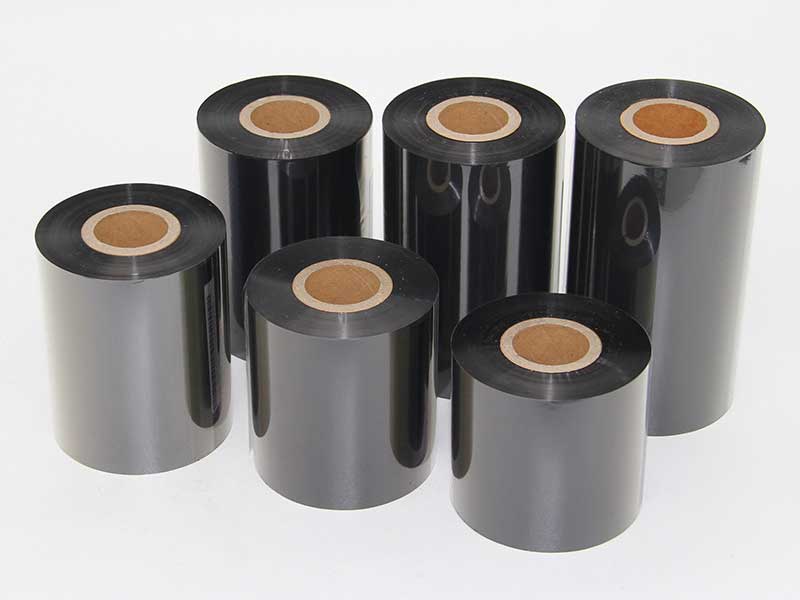
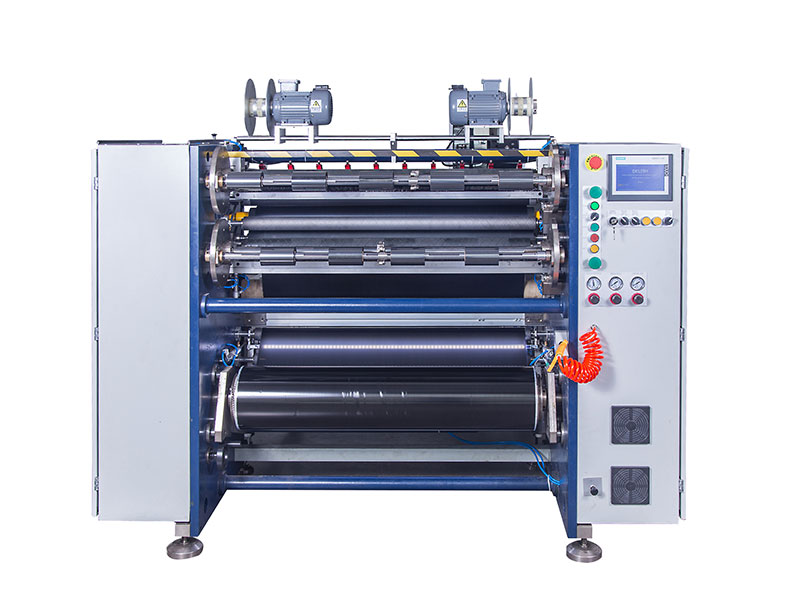
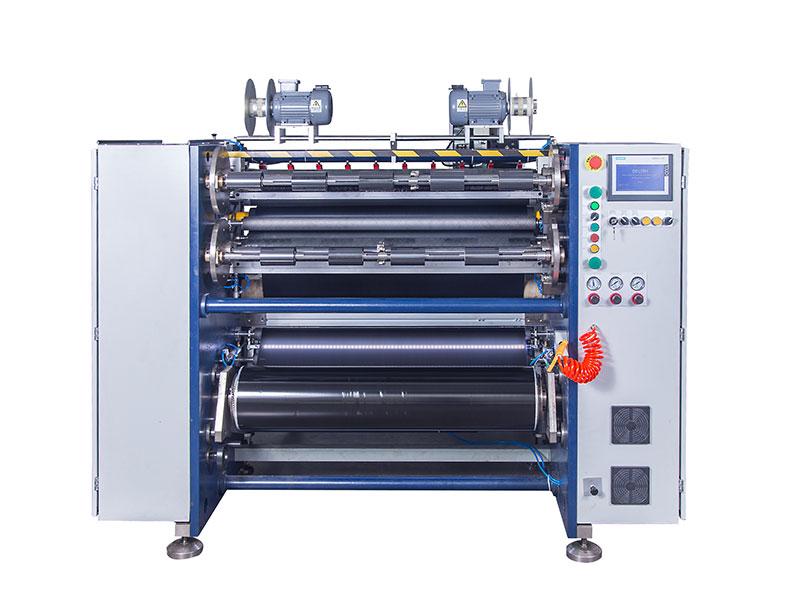 Ribbon Slitting Machine
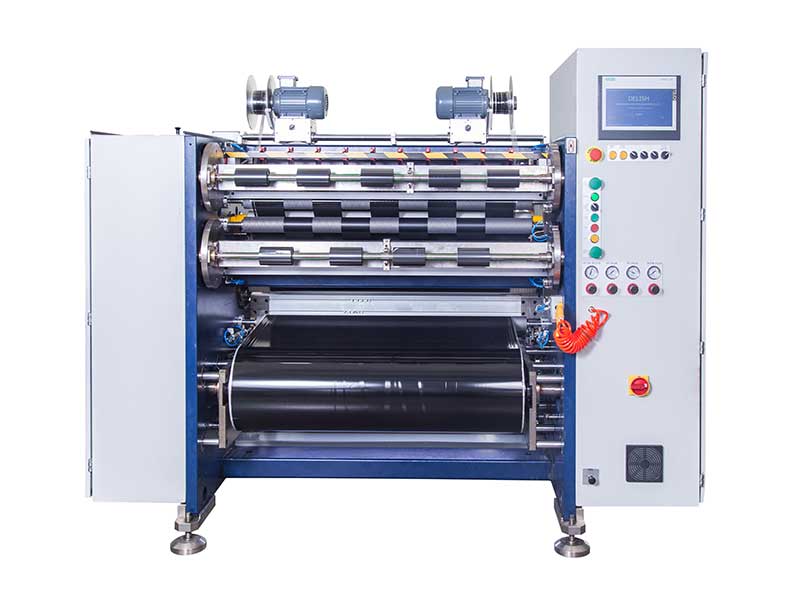 Barcode Ribbon Slitting Machine
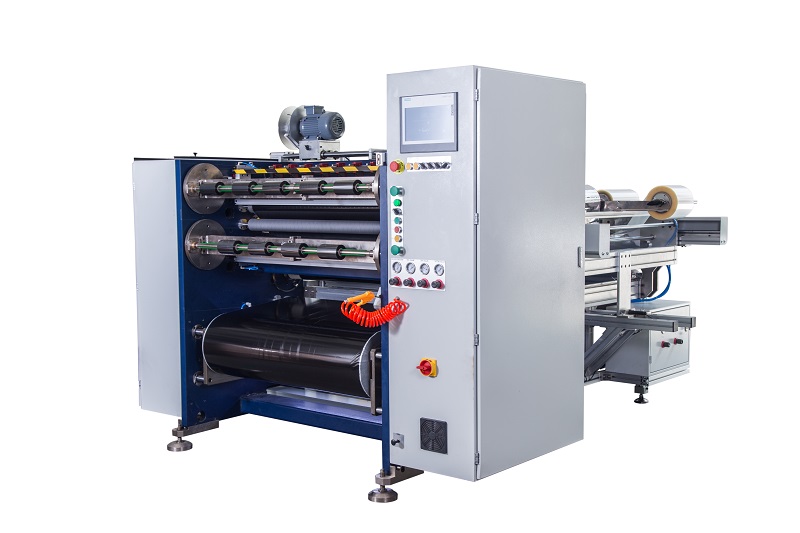 Semi Automatic Thermal Transfer Ribbon Slitter RSDS5 PLUS
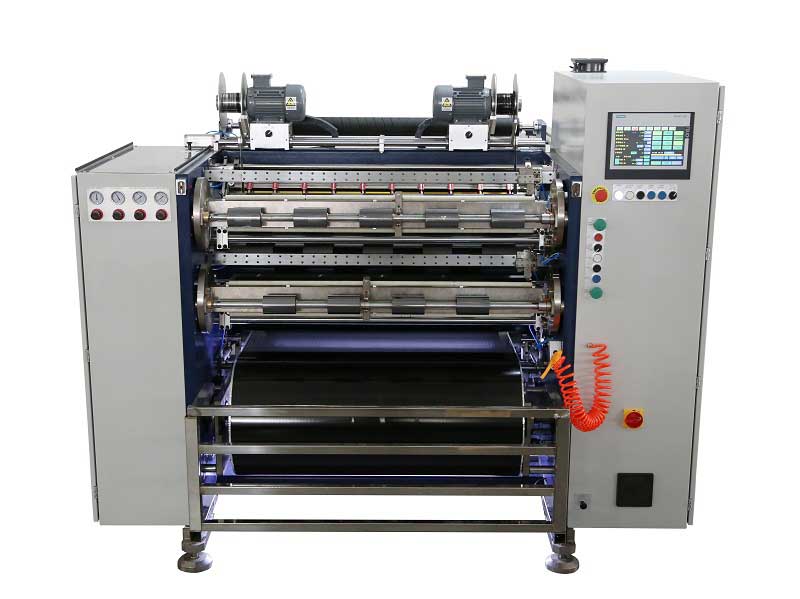 Automatic Thermal Transfer Ribbon Slitter RSDS8 H PLUS
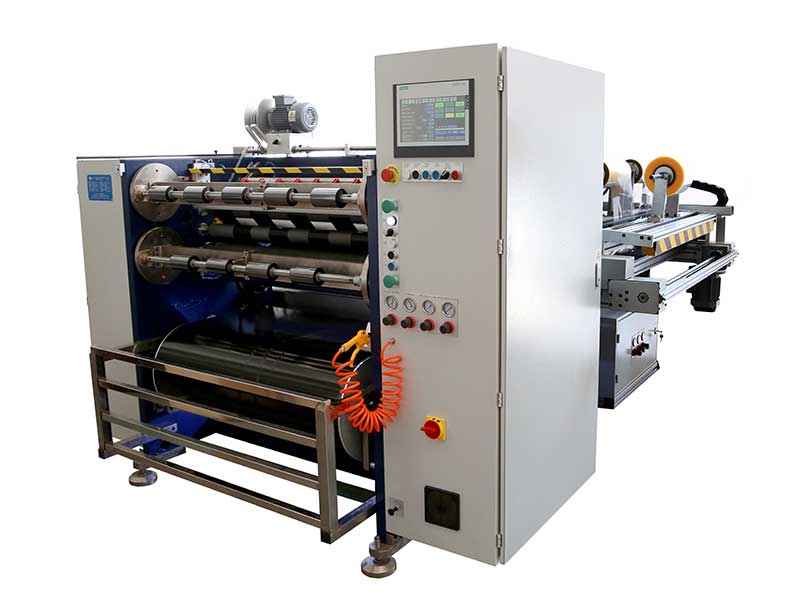 Automatic Thermal Transfer Ribbon Slitter RSDS6 PLUS
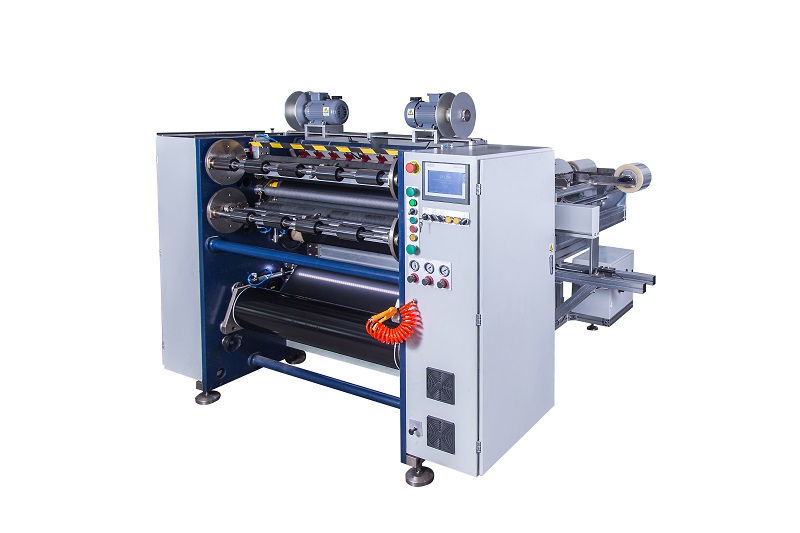 Semi Automatic Thermal Transfer Ribbon Slitter RSDS1 PLUS
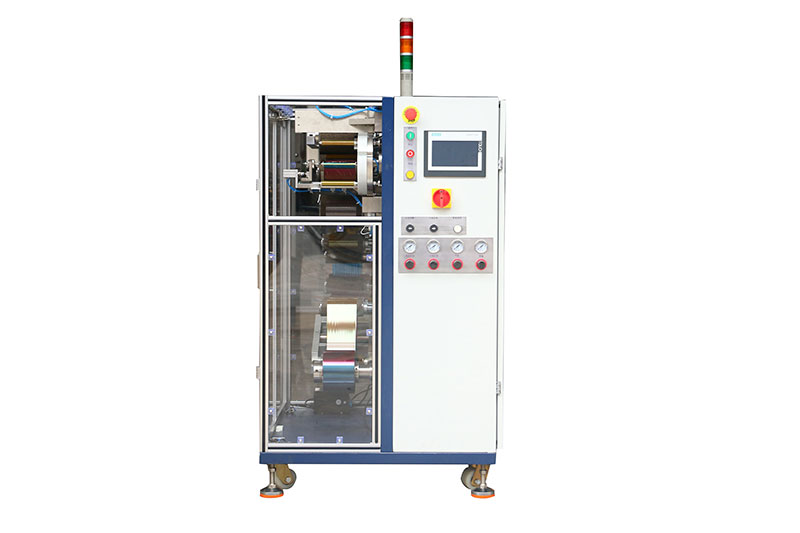 Card Print Ribbon Rewinder
 Card Print Ribbon Slitter