In today's highly automated commercial and industrial environment, barcodes are the "digital ID cards" of goods, and their printing quality directly affects the efficiency of warehouse management, the accuracy of logistics tracking, and the experience of end consumers. Whether it's a price tag in retail, an asset tag in manufacturing, or a logistics bill, behind every clear, durable barcode lies an often overlooked but crucial link – ribbon slitting.
Thermal transfer ribbon is the core consumable of thermal transfer printing. In addition to the ink formulation and substrate film, the slitting process is the "first hurdle" that determines the final printing effect. This article will delve into how ribbon slitting machines can protect the quality of barcode printing from the source.
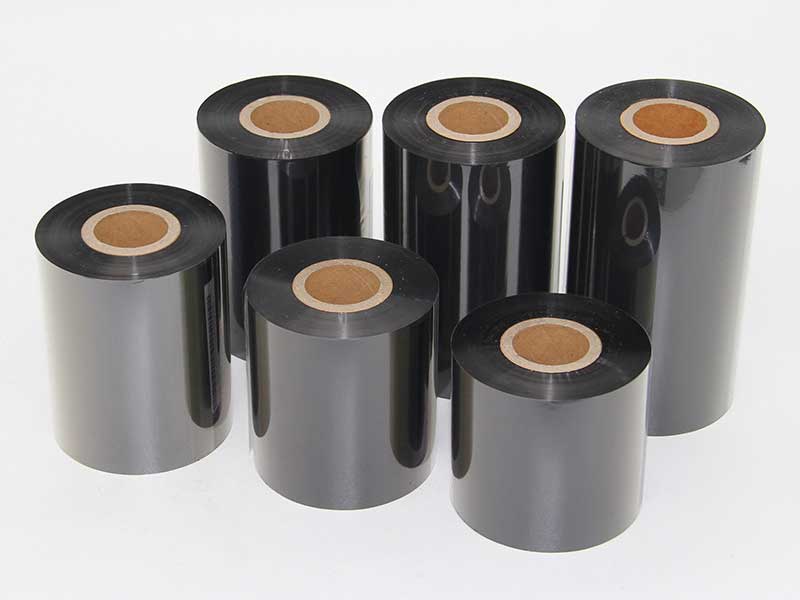
1. Precise "edges": barriers that prevent wear and tear on the print head
The printhead of a barcode printer is a precision heating element that is invaluable. If the ribbon is slitted with rough edges, it will cause burrs or the coating layer will fall off. These tiny particles will scratch and wear the print head like sandpaper during high-speed printing, causing the printed piece to break the needle and produce white strips.
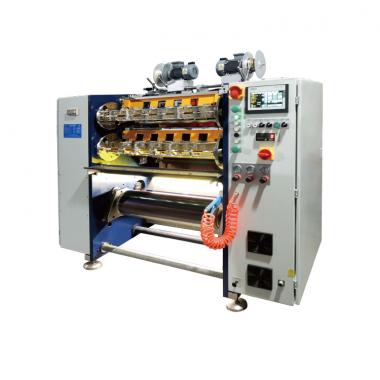
A high-precision ribbon slitting machine can achieve burr-free mirror cutting by equipping a circular knife or razor made of superhard material, combined with a sophisticated tool holder control system. This smooth and flat ribbon edge ensures that no particles fall off during unwinding and printing, minimizing wear on the print head, extending printer life and ensuring the stability of the printing process on a physical level.
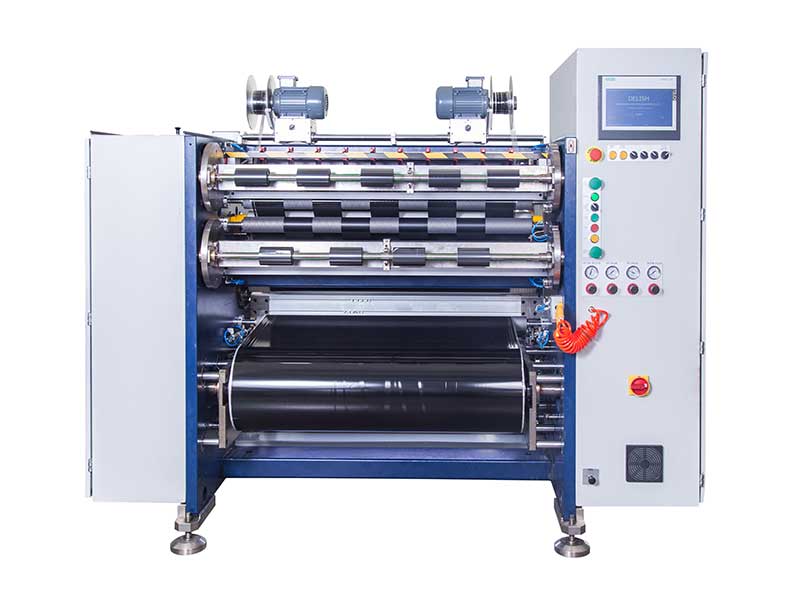
2. Uniform "tension": eliminate the deformation of printed content
The clarity of barcode printing depends not only on the ink of the ribbon, but also on the tight fit of the ribbon to the printed medium (such as label paper) during printing. If the ribbon winding tension is uneven during the slitting process, it will lead to the phenomenon of "loose inside and tight outside" or "chrysanthemum core" of the finished ribbon coil.
When this unevenly tensioned ribbon runs at high speeds on the printer, it creates longitudinal streaks or wrinkles. Once wrinkled, the ribbon cannot cover the label evenly, and the printed barcode will be partially missing or blurry, making it impossible to scan.
The modern intelligent ribbon slitting machine adopts a closed-loop tension control system, which adjusts the tension of the unwinding and unwinding in real time through the servo motor to ensure that the tensile stress of each millimeter ribbon is uniform and consistent. This stable physical form is the basis for ensuring accurate transfer of barcode patterns.
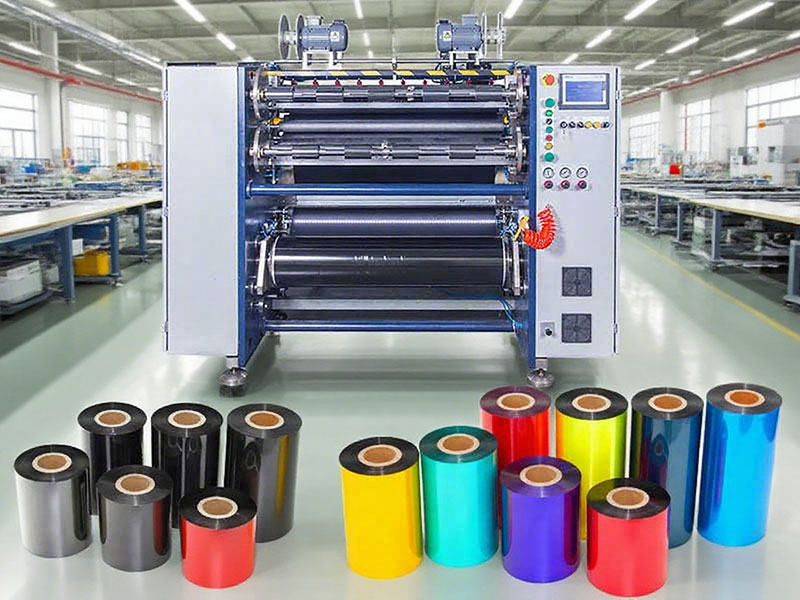
3. Clean "environment": eliminate the hidden dangers of white spots and code breakage
In industries with high cleanliness requirements, such as electronics and medicine, a fine dust falling on the ribbon coating layer may cause "white spots" on the printed barcode, resulting in misreading. During the ribbon slitting process, due to the high-speed friction of the material, it is easy to generate static electricity, and static electricity is the culprit of dust adsorption.
The premium ribbon slitting machine integrates a static elimination rod and a high-efficiency air filtration system. Neutralize static electricity in real time during the slitting process, and purge the cut edges through clean airflow before winding to suck away the fine dust particles generated by cutting in time. This purification treatment from the source ensures absolute cleanliness of the ribbon coating surface and creates the conditions for printing barcodes with zero defects.
4. Accurate "width": adapt to diverse printing needs
From wide logistics sheets to narrow jewelry price tags, ribbons come in a wide range of formats. The precision of the slitting machine directly determines whether the ribbon can perfectly match the width of the label paper. If the slitting width deviation is too large, it will not only cause ribbon waste, but more seriously, if the ribbon is narrower than the label, part of the printhead will be in direct contact with the label during printing, which will quickly burn the printhead.
The CNC ribbon slitting machine can achieve micron-level width positioning, and monitor the slitting size in real time through laser line alignment or CCD visual inspection system. This high degree of customization ensures that each roll of ribbon ships seamlessly with the end-user's printing tasks.
Epilogue
Although the ribbon is small, the craftsmanship is extremely exquisite. As the core equipment in the production process, the ribbon slitting machine seems to only cut the wide master coil into narrow finished products, but in fact it is a comprehensive test of precision, tension and cleanliness.
Controlling the quality of slitting at the source not only protects expensive printhead equipment, but also ensures the legibility and durability of the final barcode. In the era of the Internet of Things that pursues efficiency and accuracy, choosing advanced ribbon slitting equipment is to build the first and most solid quality defense line for the information transmission of the entire supply chain.
 English
 Deutsch
 Français
 Español
 Português
 日本語
日本語 русский
 한국어
한국어 عربي
عربي ภาษาไทย
 Tiếng Việt
 Italiano

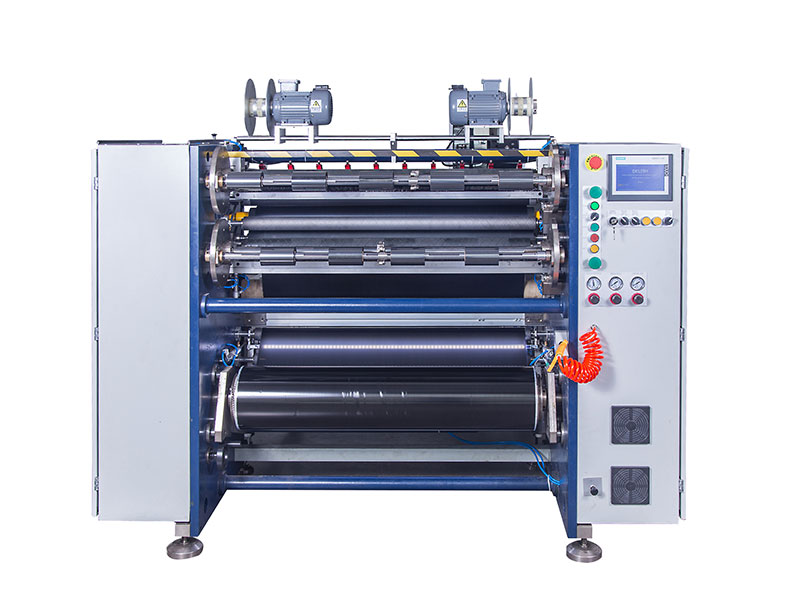
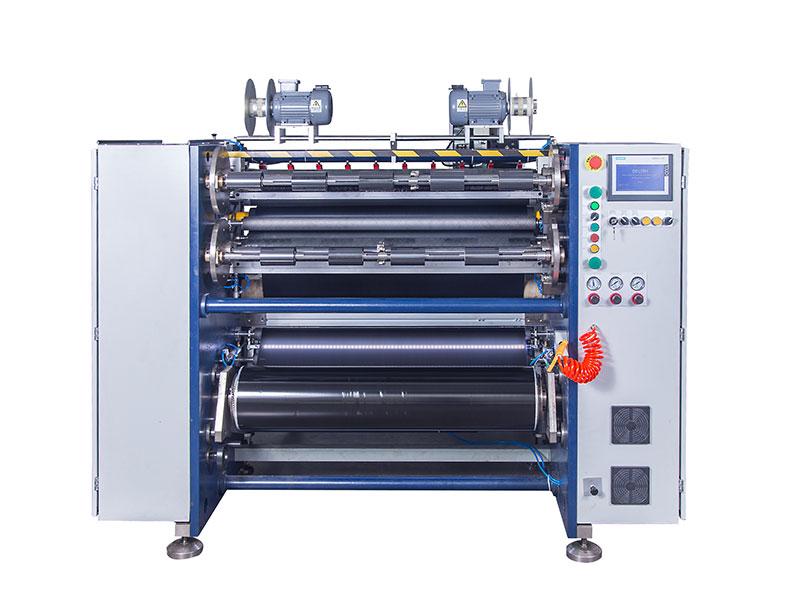 Ribbon Slitting Machine
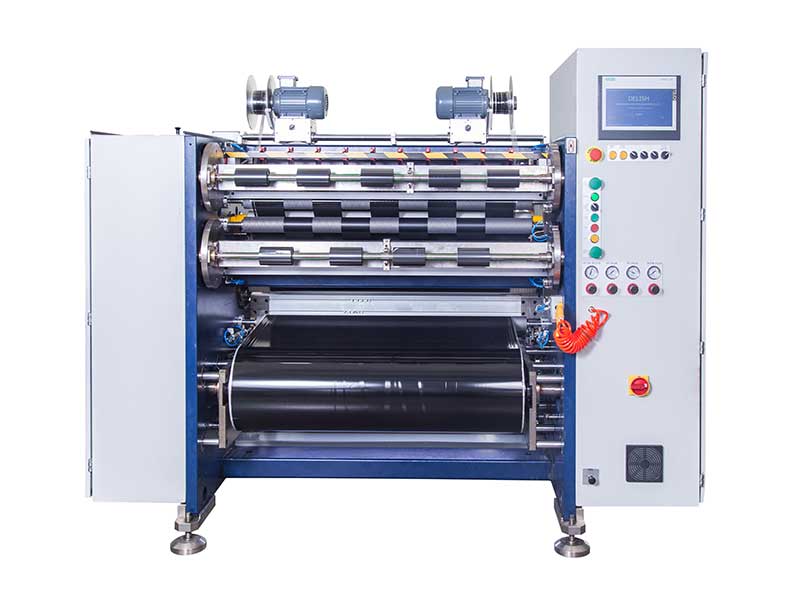 Barcode Ribbon Slitting Machine
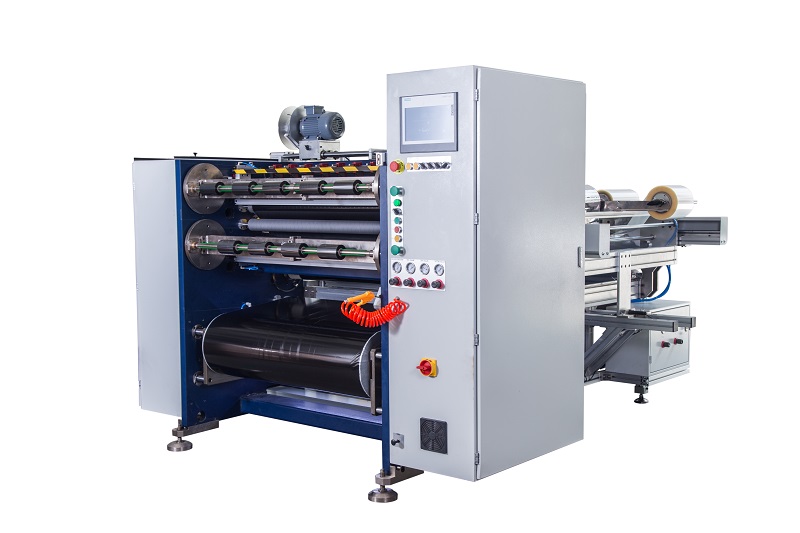 Semi Automatic Thermal Transfer Ribbon Slitter RSDS5 PLUS
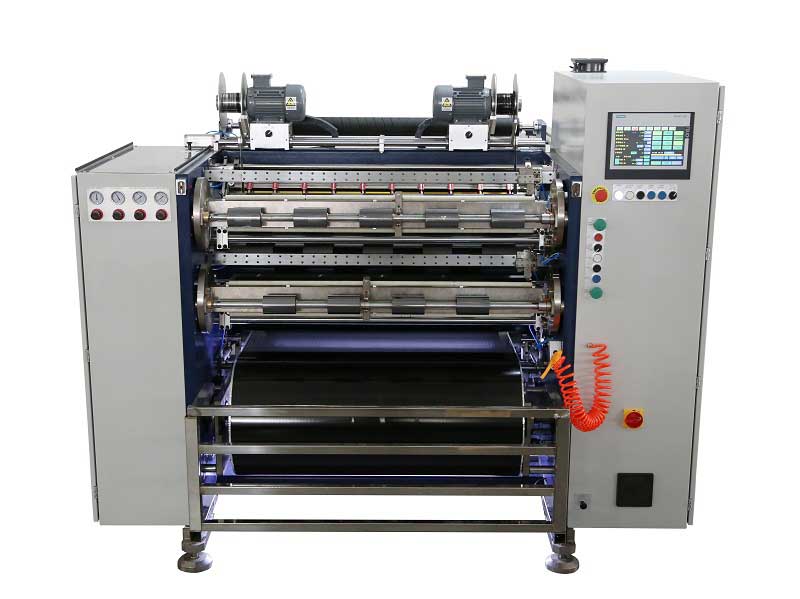 Automatic Thermal Transfer Ribbon Slitter RSDS8 H PLUS
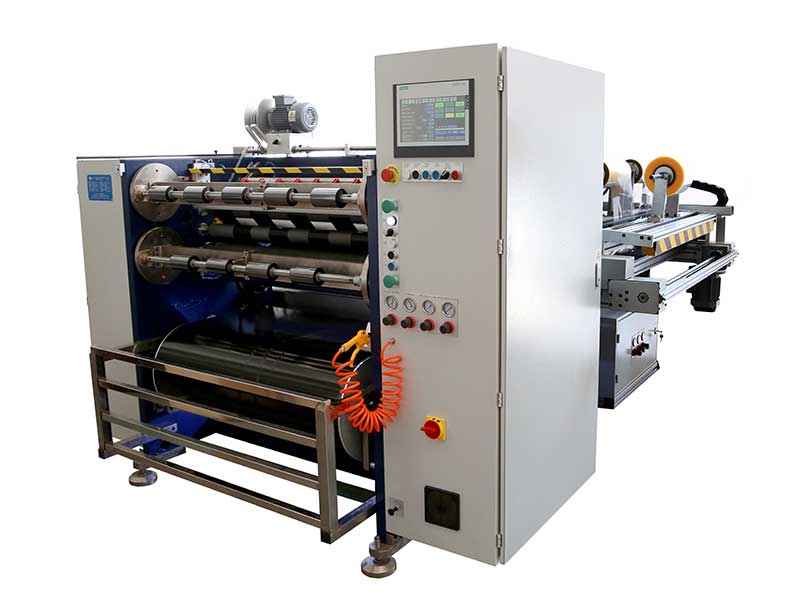 Automatic Thermal Transfer Ribbon Slitter RSDS6 PLUS
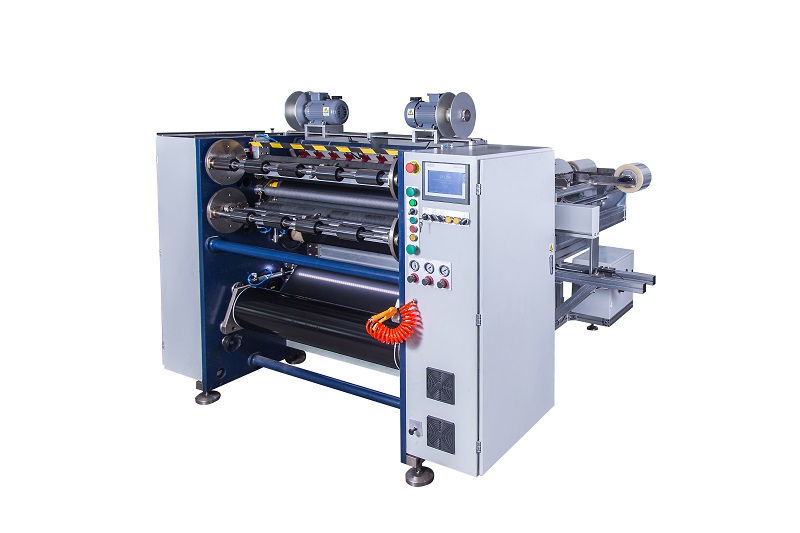 Semi Automatic Thermal Transfer Ribbon Slitter RSDS1 PLUS
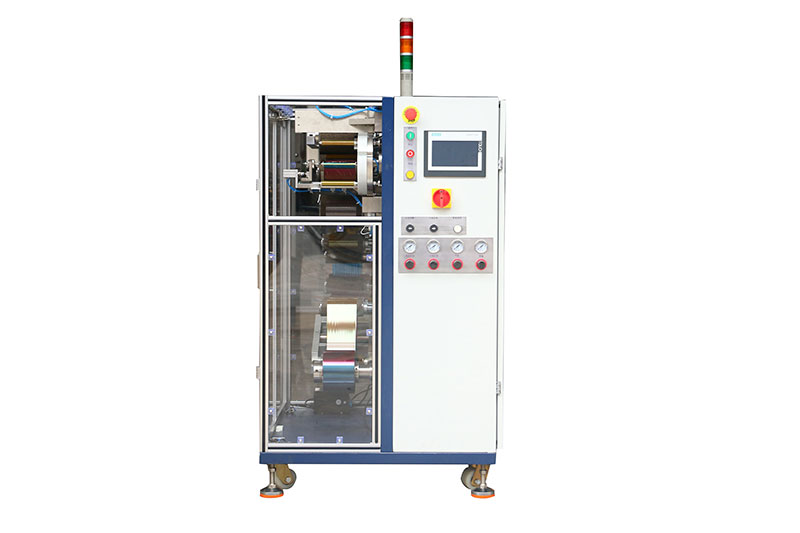 Card Print Ribbon Rewinder
 Card Print Ribbon Slitter