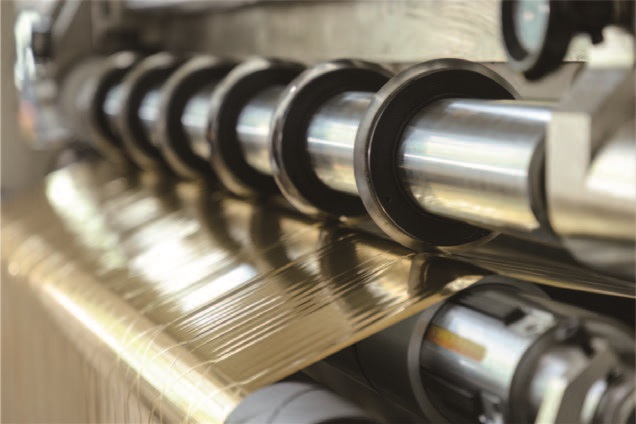
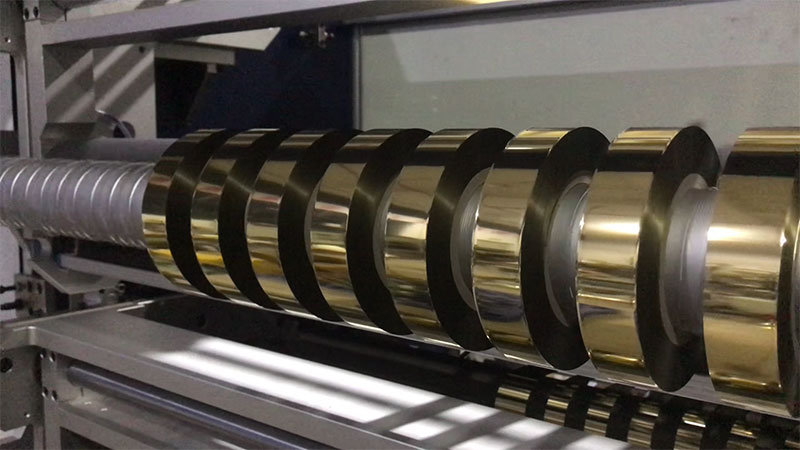
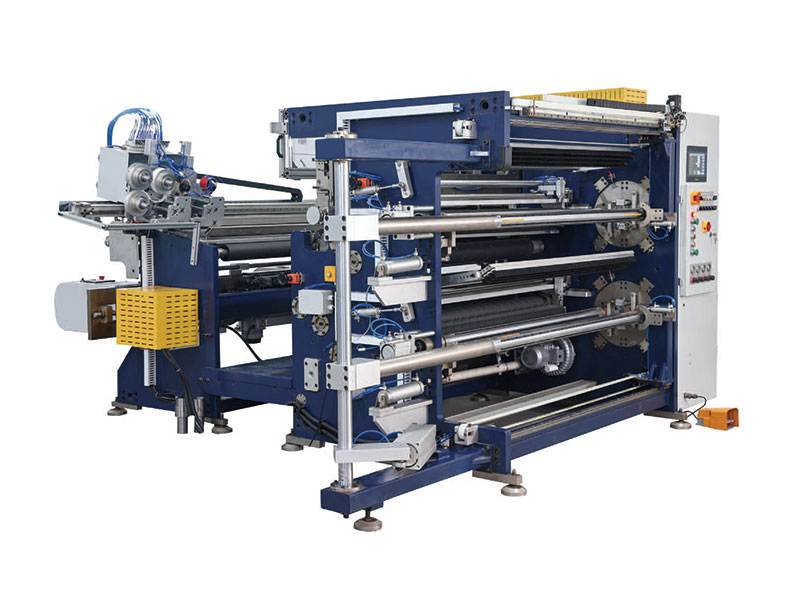
In the printing and packaging industry, the hot stamping film slitting machine is one of the key equipment to improve production efficiency and product quality. Whether it's large-format decorative materials or precision electronic component labels, efficient and precise slitting directly impacts the aesthetics and market competitiveness of the final product. However, in the face of a dazzling array of slitting equipment on the market, how to choose a hot stamping film slitting machine that suits their own production needs has become a problem faced by many business decision-makers. This article will comprehensively analyze the key points of hot stamping film slitting machine selection to help you make an informed decision.
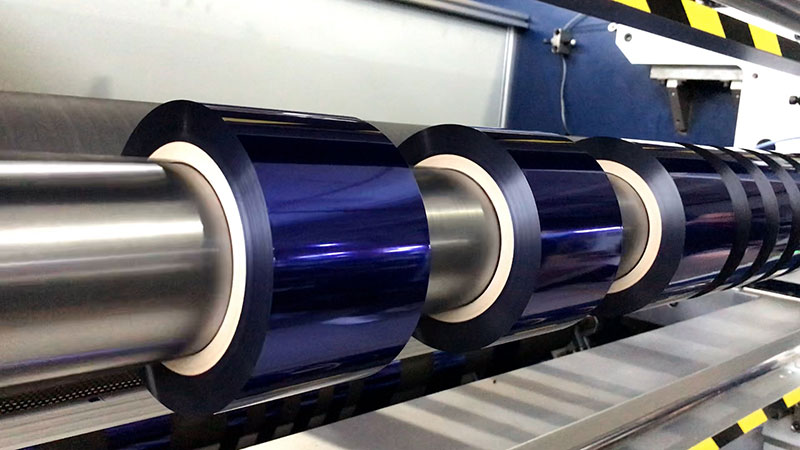
1. Core parameter analysis: five elements that determine the quality of slitting
1. Slitting accuracy and stability
• Static accuracy: usually required within ±0.01mm, which directly affects the material utilization
• Dynamic accuracy: holding ability in operating state, high-end equipment can reach ±0.03mm/100m
• Tension control system: Segmented closed-loop tension control is better than ordinary magnetic particle brake control
• Bearing and rail grades: Precision-grade bearings and linear guides greatly improve long-term stability
2. Scope of applicable materials
• Substrate Type:Applicability of different substrates such as PET, OPP, PVC, transfer paper, etc
• Film thickness: common range of 1.5-50μm, special needs up to 100μm
• Hot stamping film type: compatibility with special materials such as ordinary electrochemical aluminum, holographic anti-counterfeiting film, laser film, etc
• Maximum width: 650mm, 1300mm, 1650mm and other specifications are common
3. Production efficiency parameters
• Maximum operating speed: 80-150m/min for ordinary equipment, and more than 300m/min for high-speed equipment
• Tool change time: The quick tool change system reduces tool change time to less than 5 minutes
• Retraction and unwinding diameter: The maximum rewinding diameter is usually 600mm or 1000mm
• Degree of automation: Functions such as automatic material reception, automatic deviation correction, and automatic waste disposal can significantly reduce manual intervention
4. Tool holder system configuration
• Round and flat cutter selection: Round knives are suitable for high-speed continuous slitting, and flat knives are suitable for high-precision intermittent slitting
• Tool material: The life of tungsten steel knives is 3-5 times that of ordinary alloy knives
• Cutter shaft runout: The precision stage should be controlled within 0.005mm
• Pneumatic/hydraulic pressure control: Precise pressure control extends tool life
5. Control system and intelligence
• Human-machine interface: The size and operation logic of the touch screen directly affect the operation efficiency
• Preset memory function: multi-component slitting schemes can be stored to quickly switch product specifications
• Remote Diagnostics and Maintenance: Modern equipment supports remote fault diagnosis and parameter optimization
• Data Acquisition Function: Real-time collection of production data to support lean production
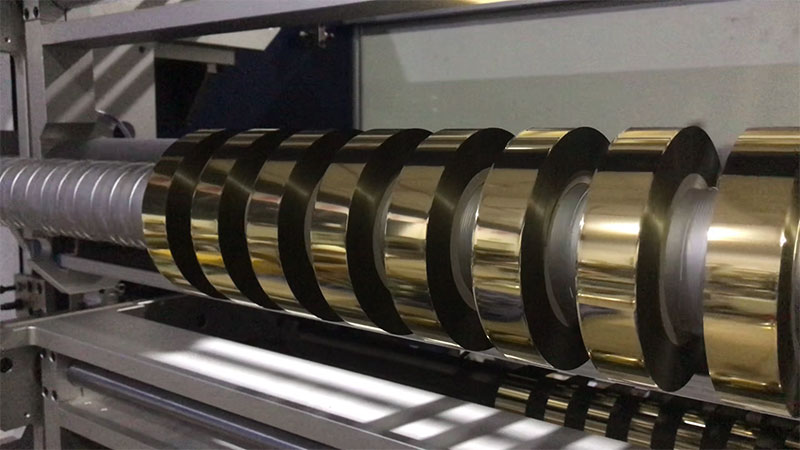
2. Selection decision matrix: match requirements and equipment performance
Step 1: Clarify production needs
1. Capacity Assessment: Determine equipment uptime requirements based on monthly/yearly production volumes
2. Product specification analysis: Sort out all product specifications that need to be slitted and determine the range of equipment parameters
3. Grading precision requirements: Categorize products according to precision requirements to avoid over-investing in low-demand products
4. Future development reservation: Consider the product types and technical needs that may be added in the next 1-3 years
Step 2: Comparison of technical solutions
| Contrast dimensions | Economical equipment | Standard equipment | High-end equipment |
| Applicable scenarios | Small batches, multiple varieties | Medium batch, stable varieties | High volume and high precision |
| Slitting accuracy | ±0.05mm | ±0.02mm | ±0.01mm |
| Operating speed | ≤80m/min | 80-200m/min | ≥200m/min |
| Degree of automation | Manual adjustment is the main focus | Semi-automatic | Fully automatic |
| Energy consumption level | higher | Medium | Optimized design is low |
| Price range | 10-300,000 | 30-800,000 | More than 800,000 |
Step 3: Supplier evaluation points
• Technical strength: whether you have customized development and problem-solving capabilities
• After-sales service: response time, spare parts supply, technical support team
• Industry reputation: feedback and case references of similar enterprises
• Upgrade scalability: Whether the device supports future function expansion and upgrades
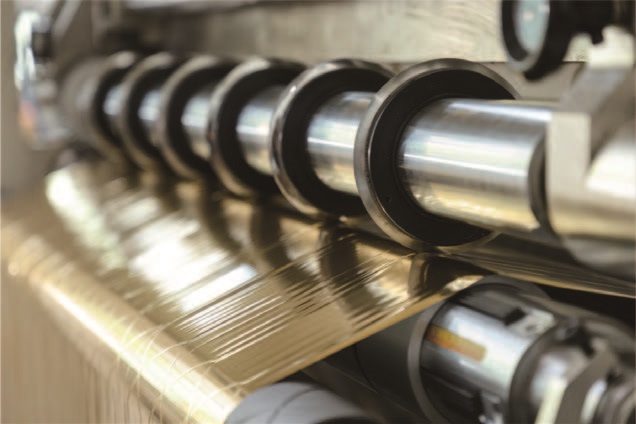
3. Common selection misunderstandings and avoidance strategies
1. Blind pursuit of high speed: Ignoring the actual production rhythm and material properties, leading to wasted investment
◦ Solution: Determine the speed requirement based on 80% of commonly used products
2. Ignoring energy consumption and maintenance costs: Only focus on procurement costs and ignore long-term operating expenses
◦ Solution: Calculate 3-year total cost of ownership (TCO)
3. Over-Automation: Pay a premium for unnecessary automation features
◦ Solution: Analyze the actual frequency of use and return of each automation feature
4. Neglecting operator training: Advanced equipment requires corresponding skills to operate
◦ Solution: Incorporate training support into procurement negotiations
4. Future development trends and investment prospects
1. Intelligent upgrade: AI visual inspection, adaptive slitting parameter adjustment
2. Green and environmentally friendly design: low-energy motor, oil-free lubrication system, noise control
3. Modular design: Functional modules can be flexibly added according to needs
4. Integrated solution: integration of slitting with front-end printing and back-end inspection
5. Practical selection checklist
Before finalizing, check the following key points:
• Whether the maximum and minimum slitting width of the equipment covers all products
• Whether the tension control accuracy meets the requirements for the thinnest materials
• Whether the winding neatness meets the standard after 8 hours of continuous operation
• Whether the equipment noise level meets the requirements of the factory environment
• Whether the supplier provides on-site trial cutting services
• Whether the electrical system meets local safety standards
• Whether the spare parts supply cycle is within the acceptable range
• Whether there are case references for successful handling of similar material
Epilogue
Selecting a hot stamping film slitting machine is a decision-making process that requires a combination of technical, economic, and operational factors. The ideal equipment is not the most expensive or state-of-the-art, but the solution that best balances current needs with future developments, investment costs and operational efficiency. It is recommended that enterprises fully investigate in the early stage of selection, conduct mid-term field inspections, and carefully verify in the later stage, and find hot stamping film slitting equipment that is truly suitable for their own production needs through systematic selection methods, so as to provide a solid guarantee for product quality and production efficiency.
In the end, an excellent slitting machine can not only improve product quality, but also become a powerful tool for enterprises to reduce costs and increase efficiency and enhance market competitiveness through stable performance and efficient operation. In the era of intelligent manufacturing, choosing the right equipment is an investment for the future of the enterprise.
 English
 Deutsch
 Français
 Español
 Português
 日本語
日本語 русский
 한국어
한국어 عربي
عربي ภาษาไทย
 Tiếng Việt
 Italiano
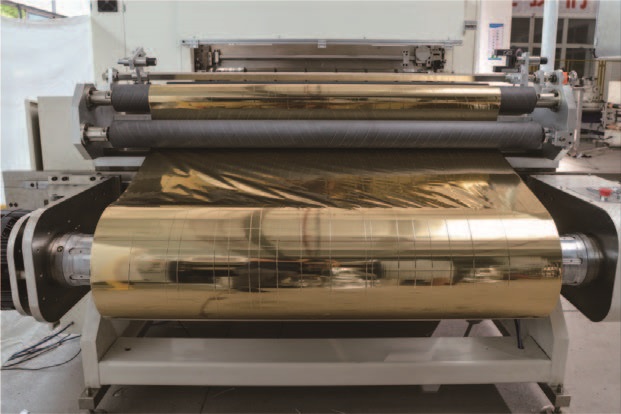
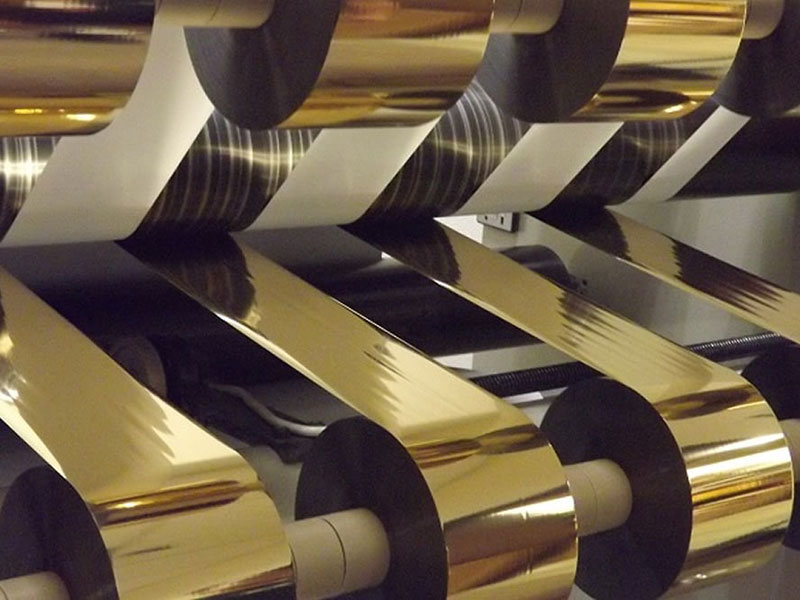 Cold Foil Slitter
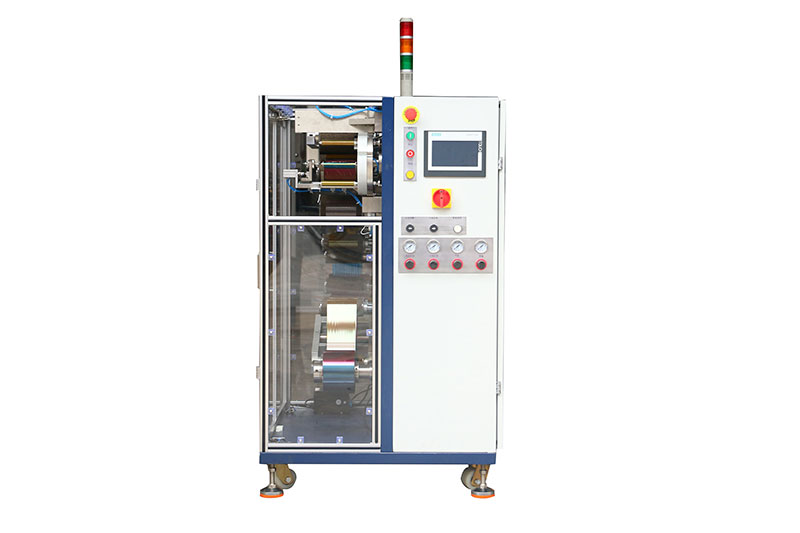 Card Print Ribbon Rewinder
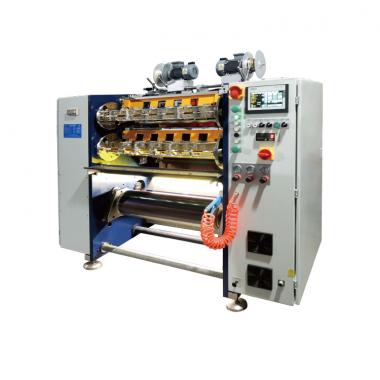 Card Print Ribbon Slitter
 Hot Stamping Foil Slitting Machine
 Holographic Foil Slitter
 Digital Enhancement Foil Slitter
 Hot Stamping Foil Slitter RSDS7H 1350 PLUS
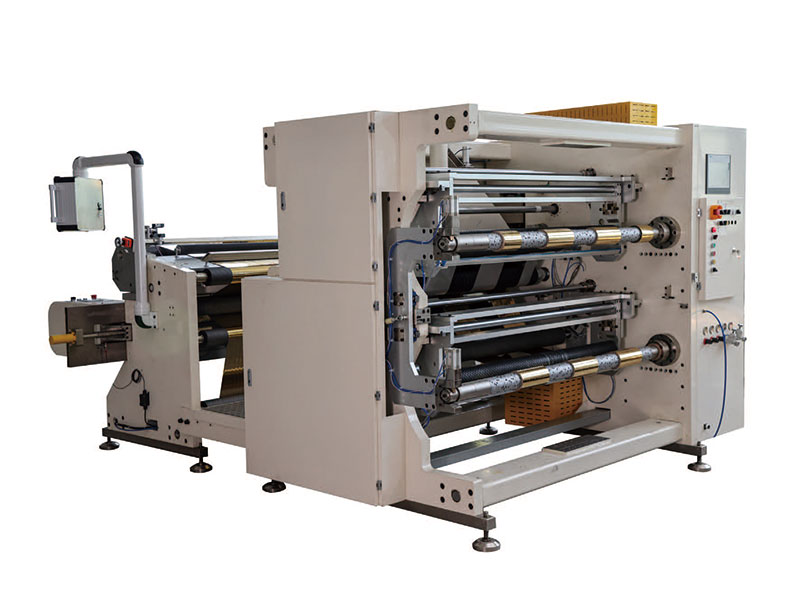 Hot Stamping Foil Slitter (RSDS7H) 1350