In the workshop of a large label manufacturing enterprise in Zhejiang, the production line is running at a speed of 300 meters per minute. Manager Wang Wei stared at the data on the control panel, with a rare relaxed expression on his face - since replacing the new generation of ribbon slitting machine, the continuous production time has increased from an average of 8 hours to 72 hours, and the number of wire breaks has been reduced by 67%. "In the past, we had to stop at least 3-4 times per shift to deal with the slitting problem, but now we can produce stably for three consecutive days."
This is not an isolated case. With the explosive growth of label demand in logistics, retail, medical and other industries, the reliability of ribbon slitting machines, as key equipment in barcode label production, has become a core factor in determining enterprise production capacity and cost control. In a high-intensity production environment, how well this machine performs is directly related to the fate of the entire production line.
Extreme challenge: When the production rhythm enters the "second era"
Modern label production lines have entered the "second era". A medium-sized label factory processes hundreds of orders per day, each of which may involve ribbons of different widths, lengths, and materials. Slitting machines need to switch specifications in a fraction of the time and maintain micron-level accuracy for the next few tens of hours.
Traditional slitting machines are often exposed to many problems in high-intensity environments: accuracy drift caused by bearing heating, uneven cross-sections caused by unstable tension control systems, and frequent replacement and shutdown caused by rapid tool wear...... These problems may be tolerated when the production pace is slow, but in a 24-hour production environment, each unplanned downtime means tens of thousands of yuan in losses.
"The most serious time, because the slitting machine suddenly lost control, resulting in the scrapping of the entire batch of medical labels, we not only lost materials, but also delayed the delivery of urgently needed materials in the hospital." Li Min, technical director of a special label manufacturer in Shanghai, recalled.
Technological breakthroughs: from mechanical stability to intelligent adaptation
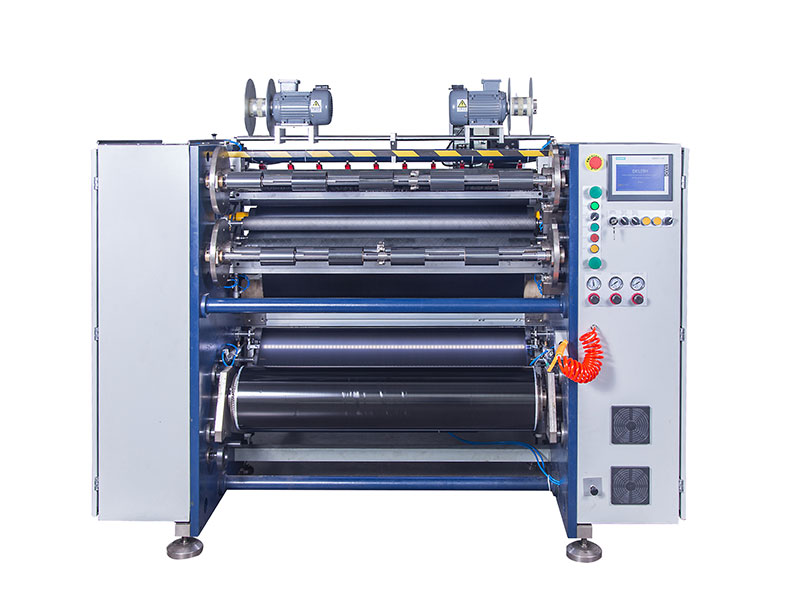
The emergence of a new generation of high-reliability ribbon slitting machines is a response to this series of challenges. These advances are mainly reflected in three levels:
In terms of mechanical structure, the use of integral heavy-duty frame and pre-stretching treatment greatly improves the ability of the equipment to resist thermal deformation and vibration interference in long-term operation. The application of special alloy tools and self-lubricating systems extends the continuous working time from tens of hours to hundreds of hours.
In terms of control systems, the maturity of closed-loop tension control technology is a major breakthrough. Through real-time monitoring and fine-tuning, the system can maintain constant tension at each stage of acceleration, deceleration, and uniform speed, and control the unevenness of the section within 0.1mm, far exceeding the industry standard of 0.3mm.
The most revolutionary advances come from intelligent diagnostic systems. The predictive maintenance platform based on the Internet of Things and artificial intelligence can analyze vibration frequency, temperature changes and energy consumption data to warn of potential faults 24-48 hours in advance, so that maintenance can change from "reactive response" to "active planning".
The multidimensional value of reliability: beyond the device itself
The increased reliability of the ribbon slitter brings value beyond reducing downtime.
For product quality, high-reliability slitting means more consistent ribbon performance. During the printing process, uniform ribbons ensure consistent print quality for each label, especially for asset labels and outdoor labels that need to be stored for a long time.
From the perspective of production costs, the improvement of equipment reliability directly reduces costs in three aspects: reducing scrap rates, reducing emergency maintenance costs, and saving spare equipment investment. According to statistics, improving the reliability of slitting machines by one level can reduce the comprehensive cost of label production by 8-12%.
The more far-reaching impact lies in the change of production mode. When enterprises are no longer worried about sudden equipment failures, they can adopt a leaner production organization method, implement a flexible production model with small batches and multiple varieties, and quickly respond to changes in market demand.
The battlefield of the future: a new dimension of reliability competition
With the deepening of Industry 4.0, the reliability competition of ribbon slitting machines is entering a new dimension.
Modular design has become a new trend, allowing users to replace key components without downtime. The application of digital twin technology allows engineers to simulate various production scenarios in a virtual environment and optimize equipment parameters in advance. The blockchain-based ribbon traceability system comprehensively correlates slitting data with raw material information and usage environment, providing an unprecedented data foundation for reliability analysis.
"In the future, the most reliable slitting machine may not be equipment that will never break, but an environmental adaptive system that can tell you in advance when maintenance is needed and how to adjust parameters to adapt to new materials." The head of R&D of a high-end slitting machine manufacturer in China pointed out.
In the planning blueprint of a smart factory in Jiangsu, the ribbon slitting machine is no longer an independent equipment, but an integral part of the entire intelligent production network. It exchanges data with the order management system, quality inspection system, and logistics scheduling system in real time, automatically adjusts the working mode according to production needs, and realizes true intelligence on the basis of reliability.
Epilogue
From the battle for microns in mechanical precision to the second-level response of intelligent adaptation, the evolution history of the reliability of ribbon slitting machines reflects the profound transformation of China's manufacturing industry from scale expansion to quality improvement. In a high-intensity production environment, these seemingly professional equipment improvements are actually related to the stability and efficiency of the industrial chain.
When each label can reach the position where it is needed on time and accurately, and when each slitting can create value in long-term stability, the reliability of the ribbon slitting machine is no longer just a technical parameter, but has become the cornerstone of trust in the era of intelligent manufacturing. In this battlefield where speed and accuracy are king, the most reliable equipment is those "anchor needles" that can remain calm and accurate in continuous high-speed operation.
 English
 Deutsch
 Français
 Español
 Português
 日本語
日本語 русский
 한국어
한국어 عربي
عربي ภาษาไทย
 Tiếng Việt
 Italiano

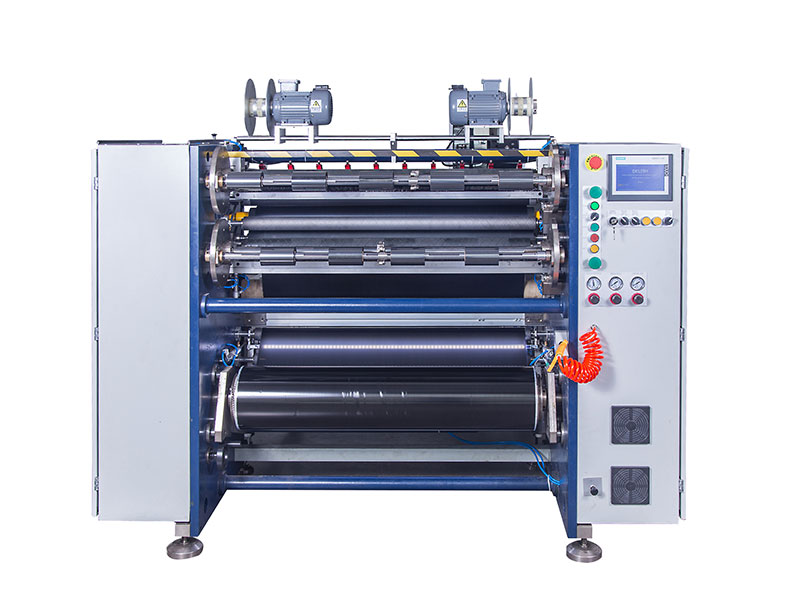
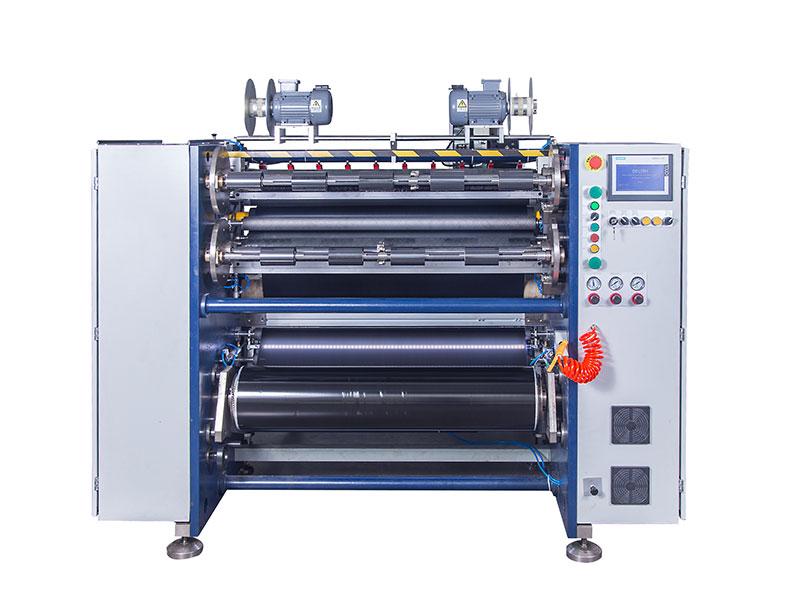 Ribbon Slitting Machine
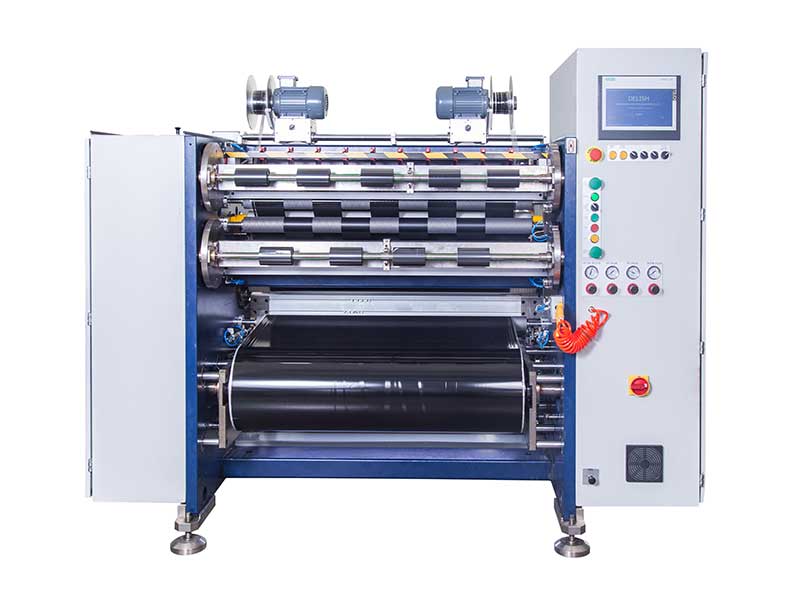 Barcode Ribbon Slitting Machine
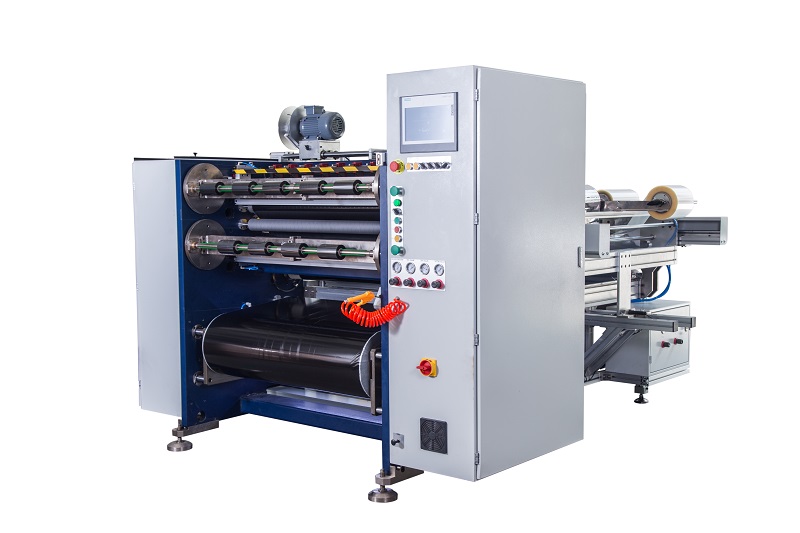 Semi Automatic Thermal Transfer Ribbon Slitter RSDS5 PLUS
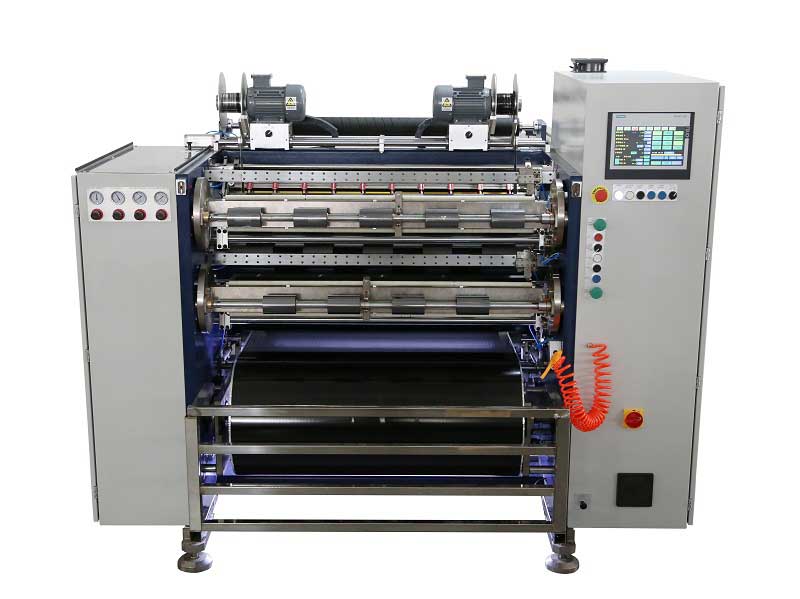 Automatic Thermal Transfer Ribbon Slitter RSDS8 H PLUS
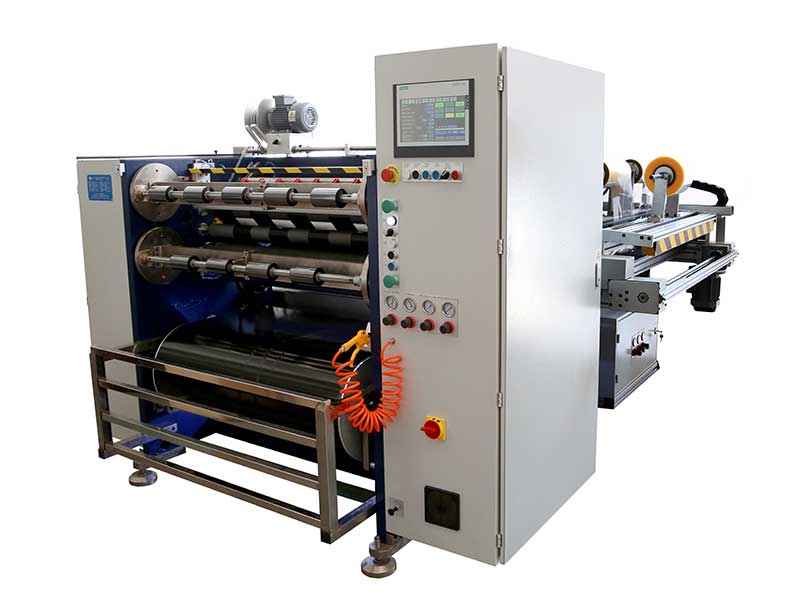 Automatic Thermal Transfer Ribbon Slitter RSDS6 PLUS
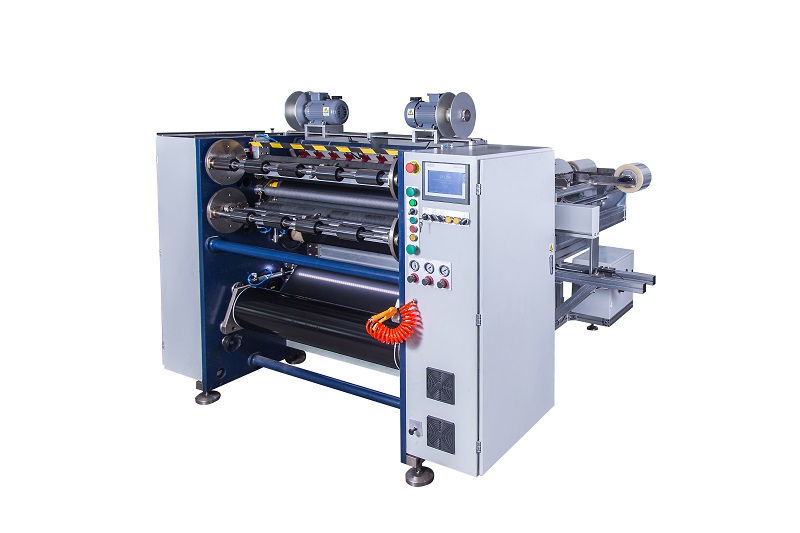 Semi Automatic Thermal Transfer Ribbon Slitter RSDS1 PLUS
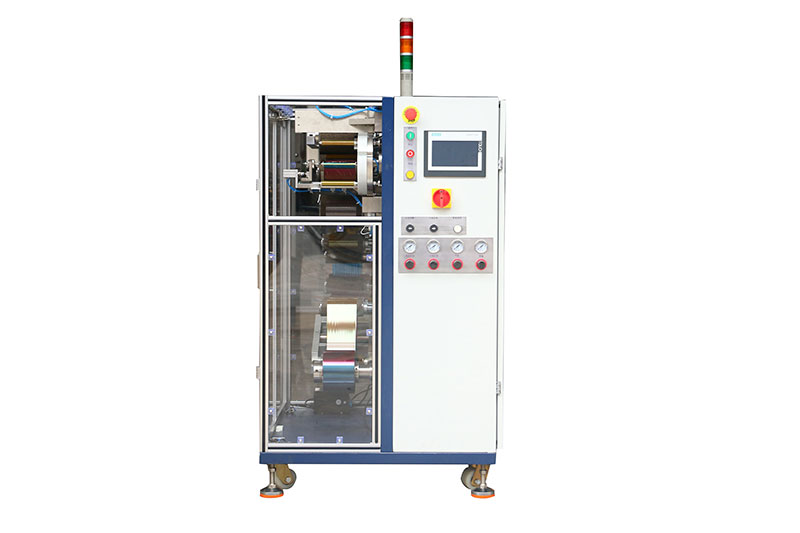 Card Print Ribbon Rewinder
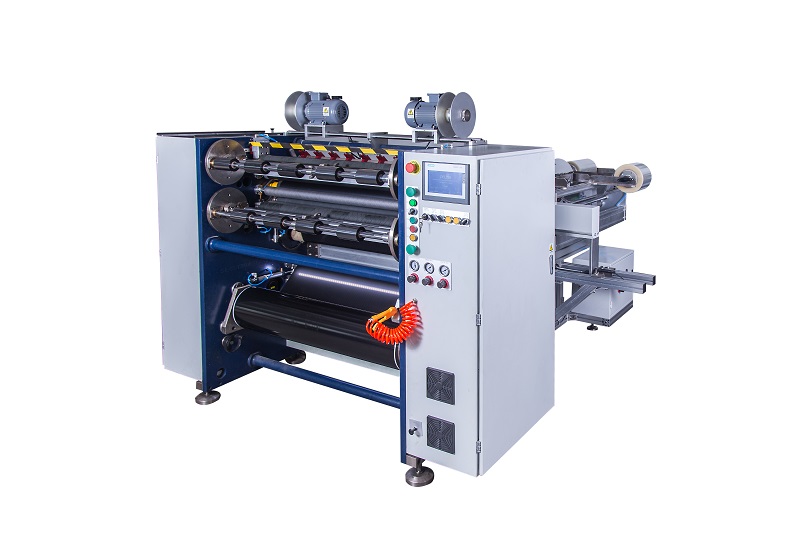 Semi Automatic Thermal Transfer Ribbon Slitter RSDS2 PLUS