Introduction: "Precision surgery" of high-gloss materials
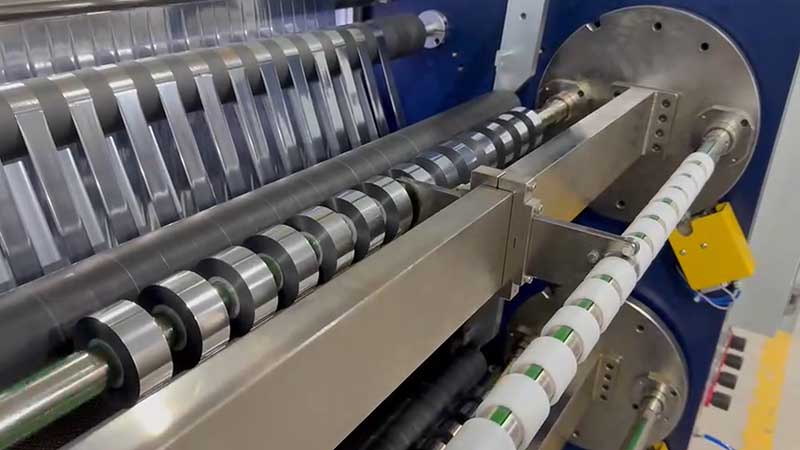
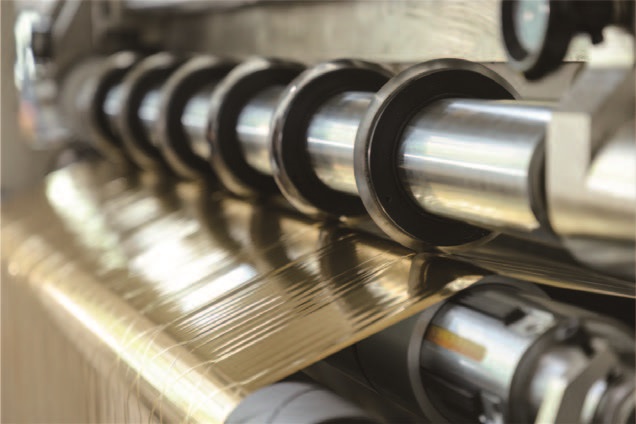
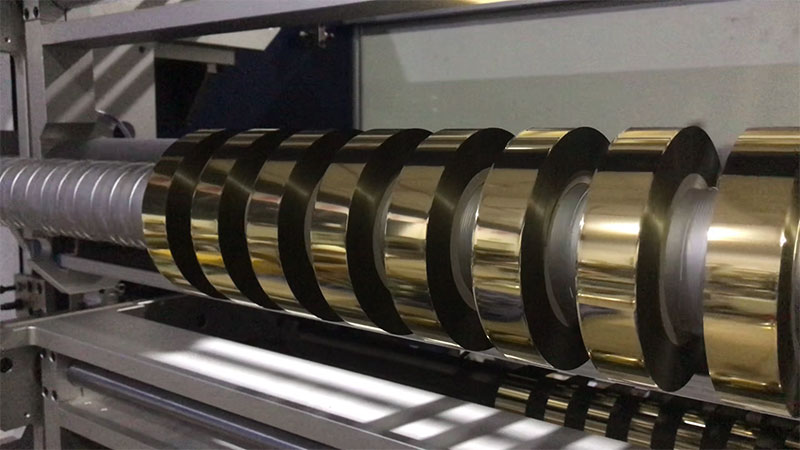
In the packaging and printing, label manufacturing, and decorative materials industries, hot stamping foil has become a key element in elevating products with its unique metallic luster and luxurious texture. The hot stamping foil slitting machine, like a doctor performing precision surgery, needs to cut the wide raw foil into the width specified by the customer, while ensuring that the edges are flat and neatly rolled. However, in the actual production process, this "operating table" is frequently tested for reliability.
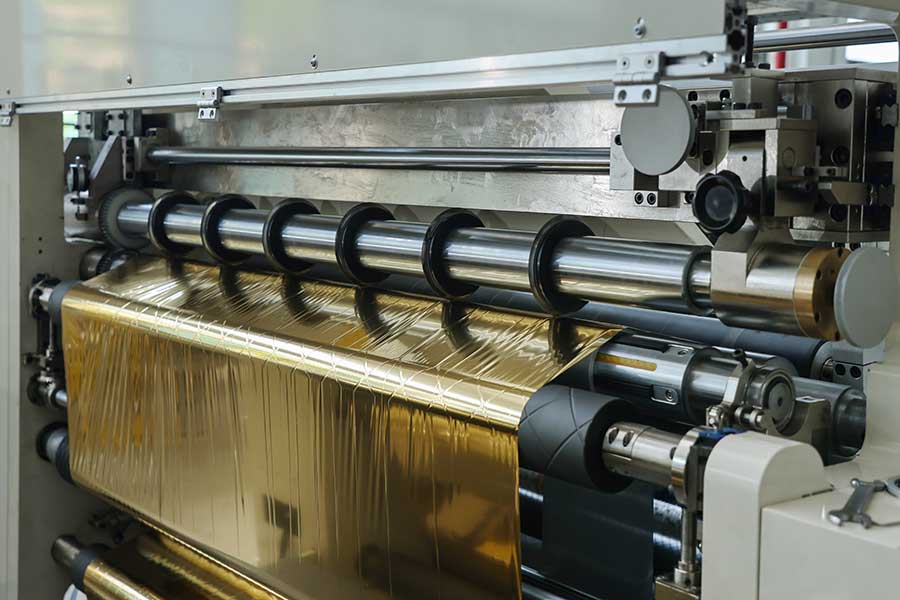
1. Five core challenges in user feedback
Based on in-depth interviews with equipment supervisors and technicians of many printing enterprises, we have sorted out the most common reliability problems encountered by hot stamping foil slitting machines:
1. Unstable slitting accuracy
• Phenomenon: In the same batch of products, there is a micron-level deviation in the slitting width of the front and rear sections
• Impact: White exposure or overlap is easy to occur in the hot stamping process, especially for fine patterns and narrow hot stamping
• A technical supervisor of a Guangdong packaging factory said bluntly: "We do luxury packaging, and customers with an error of 0.1mm will return the goods. After three hours of operation, the accuracy begins to 'drift' and must be stopped frequently to adjust. ”
2. The problem of winding tension control
• Pain points: Gold leaf is thin and brittle, breaking when the tension is slightly high, and wrinkling when it is slightly loose
• User feedback: "The bonding force between the aluminum foil layer and the release layer is limited, and if the tension control system is not 'smart', the scrap rate can exceed 5%"
3. Edge burrs and chips problems
• On-site description: After the slitting knife is used for a period of time, the cut produces trace metal chips, which will transfer to the foil surface, causing subsequent foil stamping defects
• A label manufacturer in Shanghai shared: "Cleaning up these debris requires downtime, but what is more troublesome is that the tiny particles attached to the gold leaf are not discovered until the bronzing process, causing the entire roll of material to be scrapped." ”
4. Insufficient adaptability of equipment
• Current situation: The physical properties of gold foil (such as polyester film and kraft paper-based foil) of different brands and substrates vary greatly
• User pain points: "Changing to a gold leaf requires re-debugging for half a day, and the parameter setting almost depends on the master's experience and 'feeling'"
5. Short lifespan of key components
• High-loss parts: slitting knife, guiding sensor, tension detection roller
• Cost accounting: "Blades need to be inspected and replaced every 8 hours, and the annual tool cost is as high as hundreds of thousands, not counting downtime losses." ”
2. Root cause analysis: Why do these challenges persist?
Extremes in material properties
Foil stamping is a composite film material, usually composed of a release layer, a color layer, an aluminum plating layer and a glue layer, with a thickness of only 12-25 microns. This "delicate" nature makes it extremely sensitive to the slitting process.
The fault of technology inheritance
The experience of senior operation technicians is difficult to digitize and standardize the inheritance. Many companies have reflected: "The machines transferred by the masters are smooth, but after they retire, the problem will break out." ”
"Over-generalized" design of equipment
Most slitting machines are designed to adapt to a variety of film materials, and lack targeted optimization for the special material of hot stamping foil. "You can cut anything, but you can't cut anything to the extreme."
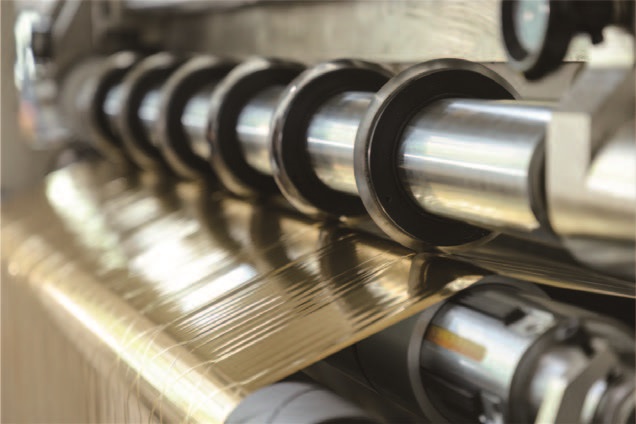
3. Industry wisdom: effective countermeasures from front-line users
1. Accuracy maintenance: temperature compensation and real-time monitoring
• Successful case: A company in Suzhou installed an ambient temperature compensation system to solve the accuracy drift caused by the thermal expansion of metal parts
• Solution: Laser width gauge + closed-loop feedback system, real-time adjustment of tool holder position, control accuracy fluctuations within ±0.05mm
2. Tension Control: From "Setpoints" to "Adaptive Models"
• Innovative practice: A Taiwan-funded enterprise has developed a library of tension curve models based on material properties
• Operation: Input the gold foil brand, model, width, the system automatically matches the optimal tension curve, shortening the material change and debugging time by 70%
3. Cutter Management: From "Regular Replacement" to "Condition Monitoring"
• User innovation: Vibration sensors are installed in the tool holder to predict blade wear through spectrum analysis
• Results: 30% increase in blade utilization and 80% reduction in unplanned downtime
4. Debris control: multi-stage cleaning and static elimination
• Practical solution: A company in Wuxi designed three cleaning processes - brush initial cleaning, ionic air dust removal, and micro-stick roller final cleaning
• Important: Clean immediately after slitting to avoid secondary attachment of debris
5. Knowledge digitization: Establish an enterprise-specific parameter database
• Management upgrade: A large printing group establishes a "material-equipment parameter" database
• Value: New employees can quickly call up mature parameters, and the company no longer relies on personal experience
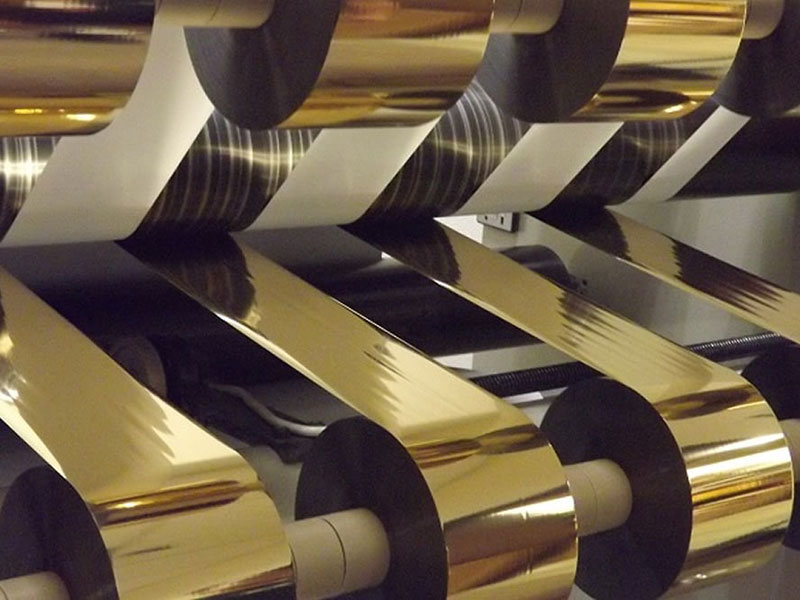
4. Future Prospects: The Key Evolution of the Next Generation of Hot Stamping Foil Slitting Machines
1. Material intelligent perception system
The equipment will integrate near-infrared spectroscopy or laser interferometer to automatically identify material properties and match slitting parameters during unwinding.
2. Predictive maintenance platform
Based on real-time monitoring of the Internet of Things, the remaining life of bearings, tools and other components is predicted through AI algorithms, and early warning is given.
3. Modular and specialized design
Dedicated models optimized for the characteristics of hot stamping foil will become a trend, and in-depth customization will be carried out in terms of guide roller surface treatment, static elimination, etc.
4. Application of digital twin technology
Establish a virtual commissioning environment, and the new gold leaf materials can be tested in the digital system first, reducing the risk of physical debugging.
Conclusion: From "usable" to "reliable", the journey to "intelligent and accurate"
The reliability improvement of hot stamping foil slitting machines is essentially a deep integration of precision mechanics, material science, and digital technology. The real feedback from users is no longer just a "list of complaints" but the most valuable requirements guide for iterative upgrades of equipment.
"In the past, we pursued the 'usable' of the machine, but now we require 'stability and reliability', and in the future, we must be 'intelligent and accurate'." A production director who has been in the industry for 20 years concluded. Every micron-level improvement in slitting accuracy and every percentage decrease in scrap rate are behind the solid steps of China's transformation from scale to high quality.
When the equipment manufacturer and the end user form a close feedback - improvement closed loop, when the master's experience is transformed into a replicable algorithm, when every slitting machine becomes an intelligent system that can learn and adapt - the perfect cut edge on the hot stamping foil will not only be the dividing line of the product, but also the yardstick of industry progress.
 English
 Deutsch
 Français
 Español
 Português
 日本語
日本語 русский
 한국어
한국어 عربي
عربي ภาษาไทย
 Tiếng Việt
 Italiano
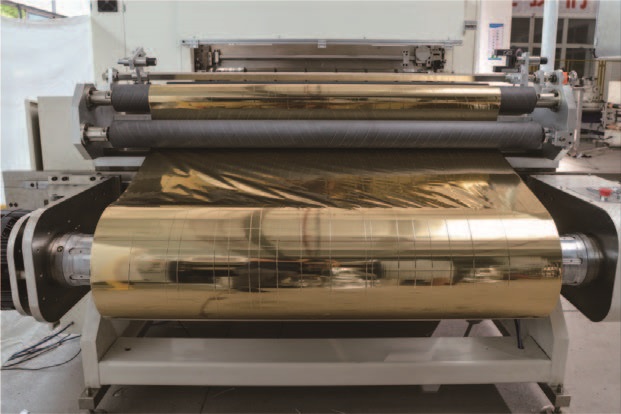
 Card Print Ribbon Rewinder
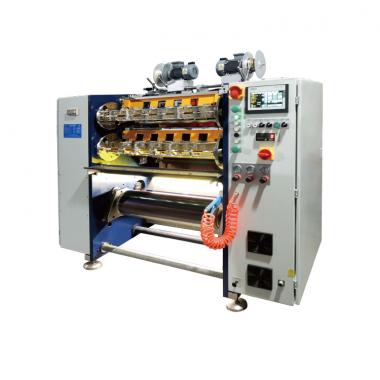 Card Print Ribbon Slitter
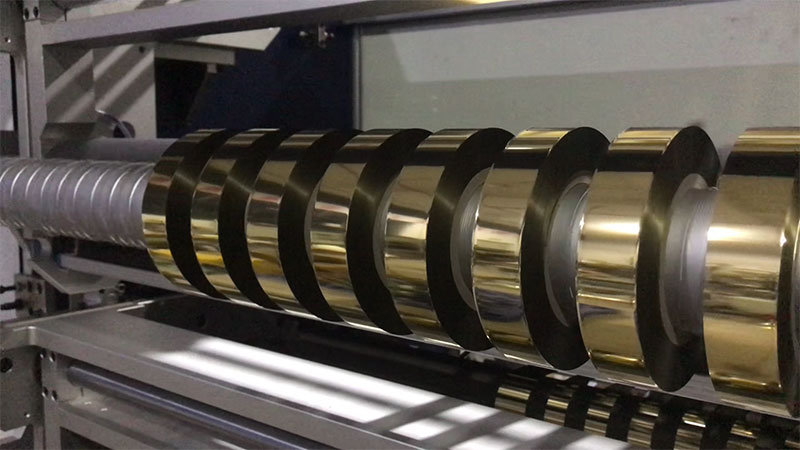 Holographic Foil Slitter
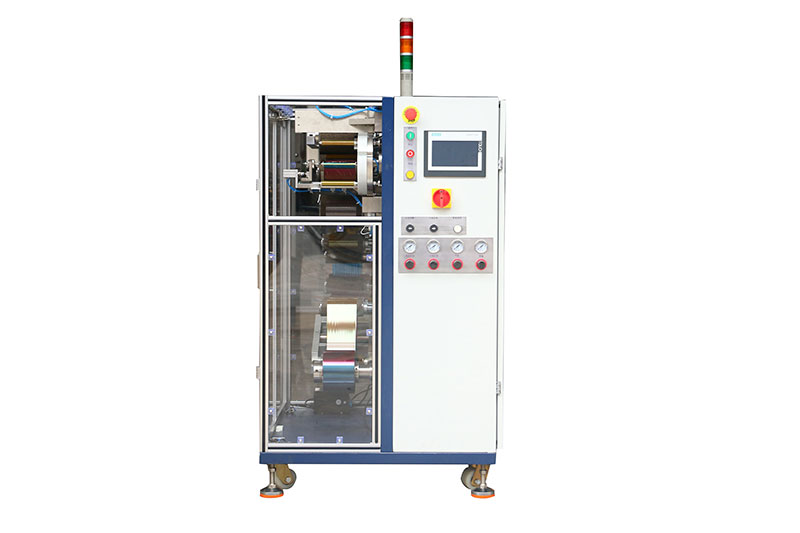
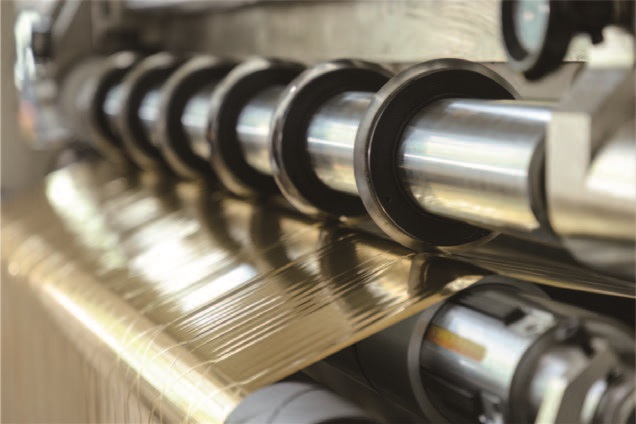 Hot Stamping Foil Slitting Machine
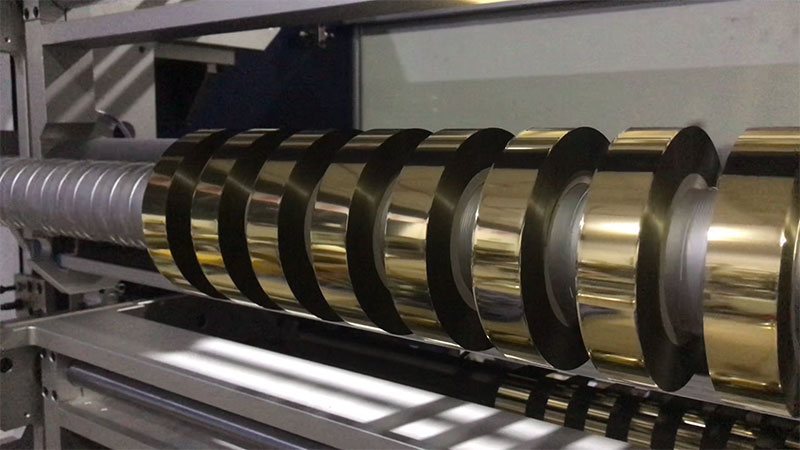 Digital Enhancement Foil Slitter
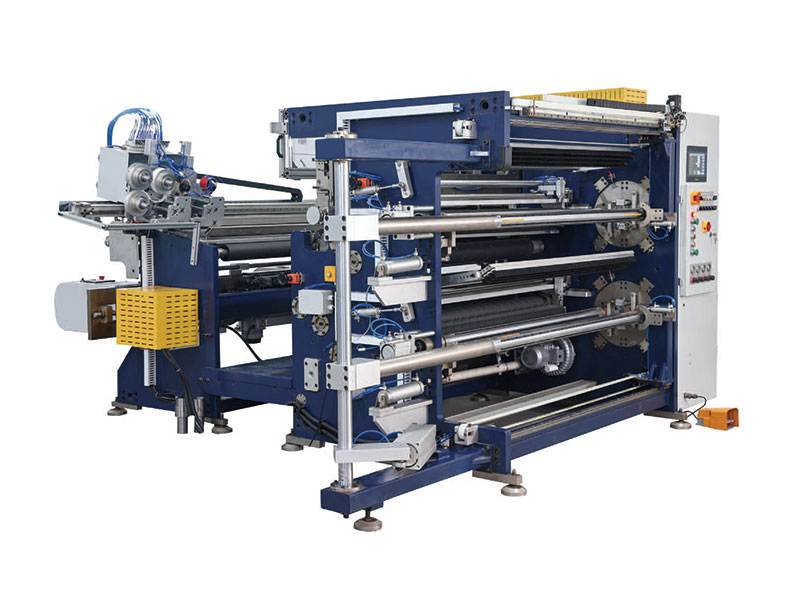 Hot Stamping Foil Slitter RSDS7H 1350 PLUS
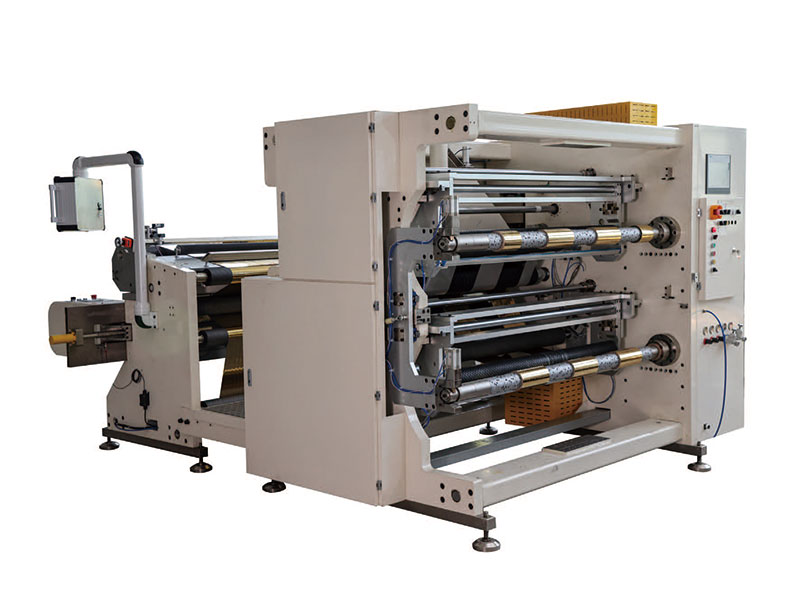 Hot Stamping Foil Slitter (RSDS7H) 1350