In modern packaging, printing, film manufacturing, and other industries, slitting and rewinding machines are key equipment that connects production with finished products. A suitable slitting and rewinding machine can not only greatly improve production efficiency, but also reduce material loss and ensure product quality. However, in the face of a wide variety of equipment on the market, how to choose the model that best matches their production needs has become a challenge for many companies. This article will provide you with a comprehensive slitting and rewinding machine selection guide to help you achieve efficient production.
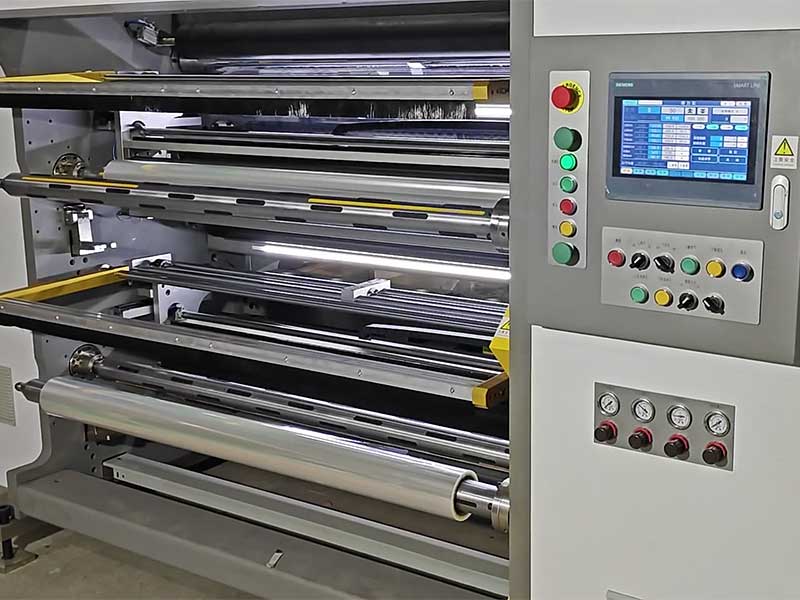
1. Understand the basic types of slitting and rewinding machines
Before selecting a model, you first need to understand the main types of slitting and rewinding machines and their characteristics:
1. Manual slitting and rewinding machine
◦ Applicable scenarios: small batches, multi-variety, experimental production or start-ups
◦ Features: Simple operation, low investment cost, but limited efficiency, relying on manual experience
2. Semi-automatic slitting and rewinding machine
◦ Applicable scenarios: small and medium-scale production, with certain requirements for precision
◦ Features: Partially automated, improving production efficiency and consistency
3. Automatic slitting and rewinding machine
◦ Applicable scenarios: Large-scale continuous production, high precision and efficiency requirements
◦ Features: Highly automated, equipped with automatic tension control, correction system, etc., with the highest efficiency
4. Special type slitting and rewinding machine
◦ Applicable scenarios: specific material processing, such as film, paper, non-woven fabrics, metal foils, etc
◦ Features: Designed for specific material properties, highly specialized
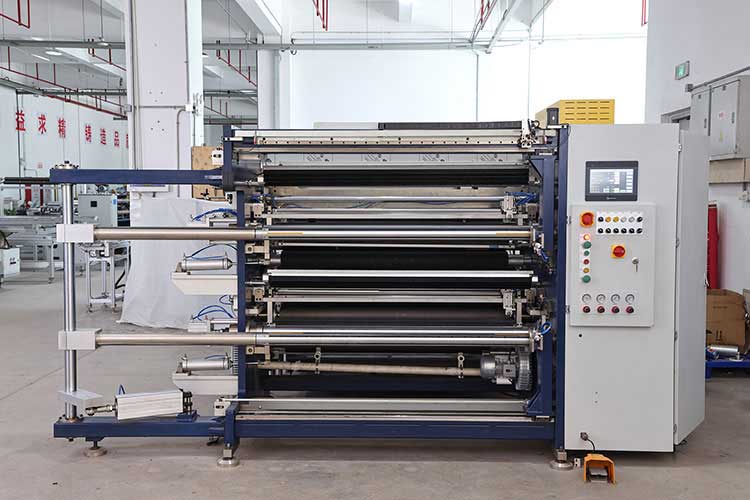
2. Key selection factors: match your production scenario
1. Material Characterization
• Material Type: Paper, Plastic Film (BOPP, PET, CPP, etc.), Non-Woven Fabric, Aluminum Foil, Composite Materials, etc
• Material Thickness: Ultra-thin materials, such as 0.01mm films, require more precise tension control
• Material properties: whether it is easy to stretch, easy to static, easy to stick, etc
• Coil specifications: maximum width, maximum diameter, core size, etc
2. Production needs assessment
• Capacity requirements: average daily/monthly output, production shift arrangement
• Slitting accuracy: Requirements for slitting width tolerances (e.g., ± 0.1mm or ±0.5mm)
• Product quality standards: end face flatness, winding tightness, no wrinkles and no bubbles, etc
• Order change frequency: The frequency of product type switching affects the requirements for machine adjustment convenience
3. Process technical parameters
• Slitting methods: razor slitting (for thinner materials), press-slitting (for thicker materials), scissor slitting (high-speed precision slitting)
• Tension control system: open-loop control, closed-loop control, selected according to material sensitivity
• Correction System: Ultrasonic, optoelectronic or CCD correction to ensure neat coil edges
• Unwinding and unwinding configuration: single or double station, affecting the efficiency and continuity of winding changes
• Maximum machine speed: matches the production rhythm of the front and back processes
4. Degree of automation and intelligence
• Automation functions: automatic tool change, automatic threading, automatic waste edge removal, automatic labeling, etc
• Data collection and monitoring: real-time production data collection, fault diagnosis, and remote monitoring capabilities
• HMI: Ease of operation, parameter setting and storage functions
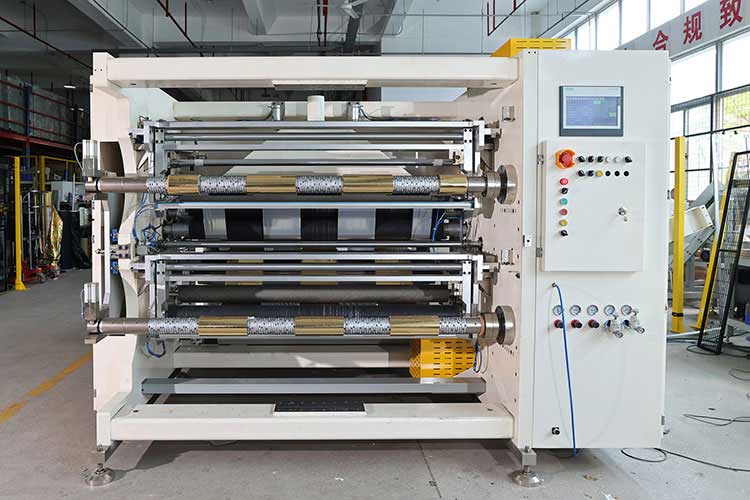
3. Key points of consideration for efficient production
1. Energy efficiency and economy
• Energy consumption assessment: Compare the power consumption of different models
• Material utilization: Examine the waste edge control capability of the equipment
• Maintenance costs: the frequency and cost of wearing parts replacement, and the complexity of daily maintenance
• Footprint: Adapts to the existing plant layout
2. Flexibility and scalability
• Specification range: Can handle a wide range of coils of various widths and diameters
• Function modularity: whether to support the addition of new function modules in the future
• Upgrade potential: Whether the software and hardware support future technology upgrades
3. Safety and environmental protection
• Safety protection: emergency braking, protective cover, safety interlock and other devices
• Noise control: Meets working environment noise standards
• Waste handling: whether there is an integrated waste collection and disposal system
4. Selection decision-making process
1. Demand analysis stage: Record the current production pain points and future development plans in detail
2. Market research stage: collect 3-5 supplier information and conduct preliminary screening
3. Technical evaluation stage: Arrange equipment demonstrations or sample trials to verify key performance
4. Comprehensive Comparison Stage: Establish a scoring matrix that comprehensively considers technical performance, price, service, and brand reputation
5. Decision-Making Implementation Phase: Develop detailed procurement contracts that clarify technical specifications, delivery times, training, and service terms
6. Installation optimization stage: professional installation and commissioning, operator training, establishment of maintenance plan
5. Future trend: intelligence and sustainable development
With the advancement of Industry 4.0, the new generation of slitting and rewinding machines is developing in the following directions:
• Predictive maintenance: Predict equipment failures in advance with IoT sensors
• Adaptive control: AI-based automatic optimization of process parameters
• Energy recovery systems: green technology applications such as brake energy recovery
• Material database: Store the optimal process parameters for different materials, reducing the adjustment time
epilogue
Choosing the right slitting rewinder is a systematic project that balances current needs with long-term development. The most advanced equipment is not necessarily the best fit, but the one that is highly compatible with your production scenario and achieves the best input-output ratio is the best choice. It is recommended that enterprises organize production, technology, procurement and other departments to participate in decision-making in the selection process, and consult industry experts or third-party consultants when necessary to ensure that the investment benefits are maximized.
Through scientific selection, a suitable slitting and rewinding machine can not only solve the current production bottleneck, but also lay a solid foundation for the development of the enterprise in the next 3-5 years, and truly achieve the goal of "matching scenarios and efficient production".
 English
 Deutsch
 Français
 Español
 Português
 日本語
日本語 русский
 한국어
한국어 عربي
عربي ภาษาไทย
 Tiếng Việt
 Italiano

 Film Slitting Machine
 Ribbon Slitting Machine
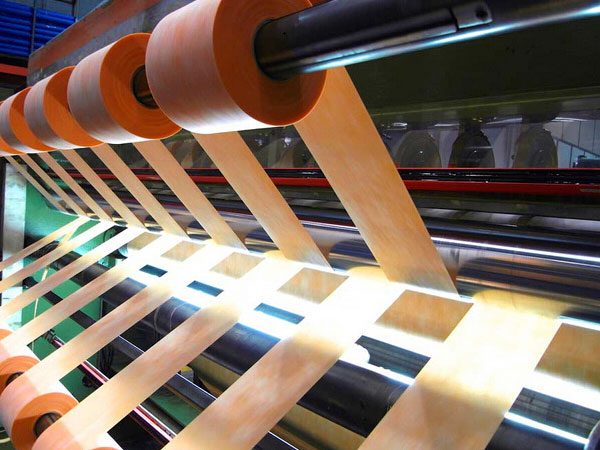 Slitter Rewinder Machine
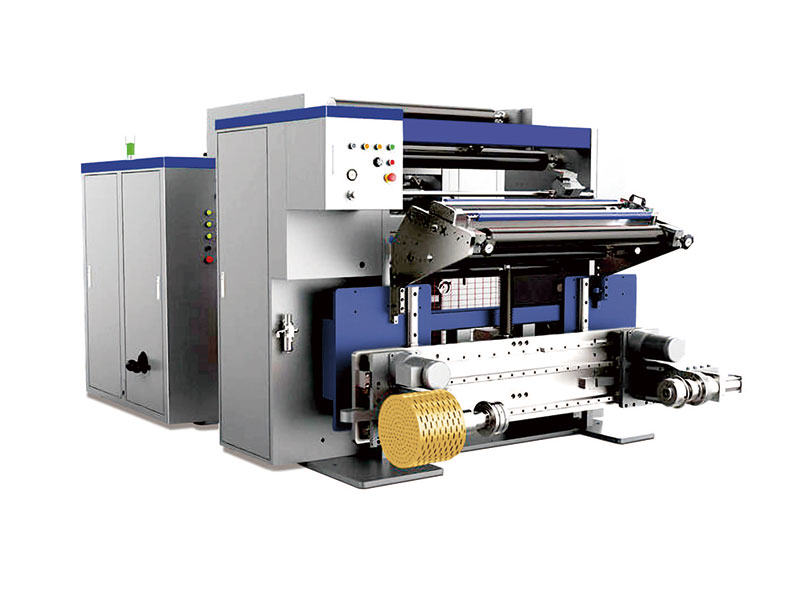 High Speed Slitting Machine
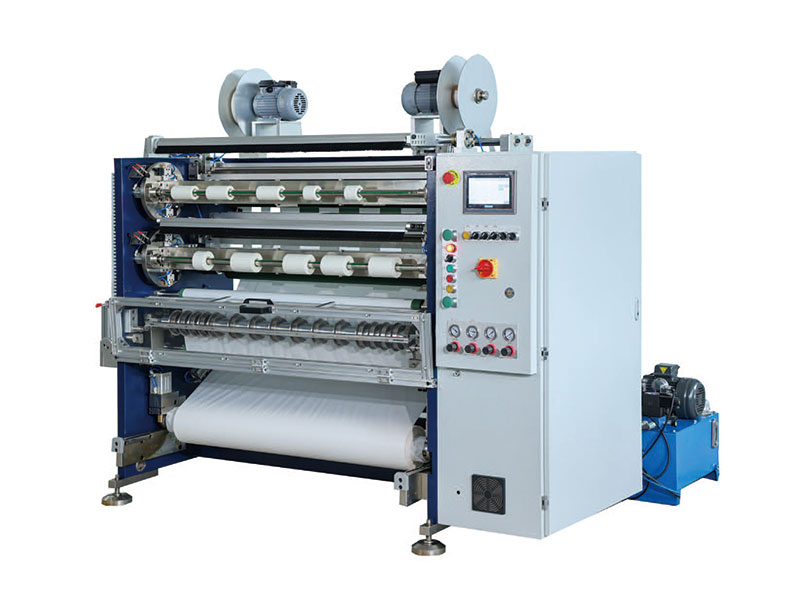 Tape Slitter
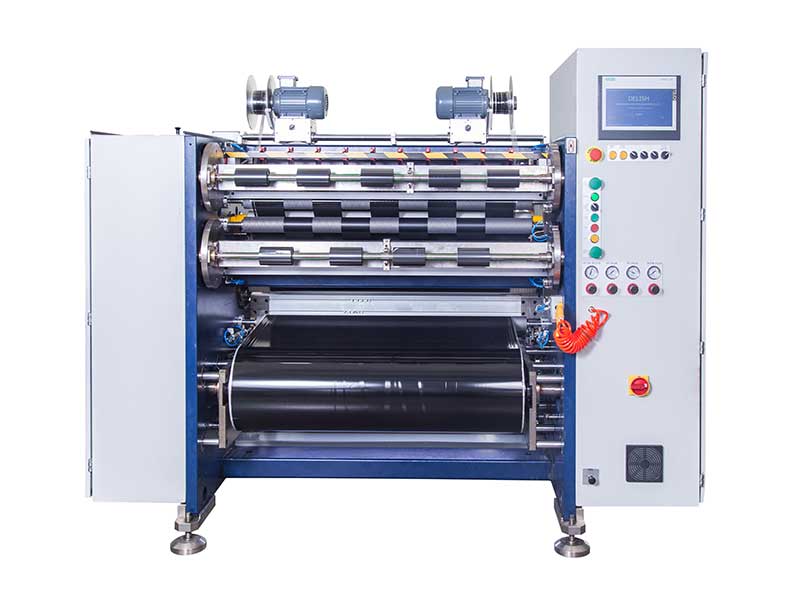 Barcode Ribbon Slitting Machine
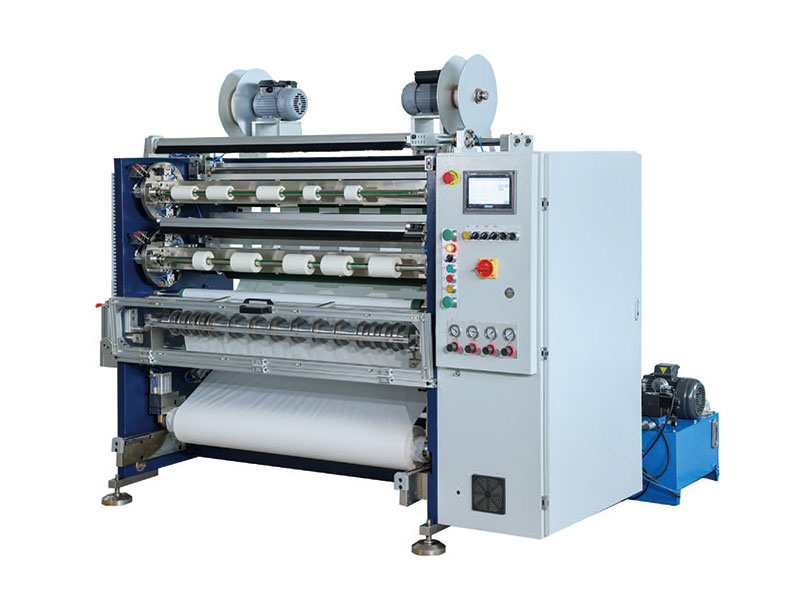 Single Side Adhesive Slitter
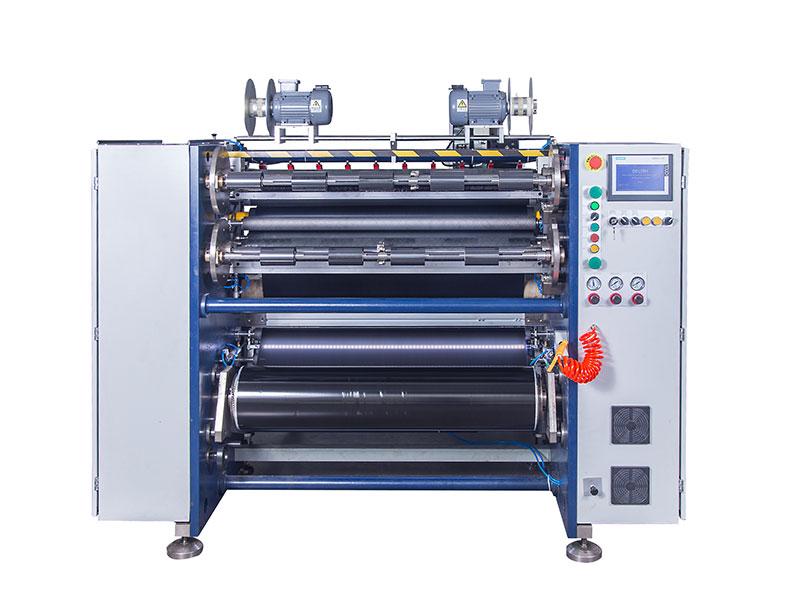
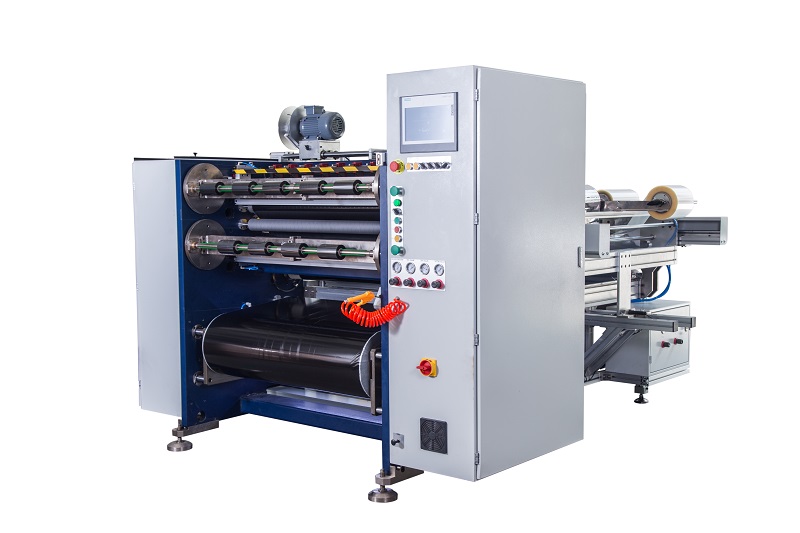 Semi Automatic Thermal Transfer Ribbon Slitter RSDS5 PLUS