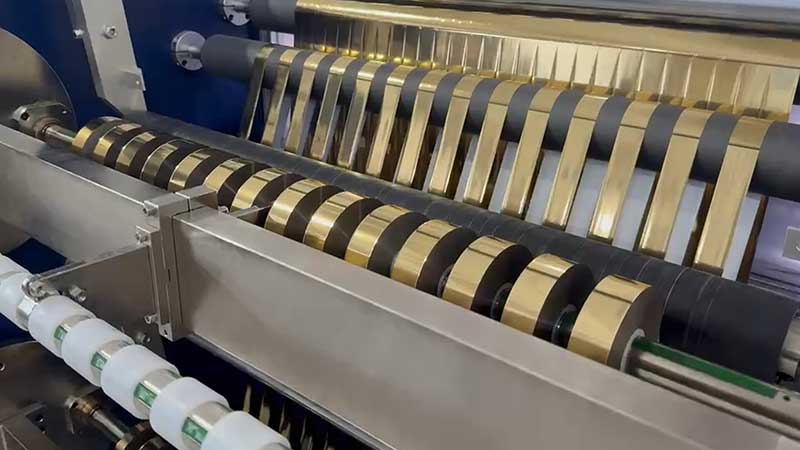
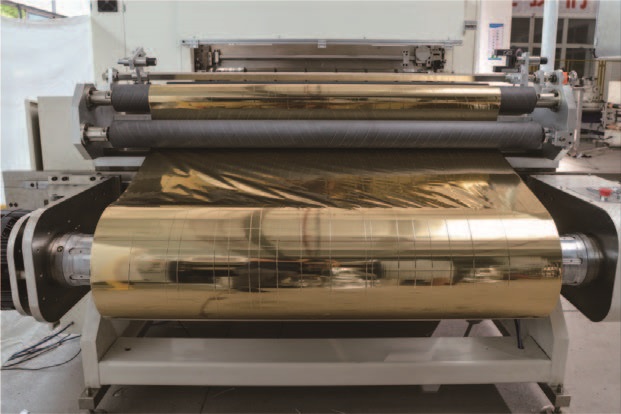
The hot stamping process gives packaging and printed products a unique metallic texture and luxurious style, and the hot stamping foil slitting machine is the core equipment ensuring the "first checkpoint" of this process. Its performance directly determines the utilization rate of the hot stamping foil, the operational efficiency of the subsequent hot stamping machine, and even the yield rate of the final product. Faced with various models on the market ranging from tens of thousands to over a million yuan, how can one select a truly value-creating device based on the three core dimensions of "precision, efficiency, and intelligence"? This article will provide you with a systematic reference for decision-making.
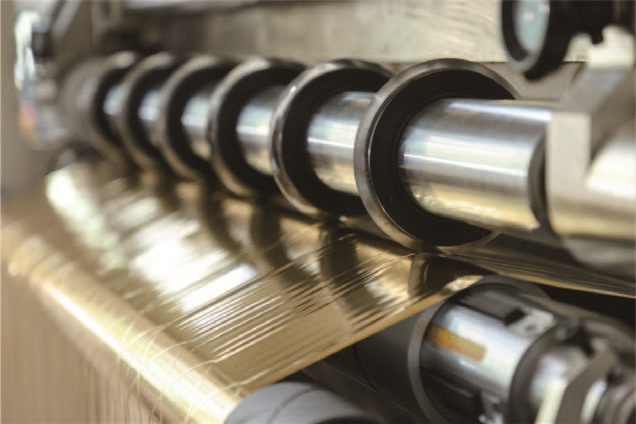
1. Precision: The cost revolution behind micron-level errors
"A tiny error can lead to a huge error" is especially evident in the cutting and splitting of the gilt foil. A 0.5mm error ± traditional slitting machines may seem minor, but it can cause difficulties in foil stamping registration, material waste, and even lead to the entire batch of high-end packaging being scrapped. The new generation of high-precision slitting machines has raised the standard to ±0.1mm and even ±0.05mm. This is not just a change in numbers, but also a direct contribution to material utilization and product pass rates.
The key to achieving high-precision slitting lies in two main systems: tension control and correction positioning.
Hot stamping foil substrates (usually PET) are extremely sensitive to tension; unstable tension can lead to stretch deformation or wrinkling. High-quality equipment commonly adopts a fully closed-loop servo tension control system, which dynamically adjusts tension throughout the entire process from unwinding to rewinding through real-time feedback from high-precision sensors, ensuring constant tension even during acceleration and deceleration. For high-end laser foil or ultra-thin materials (below 12μm), attention must also be paid to whether the equipment has taper tension technology (tension decreases as the coil diameter increases) and low-tension control modules to prevent the inner foil from being damaged.
At the same time, the correction system is the lifeline that ensures neat edges. During high-speed operation, the foil rolls are prone to wobbling; if the edges are uneven, subsequent hot stamping machines will frequently deviate. Prioritize models equipped with ultrasonic correction sensors, as their detection is unaffected by foil color or metal reflection, resulting in more accurate response. Higher-end models integrate CCD visual recognition and servo correction systems, which can automatically recognize printed edge markers to ensure the slit position perfectly matches the pattern.
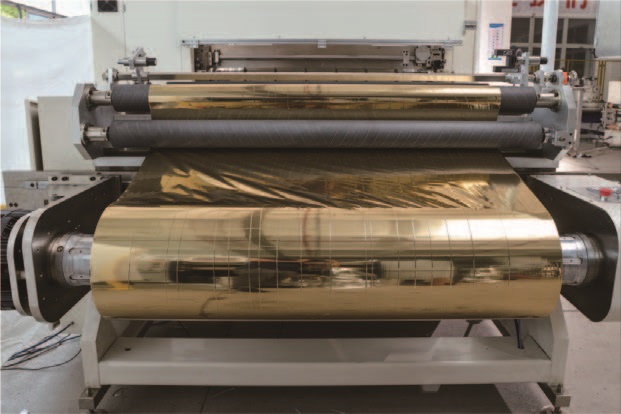
2. Efficiency: Comprehensive output improvement beyond speed
Efficiency is not just about the maximum slitting speed (usually between 200-500 meters/minute); more importantly, it focuses on effective operating time and overall output. A "high-efficiency" piece of equipment can significantly increase capacity by reducing downtime and waste.
First, the degree of automation directly determines human efficiency. Equipment equipped with automatic unloading and rapid clamping devices can significantly shorten coil and order change times. There are cases showing that the new generation of equipment has reduced order change times from 15 minutes to 3 minutes, increased slitting speed from 150 meters per minute to over 200 meters per minute, and boosted overall production capacity by 30%. At the same time, it is equipped with automatic meter counting and material shortage alarm functions, enabling one person to operate multiple machines and reducing labor costs.
Second, the loss rate is an invisible profit black hole. High-precision slitting can reduce material loss rates from over 5% to below 1% compared to traditional equipment. Some high-end models optimize slitting path algorithms, achieving material utilization rates exceeding 98%. Additionally, automatic waste removal and efficient static elimination devices are key details, preventing stamping "spots" caused by dust absorption and reducing time wasted on cleaning and rework.
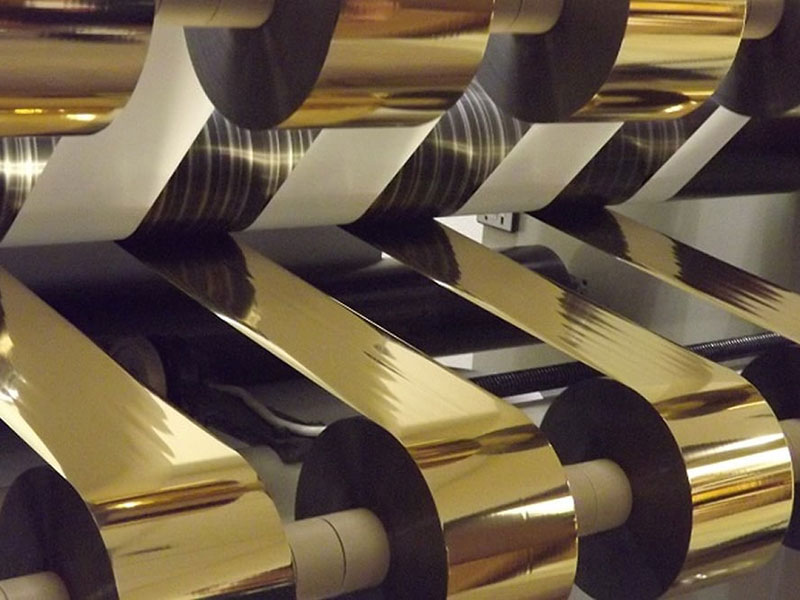
3. Intelligence: A qualitative leap from "human control" to "numerical control."
Intelligence is the soul of the new generation slitting machine, determining the device's upper limit and ease of operation. The core value of intelligence lies in reducing reliance on skilled workers and achieving data-driven production management.
Modern slitting machines are usually equipped with touch screens and PLC control systems, supporting recipe storage and one-touch recall. Slitting parameters for different products can be digitally saved, eliminating the need for repeated adjustments during order changes, and even beginners can quickly get started. Advanced features include AI visual defect detection (using deep learning to identify scratches, bubbles, and other defects, with an accuracy rate of over 99.5%), as well as IoT remote monitoring and diagnostics (real-time uploading of device status for predictive maintenance, reducing downtime by over 30%).
Purchase decision checklist
When visiting or communicating with suppliers, it's recommended to bring this checklist:
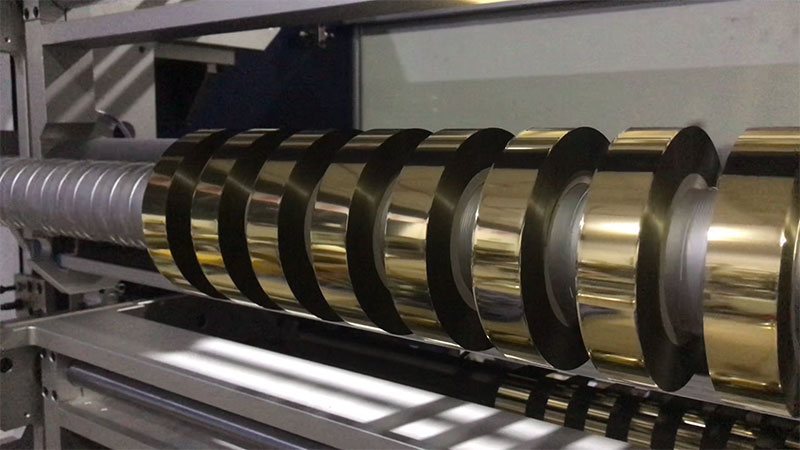
1. Sample rolls: Be sure to test cut your own main roll materials on site. Pay special attention to whether the slitting end face is as smooth as a mirror, and whether there are any embossing, scratches, or burrs.
2. Ask about configuration: Clarify the brand and specifications of core components, including tension sensors, servo motors, correction systems, and bearings (such as SKF, NSK, etc.). These factors directly determine the long-term stability of the equipment.
3. Evaluate the machine body: Prioritize the integrated casting body, which has better rigidity and shock resistance than ordinary steel plate welded bodies, and is the physical basis for ensuring accuracy at high speeds.
4. Calculate the total score: Don't just compare bare metal prices. Taking into account the impact of the equipment on material savings, labor costs, and energy consumption (some models feature regenerative braking energy-saving designs), the overall return on investment is calculated. Typically, the payback period for high-quality equipment is 1-3 years.
Ultimately, the most suitable equipment is not the one with the most features or the most expensive, but a partner within your budget that best matches your main production materials and precision requirements, and has a reliable service system. Choosing equipment with intelligent capabilities with a proactive approach will provide a solid guarantee for your production competitiveness over the next 3-5 years.
 English
 Deutsch
 Français
 Español
 Português
 日本語
日本語 русский
 한국어
한국어 عربي
عربي ภาษาไทย
 Tiếng Việt
 Italiano
 Cold Foil Slitter
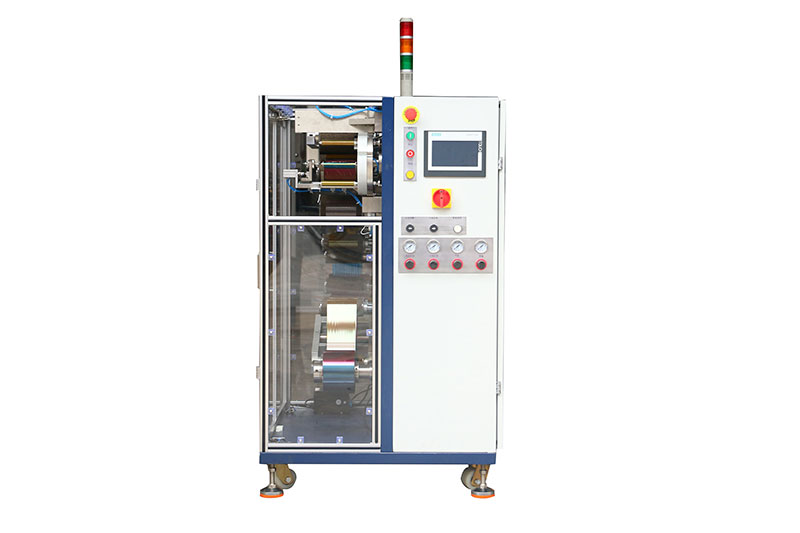 Card Print Ribbon Rewinder
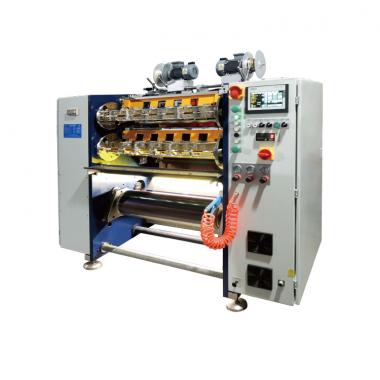 Card Print Ribbon Slitter
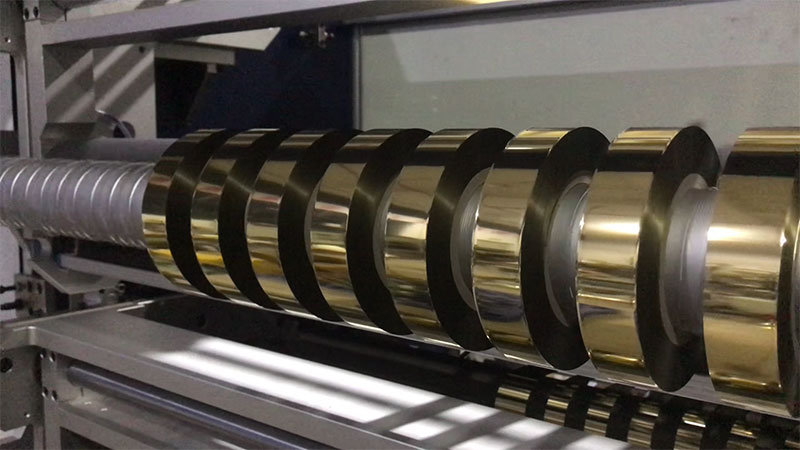 Holographic Foil Slitter
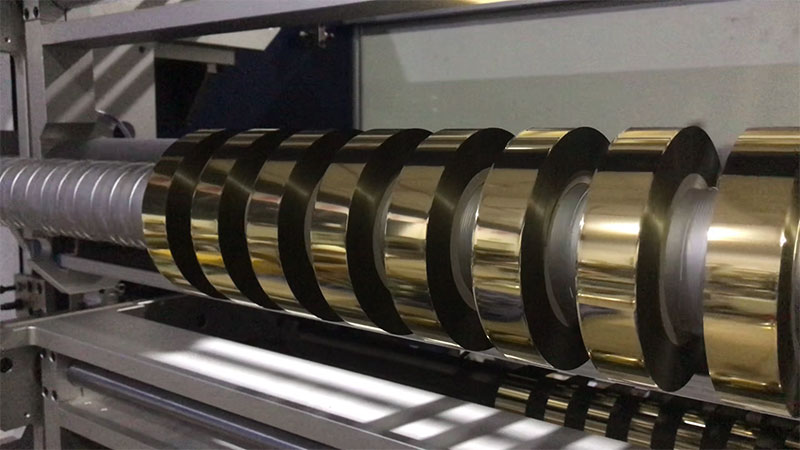
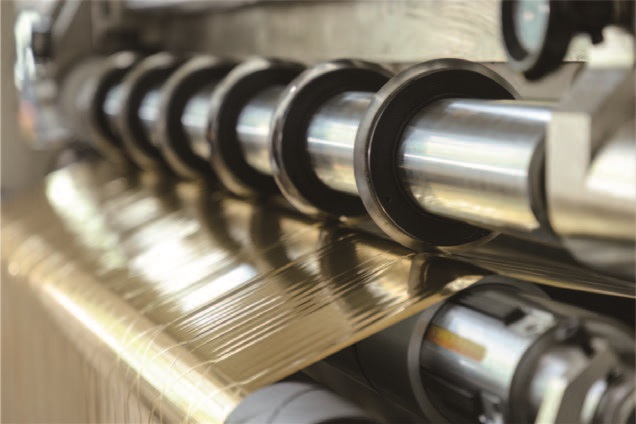 Hot Stamping Foil Slitting Machine
 Digital Enhancement Foil Slitter
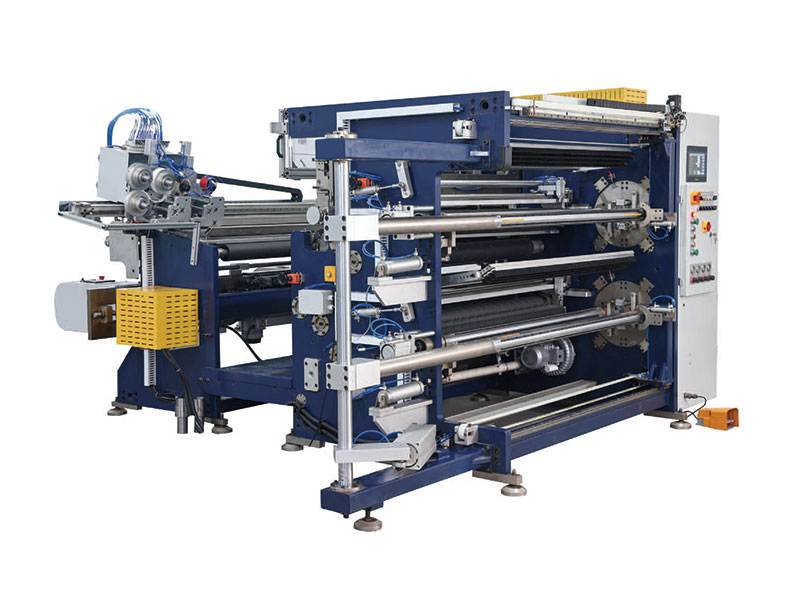 Hot Stamping Foil Slitter RSDS7H 1350 PLUS
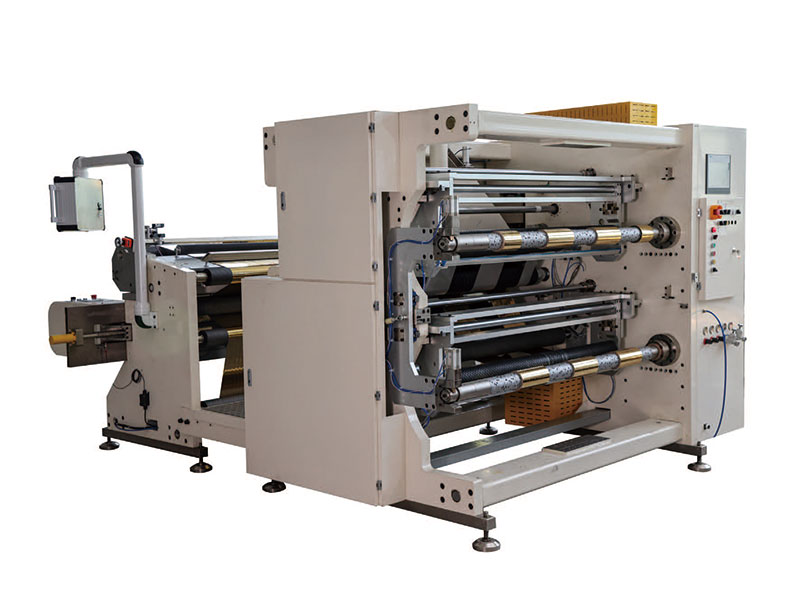 Hot Stamping Foil Slitter (RSDS7H) 1350