In the film processing industry, slitting is a key factor in determining the quality of the final product. Choosing the right slitting machine not only improves yield but also directly impacts production efficiency and material costs. However, faced with the dazzling array of models and technical specifications on the market, how to accurately match their needs is a challenge many buyers face. DELISH will start from the core parameters and combine the needs of different industries to provide a practical selection guide.
1. Core Selection Dimensions
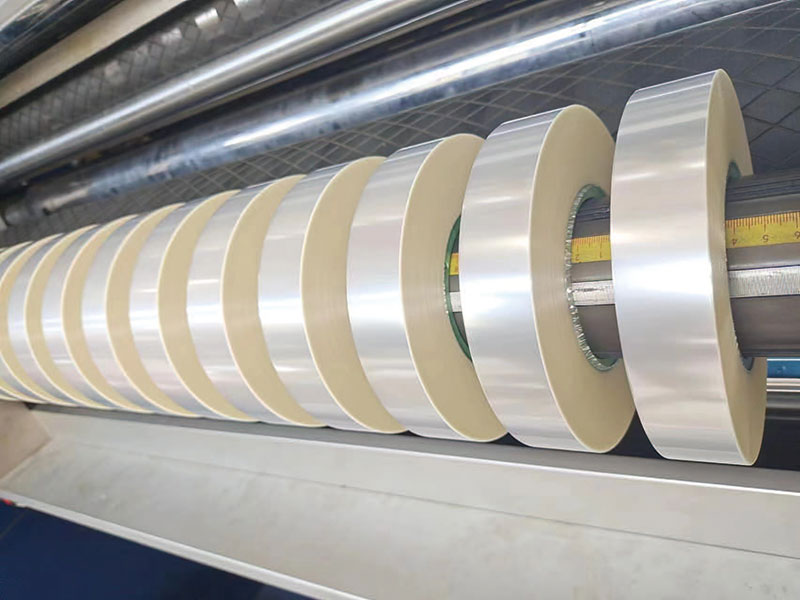
Before selecting a model, you first need to clarify your production needs. The following five dimensions are key to determining device compatibility:
1. Characteristics of film materials: Material (BOPP, PET, PE, PI, etc.), thickness (ultra-thin 2μm to thick film 150μm), ductility, and whether there is a coating/metallization directly affect tension control and tool configuration.
2. Slitting accuracy requirements: Standard packaging film requires ±0.1mm, while high-frequency/high-voltage capacitor films or electronic materials may require ± within 0.02mm.
3. Capacity and efficiency: Slitting speeds range from 50m/min at low speeds to 800m/min at high speeds, requiring matching current business volume and a certain margin.
4. Winding quality: Pay attention to whether the winding end face is neat, whether the tightness is appropriate, and whether there are any defects such as chrysanthemum patterns or bottom wrinkles.
5. Special process requirements: such as dust-free environments, static elimination, and anti-oxidation protection (such as nitrogen protection winding).
2. Key Parameter Comparison Table
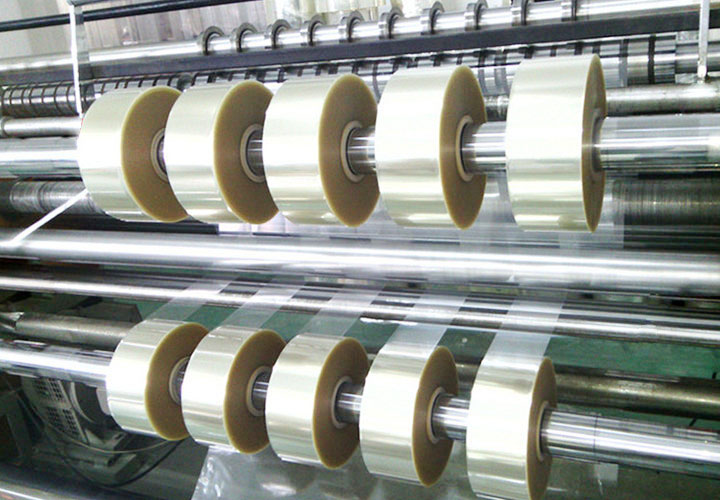
The table below summarizes the hard indicators and technical interpretations to focus on during model selection, for direct comparison and reference.
| Parameter categories | Key indicators | Technical interpretation and selection recommendations |
| Slitting width | Maximum/Minimum slitting width | The maximum width of the equipment should be slightly larger than the width of commonly used raw materials. Narrow slitting (50-500mm) requires high rail rigidity, while wide (500-3000mm+) requires ensuring the accuracy of the centering system. |
| Slitting speed | Maximum mechanical speed / stable production speed | Standard materials (such as BOPP) can reach speeds of 200-500m/min, while high-speed machines can reach over 800m/min. It is recommended to choose models with speeds 20% higher than current demand, leaving room for future flexibility. |
| Tension control | Control methods and precision | Soul parameters. Magnetic powder brakes/clutches are low in cost and only suitable for low-speed scenarios; The servo tension system achieves an accuracy of up to ±0.1N, meeting the requirements for high-speed, high-tension consistency, making it a must-have choice for high value-added films. |
| Slitting method | Tool type | Round cutter cutting: widely applicable, excellent edge trimming quality, suitable for hard films such as PET; Razor slitting: suitable for thin, easily extensible materials (such as CPP); Laser/Ultrasonic: Used in high-end scenarios such as PI membranes and anti-delamination. |
| Ability to collect and unroll volumes | Maximum unwinding/rewinding diameter and paper core specifications | The raw material must match the roll size. Common unwinding diameter is Φ800mm, winding diameter is Φ450mm. The paper core is usually 3 inches or 6 inches and must be confirmed to be compatible with existing production lines. |
| Correction accuracy | Correction of deviation errors | Standard models ≤± 1mm, while high-precision models require a CCD visual edge alignment system, with an accuracy of up to ≤±0.3mm to ensure slitting straightness. |
| Degree of automation | Automatic roll reeling, online inspection, MES interface | Reduce dependence on manual labor and improve efficiency. 40% of newly added equipment is equipped with automatic recoil rewinding, and energy-saving servo systems can save 30% of electricity. |
3. Focus Points for Selecting Models in Different Industries
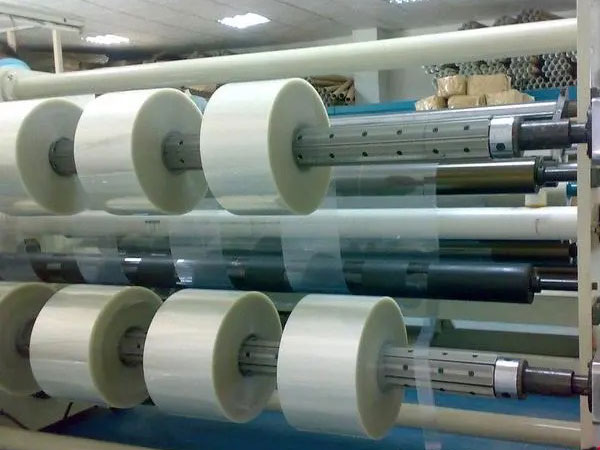
Different application scenarios have completely different equipment focuses. Here are typical industry selection recommendations:
• Flexible packaging industry: Focuses on wide-width models (500-3000mm) and high-speed slitting, usually equipped with automatic waste edge recycling systems, which are more cost-sensitive.
• Electronic materials and optical films: Precision and cleanliness are the top priorities. Dust-free environment design, high-precision static eliminators, and CCD online defect detection are required.
• New Energy (lithium battery separators): Emphasizes low-tension control to prevent separator stretching, deformation, or damage; tension fluctuations must be kept within a minimal range. Metallized films also need anti-oxidation winding functions.
• Capacitor film: extremely high precision requirements (±0.02mm). The ultra-thin type (≤2μm) requires ultrasonic slitting to prevent delamination, while the thick type (15-30μm) requires a heavy-duty frame and a powerful winding system.
4. Practical recommendations for model selection
1. Always conduct "trial cutting" verification: Before making a final decision, perform trial cutting on the target equipment with actual materials, focusing on end-face flatness, winding stability, and dimensional tolerances. This is the most effective way to avoid risks.
2. Evaluate long-term investment returns: Don't just look at purchase costs; compare energy consumption (energy-saving models can save 30%), tool life, maintenance costs, and the overall benefits from improved yield rates.
3. Assess supplier support capabilities: Prioritize localized technical teams that can provide process commissioning services and respond quickly, which is especially important for special material slitting.
In summary, choosing a film slitting machine is a "tailor-made" process. Clarifying your material characteristics, precision requirements, and capacity targets, and then screening against key technical parameters is the key to making precise and forward-looking decisions.
 English
 Deutsch
 Français
 Español
 Português
 日本語
日本語 русский
 한국어
한국어 عربي
عربي ภาษาไทย
 Tiếng Việt
 Italiano
 Ribbon Slitting Machine
 Slitter Rewinder Machine
 Tape Slitter
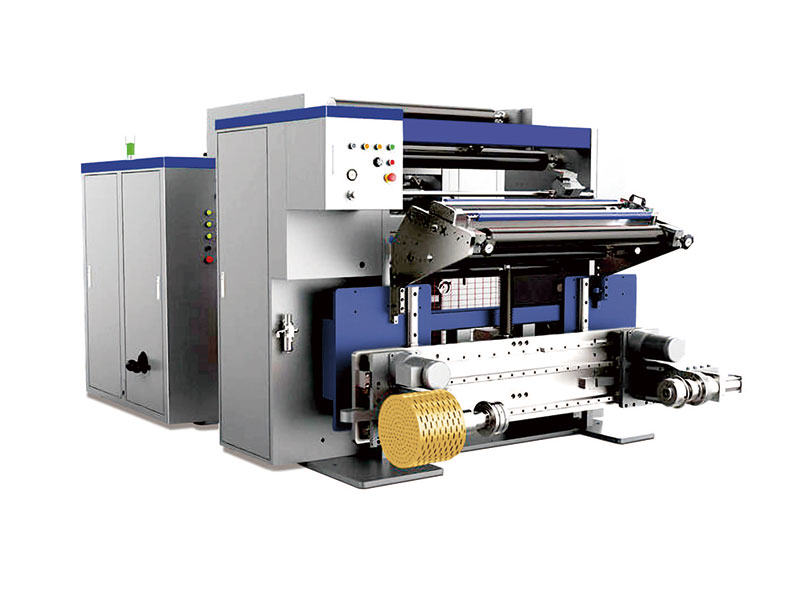 High Speed Slitting Machine
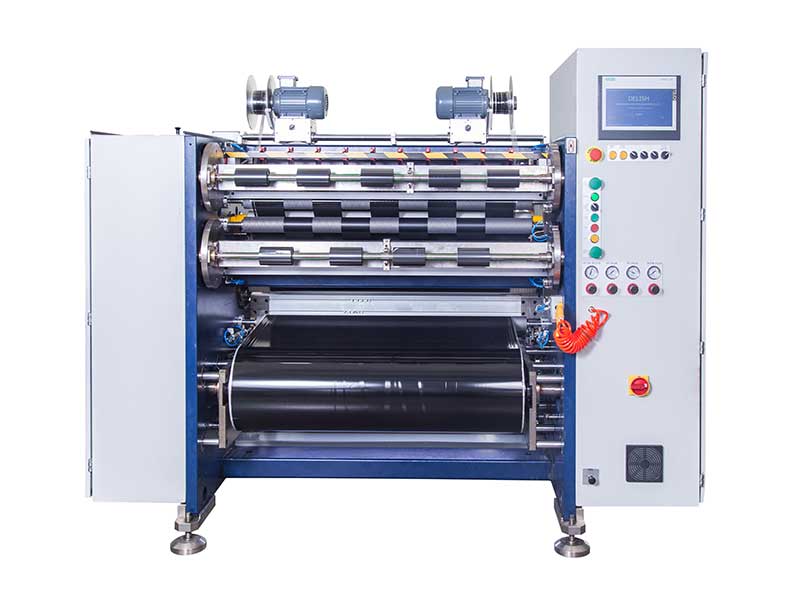 Barcode Ribbon Slitting Machine
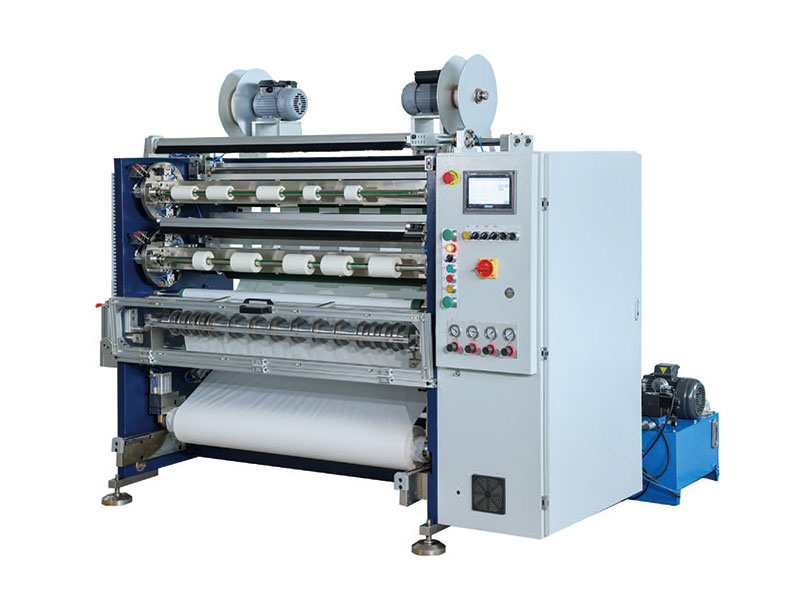 Single Side Adhesive Slitter
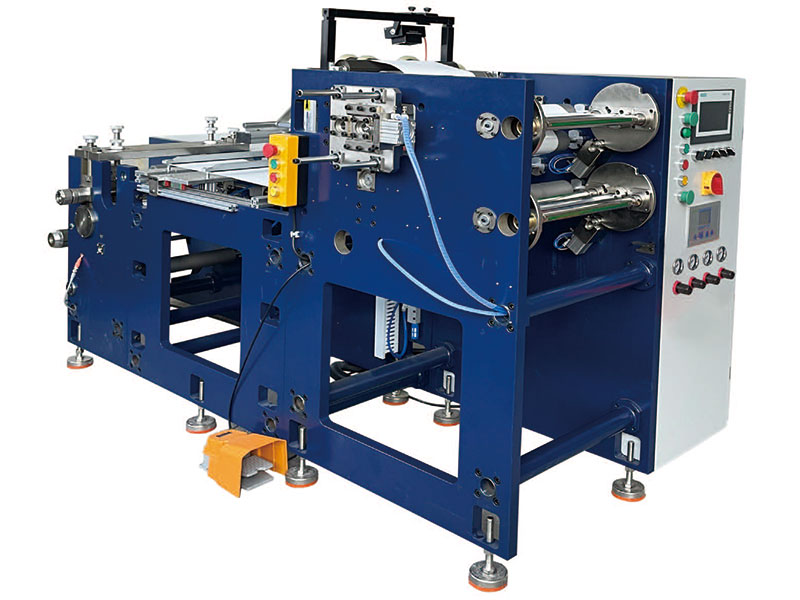 Label Slitter