As an important means to enhance the added value of products in the packaging and printing industry, the quality of the foil stamping process directly affects the visual effect and brand value of the final product. In the production process of hot stamping foil, the slitting process is one of the key processes that determine product quality. However, the problem of burrs and wrinkles has long plagued hot stamping foil manufacturers, not only causing material waste, but also affecting the subsequent hot stamping effect. This article will provide an in-depth analysis of the causes of these two problems and systematically explore solutions.
1. Problem appearance and impact
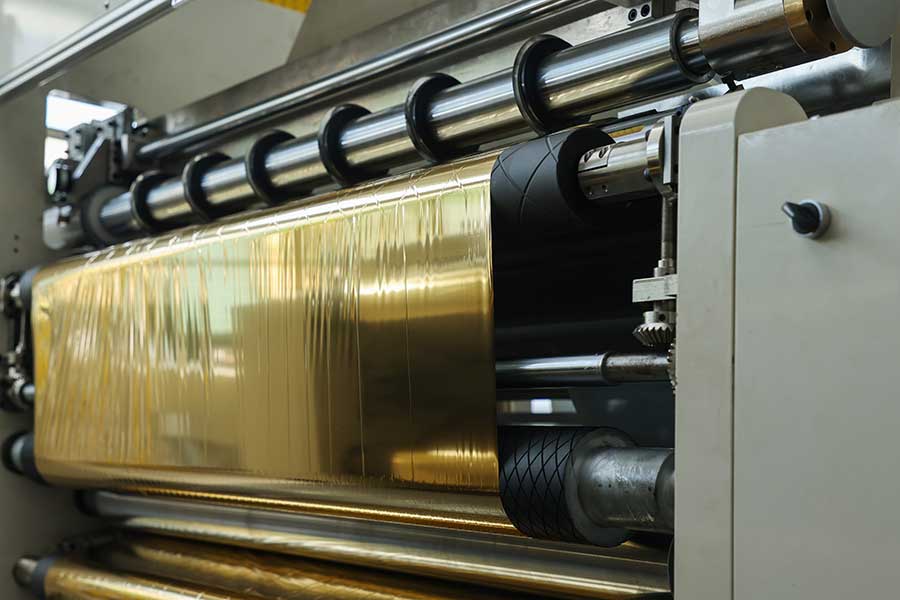
Burrs appear as irregular fibrous protrusions or fine cracks on the edges of the hot stamping foil slitting, which can cause the edge powder to fall off in severe cases. The folds are reflected in the wavy undulations or partial folding marks on the foil surface after slitting. These two types of defects not only affect the appearance of the product, but also cause serious consequences such as inaccurate positioning, incomplete transfer, and even damage to the hot stamping plate during hot stamping.
2. Analysis of the causes of burr problems
1. Tool factor
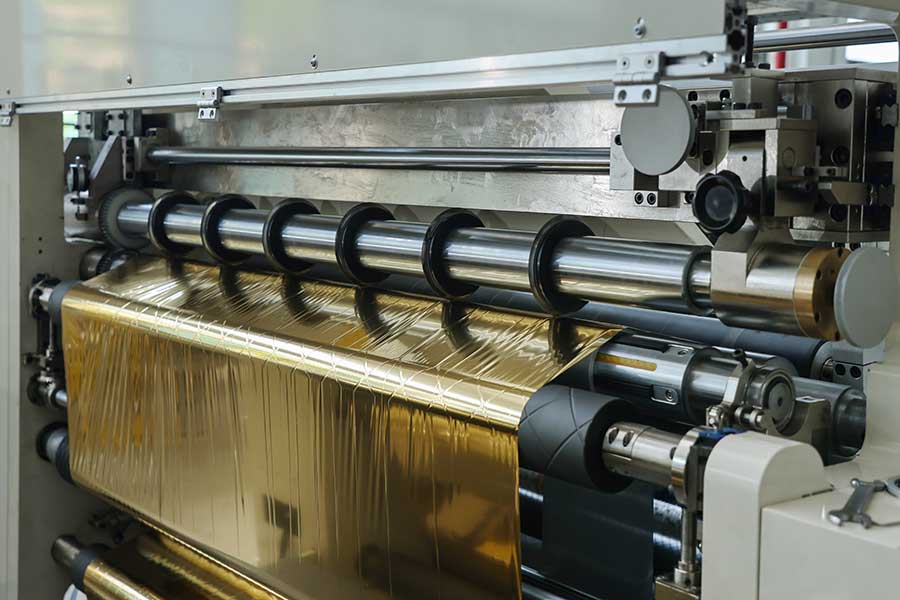
The sharpness, angle and wear state of the slitting tool directly affect the quality of the cut. When the tool is passivated, the shear force increases, causing the hot stamping foil coating to tear from the base film layer instead of cutting it neatly, forming burrs. When the blade angle is unreasonable, the lateral force generated during the shearing process can break the interlayer bond of the material.
2. Material properties
Hot stamping foil is composed of multiple layers such as base film layer, release layer, coloring layer, aluminum plating layer and adhesive layer, and the strength between each layer varies greatly. If the interlayer bonding force of the material itself is insufficient, or the brittleness of the coating is too high, it is very easy to have interlayer separation burrs during slitting.
3. Process parameters
Factors such as fast slitting speed, improper tension control, and mismatch of tool pressing force will exacerbate the generation of burrs. Especially when slitting thin hot stamping foil at high speed, dynamic stability is extremely demanding.
3. Analysis of the causes of wrinkle problems
1. Tension control
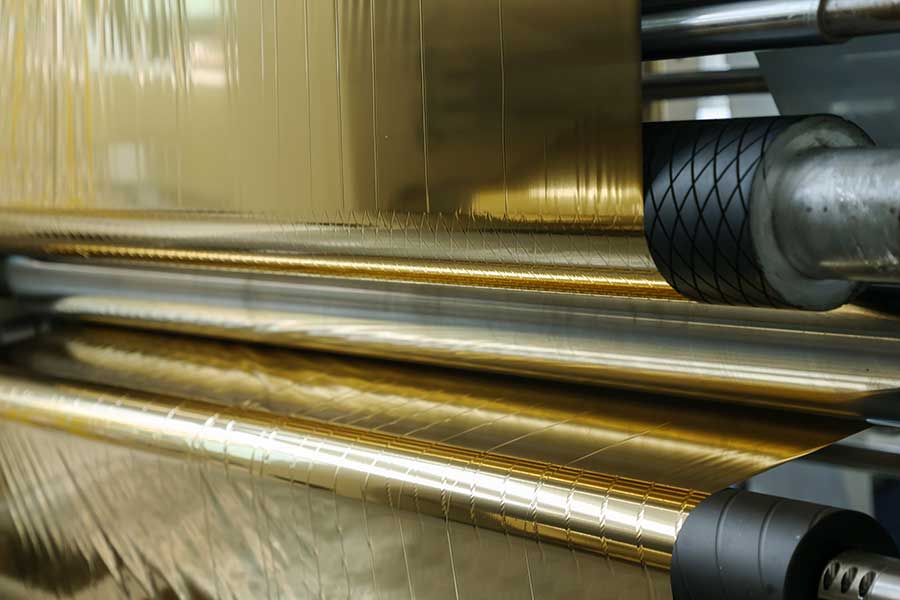
The tension matching of each section of unwinding, traction and winding is crucial in the slitting process. If the tension is too small, the material will loosen and deviate; if the tension is too large, the material will be stretched and deformed; if the tension fluctuates violently, it will directly lead to the formation of folds. When the winding tension is uneven, the difference in tension between the core and the hem will cause local wrinkling.
2. Rolling and correcting
The parallelism, surface state, and uneven pressure distribution of the winding roller will cause the lateral force difference on the foil surface. If the automatic correction system does not respond in time or the accuracy is insufficient, repeated friction of the edge of the material will also induce wrinkles.
3. Environmental factors
Temperature and humidity changes affect the dimensional stability of hot stamping foil. In high temperature and high humidity environment, the base film absorbs moisture and expands, and then shrinks after drying.
4. Systematic solutions
(1) Optimization of tool system
1. Choose high-quality slitting blades: Use carbide circular knives with high hardness and wear resistance to ensure accurate blade angles (usually 30°-45°), and choose the appropriate knife type according to the thickness and structure of the hot stamping foil.
2. Establish tool management specifications: Establish a clear tool replacement cycle and establish a tool usage ledger to avoid continuous problems caused by tool passivation. An online blade detection device can be used to monitor the tool status in real time.
3. Optimize tool pressure and tool accuracy: Accurately adjust the bite amount and lateral pressure of the upper and lower knives to ensure that the shear force is evenly distributed across the cutting line. The fine-tuning mechanism is used to control the knife pressure in the optimal range between the breaking strength of the material and the bonding strength between the layers.
(2) Upgrade of tension control system
1. Independent control of segmented tension: the unwinding section, traction section, and winding section are respectively set up with closed-loop tension control, and the servo motor is used with tension sensor to achieve precise tension adjustment and real-time compensation.
2. Establish a tension curve database: test and record the optimal tension parameters for hot stamping foil of different specifications and materials, form a process parameter library, and realize automatic matching of parameters during quick order change.
3. Use taper tension winding: As the winding diameter increases, the winding tension is automatically reduced to avoid the core being too tight and the outer layer is too loose, ensuring that the tension of the whole coil is uniform.
(3) Equipment accuracy guarantee
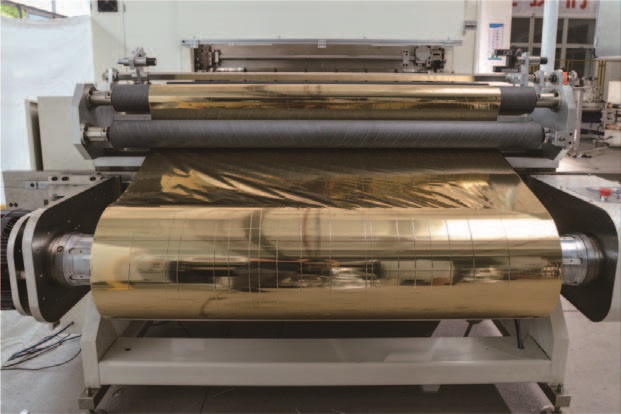
1. Roll system accuracy calibration: Regularly check the parallelism, circular runout and surface roughness of each guide roller and pressure roller to ensure that the roll surface is flat and rotates flexibly. For key roll groups, active drive is used to reduce material sliding friction.
2. Optimization of the correction system: Select high-sensitivity ultrasonic or photoelectric correction sensors to improve the response speed and accuracy, and control the correction error within ±0.5mm.
3. Static Elimination Device: Static electricity is easy to generate during the slitting process of hot stamping foil, resulting in material adsorption, repulsion, and wrinkles. Install static elimination rods at key locations to reduce static interference.
(4) Matching materials and processes
1. Incoming material inspection: Establish inspection standards for hot stamping foil incoming materials, focusing on testing interlayer bonding, coating flexibility, thickness uniformity and other indicators, and control the quality of materials from the source.
2. Optimization of process parameters: The experimental design method is used to systematically study the influence of slitting speed, knife pressure, tension and other parameters on burrs and folds, and determine the optimal process window.
3. Environmental control: Control the temperature and humidity of the slitting workshop within a reasonable range (normal temperature 20-25°C, humidity 45%-65%), and install a constant temperature and humidity system if necessary to reduce the interference of environmental factors.
5. Quality inspection and continuous improvement
Establish a complete online testing and offline sampling mechanism. Install a visual inspection system online to identify burrs and fold defects in real time and record alarms. Offline microscopic inspection and foil stamping test verification according to sampling standards. Regularly hold quality analysis meetings, use statistical process control methods to analyze defect trends, and promote continuous improvement.
Epilogue
The problem of burrs and wrinkles in hot foil slitting is a systematic project involving tools, equipment, materials and processes. Through the refined management of the tool system, the technical upgrade of tension control, the guarantee of equipment accuracy and the scientific optimization of process parameters, the enterprise is fully capable of controlling these two types of defects within an acceptable range. In the context of the development of the hot stamping foil industry in the direction of thinner, wider and more high-end, the improvement of slitting accuracy will become an important support for enterprises to build core competitiveness. Only by achieving the ultimate slitting quality of each roll of hot stamping foil can we provide downstream customers with stable and reliable hot stamping materials and win a place in the fierce market competition.
 English
 Deutsch
 Français
 Español
 Português
 日本語
日本語 русский
 한국어
한국어 عربي
عربي ภาษาไทย
 Tiếng Việt
 Italiano
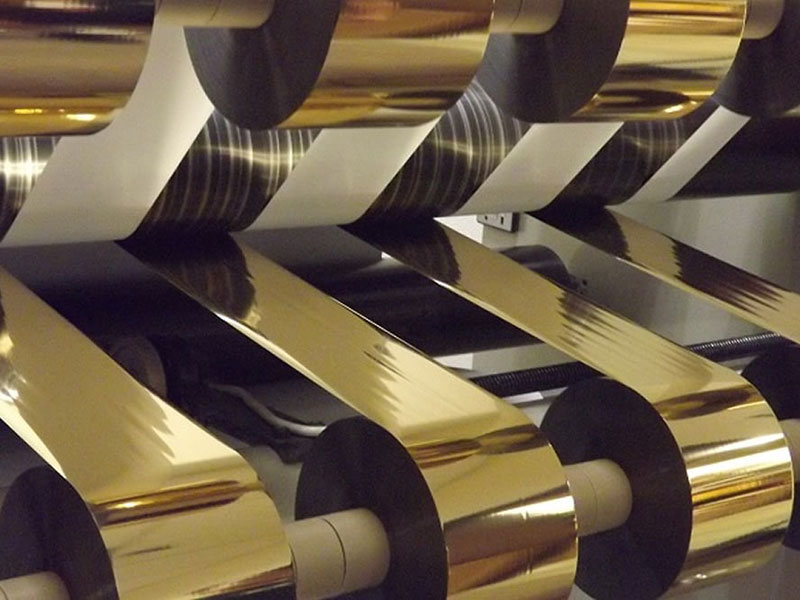 Cold Foil Slitter
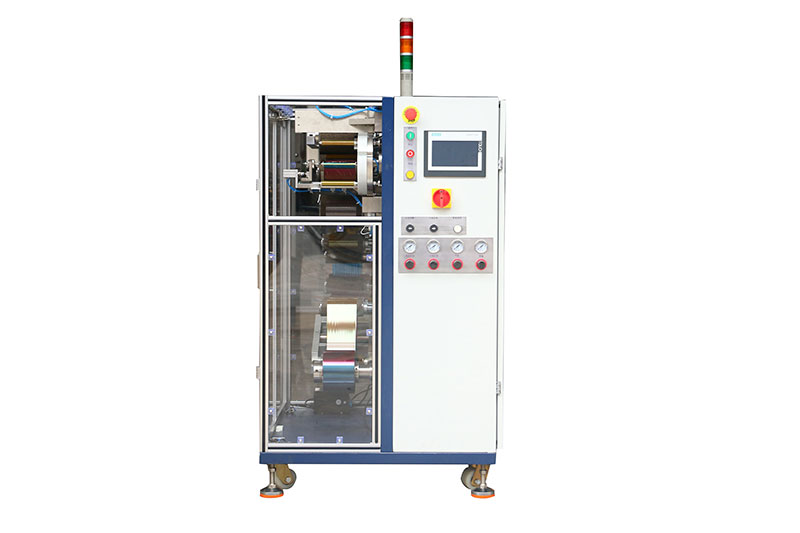 Card Print Ribbon Rewinder
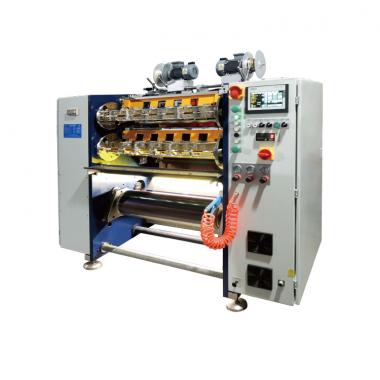 Card Print Ribbon Slitter
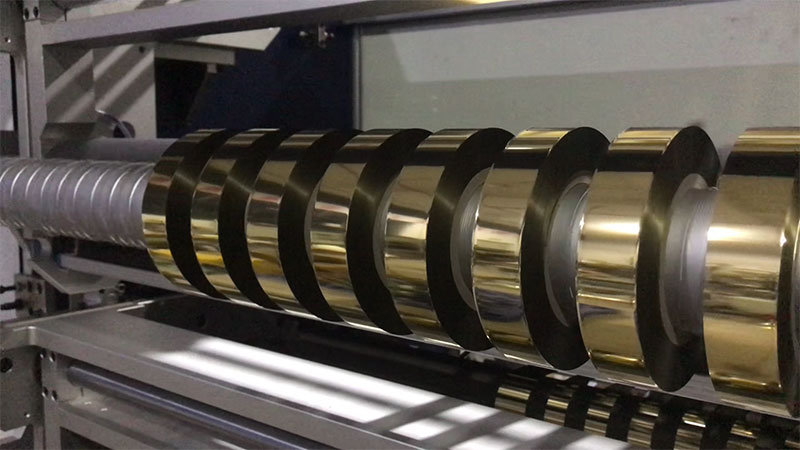 Holographic Foil Slitter
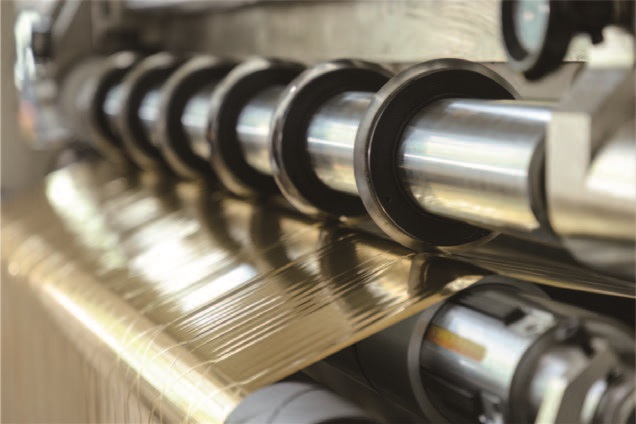 Hot Stamping Foil Slitting Machine
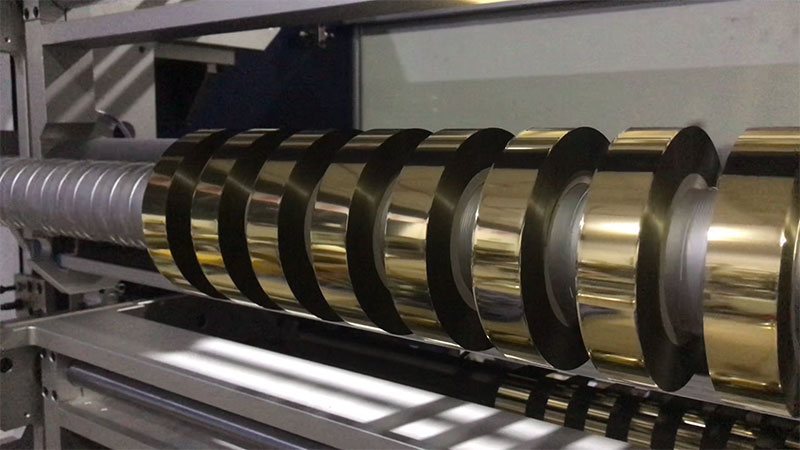 Digital Enhancement Foil Slitter
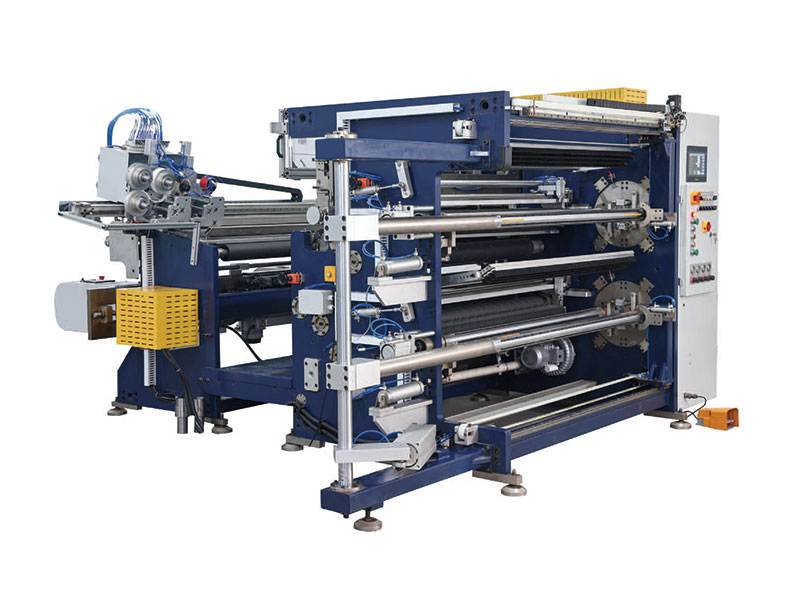 Hot Stamping Foil Slitter RSDS7H 1350 PLUS
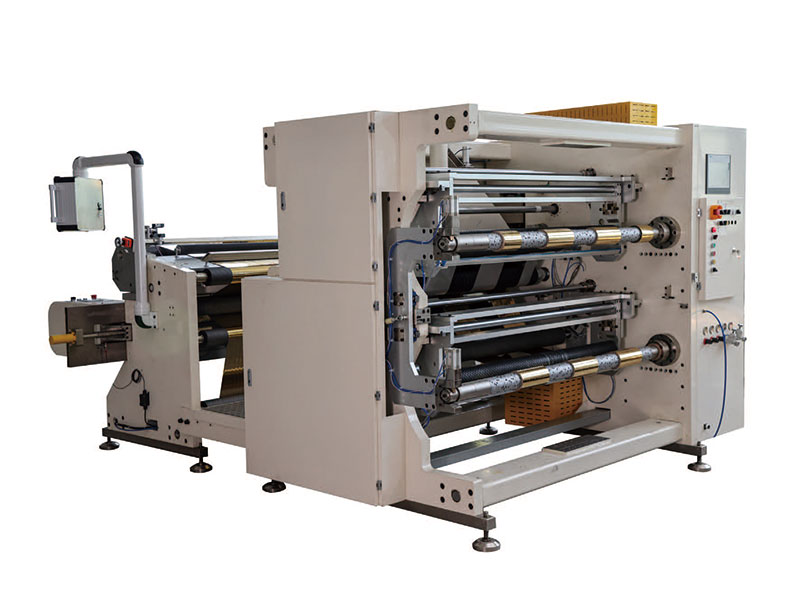 Hot Stamping Foil Slitter (RSDS7H) 1350