As a key equipment for post-press processing, hot stamping film slitting machines are widely used in packaging, labeling, gifts and other industries. Mastering its operational skills can not only improve production efficiency, but also ensure stable product quality. This article will systematically introduce a comprehensive guide from basic operations to advanced techniques to help you become an expert in the field of hot stamping film slitting.
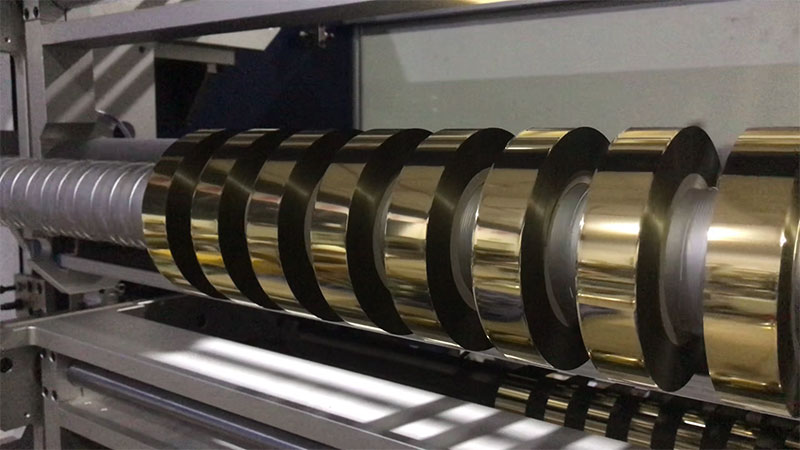
Part 1: Getting Started • Understanding Equipment and Safety Preparation
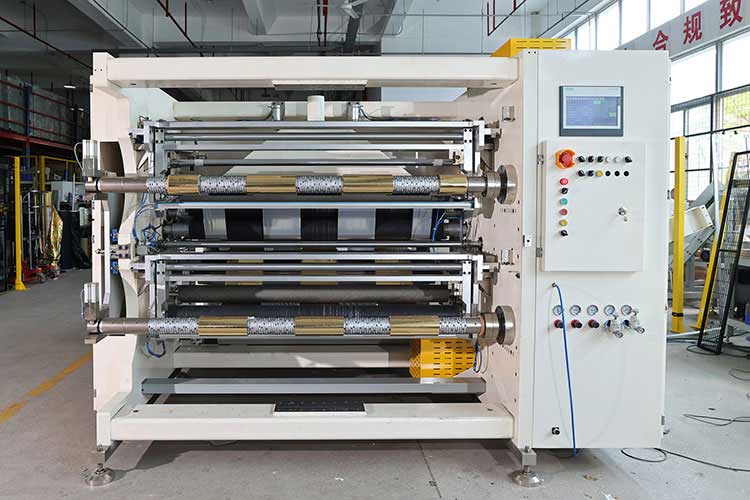
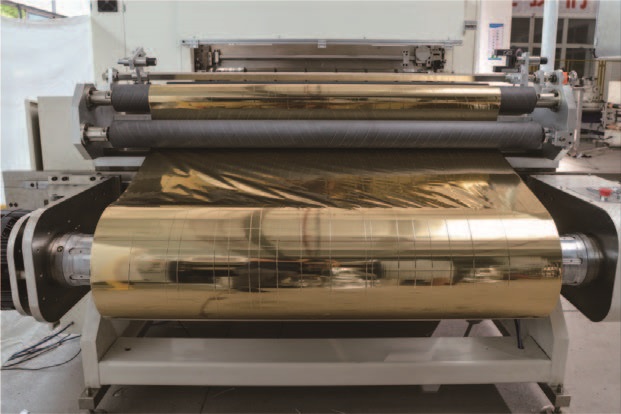
1.1 Equipment structure and core components
• Unwinding system: carries the raw material roll, equipped with a tension control device
• Correction System: Ensures material edge alignment, reducing waste
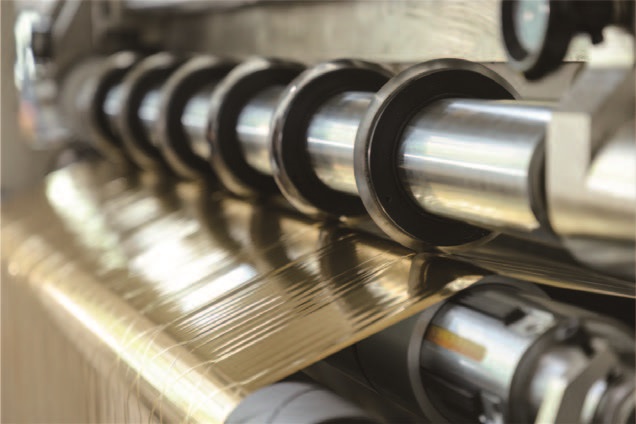
• Slitting unit: the core cutting component, including the circular and bottom cutters
• Winding system: winding the finished product to maintain proper tension
• Control system :P LC or touch screen interface, set parameters
1.2 Safety operation procedures
• Protective equipment (gloves, goggles, etc.) must be worn before operation
• Make sure the emergency stop button is functioning properly
• Do not touch the cutting area when the equipment is running
• Regularly inspect electrical wiring and mechanical components
• Keep your work area tidy and avoid tripping risks
1.3 Preparation before booting
1. Check whether all parts of the equipment are intact
2. Clean the machine surface and blade area
3. Confirm that the power supply and air pressure supply are stable
4. Prepare the appropriate hot stamping film raw materials
5. Prepare the corresponding tools according to the product specifications
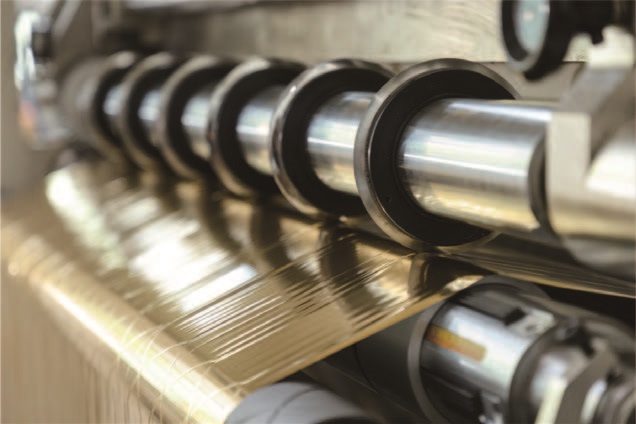
Part 2: Basic Operation • Standard Slitting Process
2.1 Raw material installation and film penetration
1. Properly install the raw material roll on the unwinding reel
2. Introduce the material according to the indicated path of the equipment
3. Adjust the tension control system to the appropriate value
4. Start the guiding system to ensure the edges of the material are aligned
2.2 Key points of parameter setting
• Slitting width: Set according to product requirements, taking into account the shrinkage rate
• Slitting speed: Adjusts based on material thickness and properties
• Tension control: balance of unwinding, intermediate and rewinding tensions
• Pressure Settings: Precise adjustment of cutting pressure
2.3 Trial cutting and adjustment
1. Run at low speed and observe the slitting effect
2. Check the quality of the cut edges, whether there are burrs or brushes
3. Measure the slitting width and adjust it to the standard value
4. Check the winding neatness and adjust the tension parameters
2.4 Formal production and monitoring
• Gradually increase to normal production speed
• Regularly check the slitting quality and dimensional accuracy
• Pay attention to the sound and vibration of the equipment
• Record production data and quality anomalies
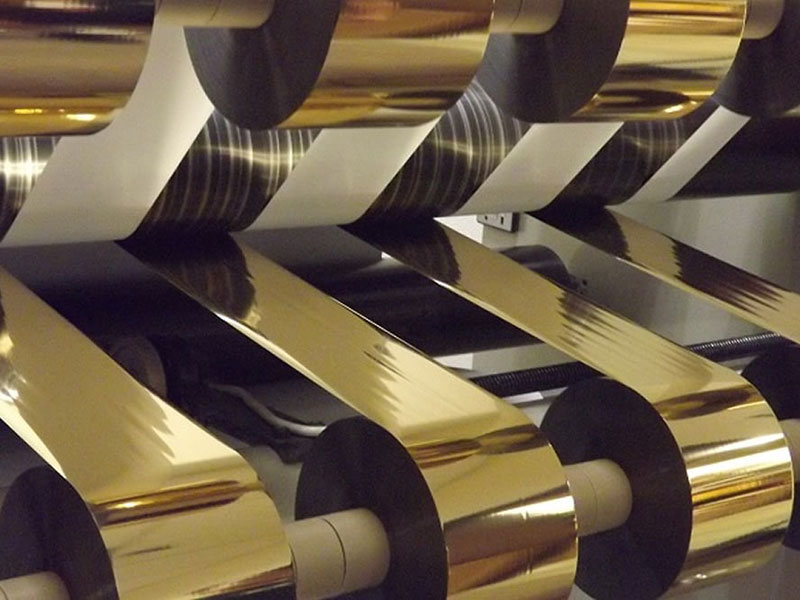
Part 3: Advanced Techniques • Improve efficiency and quality
3.1 Handling skills for different materials
• Ordinary foil stamping film: Good results can be obtained with standard parameters
• Thin special film: reduce tension and use sharp blades to prevent stretch deformation
• Thick composite film: increase pressure, reduce speed, and ensure complete cut-off
• Easy-to-stretch material: optimizes tension curves and reduces intermediate tension
3.2 Tool selection and maintenance
• Selection of suitable insert materials (carbon steel, carbide, etc.) according to material characteristics
• Master the correct sharpening frequency and method
• Learn quick tool change techniques to reduce downtime
• Establish tool usage records and predict replacement intervals
3.3 Tension control essentials
• Understand the principles of tension taper control
• Tension compensation for different diameters
• Learn to judge whether the tension is appropriate by observing the shape of the membrane roll
• Practice manual fine-tuning techniques for special materials
3.4 Quick diagnosis of common problems
• Rough trimming: Check for blade sharpness, pressure, and material properties to match
• Uneven winding: adjust the correction system and check the parallelism of the guide rollers
• Dimensional deviations: calibrate encoders, check material shrinkage
• Frequent material breaks: optimize tension settings and check material quality
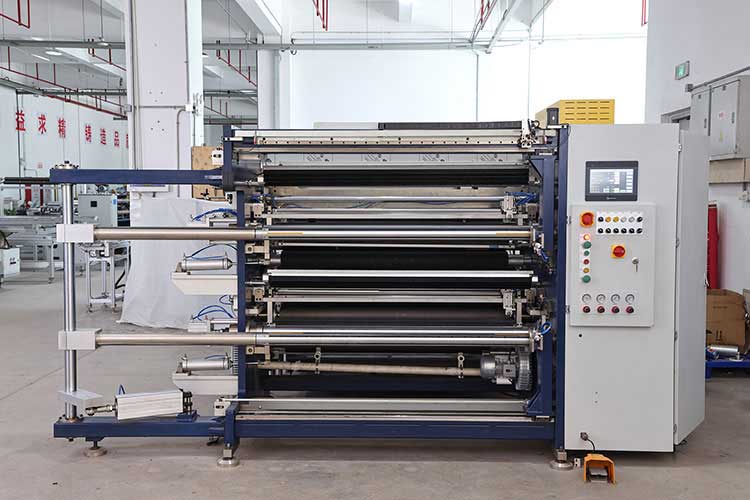
Part 4: The Way to Mastery • Optimization and Innovation
4.1 Process parameter optimization method
1. Establish a material database and record the best combination of parameters
2. Systematically optimize multiple parameters using the design of experiments methodology
3. Analyze production data to find the best balance between quality and efficiency
4. Develop special process solutions for specific products
4.2 Preventive maintenance system
• Create daily, weekly, and monthly checklists
• Establish a plan for the replacement of critical components (bearings, belts, sensors, etc.)
• Learn the principles of equipment structure and be able to predict potential failures
• Maintain equipment logs to analyze failure modes and patterns
4.3 Efficiency Improvement Strategies
• Optimize the roll change process and reduce preparation time
• Develop rapid changeover solutions to accommodate small-batch, multi-mix production
• Research automatic film bonding technology to achieve continuous production
• Analyze production bottlenecks and make targeted improvements
4.4 Advanced Tips for Quality Control
• Establish an online monitoring system to detect the slitting quality in real time
• Develop a standardized process for first article inspection
• Master statistical process control methods to achieve quality prediction
• Learn root cause analysis to solve complex quality problems
Part 5: Expert experience and future development
5.1 Operational philosophy and mentality training
• Cultivate the habit of "doing it right the first time"
• Maintain sensitivity to the status of the device
• Develop a systems mindset to understand how parameters interact with each other
• Persist in continuous improvement and are not satisfied with the status quo
5.2 New Technology Trends
• Intelligent control system and industrial Internet of Things applications
• Application of machine vision in quality inspection
• Adaptive slitting technology with AI optimization
• Development of environmentally friendly and low-energy equipment
5.3 Knowledge system construction
• Gain a deep understanding of the fundamentals of materials science
• Learn about mechanical principles and automation
• Master basic electrical and PLC programming
• Understand industry standards and quality control systems
Epilogue
The transformation from novice to expert is not only a process of accumulating skills but also an upgrade in the way of thinking. An excellent hot stamping film slitting machine operator is not only a user of the equipment but also a process optimizer and problem solver. Through systematic learning, continuous practice, and in-depth thinking, you will be able to master this precision equipment and achieve mastery in the field of hot stamping film slitting.
Remember: every slitting is a precise dance between materials, equipment, and people. When you can anticipate problems rather than just solve them, and when you can create a process rather than just execute it, you truly grasp the essence of the technology.
 English
 Deutsch
 Français
 Español
 Português
 日本語
日本語 русский
 한국어
한국어 عربي
عربي ภาษาไทย
 Tiếng Việt
 Italiano
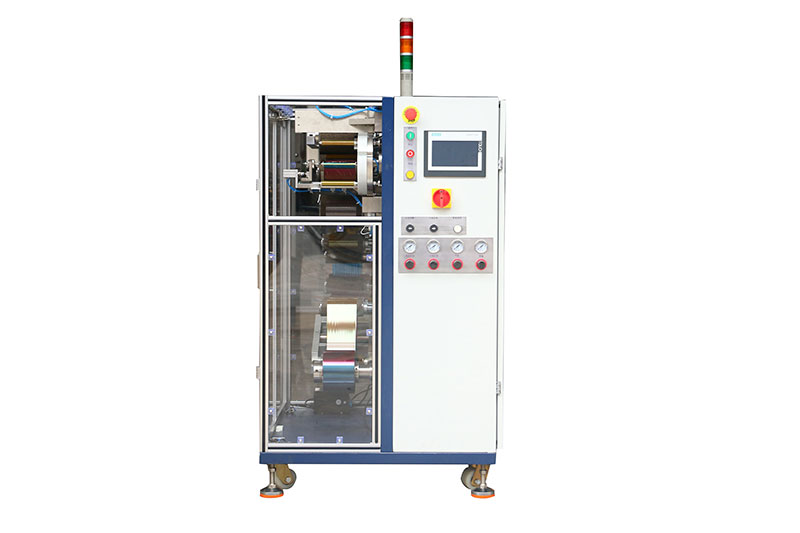 Card Print Ribbon Rewinder
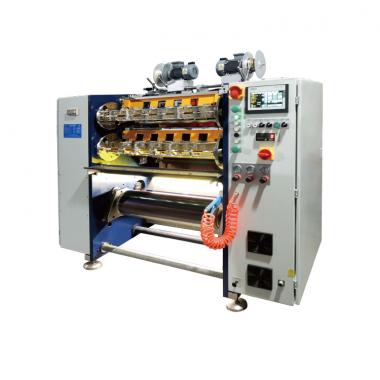 Card Print Ribbon Slitter
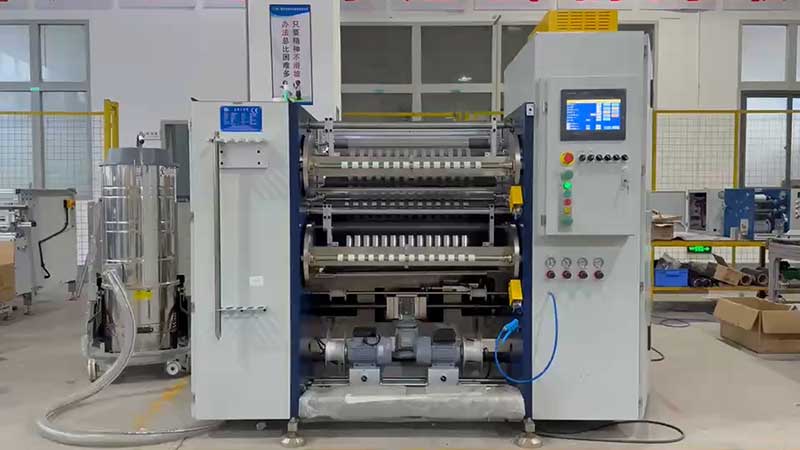
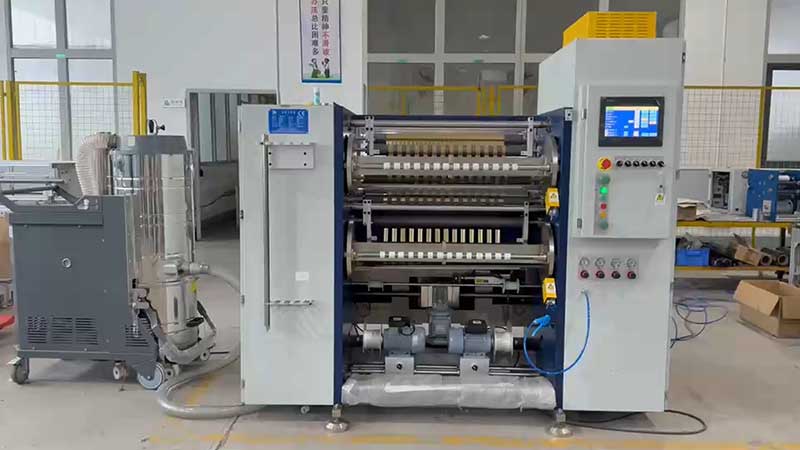
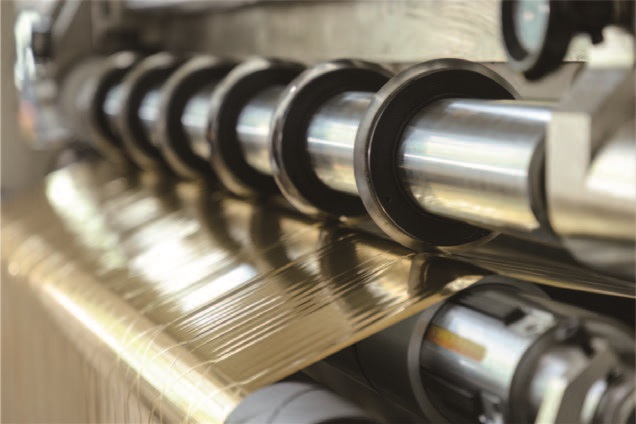 Hot Stamping Foil Slitting Machine
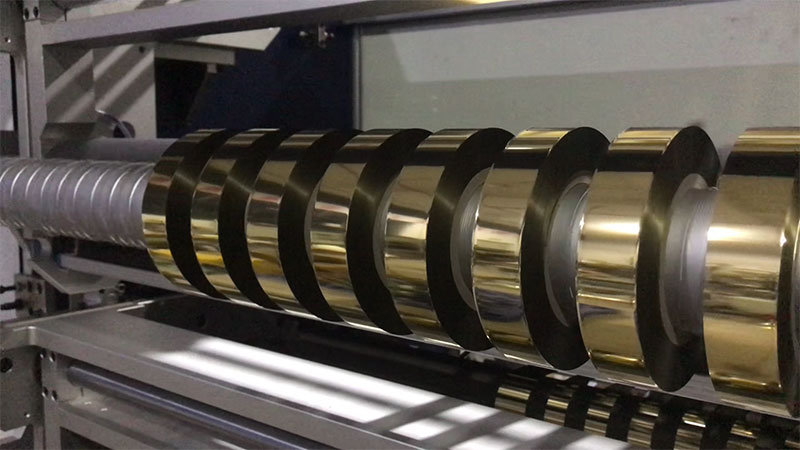 Holographic Foil Slitter
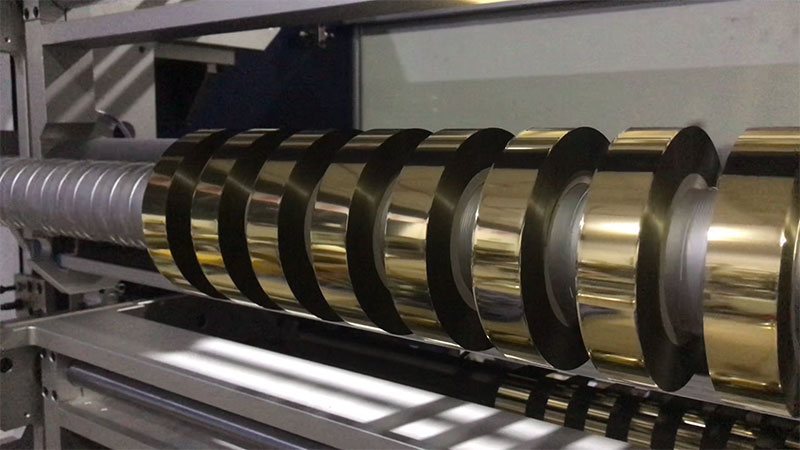 Digital Enhancement Foil Slitter
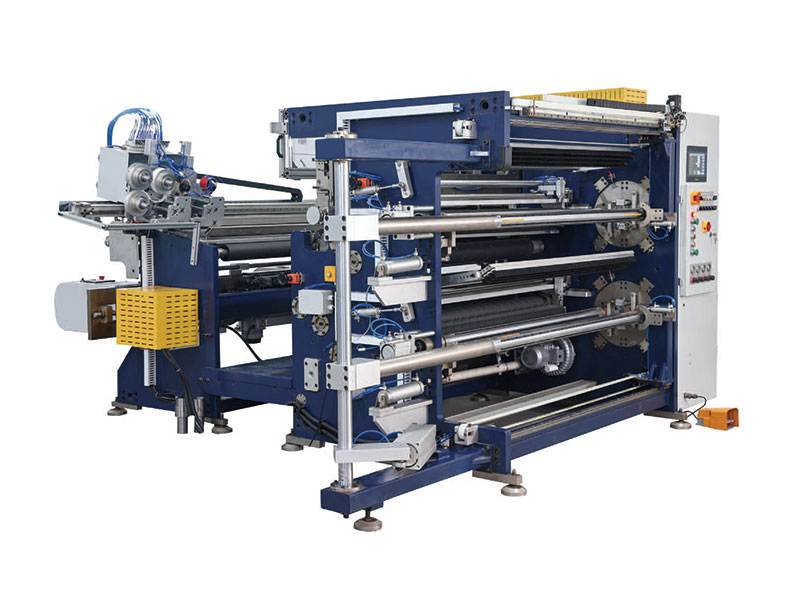 Hot Stamping Foil Slitter RSDS7H 1350 PLUS
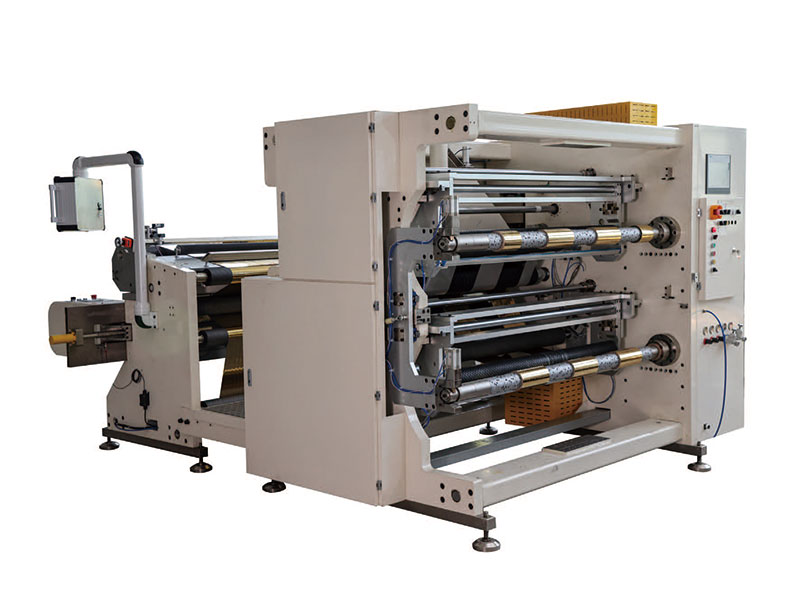 Hot Stamping Foil Slitter (RSDS7H) 1350