In the dazzling galaxy of hot stamping technology, the slitting machine is like a precise star mapper, cutting the magnificent gold leaf into specifications that are suitable for thousands of products. Its core three parameters - width, accuracy and speed - constitute a precise "impossible triangle". How to find the optimal solution between these three is not only related to production efficiency and cost, but also directly affects the perfection of the metallic luster on the final product. This seemingly cold machine actually interprets the smart game of the manufacturing industry in millimeters.
1. Width: the balance of load adaptation and loss
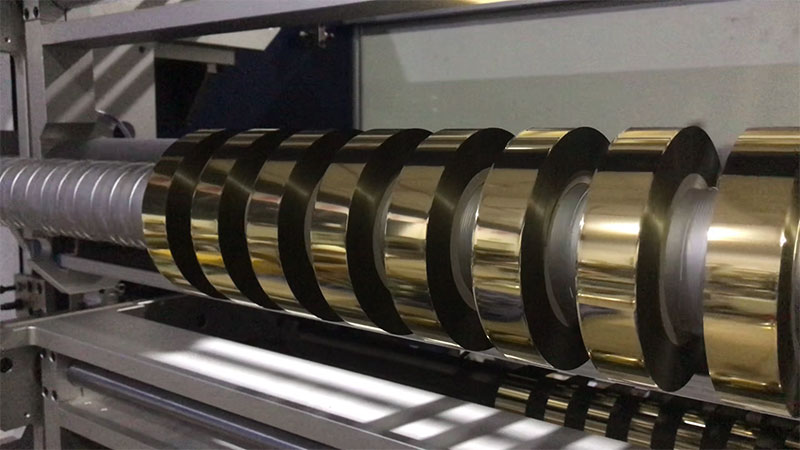
Width, as the most intuitive parameter of the slitting machine, directly determines the application field of the equipment and the economic lifeblood of the material.
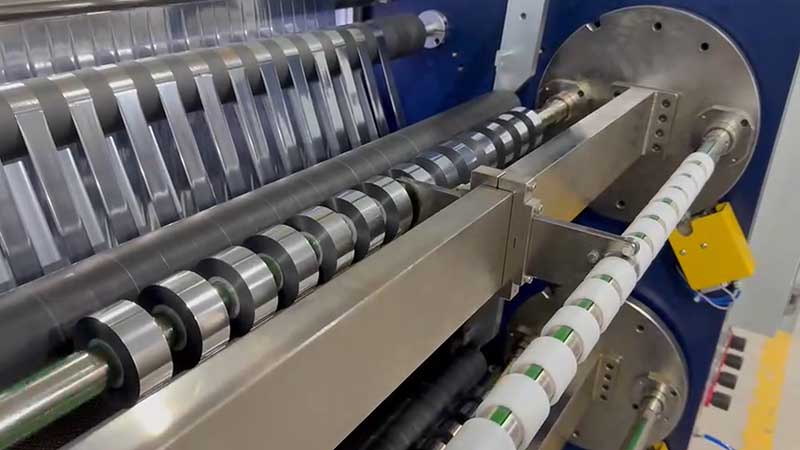
• Adaptable breadth: The working width range of modern slitting machines is expanding day by day, from a narrow width of a dozen millimeters (suitable for fine edge decoration and small text) to an ultra-wide width of more than 1500 mm (suitable for large packaging and building material finishes), and is designed to meet the diverse needs of luxury small labels to furniture panels. Wider foil slitting means more finished rolls of different widths can be produced in a single run, increasing flexibility in production arrangements.
• Game of attrition: However, the larger the width, the better. The slitting width setting is directly related to Edge Loss. Unreasonable width planning can produce unusable edges after slitting, and every millimeter wasted on expensive gold leaf materials is a loss of cost. Therefore, the advanced digital slitting solution automatically optimizes the width combination in the order mix through intelligent nesting algorithms, pushing material utilization to the maximum. The art of width setting is first and foremost a fine contest with loss.
2. Precision: The cornerstone that defines quality and trust
If width frames the battlefield, then precision determines the height of the campaign. It is the soul of the foil stamping effect, especially in high-end applications.
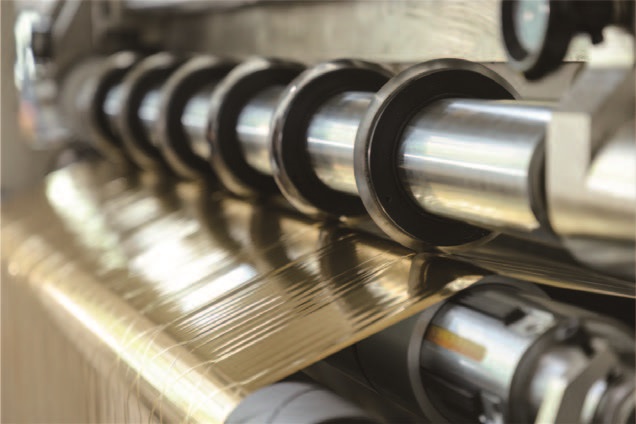
• Dimension of accuracy: Slitting accuracy typically includes slitting width tolerances (e.g., ±0.05mm to ±0.15mm) and winding end face neatness (tower shape error). Microscopic width deviations may cause exposed bottoms or overlaps during hot stamping, destroying the integrity of the graphics and texts. Uneven end faces will affect the stability of unwinding, which will lead to tension fluctuations and registration deviations during the hot stamping process.
• The price of precision: The pursuit of ultimate precision often comes at a cost. It relies on a highly rigid frame, a precise guide mechanism, a servo drive system, and advanced optoelectronic or mechanical detection devices. Maintaining higher precision may also mean reducing production speeds and placing more demanding requirements on the environment (temperature, vibration). Maintaining the accuracy and consistency of the entire width during wide and high-speed slitting is a huge test of mechanical design and manufacturing technology.
3. Speed: drive efficiency and stable engine
Speed is the most direct manifestation of production efficiency, usually measured in meters per minute (m/min). High-speed slitting can quickly digest the original coil and shorten the delivery cycle.
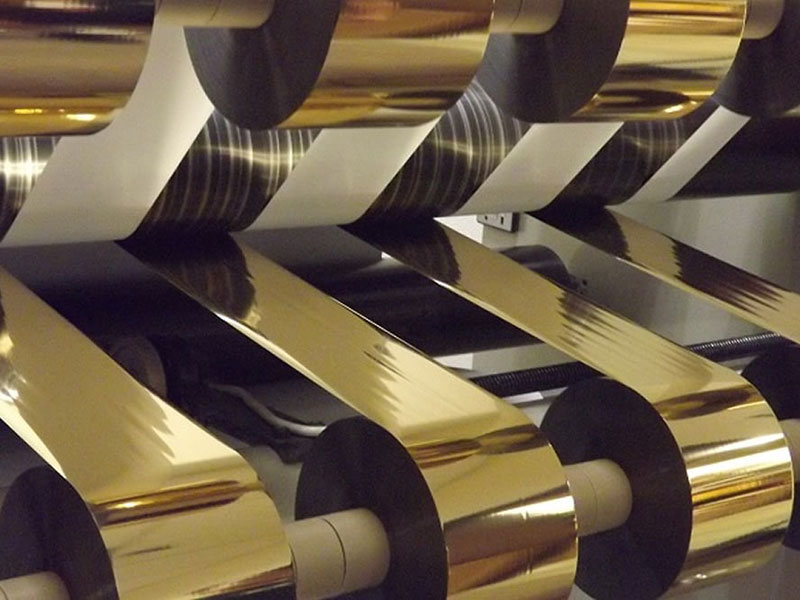
• The Temptation and Pitfall of Speed: Increasing the speed of the slitting line can significantly reduce the cost per unit of time. But the increase in speed is like speeding on a tightrope. Excessive speeds can exacerbate tool wear, generate more heat, amplify mechanical vibrations that can erode slitting accuracy, and may lead to tensile deformation or even fracture of the film due to inconsistent tension control. For ultra-thin or specially coated gold foil, frictional heat caused by high-speed slitting can even damage the surface of the material.
• Dynamic balancing system: At the heart of modern high-end slitting machines is their ability to maintain "dynamic precision" at high speeds. This is supported by three major systems: a high-response tension air pressure control system (to ensure that the foil belt is smooth and slip-free), a silent tool shaft or high-speed flying shear mechanism (for vibration-free cutting), and an intelligent guidance system (real-time monitoring and correction of deviations). The true meaning of speed is not simply the pursuit of numbers on the dashboard, but the maximum efficiency of continuous operation under the premise of stability and control.
4. The way of balance: find the optimal solution in the constraints
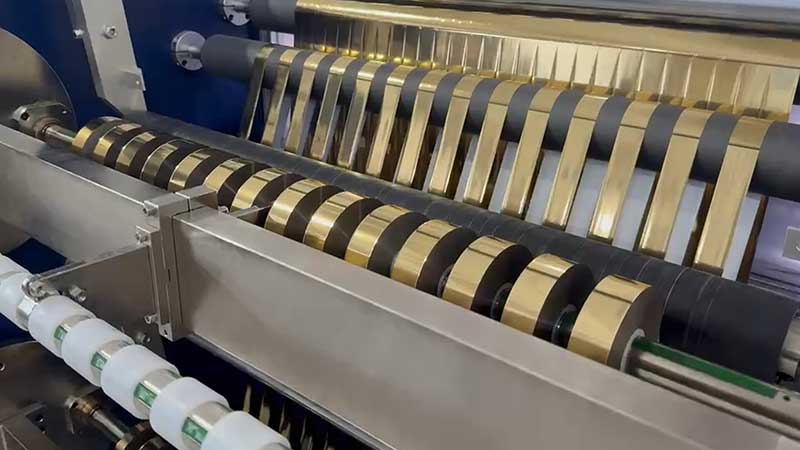
Width, accuracy, and speed are mutually restrictive, and their balance is by no means a simple trade-off, but a systematic optimization process based on specific scenarios.
1. Start with the end, anchor the demand: the first principle is to serve the final hot stamping process and product requirements. For example, when cutting tiny font foil for cigarette packs and high-end cosmetic boxes, precision must be an absolute priority, speed needs to be compromised, and width combinations need to be designed to reduce joints and ensure consistency. On the contrary, for large-area architectural decorative foils, it is more critical to increase the running speed under the width to reduce costs under the premise of meeting the basic accuracy.
2. Technology Empowerment, Intelligent Tuning: Modern CNC and IoT technologies provide new tools for balancing. Adaptive tension control, machine vision-based online quality monitoring, predictive maintenance, etc., enable the equipment to work stably within a wider parameter window. Intelligent production management systems (MES) can automatically recommend or execute optimal slitting parameter schemes based on order attributes (material type, specification, delivery date) to maximize efficiency at the global level.
3. Dynamic balance view: The balance point is not fixed. With the emergence of new materials (such as thinner and stronger composite foils), new processes (high-speed linkage hot stamping), as well as the advancement of tool technology and drive technology, the boundaries of the triangle are constantly expanding. The competition of manufacturers is essentially through technological innovation, while ensuring or even improving accuracy and quality, constantly broadening the range of material widths that can be processed, and raising the speed limit of stable production.
Epilogue
The parameter balance of hot foil slitting machines is a continuous symphony that runs through mechanical engineering, materials science and production management. It requires operators and decision-makers to have both a sense of awe for micro accuracy and a sense of overall planning for macro efficiency. In the context of the era of intelligent manufacturing, future slitting machines will be more "empathetic", and can independently find the optimal balance point according to the "character" (material characteristics) of gold leaf and the "appearance" (final requirements) of the product. When width, precision and speed are in harmony in a higher dimension, each roll of gold leaf flowing out of the slitting machine is not only a carrier of matter, but also a promise of precision, efficiency and quality, waiting to be hot stamped into a touching highlight moment.
 English
 Deutsch
 Français
 Español
 Português
 日本語
日本語 русский
 한국어
한국어 عربي
عربي ภาษาไทย
 Tiếng Việt
 Italiano
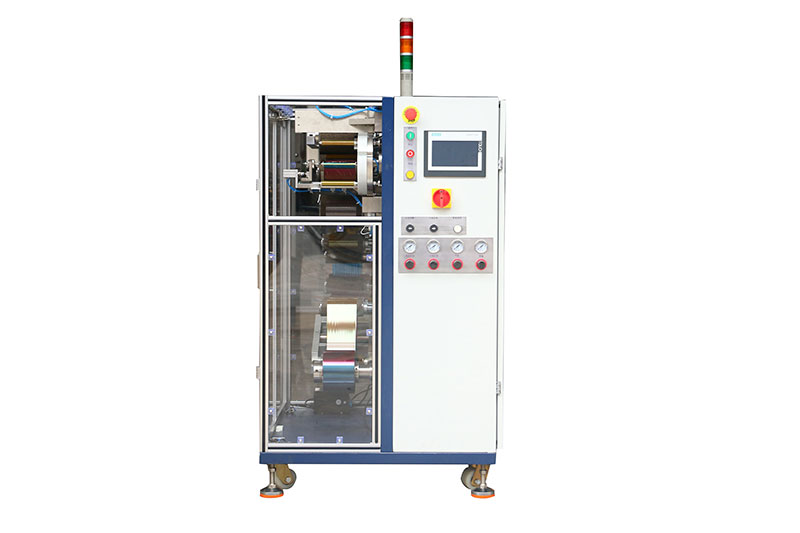 Card Print Ribbon Rewinder
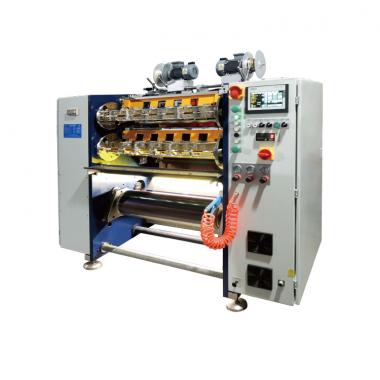 Card Print Ribbon Slitter
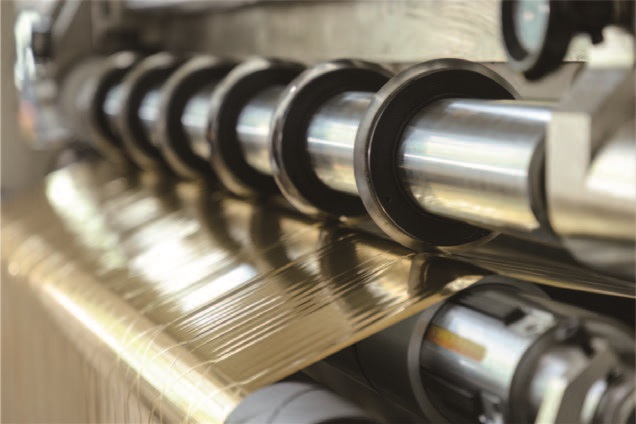 Hot Stamping Foil Slitting Machine
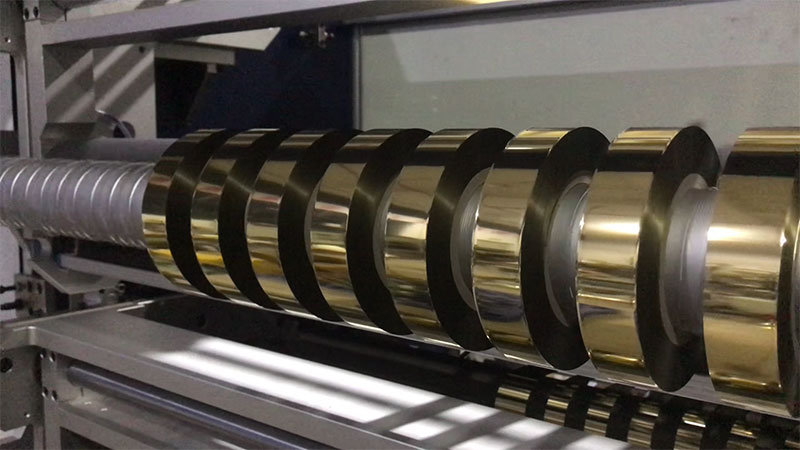 Holographic Foil Slitter
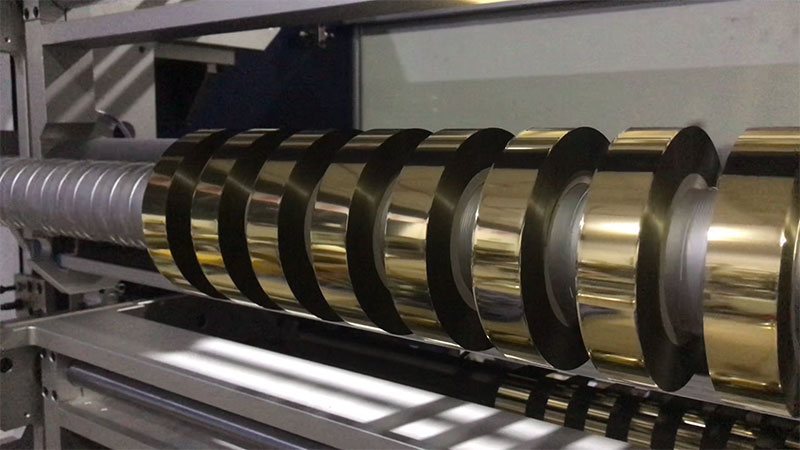 Digital Enhancement Foil Slitter
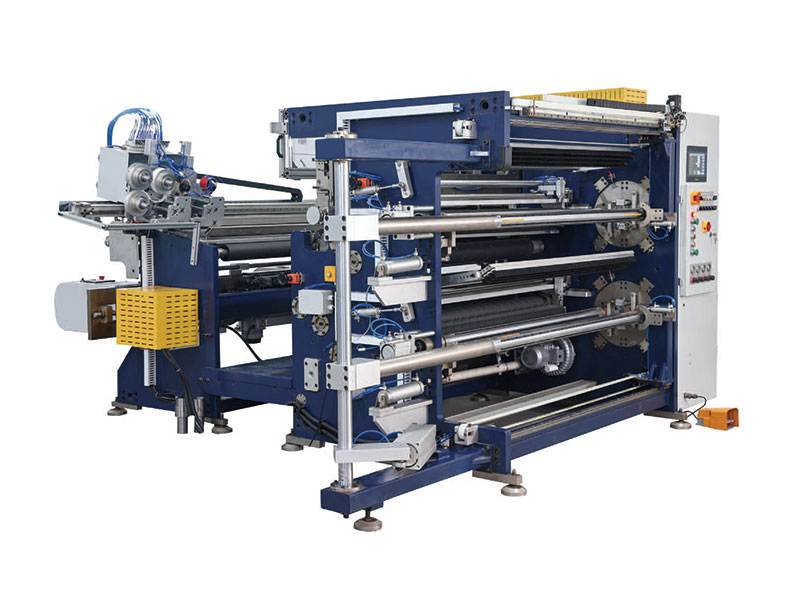 Hot Stamping Foil Slitter RSDS7H 1350 PLUS
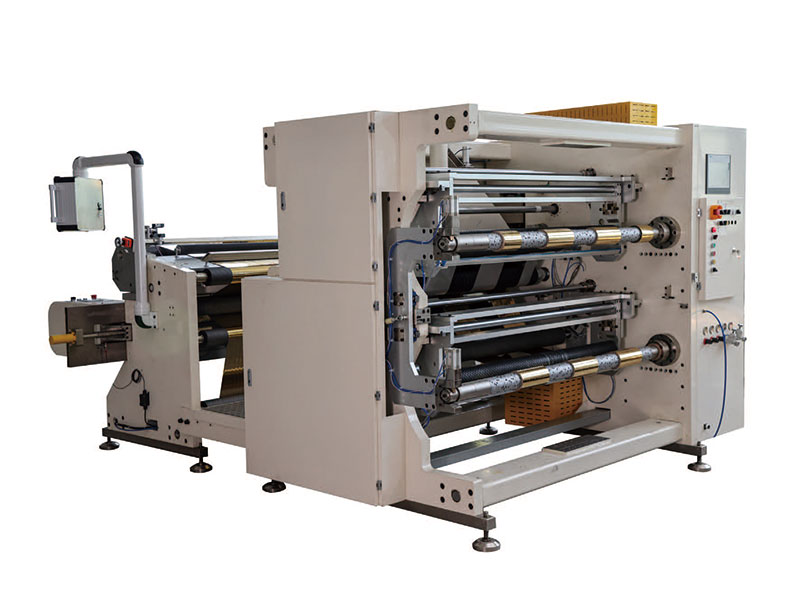 Hot Stamping Foil Slitter (RSDS7H) 1350