In the packaging and printing industry, hot stamping foil is an indispensable decorative material, and hot stamping foil slitting machine is a key equipment to ensure product quality and production efficiency. Faced with many models and configurations of slitting machines on the market, how to choose the right equipment for your production needs? This article will comprehensively analyze the key parameters of hot stamping foil slitting machine selection to help you make an informed decision.
1. Understand the characteristics and slitting requirements of hot stamping foil
Before selecting, it is important to clarify your slitting requirements:
• hot stamping foil type: ordinary hot stamping foil, laser hot stamping foil, holographic hot stamping foil, etc
• Substrate characteristics: Different substrates such as polyester film (PET) and polypropylene film (CPP) have different requirements for equipment
• Slitting specifications: the width range of the finished product, the diameter of the coil, and the requirements of the slitting accuracy
• Production scale: daily/monthly output, order characteristics (multi-variety small batch or single variety large batch)
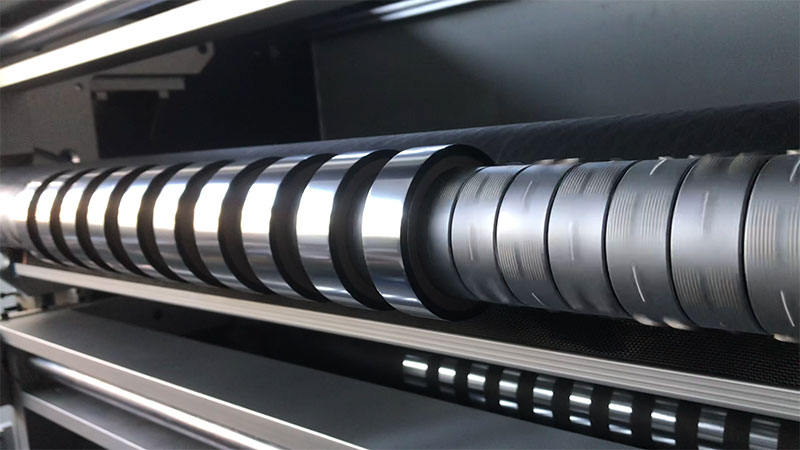
2. Key selection parameters of hot stamping foil slitting machine
1. Slitting accuracy
This is the primary metric for measuring the performance of a slitting machine, directly impacting the yield and quality.
• Static accuracy: usually required within ±0.05mm
• Dynamic accuracy: The stability of the slitting width during operation, ± required to be within 0.1mm
• Factors affecting accuracy: mechanical structure rigidity, control system, tool holder stability, etc
2. Slitting speed
• Maximum slitting speed: generally range from 50 to 300 m/min
• Actual production speed: factors such as acceleration and deceleration time, material change time and other factors need to be considered
• Balance of speed and precision: Accuracy retention is key during high-speed slitting
3. Slitting width range
• Minimum slitting width: usually 2-5mm, special models can reach 1mm
• Maximum slitting width: 1000-1600mm is common, and special needs can reach more than 2000mm
• Width adjustment method: manual adjustment, electric adjustment or fully automatic adjustment
4. Retraction and retraction configuration
• Unwinding mechanism: single/double station, automatic feeding function, tension control accuracy
• Winding mechanism: central winding/surface winding, independent winding/synchronous winding
• Roll diameter range: maximum winding diameter (usually 600-1000mm), maximum unwinding diameter
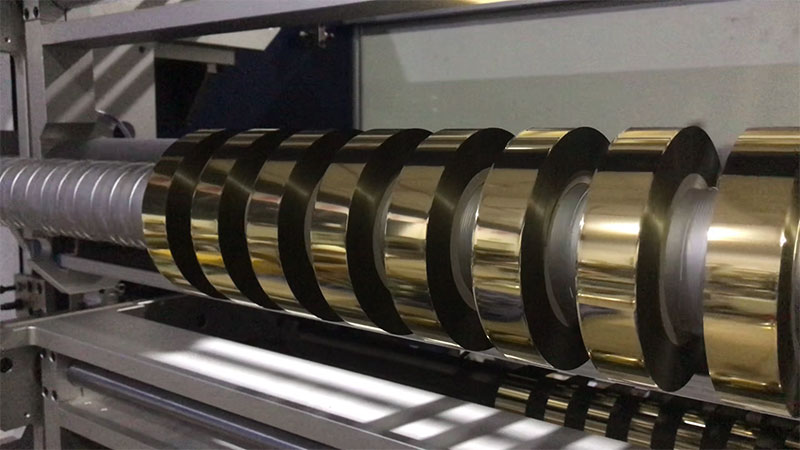
5. Tension control system
Precise tension control is key to ensuring slitting quality, especially for thin electroluminum.
• Control mode: magnetic powder clutch, vector frequency conversion control, servo control
• Control accuracy: The automatic tension control system can reach within ±2%
• Tension segment control: unwinding, traction, and winding multiple stages of independent control
6. Cutting system
• Tool types: round blades, straight knives, special coated knives
• Tool holder structure: single tool holder, double tool holder, multiple tool holder configuration
• Tool material: high-speed steel, cemented carbide, ceramic, etc
• Tool adjustment method: manual fine adjustment, electric adjustment, automatic tool setting system
7. Control system and degree of automation
• Control cores:P LC, industrial computers
• Operation interface: touch screen, human-machine interface friendliness
• Automation functions: automatic tool arrangement, automatic calculation, production data management
• Inspection device: online defect detection, width monitoring, joint inspection
8. Material adaptability
• Material thickness range: 12μm-50μm adaptability of hot stamping foil
• Special material treatment: laser material, holographic material, easily stretchable material
• Static Treatment: Static elimination device configuration
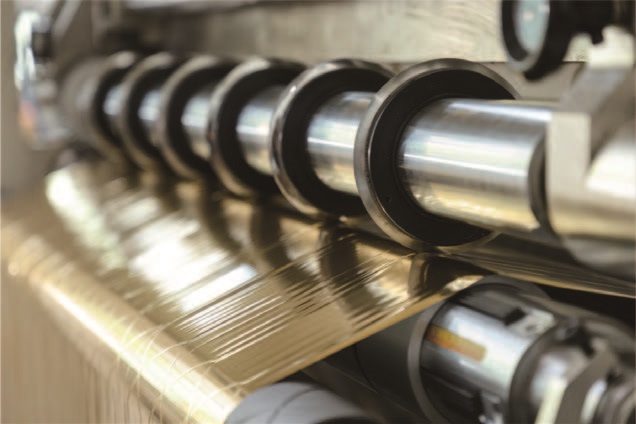
3. Consideration of equipment structure details
1. Mechanical structure
• Fuselage frame: Integral casting or steel plate welding, rigidity directly affects stability
• Guide rail accuracy: the choice of linear guide rail or precision ball screw
• Transmission system: gear, belt or direct drive transmission
2. Electrical system
• Motor configuration: the brand and performance of servo motors and variable frequency motors
• Electrical components:P brand reliability such as LC, sensors, circuit breakers, etc
• Safety protection: emergency stop, overload protection, safety door interlock
3. Assistive systems
• Dust removal device: dust removal system generated during the slitting process
• Waste disposal: edge material recovery or automatic discharge device
• Marking system: length metering, labeling or coding function
4. Selection decision-making process
Step 1: Demand analysis and budget formulation
Detail the current and next 3-5 years of production needs, determine the budget range for equipment investment.
Step 2: Market research and primary selection
Collect at least 3-5 supplier profiles and compare their equipment parameters and customer cases.
Step 3: On-site inspection and prototype trial cutting
Conduct on-site inspections of key suppliers, provide their own materials for trial cutting, and evaluate the actual effect.
Step 4: Comprehensive evaluation and business negotiation
Comprehensive evaluation from technical performance, price, after-sales service, payment terms and other aspects.
Step 5: Installation planning and personnel training
Plan the installation site, electricity, gas source and other conditions in advance, and arrange training for operation and maintenance personnel.
5. Common selection misunderstandings
1. Blind pursuit of high speed: Neglecting the balance between speed and accuracy leads to actual production speeds far below nominal values
2. Over-configuration automation: For small-batch, multi-mix production, over-automation reduces flexibility
3. Ignoring material specificity: Not considering the characteristics of their main production materials, resulting in equipment inadaptation
4. Ignoring energy consumption and maintenance costs: Only focus on procurement costs and ignore long-term operating costs
5. Neglecting supplier after-sales service: When there is a problem with the equipment, the technical support is not timely, affecting production
6. Future development trends
1. Improved intelligence: application of Internet of Things technology, remote monitoring and fault diagnosis
2. Enhanced Flexible Production Capacity: Rapid changeover, adapting to small-batch customized production
3. Green design: energy saving, consumption reduction, and waste generation
4. Integrated solution: integration of slitting and inspection and packaging processes
Epilogue
The selection of hot stamping foil slitting machine is a systematic project that requires comprehensive consideration of technical parameters, production needs, investment budget, and long-term development. The most expensive equipment is not necessarily the most suitable, but the one that can meet specific production needs consistently and efficiently is the best choice. It is recommended that enterprises organize technical, production and purchasing departments to participate in the selection process, and if necessary, they can hire industry experts to provide consultation to ensure that the return on investment is maximized.
Correct selection decisions can not only improve product quality and production efficiency, but also reduce operating costs and enhance the company's advantage in market competition. With technological progress and market changes, we must continue to pay attention to industry dynamics and upgrade equipment in a timely manner to always maintain a competitive advantage.
 English
 Deutsch
 Français
 Español
 Português
 日本語
日本語 русский
 한국어
한국어 عربي
عربي ภาษาไทย
 Tiếng Việt
 Italiano
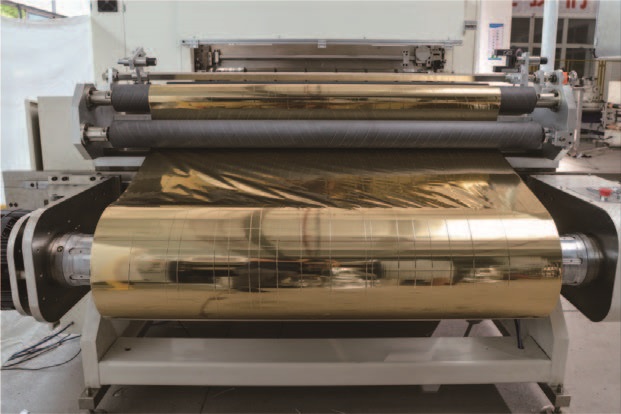
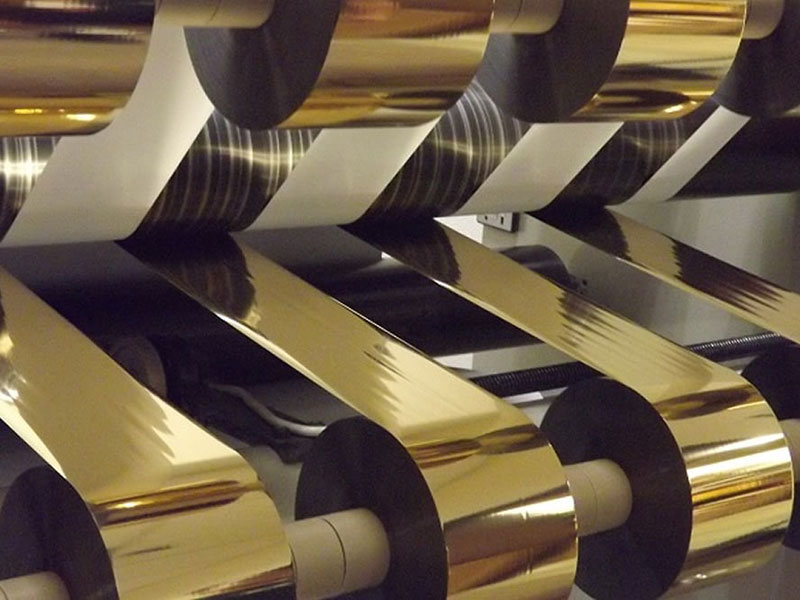 Cold Foil Slitter
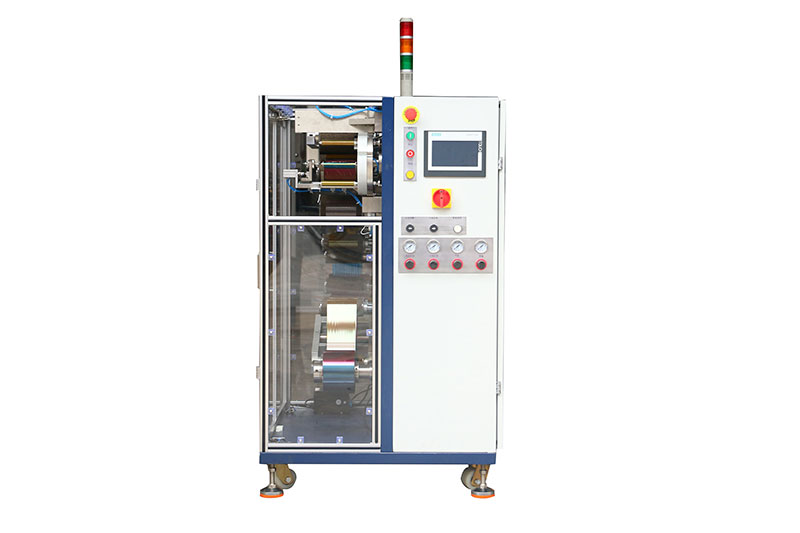 Card Print Ribbon Rewinder
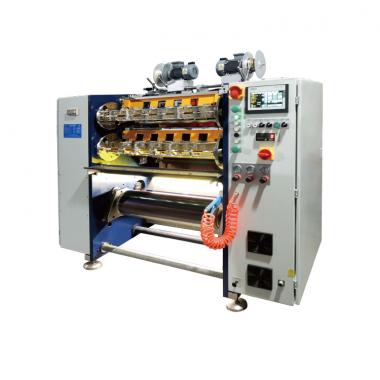 Card Print Ribbon Slitter
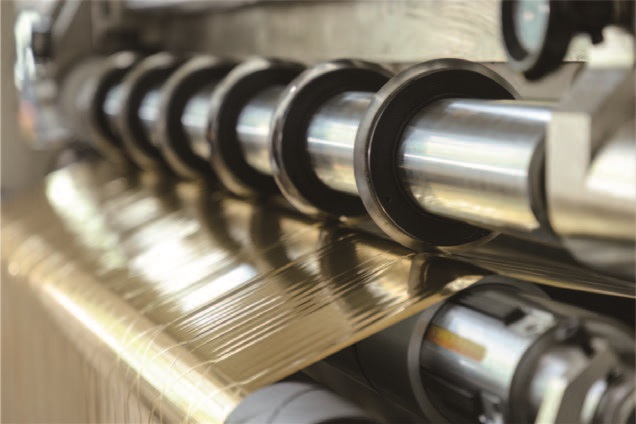 Hot Stamping Foil Slitting Machine
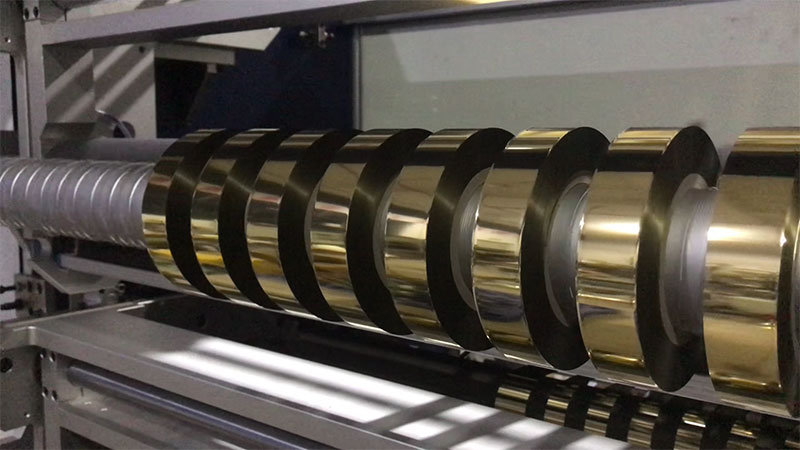 Holographic Foil Slitter
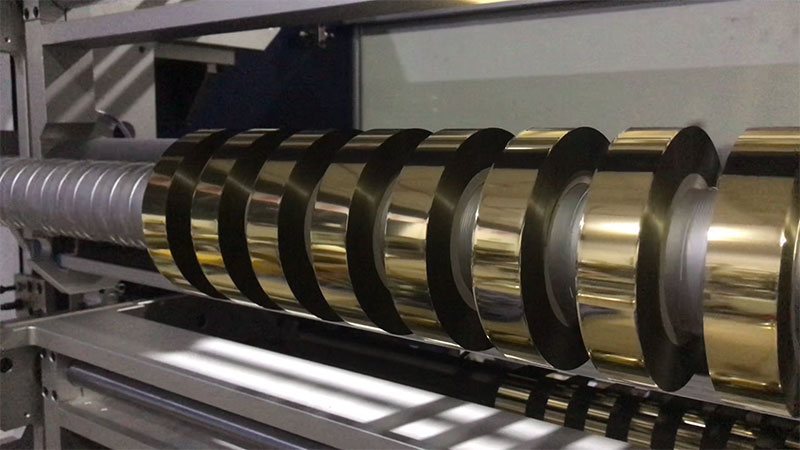 Digital Enhancement Foil Slitter
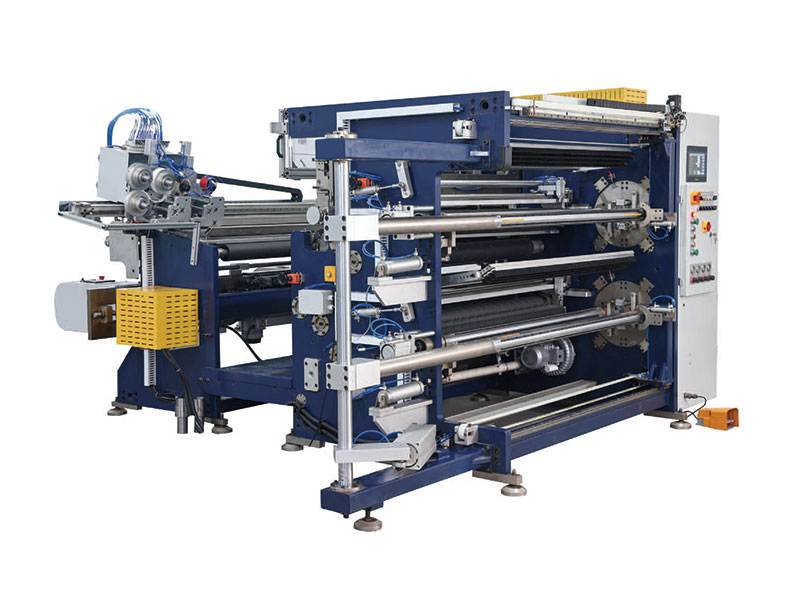 Hot Stamping Foil Slitter RSDS7H 1350 PLUS
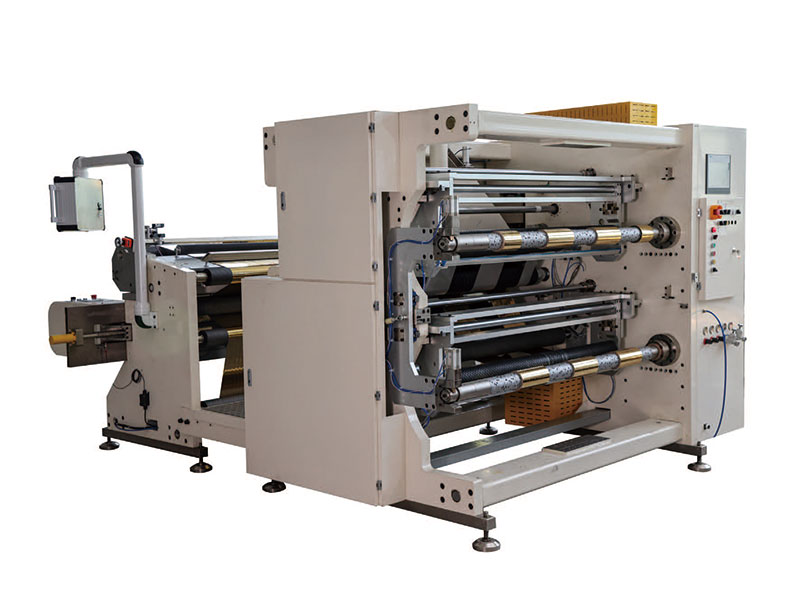 Hot Stamping Foil Slitter (RSDS7H) 1350