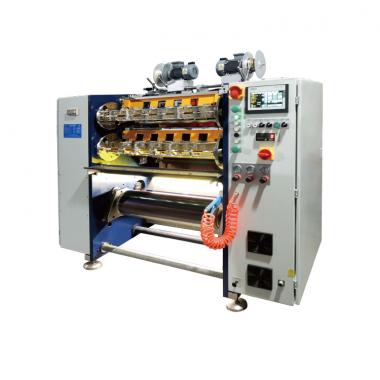
In the chain of modern industrial production, ribbon slitting machines play a seemingly small but crucial role - it accurately cuts wide ribbon raw materials into narrow finished products that meet the requirements of printers, labeling machines and other equipment. For a long time, the design logic of such equipment has been dominated by efficiency and precision, and the operator is seen as a standardized "component" in the production process, adapting to the rhythm and rules of the machine. However, with the evolution of industrial design concepts and the deepening of the "people-oriented" value, the design frontier of the new generation of ribbon slitting machines is focusing on a more challenging topic: how to achieve ultimate ease of operation while ensuring absolute safety? It's not just a superposition of features, but an art of finding a fine balance on the edge of a sharp blade.
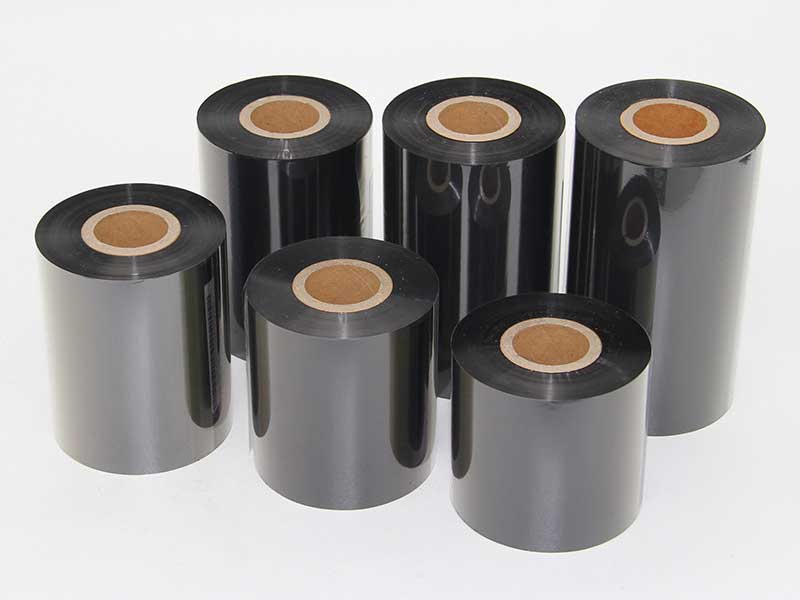
Safety: an uncompromising rigid cornerstone
Safety is an unquestionable red line in the design of industrial equipment, especially for ribbon slitting machines that involve high-speed cutting. Traditional designs often use physical isolation (e.g., rugged shields, interlocks) to build a passive safety line, but this often comes at the expense of ease of operation—frequent start-stops, complex commissioning and maintenance processes, reducing work efficiency, and prone to operator boredom and risk of non-compliance.
Modern humanized safety design is evolving in the direction of the integration of "active intelligence" and "intrinsic safety". For example:
• Intelligent sensing protection: Using non-contact grating or capacitive sensing technology, once any part of the human body is detected to be abnormally close to the danger zone, the device can slow down or shut down within milliseconds, rather than relying entirely on physical barriers. This ensures safety and reduces interference with the operation field of view and movement.
• Human-computer interaction warning: Clear and intuitive safety status indication and fault warning are integrated through the touch screen. It not only tells "what cannot be done", but also explains "why" and "how to solve it safely", and internalizes safety awareness in the operation process.
• Humanized emergency response: The emergency stop button is ergonomically designed, with a prominent position and clear touch, and is designed to be quickly accessible in different positions in the event of an accident. At the same time, the risk of accidental triggering of a single panic button is avoided, and designs that require two-hand confirmation or protective covers may be introduced.
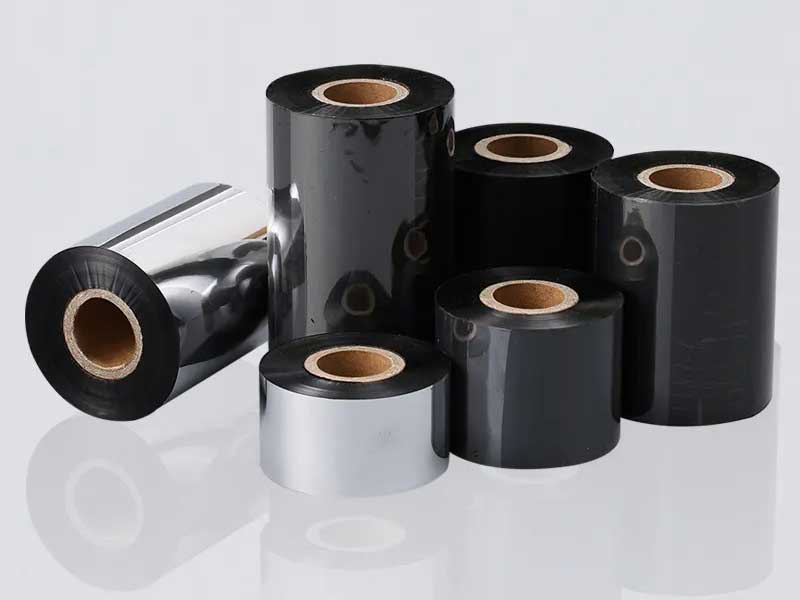
Convenience: A duo of efficiency and comfort
Convenience is a direct embodiment of humanized design to improve production efficiency and operator satisfaction. It goes beyond "usability" and pursues "easy to use", "easy to use" and even "fun to use". On the ribbon slitting machine, this is reflected in:
• Quick material change and setting: Modular, quick-release material shaft design with electric or pneumatic locking mechanism greatly reduces downtime for material change. Preset parameters can be recalled with one click, and even the cutting plan is automatically loaded by scanning the order barcode, reducing manual input errors.
• Ergonomic layout: the height and angle of the control panel are adjustable to adapt to sitting or standing operation; The key knob and handle are moderately sized and comfortable to dampen; The display interface is logical and clear, avoiding multiple layers of complex menus. The height of the equipment and the position of the maintenance window take into account the scale of the operator's body, reducing unnecessary bending, tiptoeing, or awkward postures.
• Intelligent Assistance and Self-Maintenance: Integrate features such as automatic edge alignment, tension closed-loop control, blade life monitoring and wear reminders to reduce high dependence on operator experience and guide preventive maintenance. The self-diagnostic system can quickly locate fault points and even provide visual repair guidance through AR technology.
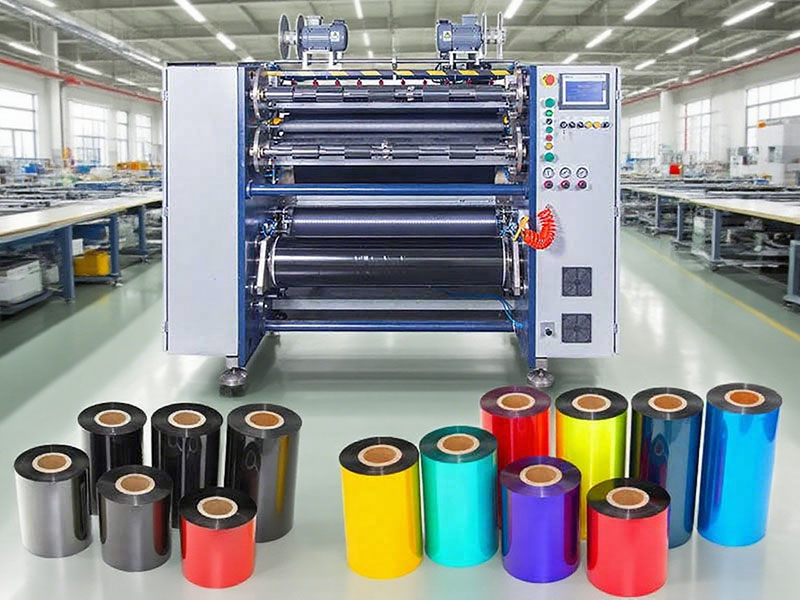
The way to balance: seek synergy in conflict
Convenience and security often appear as a pair of contradictions: faster access means fewer barriers, and simpler operations can bypass security confirmations. The true balance is not a compromise, but a "safety empowerment and convenience" through innovative design.
1. Situation-aware intelligent system: The equipment can recognize the current work phase (e.g. normal production, commissioning, maintenance). In maintenance mode, the safety system allows the necessary contact, but it needs to be turned on through permission management (e.g., key, password), and the system automatically enters a low-speed, low-voltage security state. During normal production, the highest level of protection is enabled.
2. Poka-yoke design: Embed security logic into the operation process itself. For example, the high-speed cutting program is unlocked only when the shield is fully closed and the coil is installed in place; The tool changer has a specific shape that cannot be accidentally touched by other parts. This makes "correct operation = safe operation" a natural path.
3. Comprehensive consideration centered on user experience: During the design process, operators are introduced to simulate and test the whole process to find hidden costs caused by the pursuit of safety, such as fatigue, frustration, and efficiency bottlenecks. Through iteration, find the optimal solution that can effectively protect and make the process smooth and unhindered.
Epilogue
The humanized design journey of the ribbon slitting machine is a profound shift from "machine-centric" to "human-centric". It requires designers to be not only mechanical and electrical experts, but also behavioral and psychological insights. Seeking a balance between convenience and safety on the blade, the ultimate goal is to create a "transparent" work environment: security measures are like invisible guardians, ubiquitous but never obtrusive; Convenient operation is like a natural extension of thinking, and it is as efficient as flowing water. This can not only improve the comprehensive efficiency of equipment and reduce the accident rate, but also reflect the respect for the value of workers - let technology truly serve people, inject the temperature of care into the rigor of production, so as to achieve the double harvest of sustainable productivity and humanistic care. This is the most valuable pursuit of modern industrial design.
 English
 Deutsch
 Français
 Español
 Português
 日本語
日本語 русский
 한국어
한국어 عربي
عربي ภาษาไทย
 Tiếng Việt
 Italiano

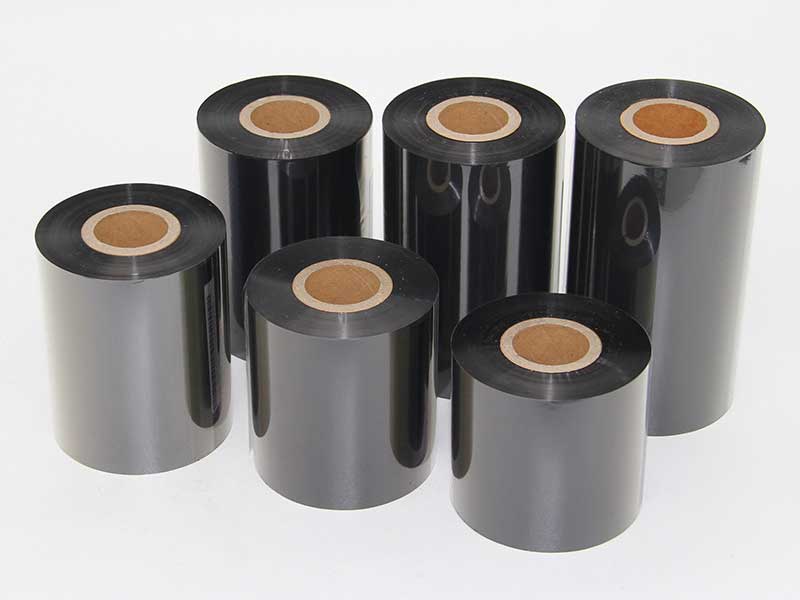
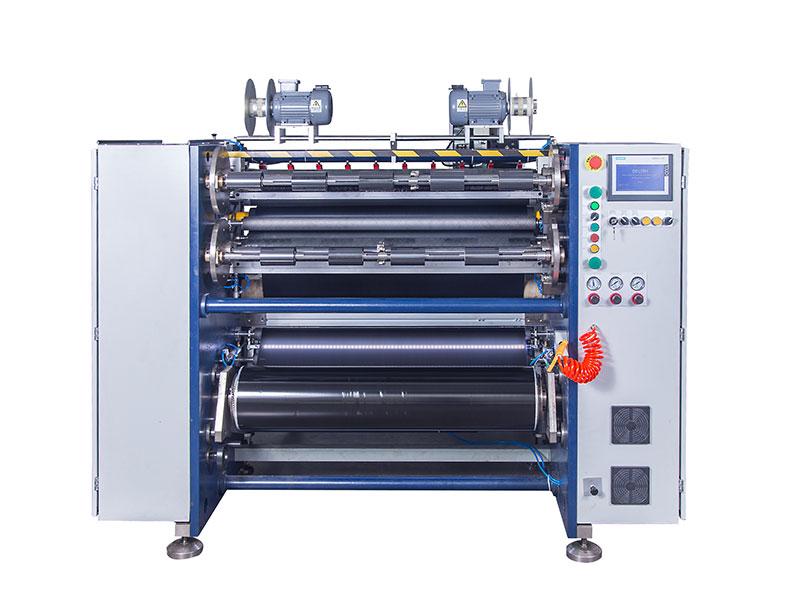 Ribbon Slitting Machine
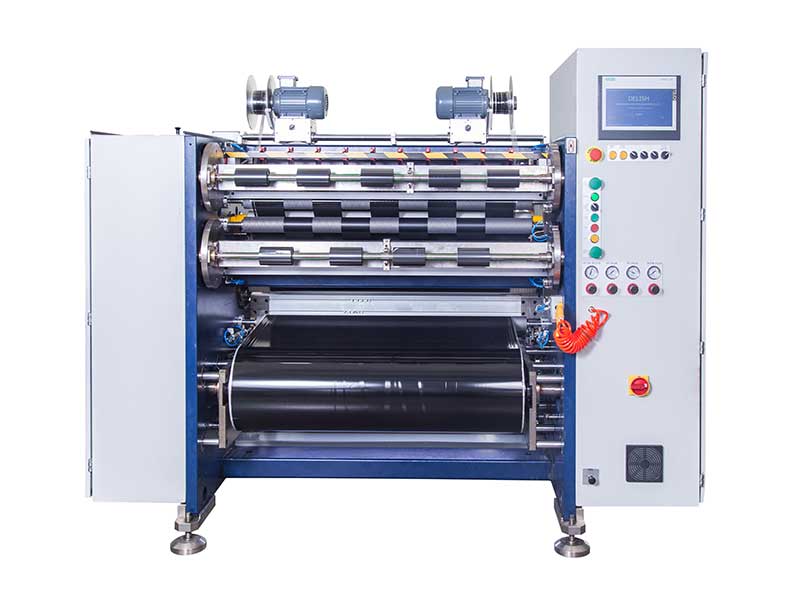 Barcode Ribbon Slitting Machine
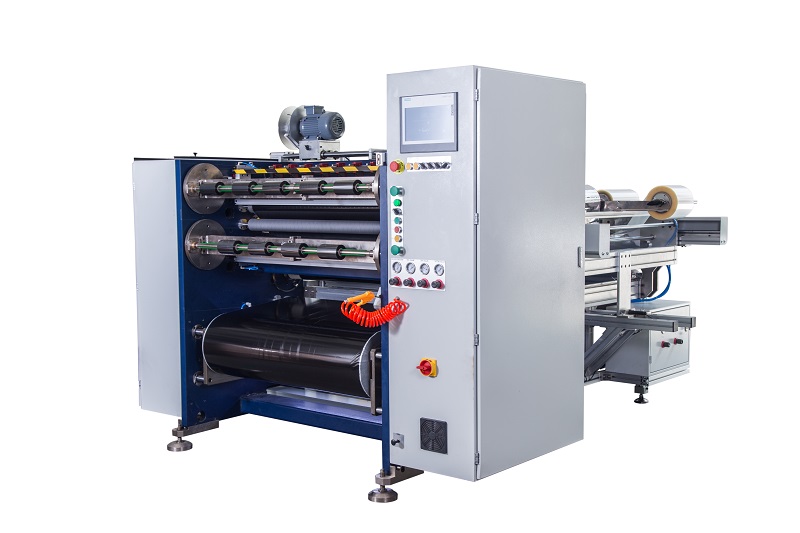 Semi Automatic Thermal Transfer Ribbon Slitter RSDS5 PLUS
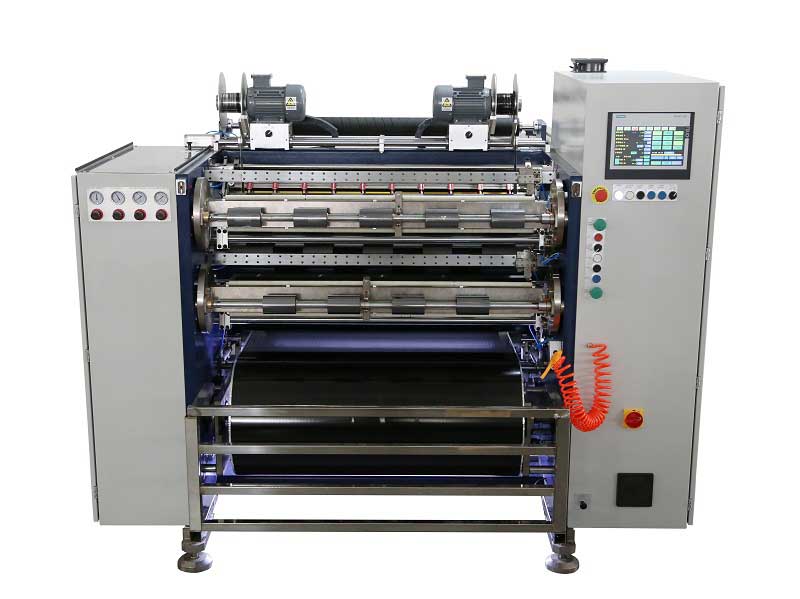 Automatic Thermal Transfer Ribbon Slitter RSDS8 H PLUS
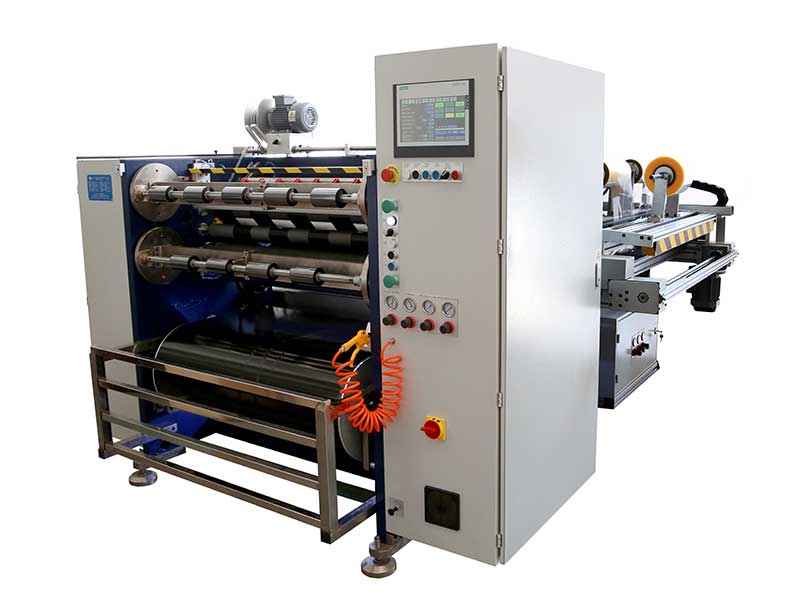 Automatic Thermal Transfer Ribbon Slitter RSDS6 PLUS
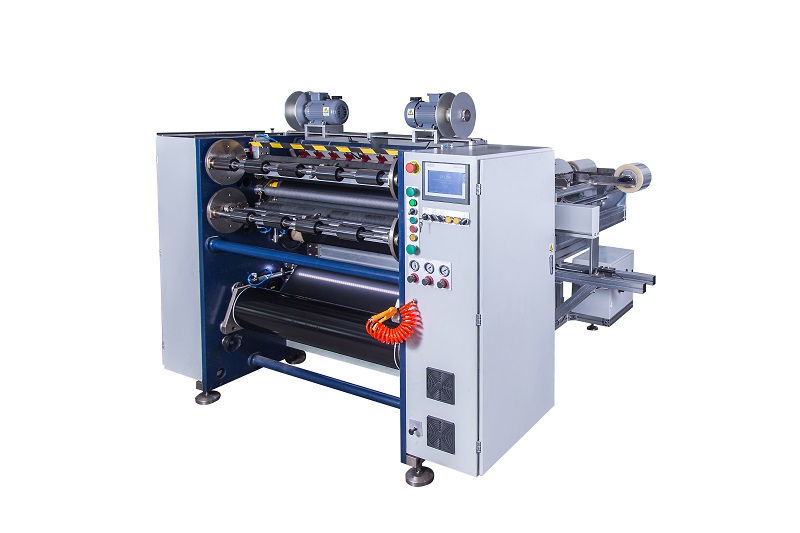 Semi Automatic Thermal Transfer Ribbon Slitter RSDS1 PLUS
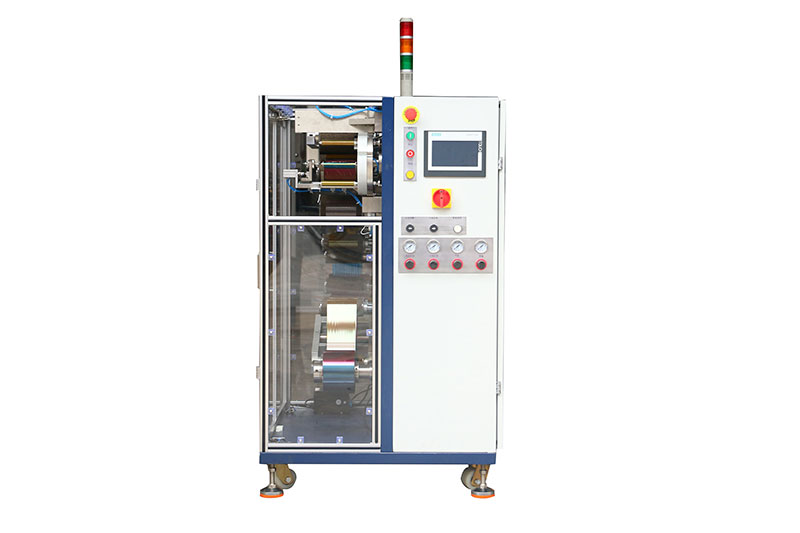 Card Print Ribbon Rewinder
 Card Print Ribbon Slitter