As a key equipment for the processing of plastic films, paper, metal foils, and other coils, the performance of film slitting machines directly affects product quality and production efficiency. In the face of a dazzling array of models on the market, how to make informed decisions when purchasing? Here are the top five questions that users are most concerned about to help you establish a clear cognitive framework before making a purchase.
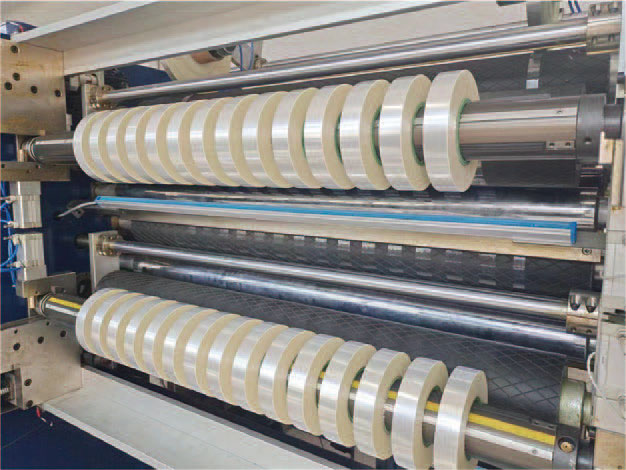
1. Equipment accuracy and stability: the lifeline of slitting quality
Precision determines the quality of the finished product
One of the core indicators of film slitting is the slitting accuracy, which directly affects the flatness of the coil edges, the neatness of the winding, and the efficiency of subsequent processing. Focus on the following:
• Radial runout of the cutter shaft: high-quality equipment is usually controlled within 0.003mm
• Tension control accuracy of rewinding and unwinding: the dynamic accuracy should be within ±1%
• Correction system accuracy: The accuracy of photoelectric or ultrasonic correction should reach ±0.1mm
Stability ensures continuous production
Can the equipment remain stable for a long time at high speeds (typically 300-800 m/min)? Highlights include:
• Body structure: The integral cast frame is better than the welded frame and has stronger vibration resistance
• Core component material: whether key components such as blades and guide rollers are made of wear-resistant materials
• Temperature adaptability: The ability to control the temperature rise of the equipment during continuous operation
2. Material adaptability and process matching: avoid "soil and water acclimatization"
Define your material properties
Different film materials have different requirements for slitting equipment:
• Rigid films such as PET and BOPP: High rigidity tools and strong winding are required
• Soft films such as PE and CPP: higher requirements for tension control sensitivity
• Special films (such as optical films, conductive films): dust-free environments and special contact parts are required
Process requirements are matched
• Slitting method: flat, round, or razor-style? Flat knives are suitable for thick films, and round knives are suitable for high-speed production
• Winding method: the central winding surface contacts the winding? The former has more precise tension control
• Special needs: Do you need functions such as online inspection, automatic labeling, and static elimination?
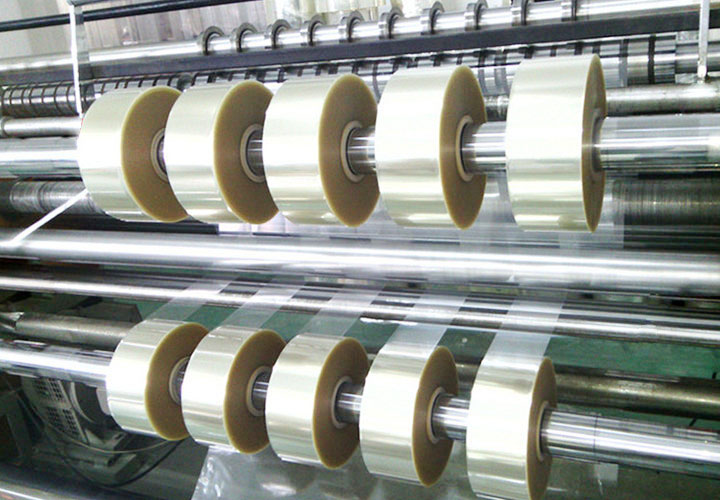
3. Production efficiency and automation level: the key to return on investment
Balance speed and efficiency
• Maximum machine speed ≠ actual production speed: focus on the sustainable production speed of the equipment with guaranteed quality
• Material change time: The fully automatic feeding system can reduce downtime by more than 30%
• Tool position adjustment efficiency: electric tool adjustment efficiency is 50% higher than manual tool adjustment
Automation assessment
• Basic automation: automatic tension control, automatic deviation correction
• Intermediate automation: preset parameter call, production data recording
• Advanced automation: intelligent scheduling, remote monitoring, predictive maintenance
4. Energy consumption and operating costs: invisible long-term investment
Direct energy consumption comparison
• Main motor type: Servo motor saves 20%-30% energy compared to traditional motor
• Compressed air consumption: The design efficiency of pneumatic systems varies significantly
• Heat Utilization: In the case of coating or drying processes, heat recovery systems can significantly reduce energy consumption
Consolidated operating costs
• Wear parts life: Replacement frequency and cost of blades, belts, etc
• Ease of Maintenance: The modular design reduces maintenance time and costs
• Spare parts supply: the supplier's spare parts inventory and lead times
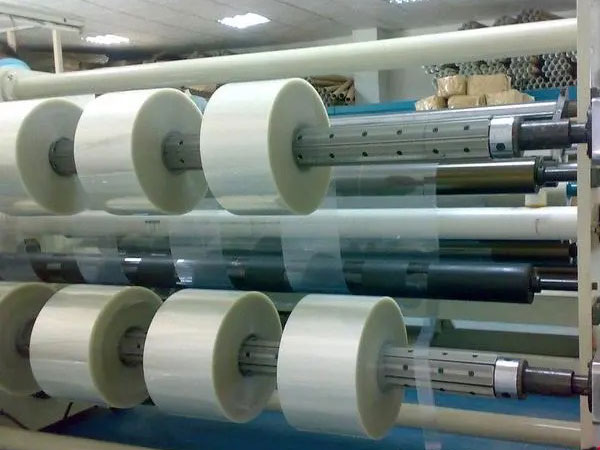
5. Supplier strength and service support: guarantee of long-term cooperation
Technical strength assessment
• R&D capabilities: Do you have the ability to customize according to special needs?
• Industry experience: slitting cases and operation data for the same type of materials
• Manufacturing process: Workshop visits often reveal differences in detail quality
Service network and response
• Installation and commissioning: Do you provide professional installation guidance and process training?
• After-sales response: Response time and resolution capabilities for emergency failures
• Technology upgrades: Does the equipment have room for future upgrades?
Comprehensive decision-making suggestions
Purchasing a film slitting machine is a systematic project, and it is recommended to take the following steps:
1. Clarify the list of requirements: Organize your own material characteristics, output requirements, quality standards and budget range
2. On-site inspection: Visit at least 2-3 suppliers' manufacturing workshops and customer sites
3. Specimen Testing: Bring your own materials to the equipment for actual slitting testing
4. Full-cycle cost analysis: Calculate the total cost of ownership for 3-5 years, not just the purchase price
5. Confirm contract details: Clarify performance guarantee terms, acceptance standards, and after-sales service content
Under the general trend of intelligent and green manufacturing, the new generation of film slitting machines is developing in the direction of higher precision, lower energy consumption and intelligence. Wise choices can not only meet current production needs, but also lay a solid foundation for technological upgrading and sustainable development of enterprises. A little more prudence before investment, more after production, will be very reassuring.
 English
 Deutsch
 Français
 Español
 Português
 日本語
日本語 русский
 한국어
한국어 عربي
عربي ภาษาไทย
 Tiếng Việt
 Italiano
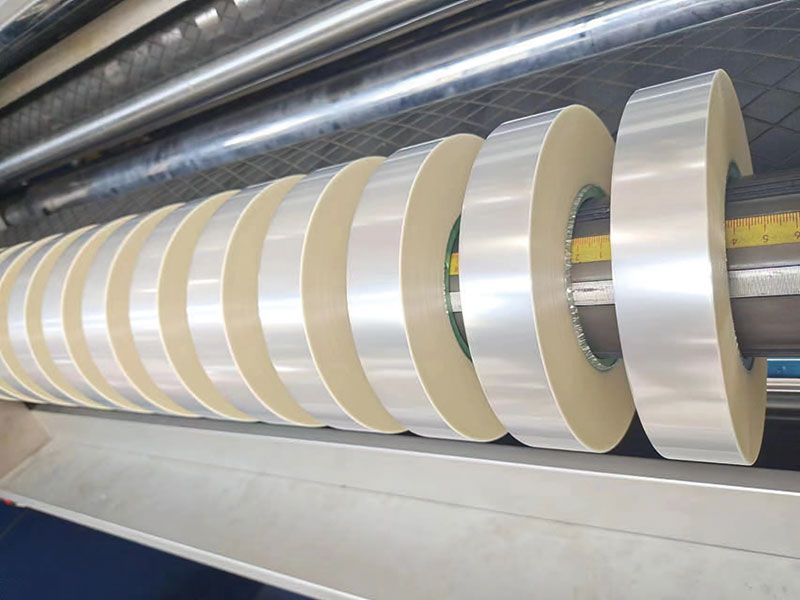 Film Slitting Machine
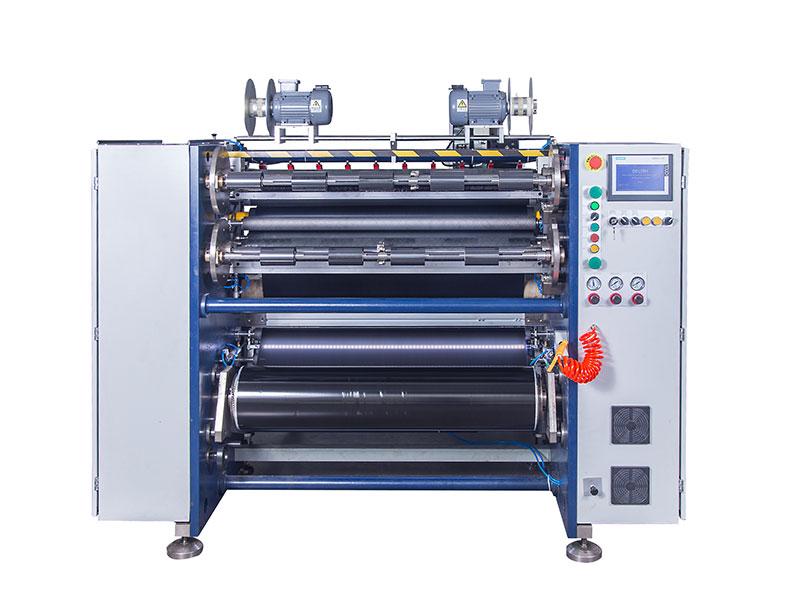 Ribbon Slitting Machine
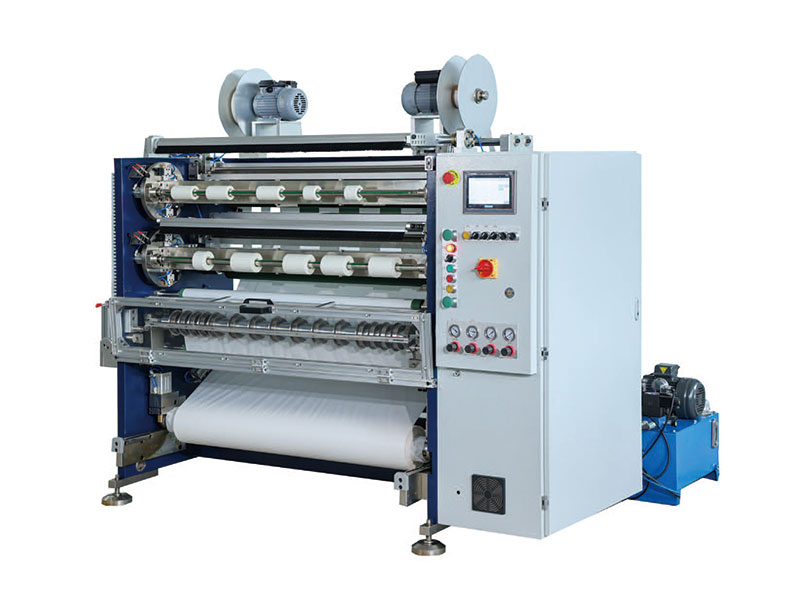 Tape Slitter
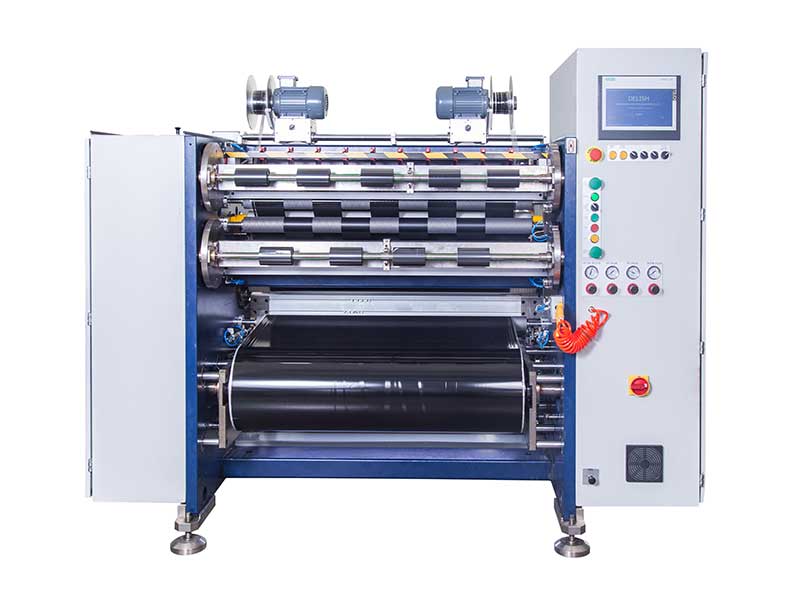 Barcode Ribbon Slitting Machine
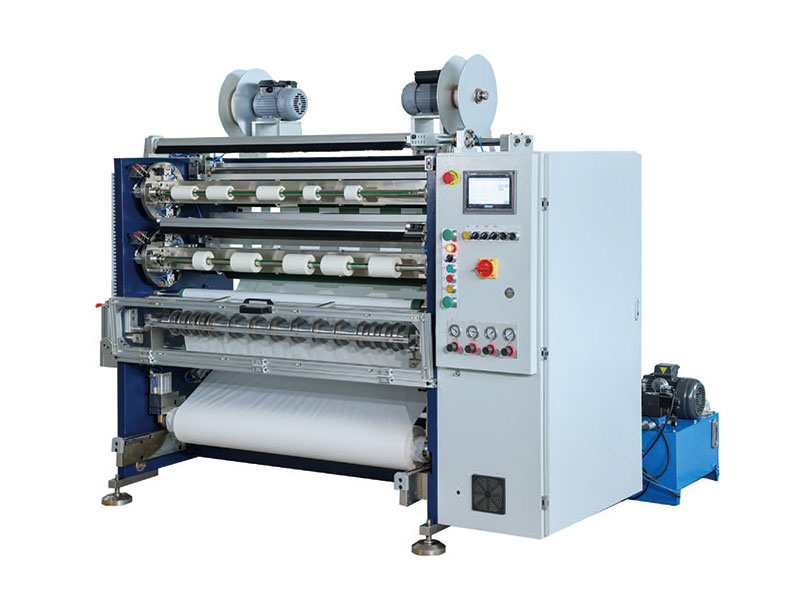 Single Side Adhesive Slitter
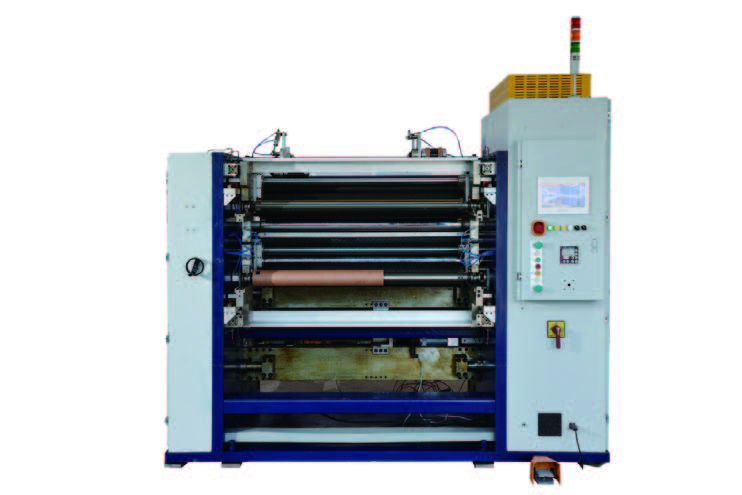 Capacity Film Slitter
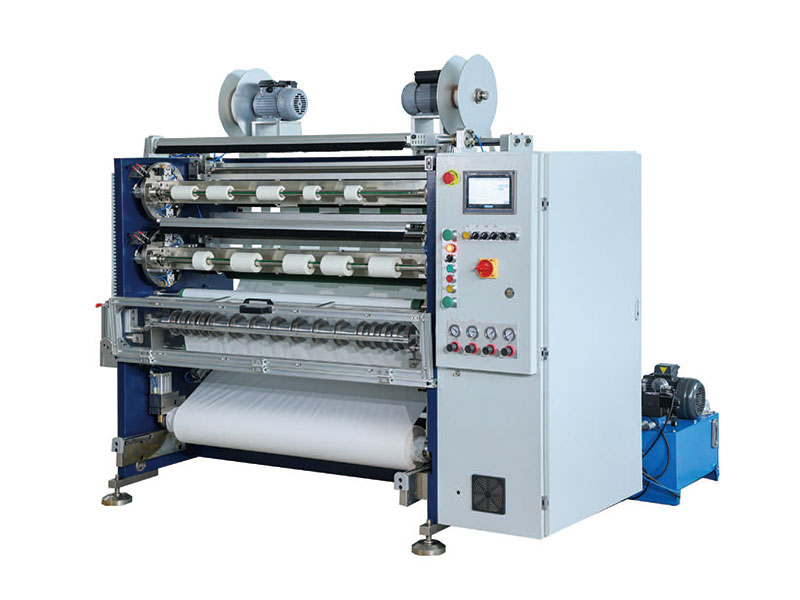 Double Side Adhesive Slitter
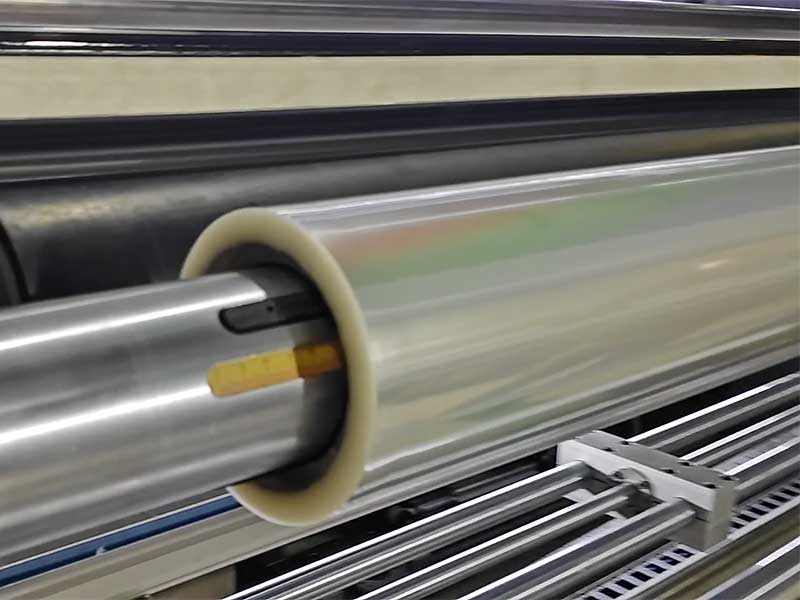 Solar Film Slitter